Artwork
Man with a Beard
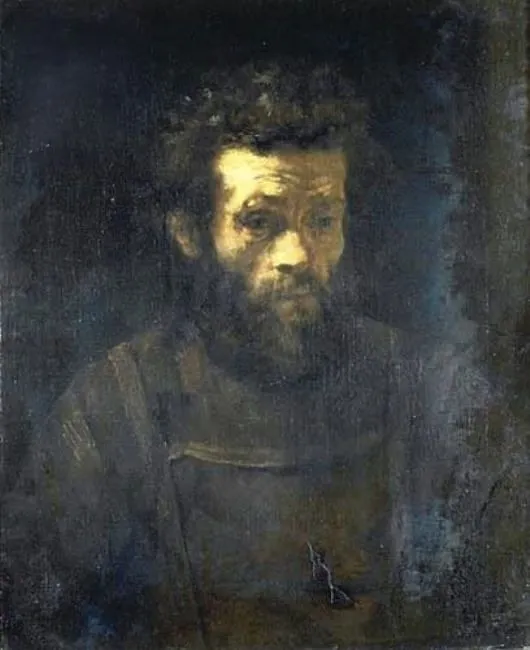
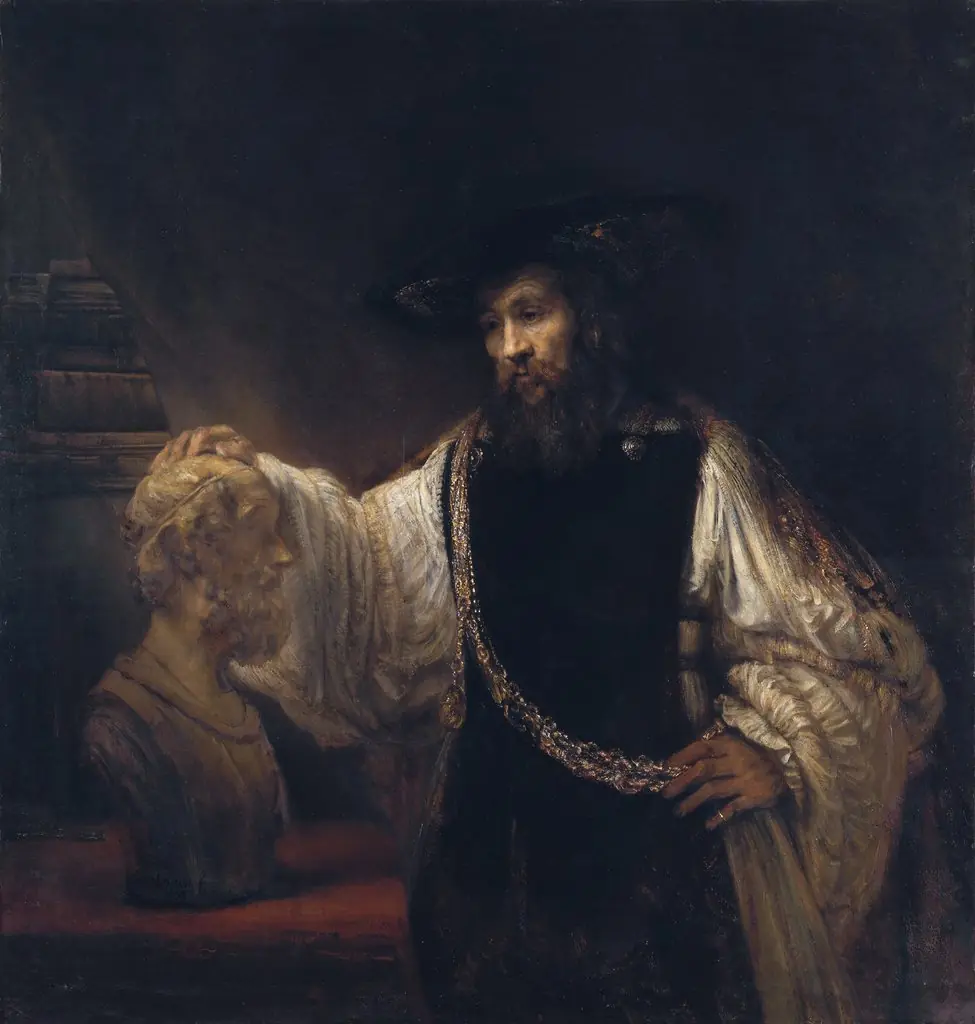
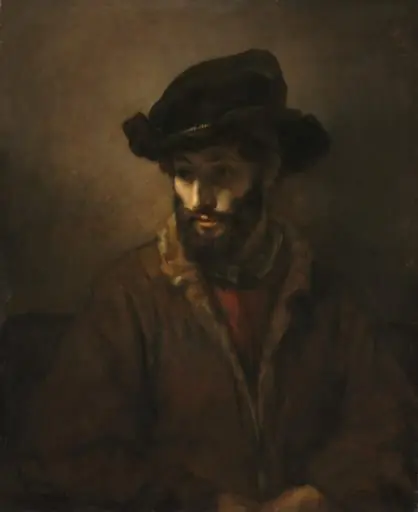
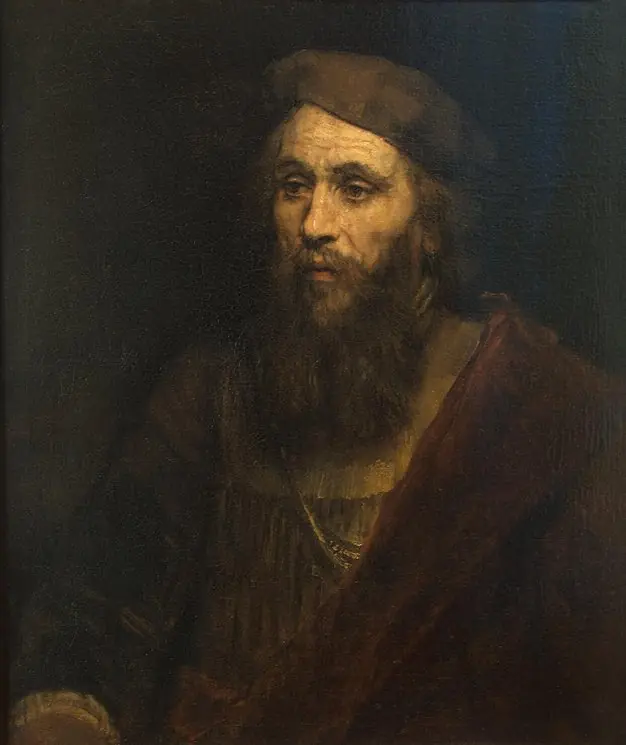
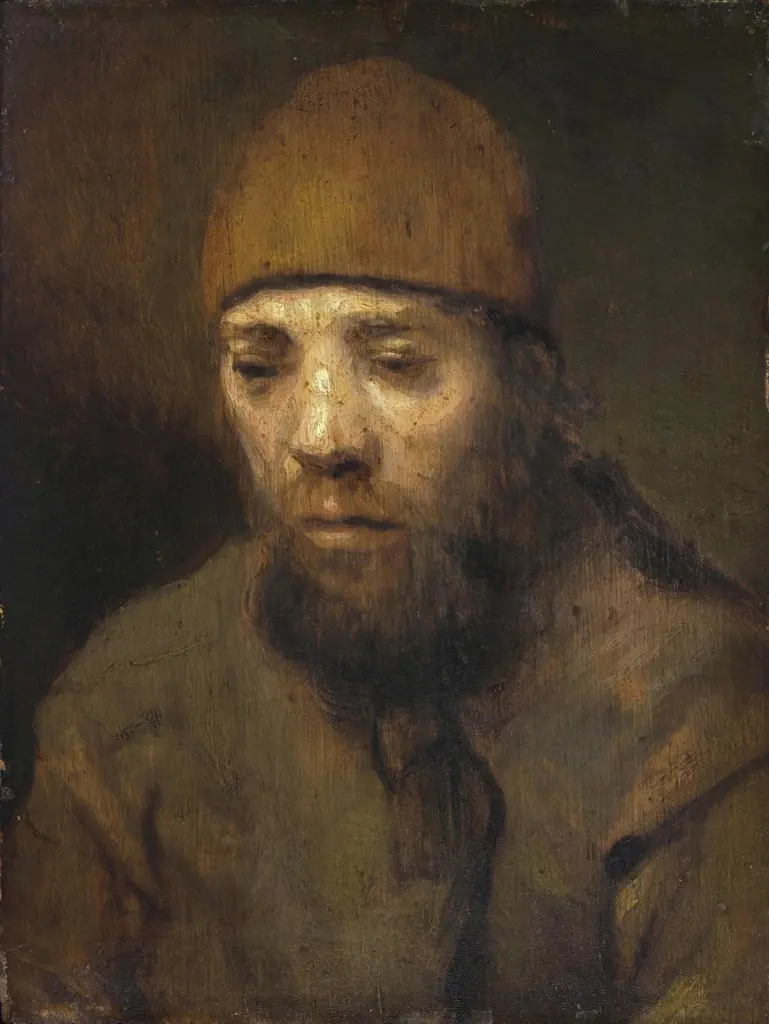
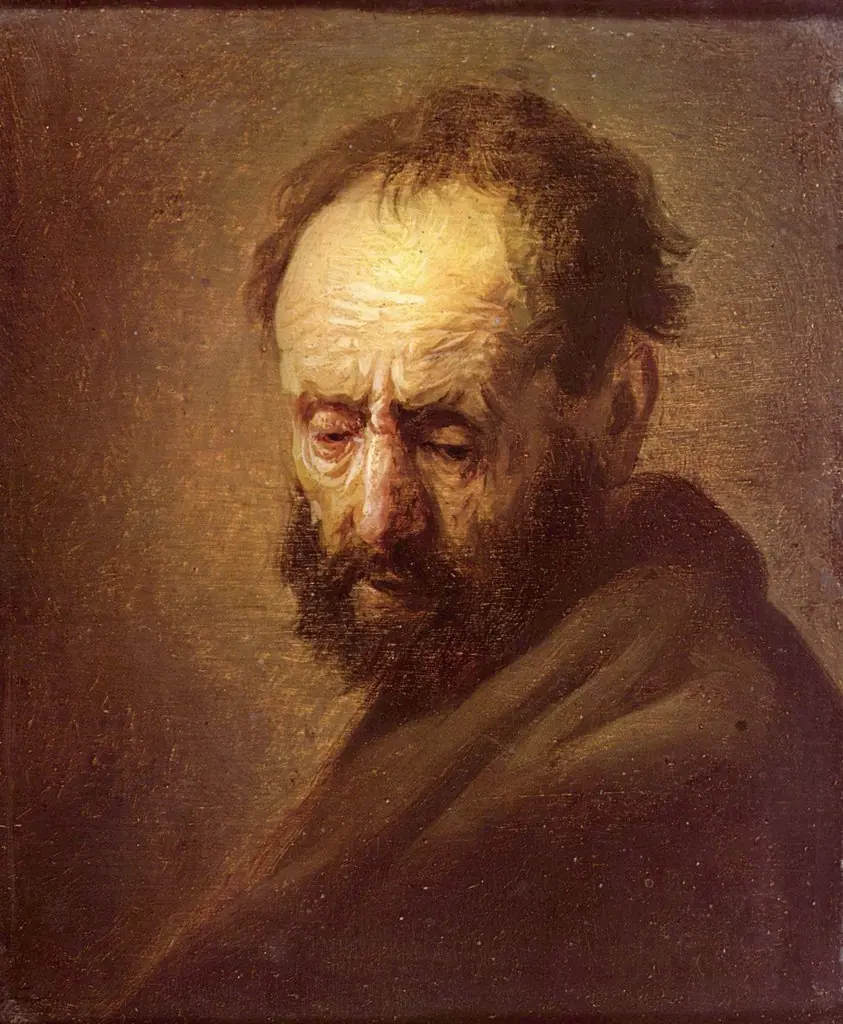
Man with a Beard is an oil painting by the Dutch Golden Age artist Rembrandt. It dates from 1657 and is held in the collection of the Gemäldegalerie Berlin.
About this work
Overview
It belongs to a series of intimate, unidealized portraits he produced during his middle years, focusing on individual character rather than social status.
Painted in 1657, this oil portrait is attributed to Rembrandt van Rijn, a central artist of the Dutch Golden Age. It belongs to a series of intimate, unidealized portraits he produced during his middle years, focusing on individual character rather than social status. The work is part of the Gemäldegalerie Berlin’s collection, where it is displayed as an example of his mature style and psychological depth.
Subject & Meaning
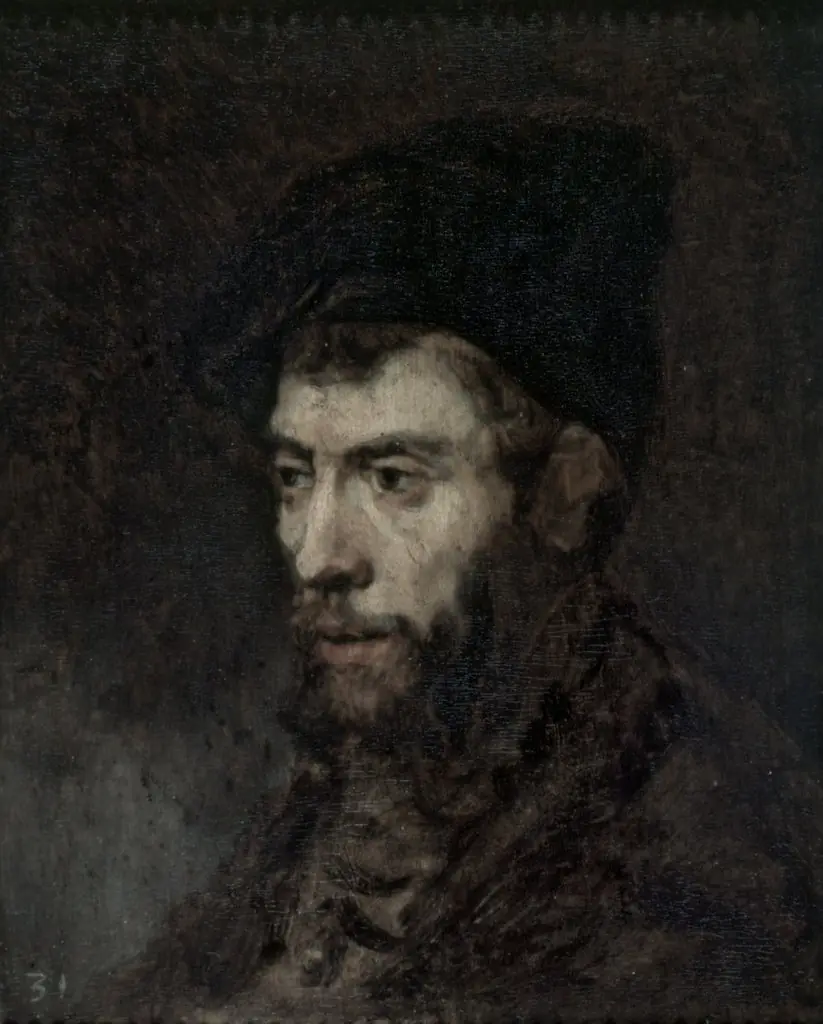
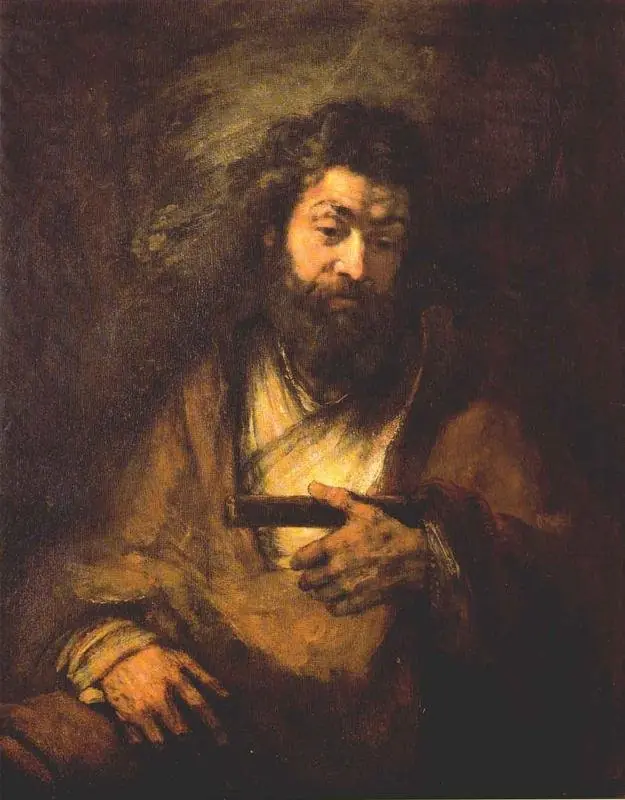
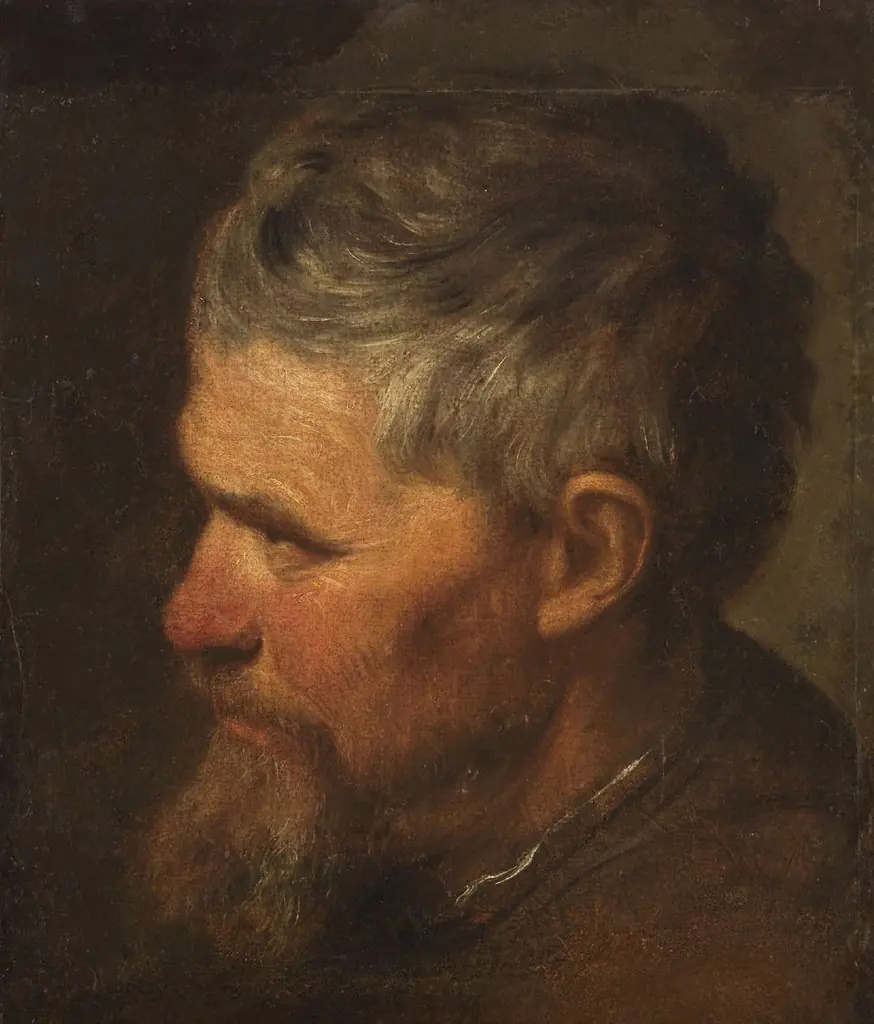
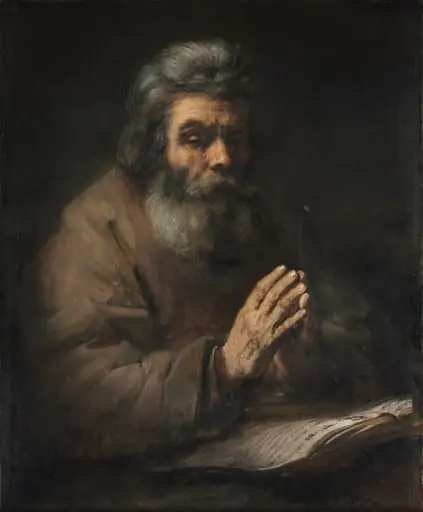
The subject is an unnamed man with a full, dark beard and curly hair, gazing directly at the viewer. His plain collar and neutral expression suggest a non-noble, possibly middle-class identity. Rembrandt’s choice to depict such a figure without adornment reflects a broader interest in human presence over status symbols, emphasizing inner life through quiet observation rather than narrative context.
Technique & Style
Rembrandt employed thick, expressive brushwork, particularly in the beard and hair, where strokes are layered and textured to suggest volume and movement. The background is rendered in near-abstract darkness, isolating the face. Strong chiaroscuro contrasts—light falling unevenly across the forehead and cheek—heighten the three-dimensionality of the features, a hallmark of his mature technique.
History & Provenance
The painting entered the Gemäldegalerie Berlin’s collection in the 19th century, likely through acquisitions from private German collections. Its attribution to Rembrandt has been consistently supported by stylistic analysis and technical examination, though its original commission remains undocumented. It has been exhibited regularly since its acquisition, contributing to scholarly understanding of his portrait practice.
Context
In mid-17th century Amsterdam, portraiture flourished beyond aristocratic commissions to include merchants, scholars, and other civic figures. Rembrandt responded to this demand by creating psychologically nuanced studies that diverged from idealized conventions. This work aligns with his shift toward more introspective subjects, reflecting broader cultural values of individuality and quiet dignity.
Legacy
The painting exemplifies Rembrandt’s enduring influence on the portrayal of human character through light and texture. Its unembellished realism and emotional resonance have informed generations of artists seeking authenticity over ornament. Though not widely reproduced, it remains a key reference in studies of Dutch portraiture and the evolution of expressive brushwork.
Artist & collection
Artist
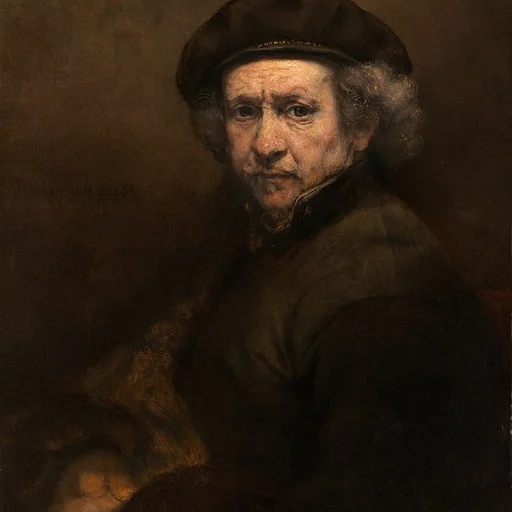
Rembrandt Harmenszoon van Rijn (15 July 1606 – 4 October 1669), known mononymously as Rembrandt, was a Dutch Golden Age painter, printmaker, and draughtsman.