Artwork
Portrait of a Bearded Man in a Wide-Brimmed Hat, probably Pieter Seijen (1592-1652)
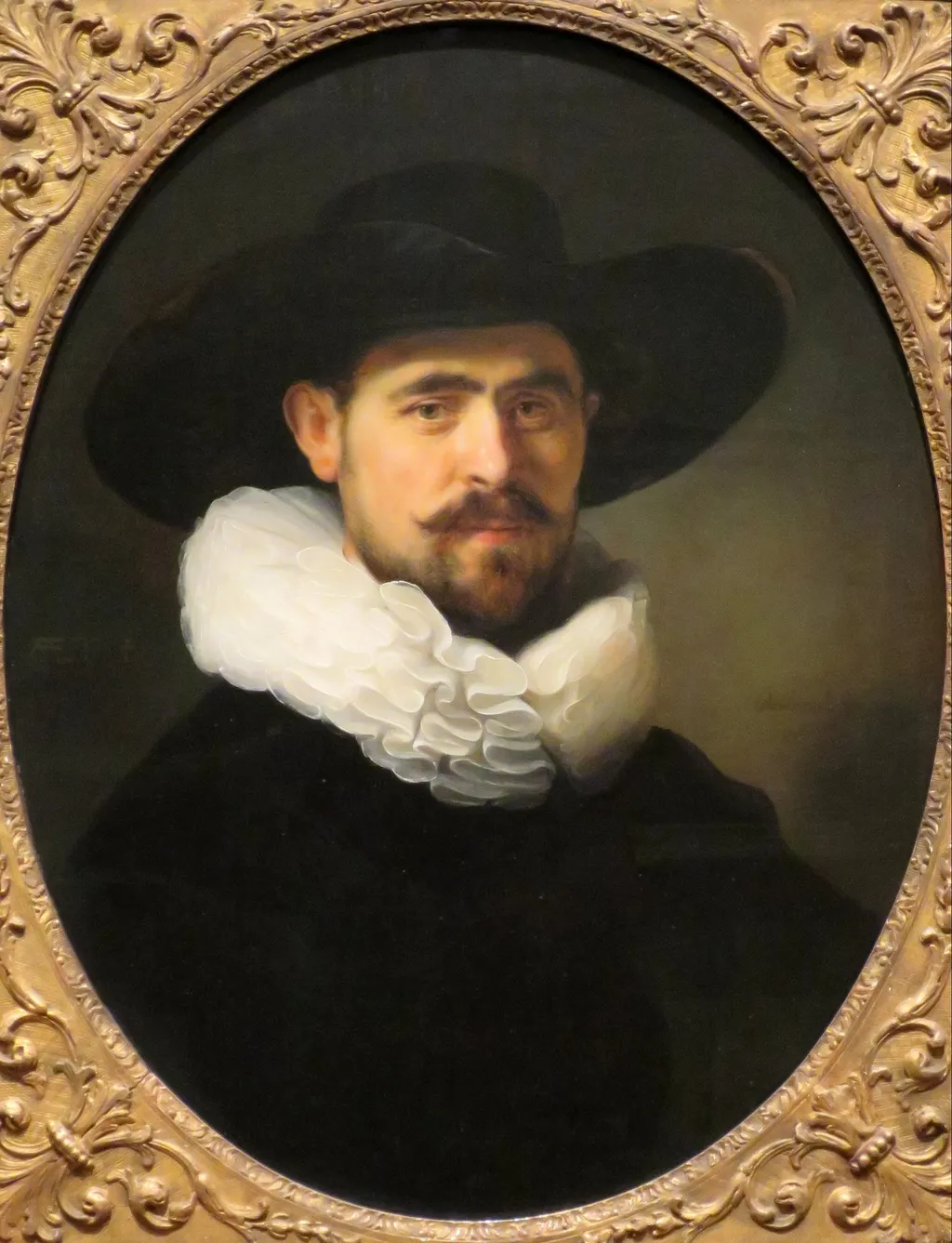
Portrait of a Bearded Man in a Wide-Brimmed Hat, probably Pieter Seijen (1592-1652) is an oil painting by the Dutch Golden Age artist Rembrandt. It dates from 1633 and is held in the collection of the Norton Simon Museum.
About this work
Overview
Painted in 1633, this oil portrait is attributed to Rembrandt van Rijn and likely depicts Pieter Seijen, a Dutch merchant and civic official.
Painted in 1633, this oil portrait is attributed to Rembrandt van Rijn and likely depicts Pieter Seijen, a Dutch merchant and civic official. The work exemplifies Rembrandt’s mature phase, where psychological depth and controlled lighting define his portraiture. It resides in the Norton Simon Museum’s collection, part of a broader body of Dutch Golden Age likenesses that prioritize inner character over superficial elegance.
Subject & Meaning
The sitter, bearded and clad in dark clothing, wears a broad hat and a crisp white collar, suggesting civic or professional status. His direct gaze and contemplative expression convey quiet introspection rather than performative grandeur. The absence of symbolic objects or elaborate settings shifts focus to the individual’s presence, reflecting a shift in portraiture toward personal authenticity over social display.
Technique & Style
Rembrandt employs chiaroscuro to model the face and collar against a deep, unbroken background, enhancing three-dimensionality. Brushwork varies—fine strokes define the ruffle and beard, while broader, looser applications suggest fabric and shadow. The dark tones amplify the luminosity of skin and linen, creating a tactile contrast that grounds the figure in physical reality without theatricality.
History & Provenance
The painting entered the Norton Simon Museum’s collection through its predecessor institutions, with attribution to Rembrandt established by early 20th-century scholars. While the identity of the sitter as Pieter Seijen is plausible based on archival records, it remains tentative. The work has been consistently recognized as an authentic early 1630s Rembrandt, with no evidence of significant alteration or restoration.
Context
Created during Rembrandt’s Leiden and Amsterdam years, the portrait aligns with a period when Dutch patrons increasingly favored intimate, unidealized likenesses. Unlike courtly portraits elsewhere in Europe, these works emphasized individuality and moral gravity. The subdued palette and restrained composition reflect broader cultural values of modesty and self-possession among the urban elite.
Legacy
This portrait exemplifies Rembrandt’s influence on the evolution of Western portraiture, shifting emphasis from status to psychological presence. Its quiet intensity inspired later realist painters and continues to inform how inner life is rendered through light and gesture. Though not widely exhibited, it remains a touchstone in studies of 17th-century Dutch visual culture.
Artist & collection
Artist
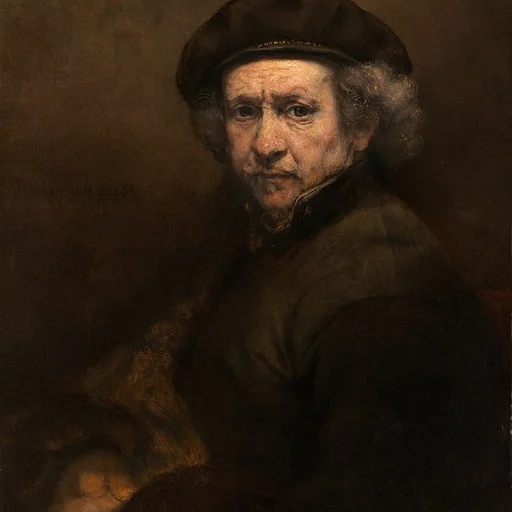
Rembrandt Harmenszoon van Rijn (15 July 1606 – 4 October 1669), known mononymously as Rembrandt, was a Dutch Golden Age painter, printmaker, and draughtsman.

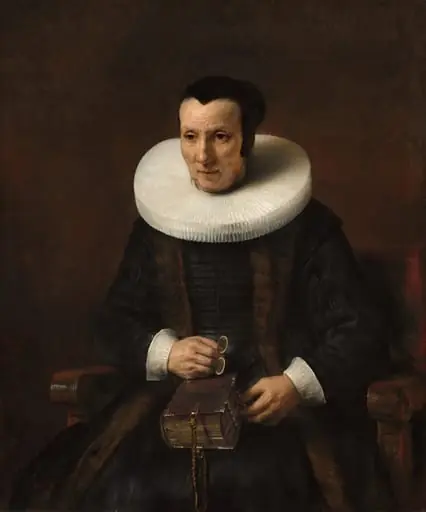
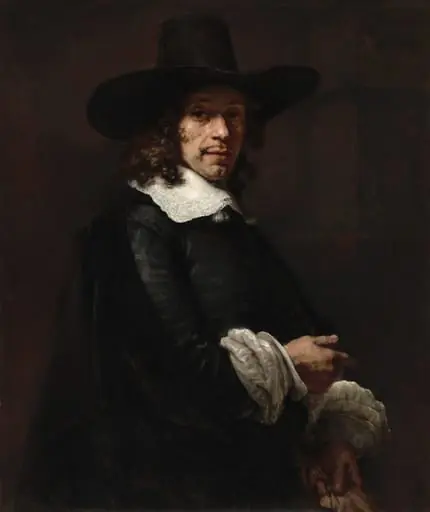
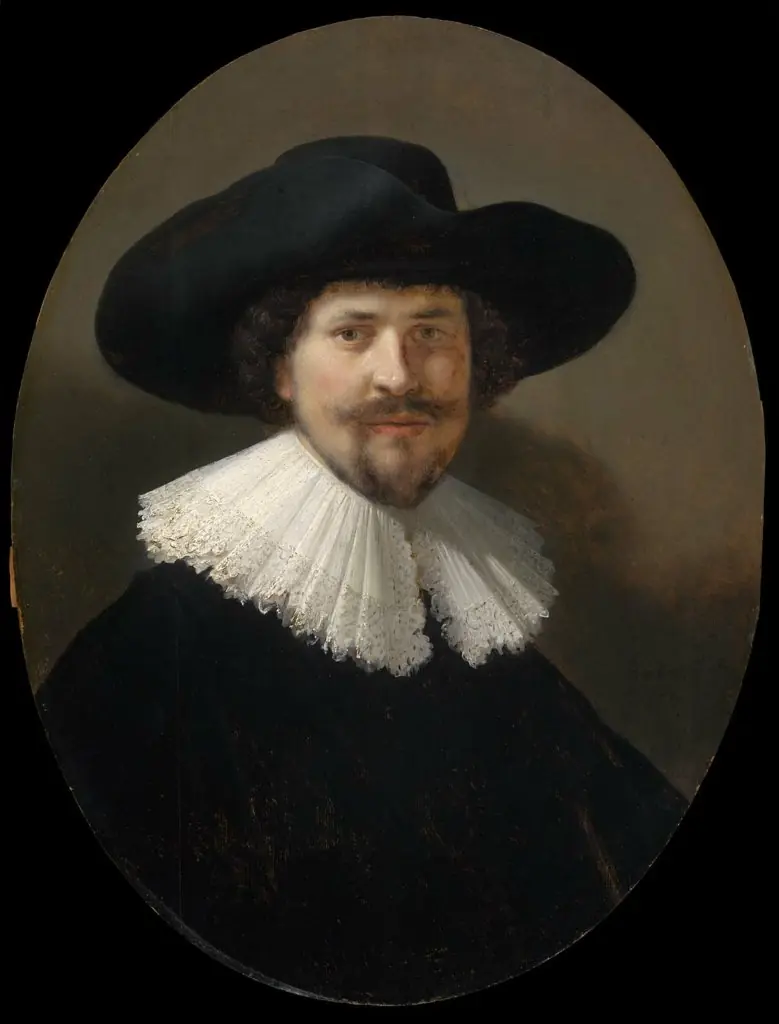 Portrait of a Man Wearing a Black Hat
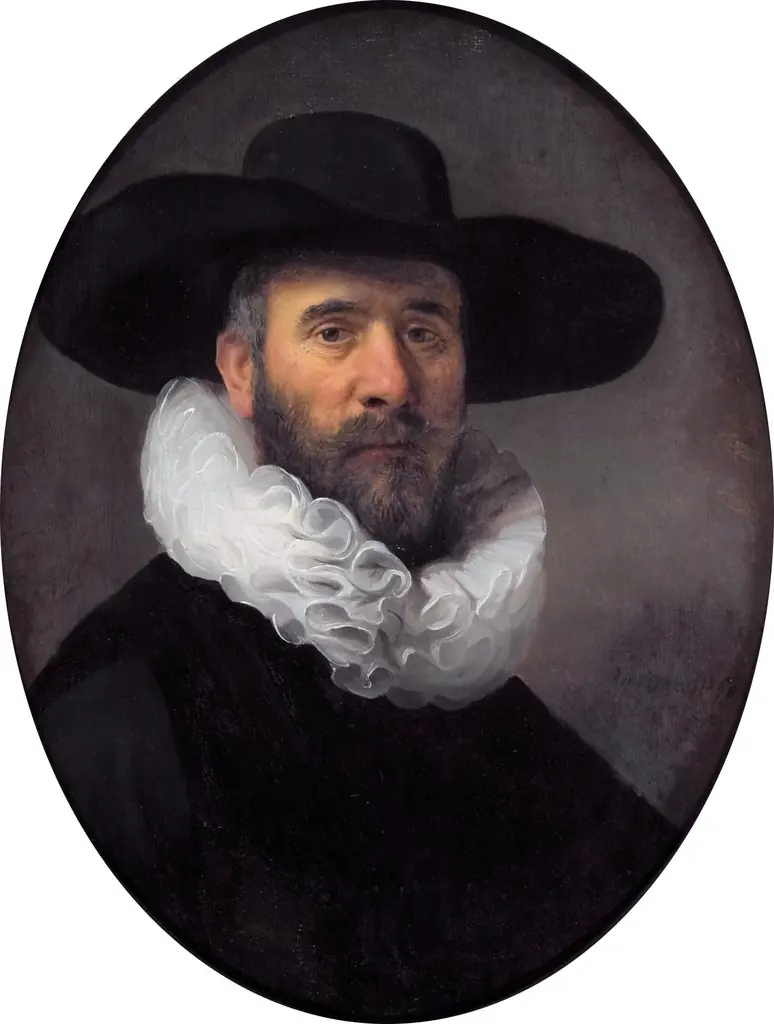 Portrait of Dirck Jansz. Pesser
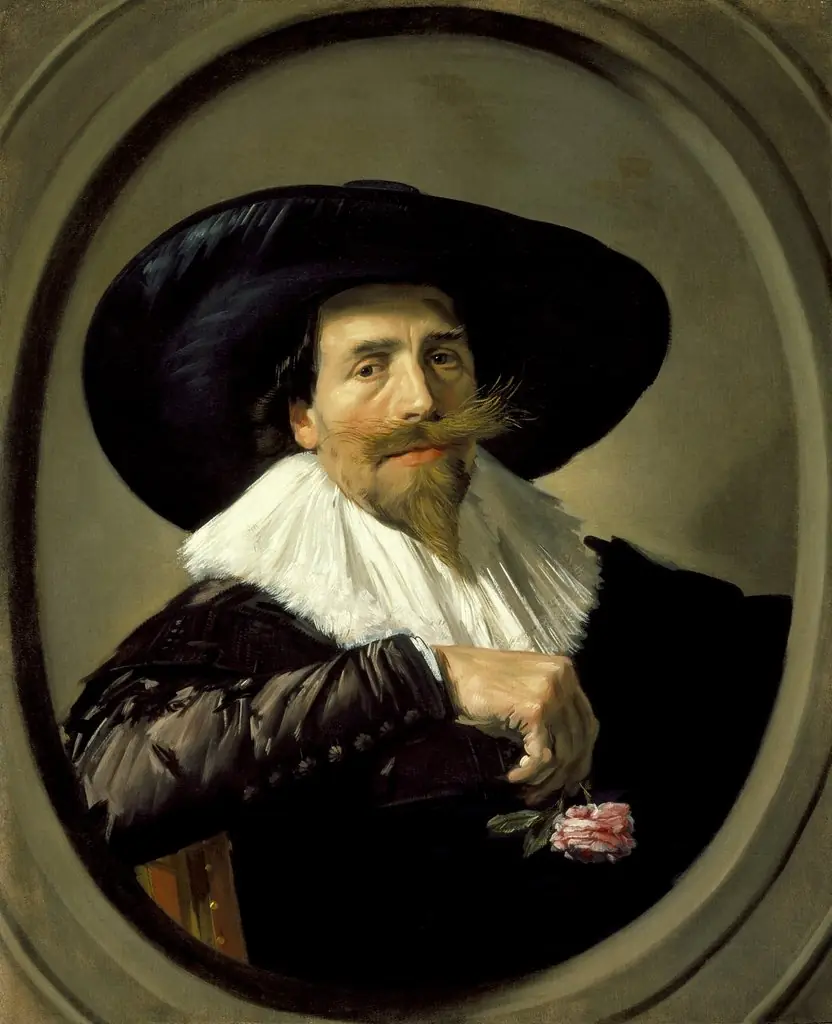 Portrait of Pieter Tjarck
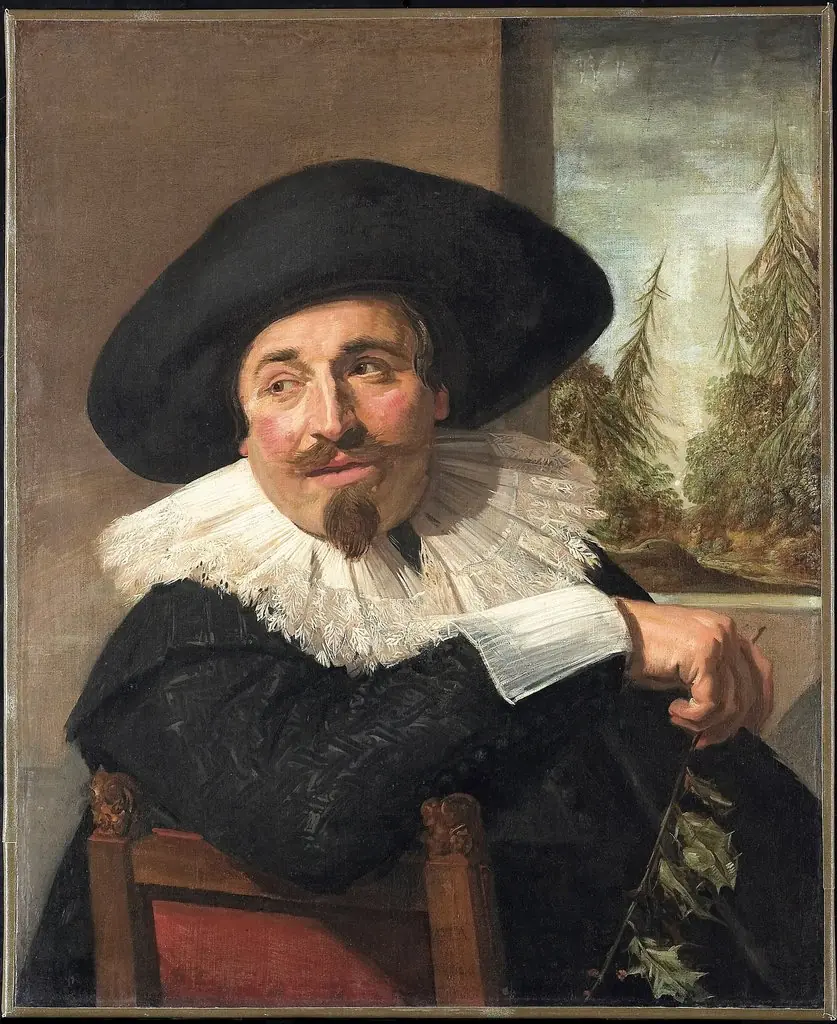 Portrait of Isaak Abrahamsz. Massa
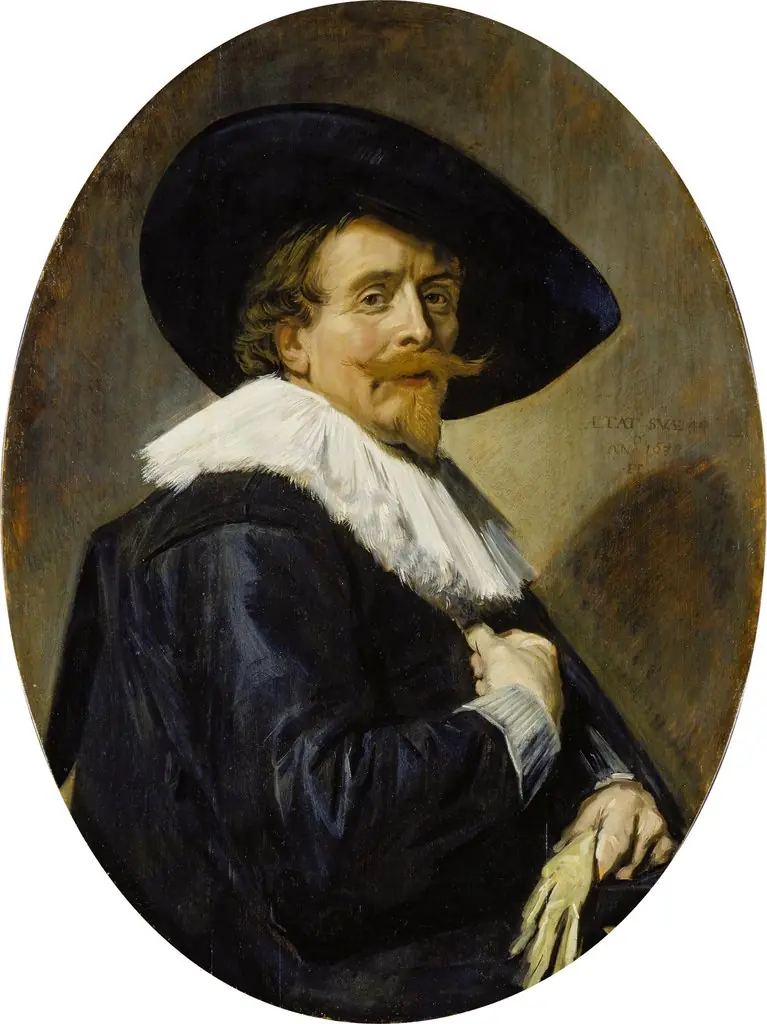 Portrait of a man aged 34
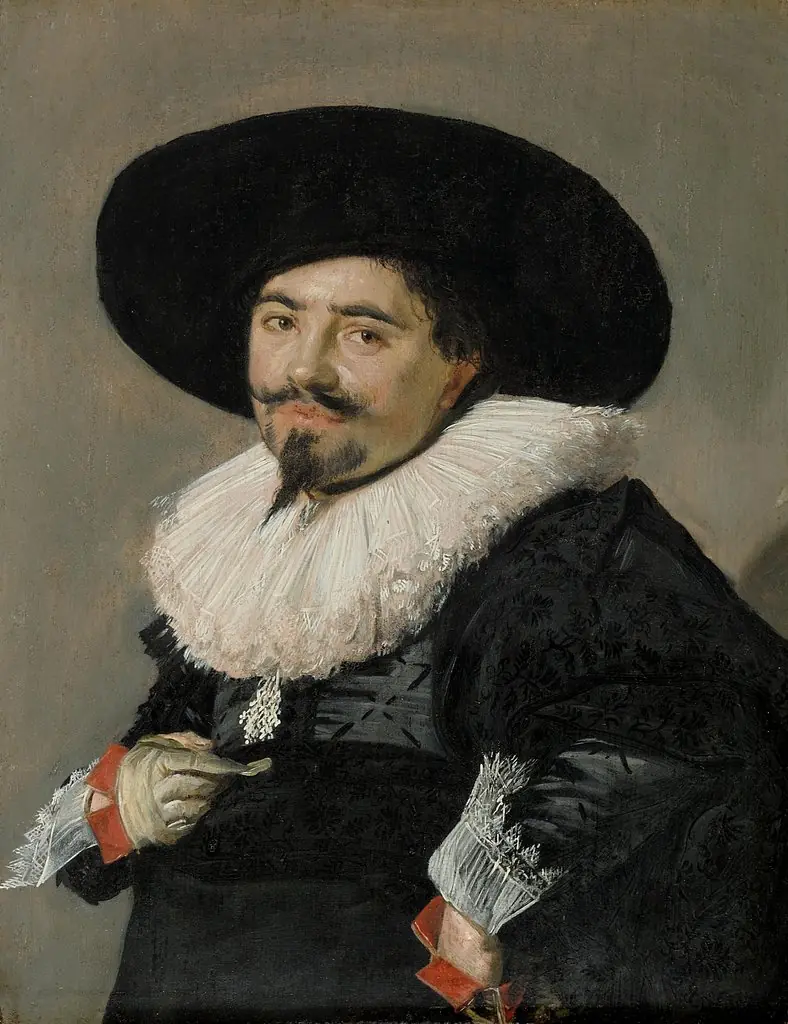 Portrait of a man, possibly Palamedes
 Autoportret
 Portrait of a Man, probably Hans van Hogendorp
 Peter Paul Rubensin omakuva, kopio
 Portrait of a gentleman