Artwork
Self-portrait
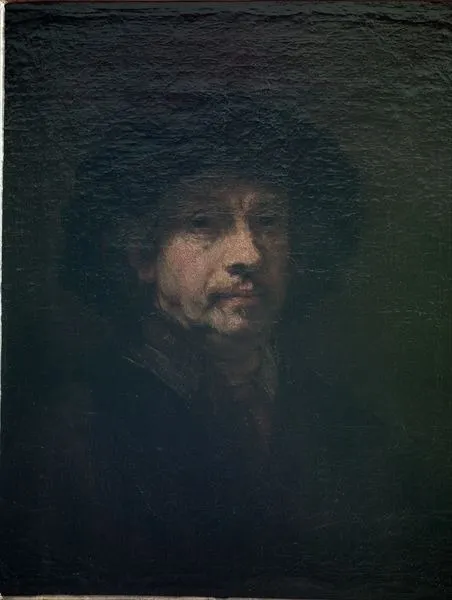
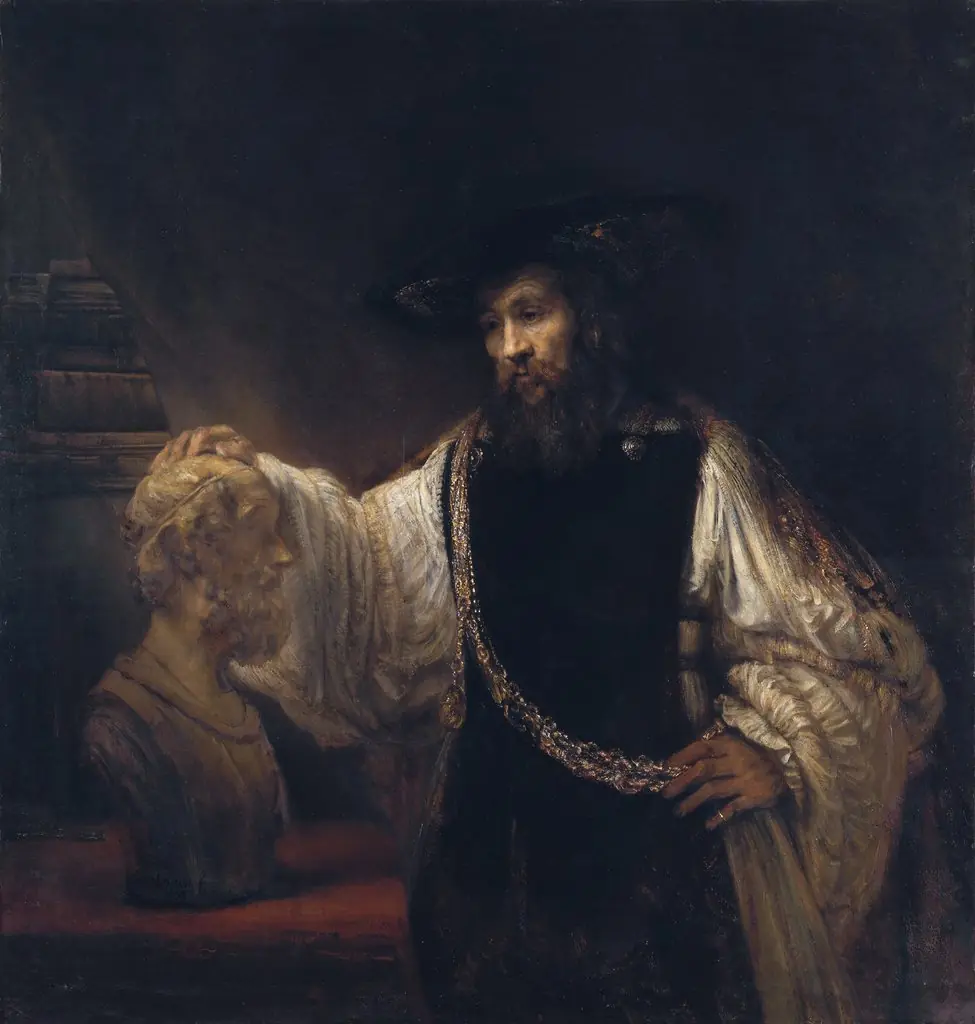
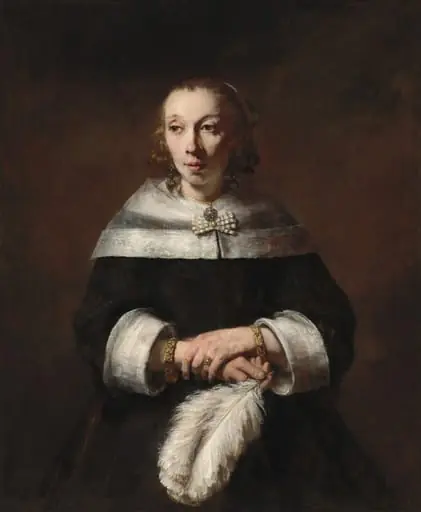
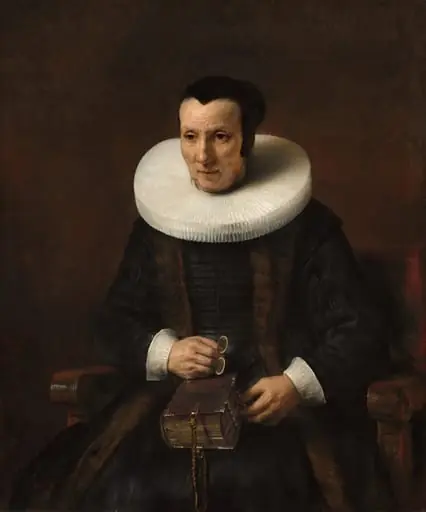
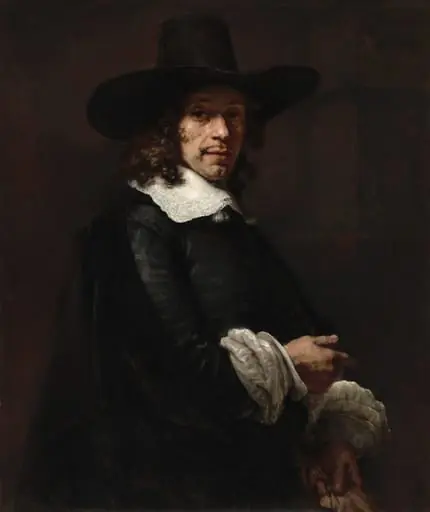
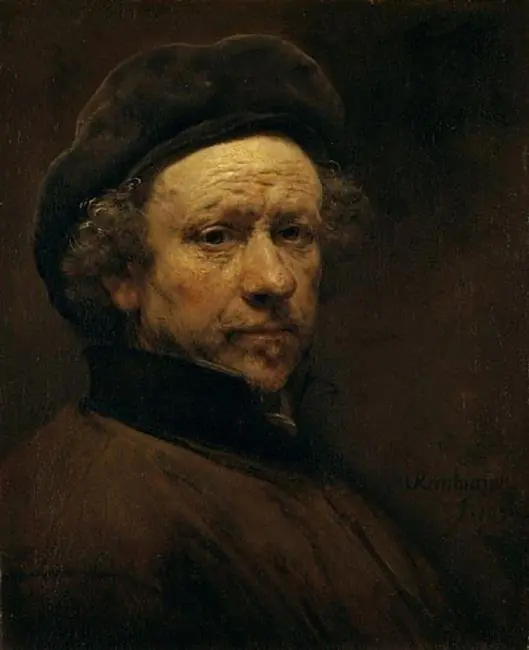
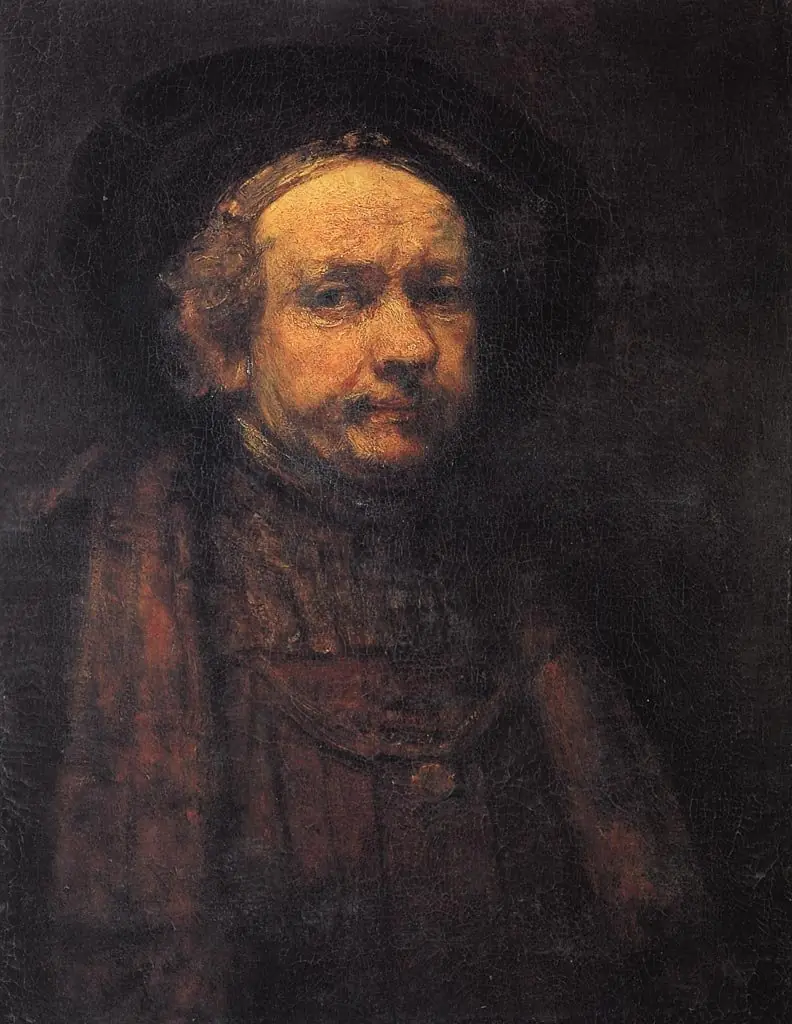
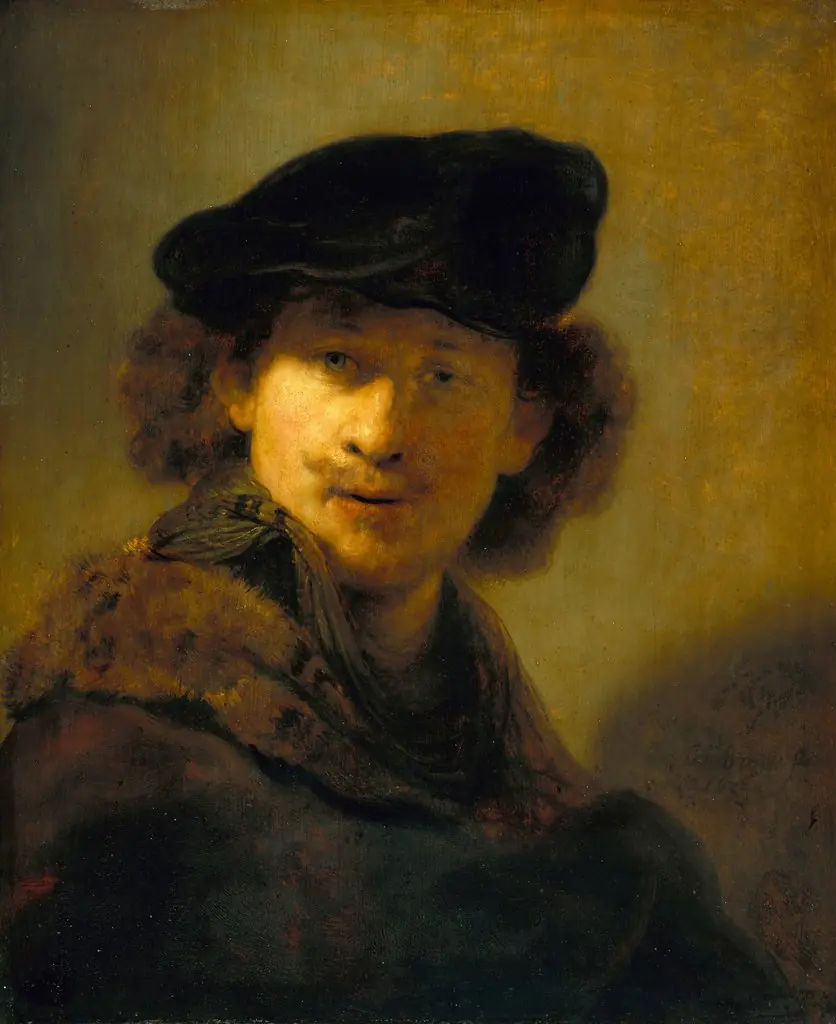
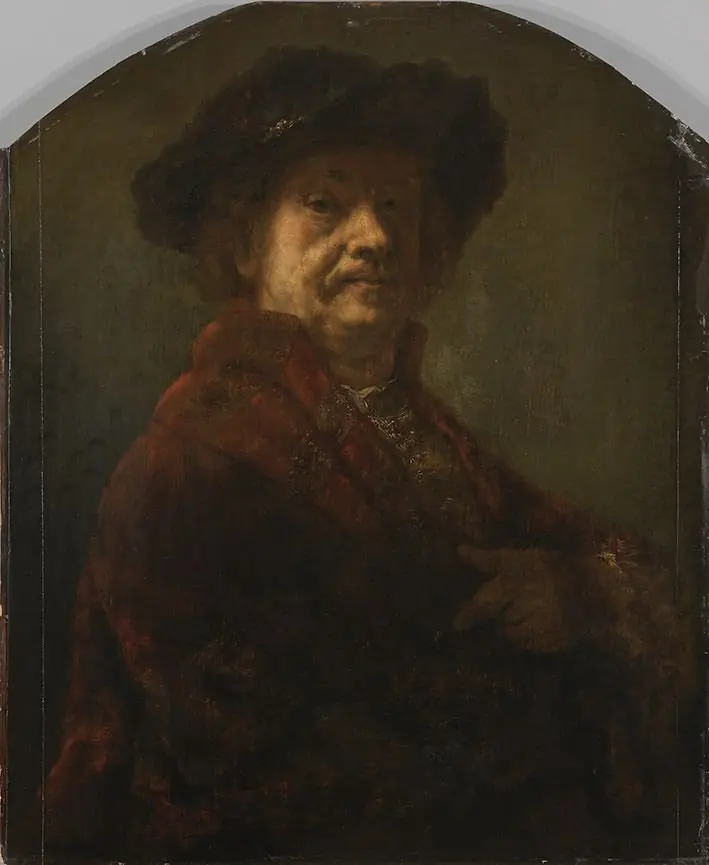
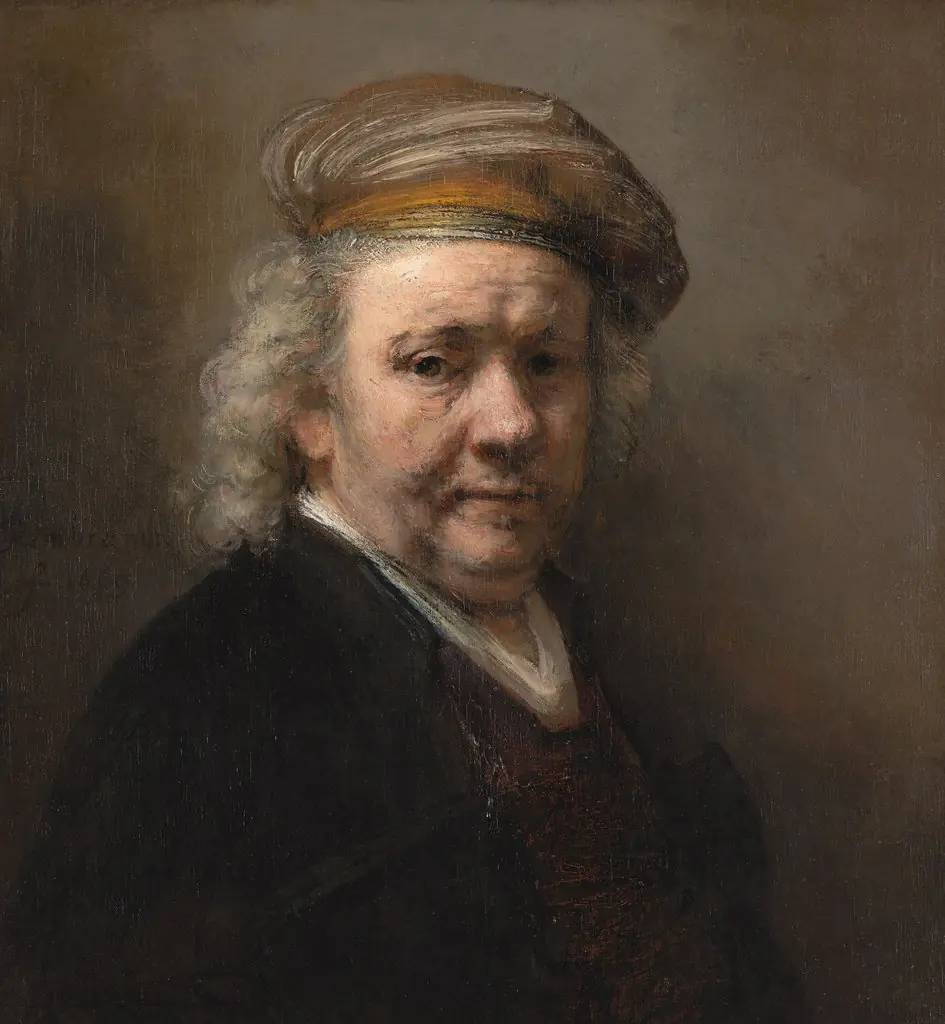
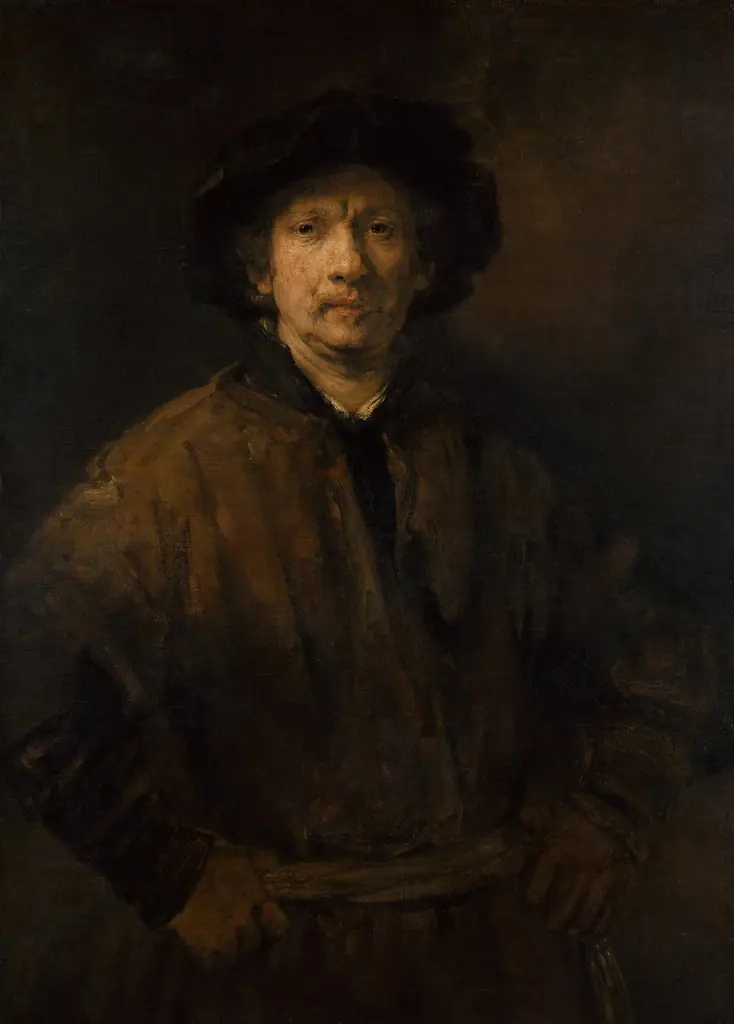
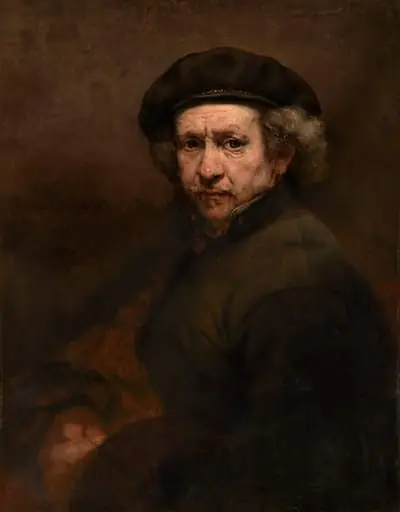
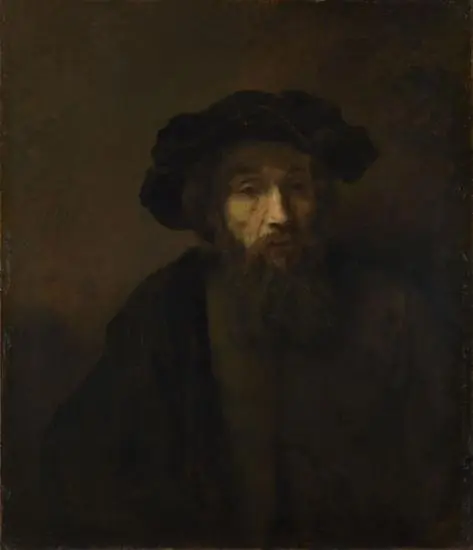
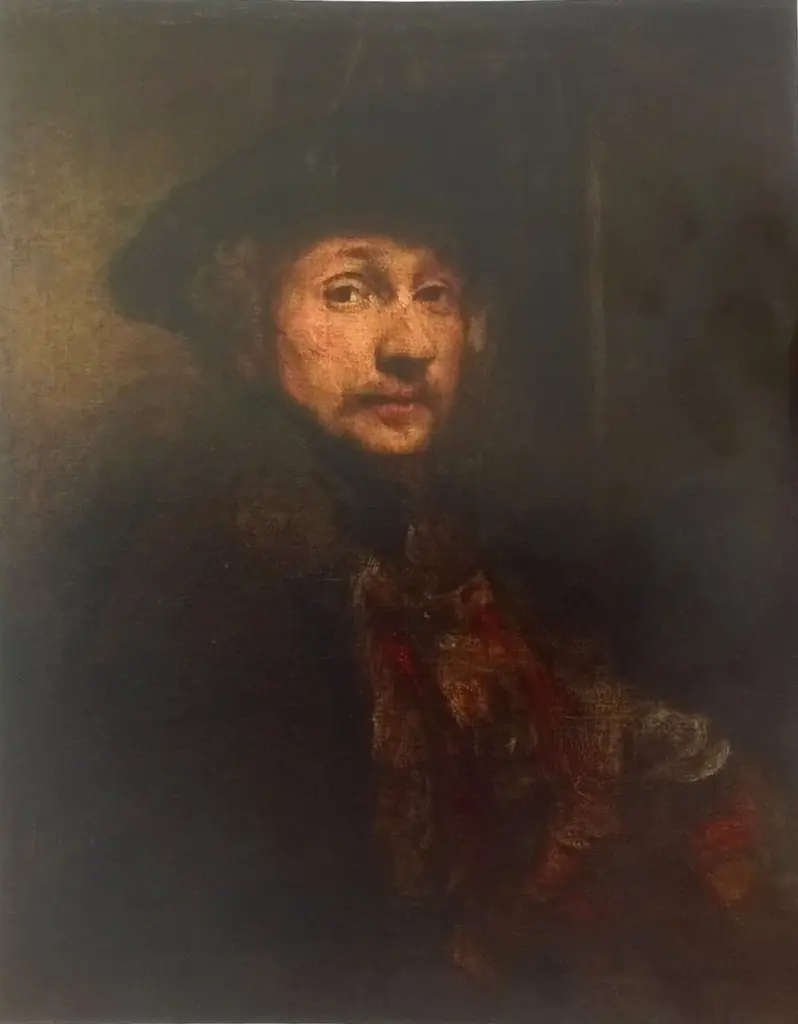
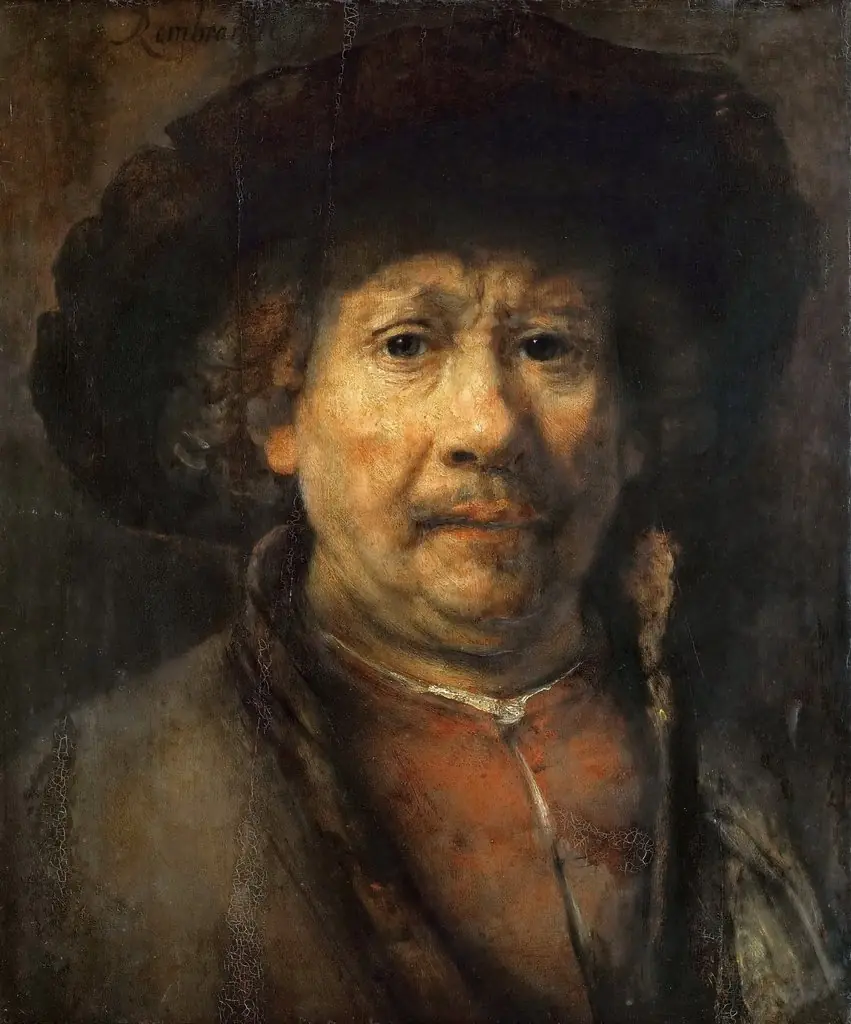
Self-portrait is an oil painting by the Dutch Golden Age artist Rembrandt. It dates from 1655 and is held in the collection of the Uffizi Gallery.
About this work
Overview
Created in 1655, this oil painting is one of the many self‑depictions produced by the Dutch artist Rembrandt van Rijn during the later stage of his career. The canvas measures a modest size and is presently displayed in the Uffizi Gallery, where it forms part of the museum’s collection of 17th‑century European art.
Subject & Meaning
The work shows a middle‑aged man with dark, tightly curled hair and a full beard, dressed in a somber jacket. He gazes straight ahead, his expression neutral, inviting viewers to consider the artist’s inner life. The subdued pose and lack of overt symbolism suggest a moment of personal reflection rather than a narrative scene.
Technique & Style
Rembrandt employs his characteristic chiaroscuro, allowing light to fall on the face while the surrounding space recedes into deep shadow. This contrast creates a three‑dimensional presence, emphasizing the texture of skin and fabric. The brushwork is loose in the background yet precise around the facial features, illustrating the master’s balance between realism and atmospheric suggestion.
History & Provenance
After remaining in private hands for several decades, the portrait entered the Uffizi’s holdings in the 19th century as part of a broader acquisition of Dutch paintings. It has since been exhibited intermittently, contributing to scholarly understanding of Rembrandt’s prolific self‑portraiture series, which total roughly three hundred works across his lifetime.
Artist & collection
Artist
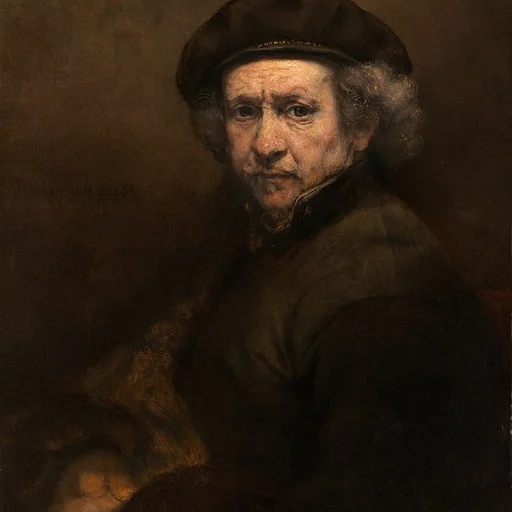
Rembrandt Harmenszoon van Rijn (15 July 1606 – 4 October 1669), known mononymously as Rembrandt, was a Dutch Golden Age painter, printmaker, and draughtsman.