Artwork
The Annunciation
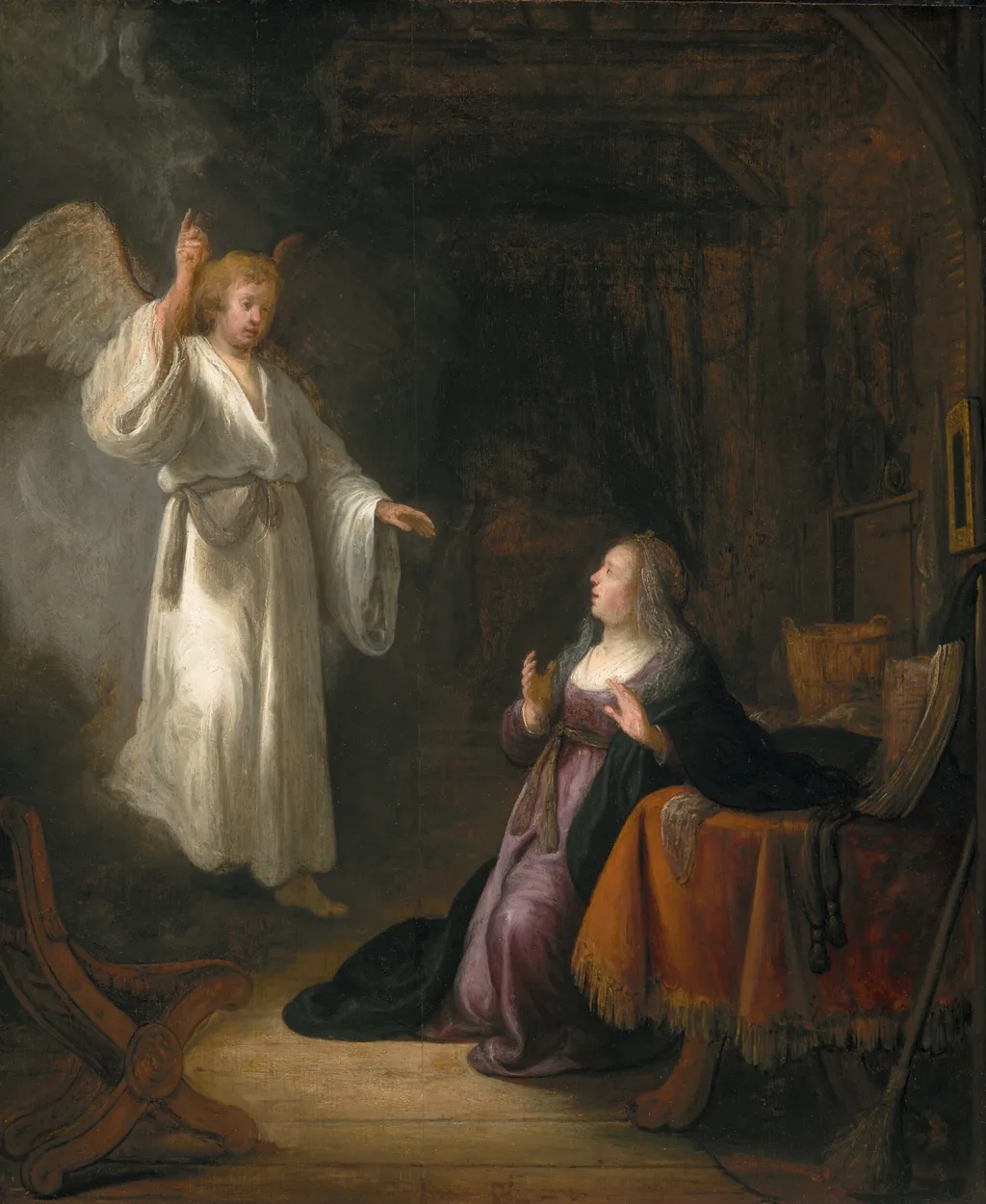
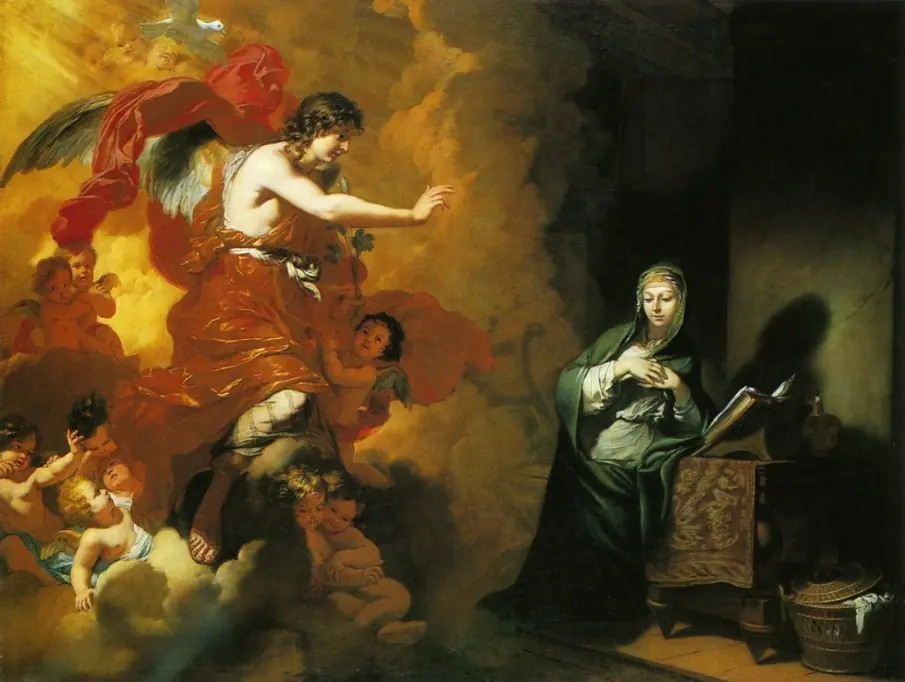
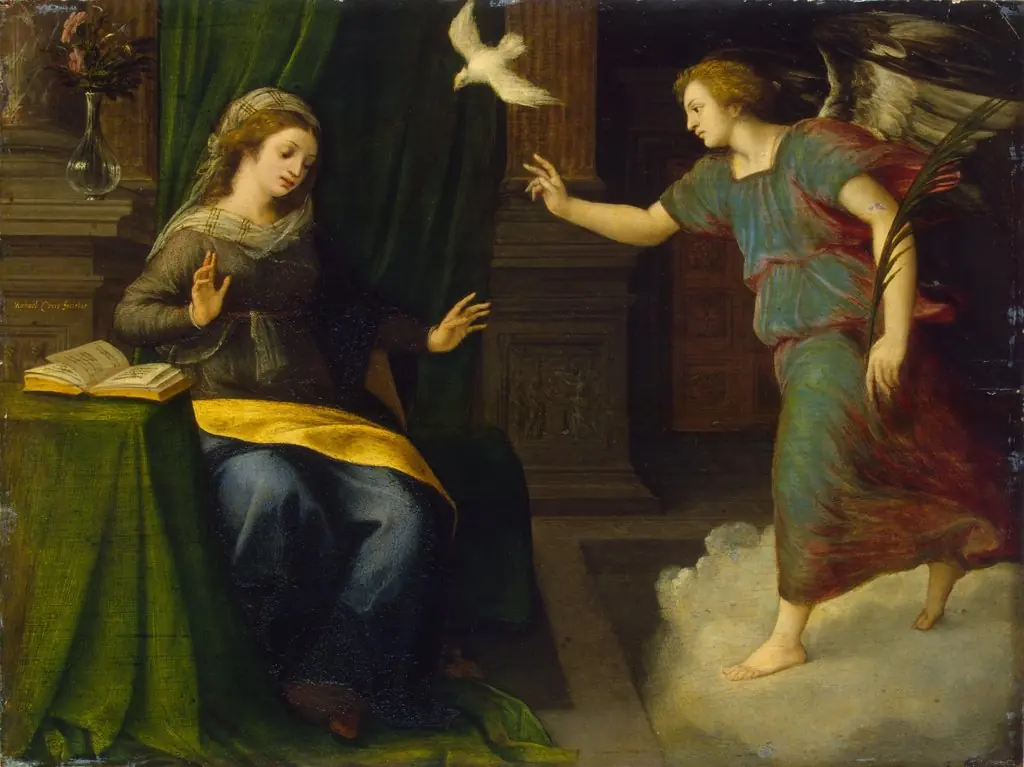
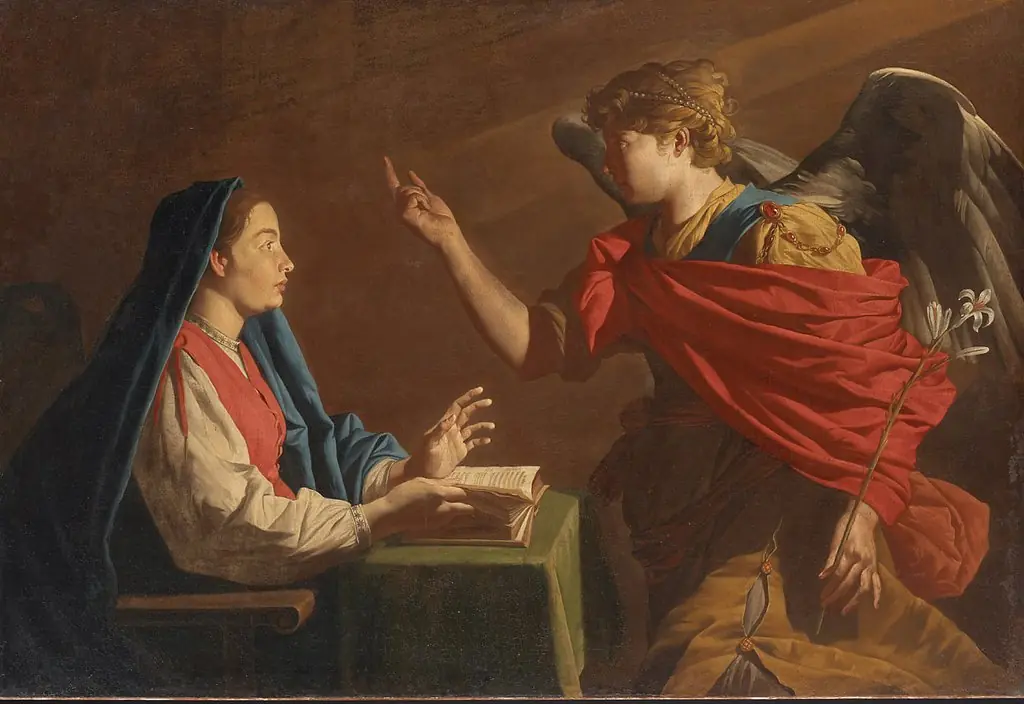
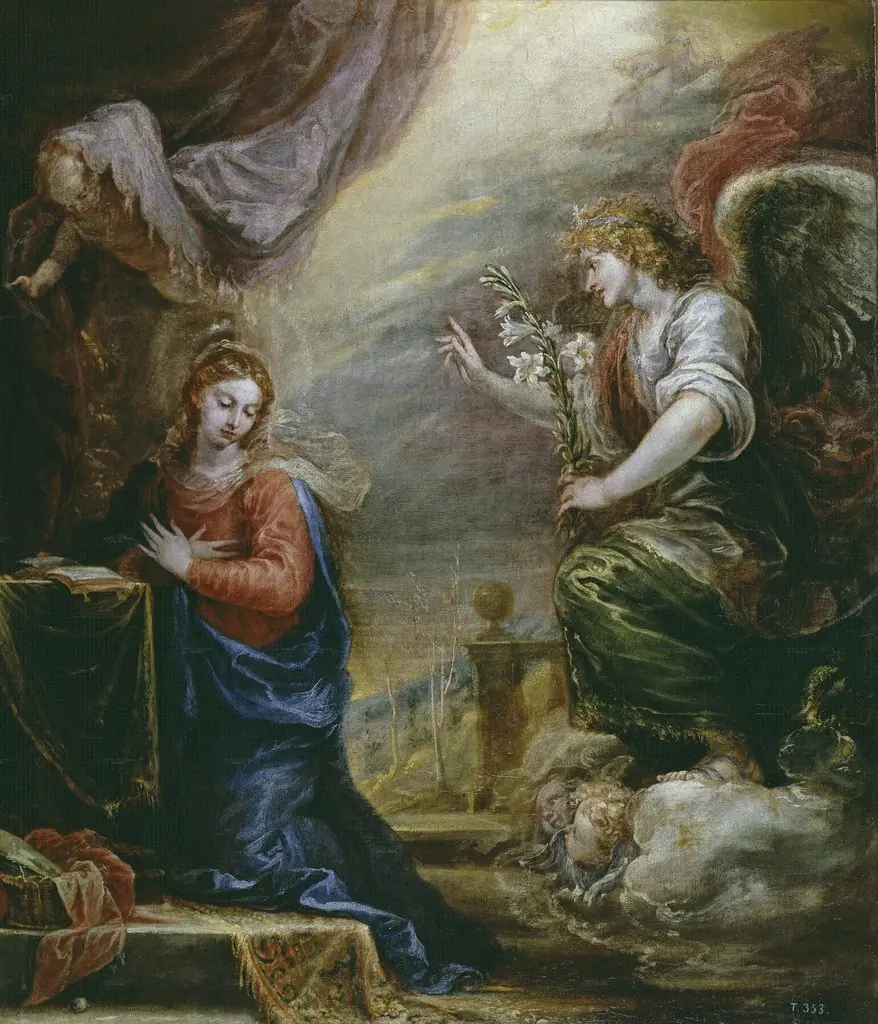
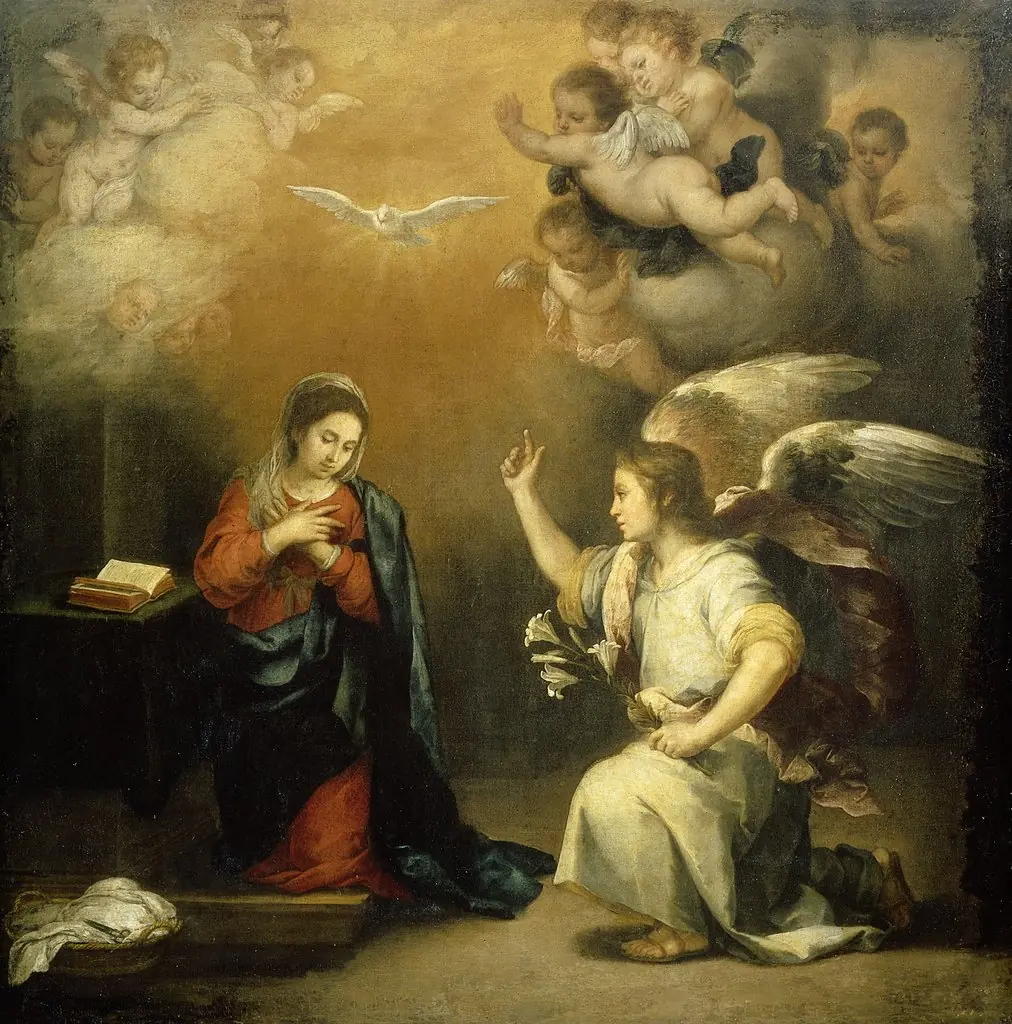
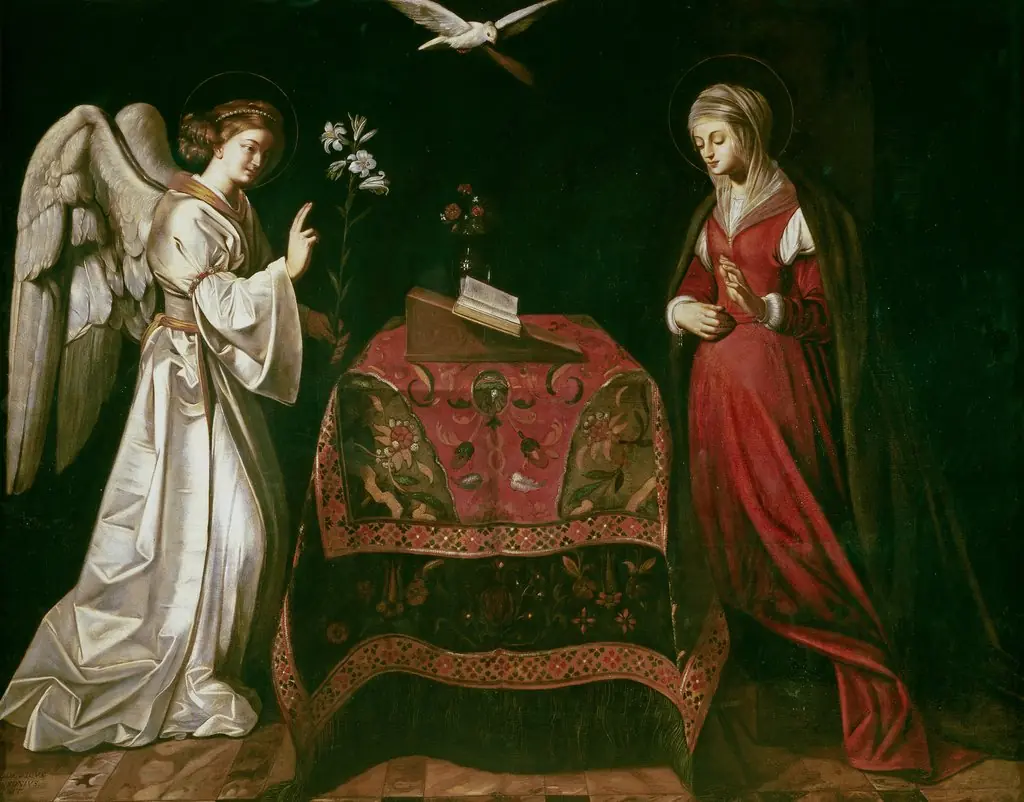
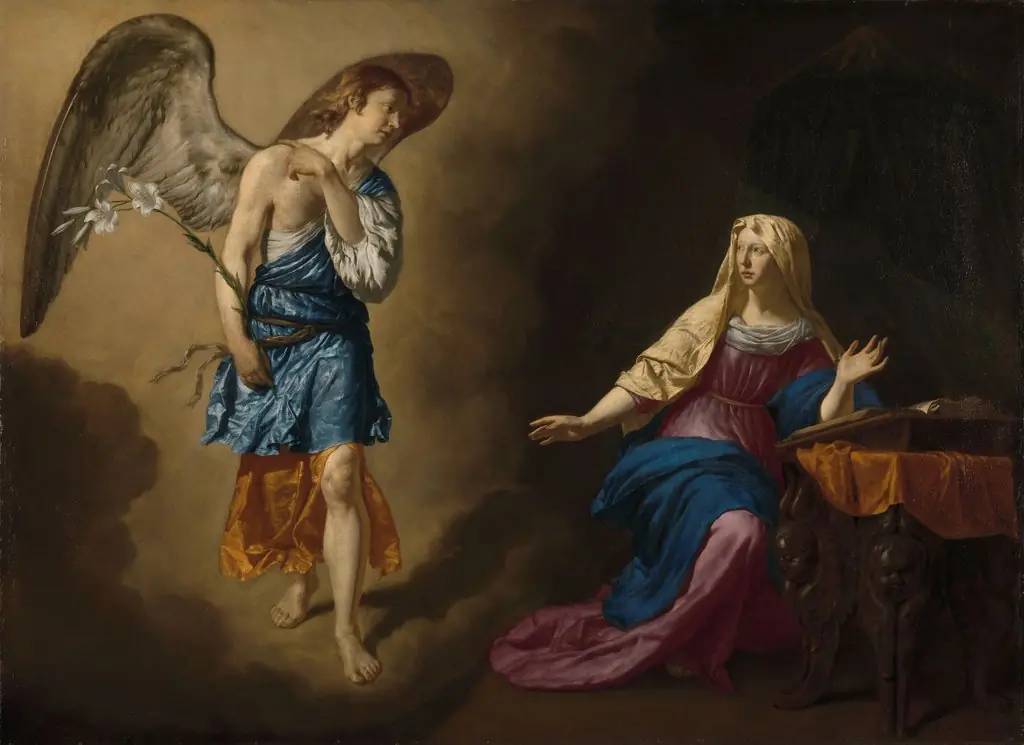
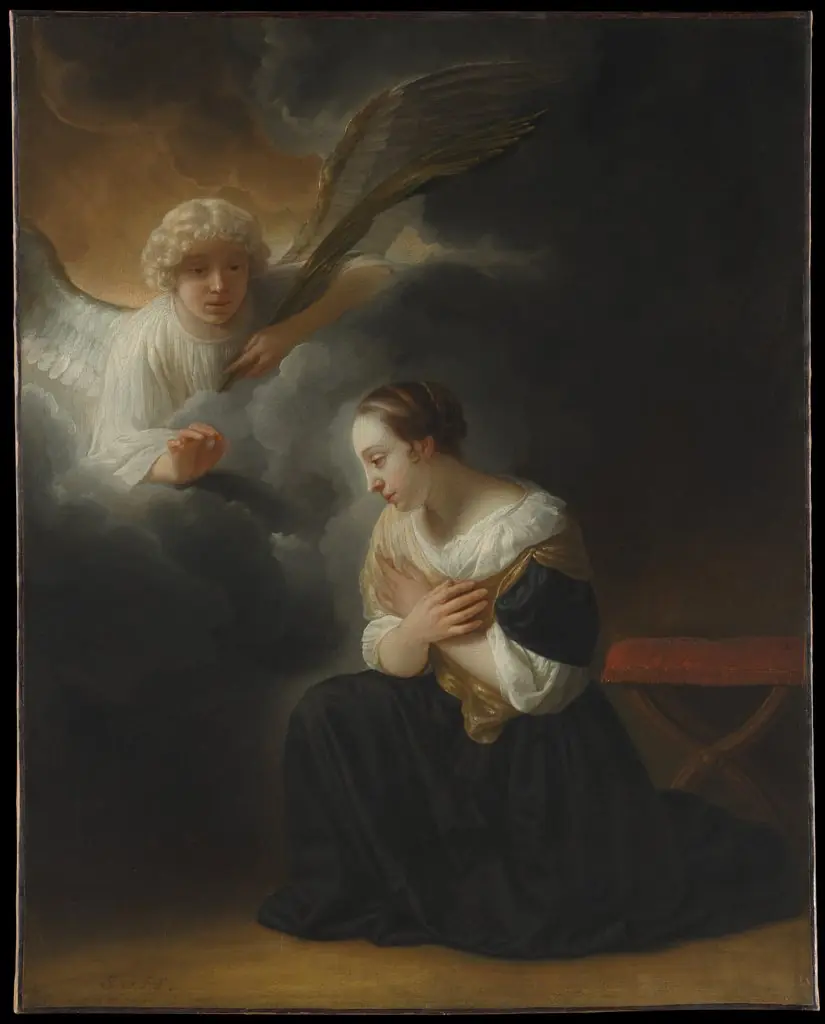
The Annunciation is an oil painting by Rembrandt. It dates from 1650 and is held in the collection of the Detroit Institute of Arts.
About this work
Overview
Rembrandt, prolific in painting, etching, and drawing, often explored intimate religious narratives with psychological depth rather than grand spectacle.
Painted around 1650, *The Annunciation* is an oil on panel work by Rembrandt van Rijn, reflecting his mature style during the Dutch Golden Age. It illustrates a biblical moment from the Gospel of Luke and is part of the Detroit Institute of Arts’ permanent collection. Rembrandt, prolific in painting, etching, and drawing, often explored intimate religious narratives with psychological depth rather than grand spectacle.
Subject & Meaning
The scene captures the moment the archangel Gabriel announces to the Virgin Mary that she will bear the Son of God. Mary, seated and bowed in quiet contemplation, responds with humility, her clasped hands and downcast gaze conveying inner reception rather than surprise. Gabriel, standing with outstretched wings, delivers the divine message with restrained gesture. The composition emphasizes spiritual surrender over theatrical revelation.
Technique & Style
Rembrandt employs chiaroscuro to isolate the figures against a deep, shadowed background, using a single light source from the left to model their forms with subtle gradations. The angel’s luminous robe contrasts with Mary’s dark, textured garments, enhancing their symbolic roles. Brushwork varies—soft for skin and fabric, sharper for the angel’s feathers—creating tactile realism while maintaining emotional stillness.
History & Provenance
The painting entered the Detroit Institute of Arts’ collection in the early 20th century, acquired through private donations. Its earlier ownership history is not fully documented, but it aligns with Rembrandt’s known output from the 1640s–1650s, a period when he increasingly favored intimate, emotionally charged religious subjects over large-scale commissions.
Context
In mid-17th century Amsterdam, religious imagery remained significant despite the Protestant Reformation’s influence. Rembrandt’s approach avoided overt Catholic iconography, instead focusing on personal devotion and inner revelation. His Annunciation reflects a broader trend among Dutch artists to render sacred stories with psychological nuance and domestic realism.
Legacy
This work exemplifies Rembrandt’s enduring ability to convey divine encounter through human stillness. While not widely exhibited, it has influenced scholarly discussions on how Dutch painters reimagined biblical narratives without grandeur. Its quiet intensity continues to inform interpretations of spiritual representation in early modern art.
Own this work as a print
Artist & collection
Artist
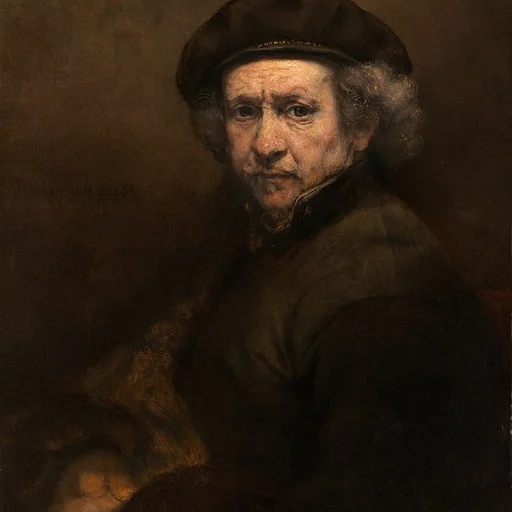
Rembrandt Harmenszoon van Rijn (15 July 1606 – 4 October 1669), known mononymously as Rembrandt, was a Dutch Golden Age painter, printmaker, and draughtsman.