Artwork
The Finding of Moses
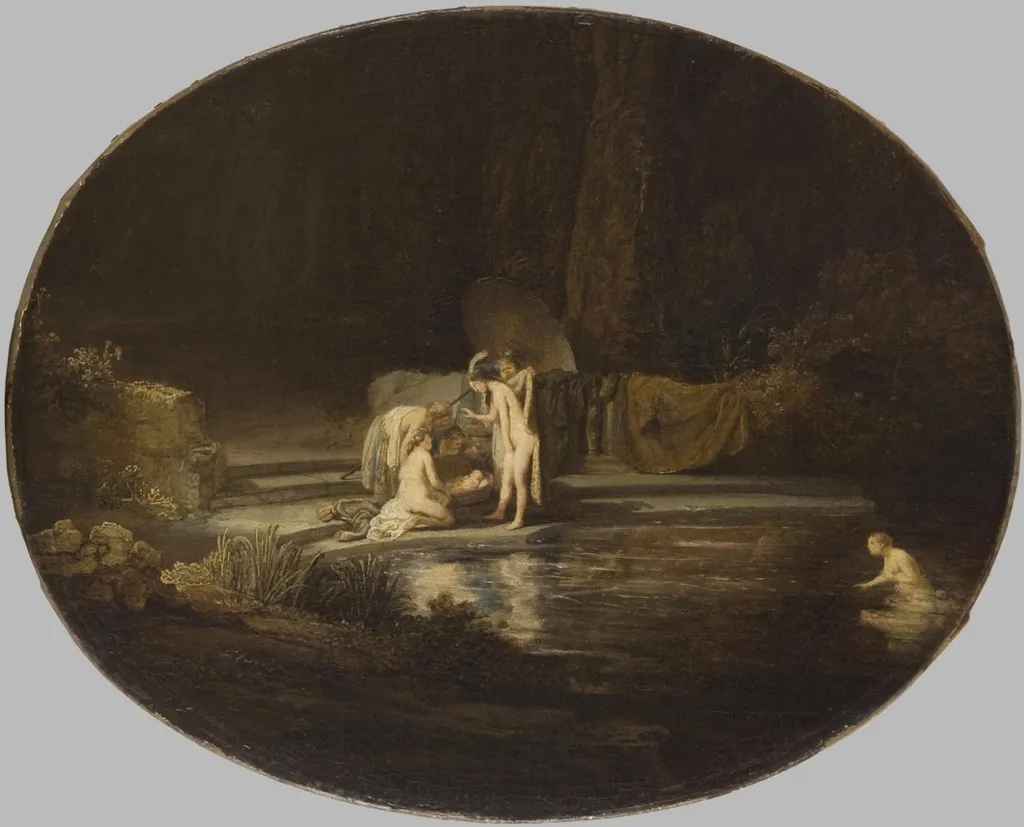
The Finding of Moses is an oil painting by the Dutch Golden Age artist Rembrandt. It dates from 1630 and is held in the collection of the Philadelphia Museum of Art.
About this work
Overview
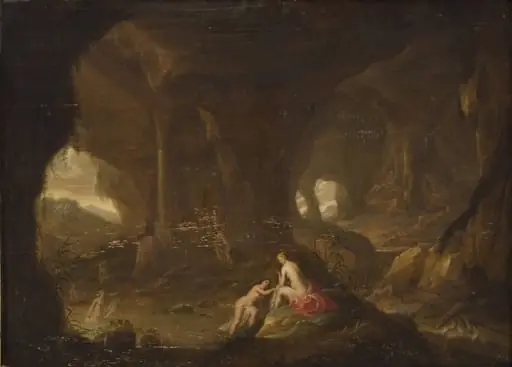
Created in 1630 by Rembrandt van Rijn, this oil painting depicts the biblical episode of Moses’s discovery. Executed during the Dutch Golden Age, the work belongs to the religious genre and is part of the Philadelphia Museum of Art’s collection. The composition centers on a woman cradling an infant, surrounded by attendants in a dimly lit setting.
Subject & Meaning
The scene illustrates the moment when the infant Moses is found among the reeds of the Nile. The central figure, a woman in a white garment, gazes tenderly at the child, while nearby figures observe silently. The quiet atmosphere underscores themes of protection, divine providence, and the humble origins of a future leader.
Technique & Style
Rembrandt employs a pronounced chiaroscuro, contrasting deep shadows with illuminated highlights to model forms and create spatial depth. Muted earth tones dominate, punctuated by the soft glow on the woman’s dress and the infant’s skin. The brushwork balances fine detail in the figures with broader, atmospheric treatment of the dark background, rocks, and foliage.
History & Provenance
Painted early in Rembrandt’s career, the work reflects his interest in biblical narratives beyond portraiture. After changing hands among private collectors, it entered the Philadelphia Museum of Art’s holdings, where it remains on display as an example of the artist’s mature handling of light and narrative composition.
Artist & collection
Artist
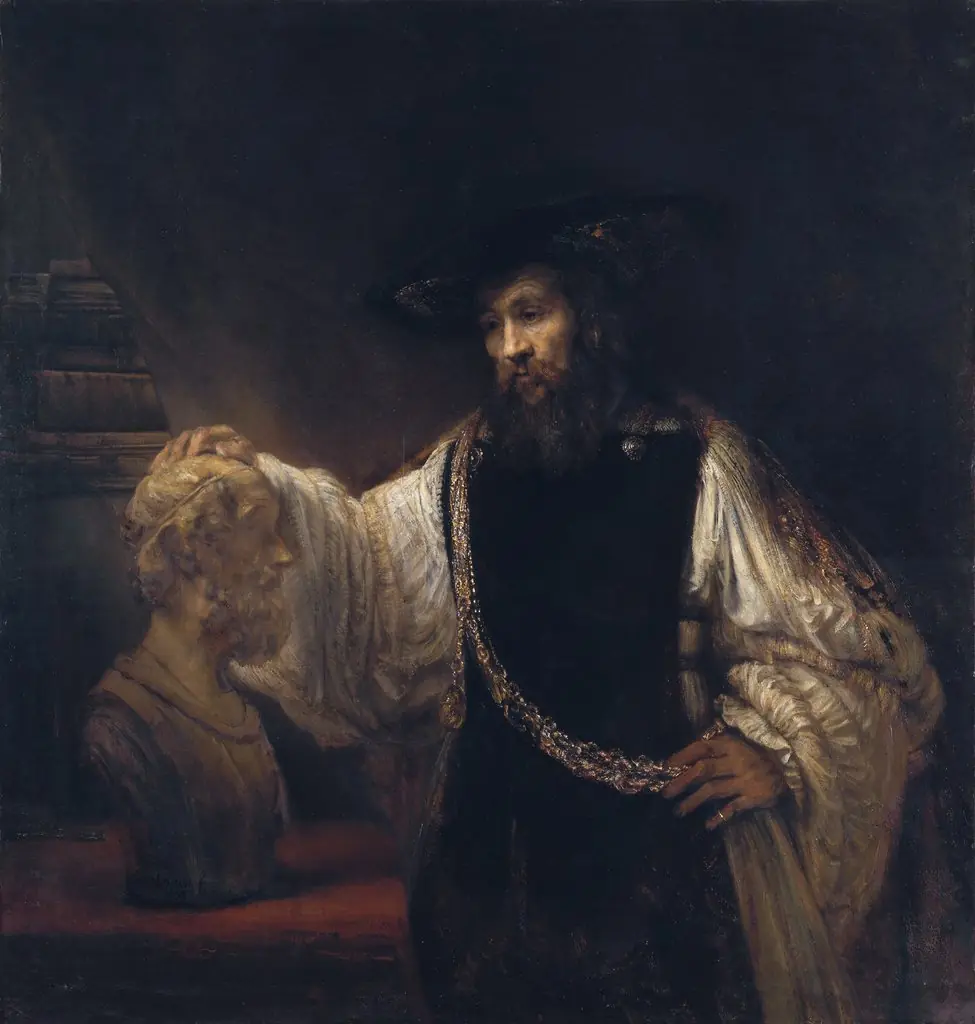
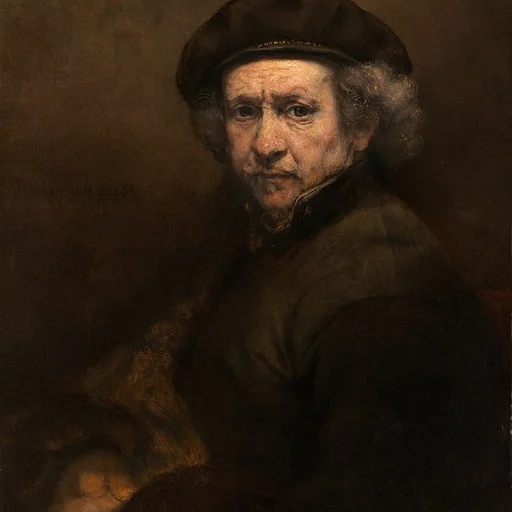
Rembrandt Harmenszoon van Rijn (15 July 1606 – 4 October 1669), known mononymously as Rembrandt, was a Dutch Golden Age painter, printmaker, and draughtsman.