Artwork
The Wedding of Samson
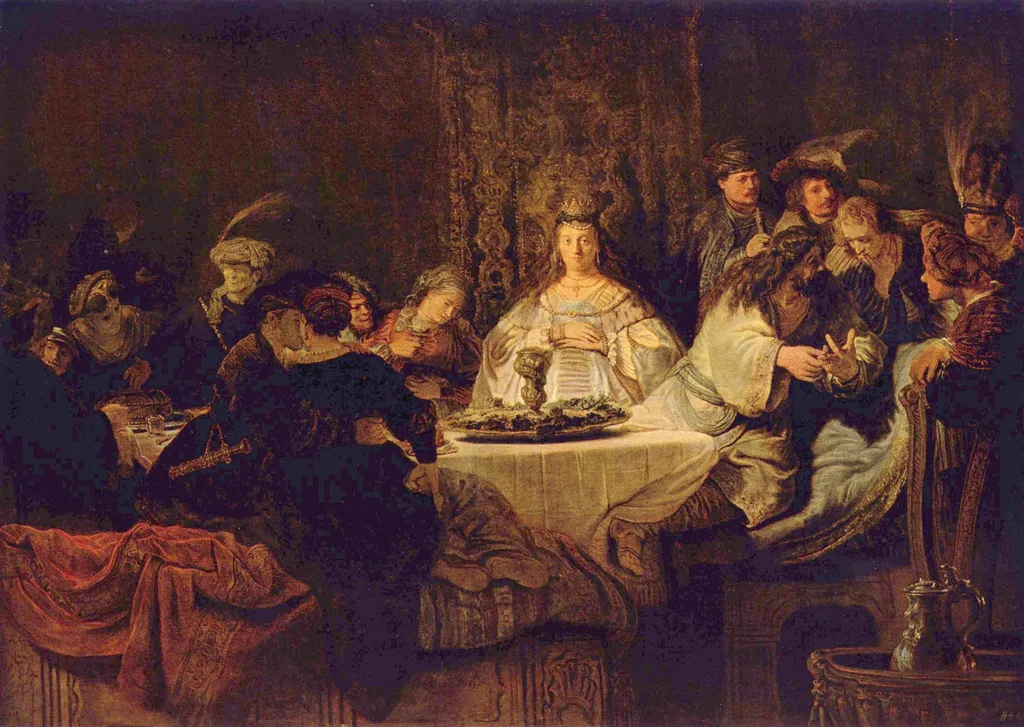
The Wedding of Samson is an oil painting by the Dutch Golden Age artist Rembrandt. It dates from 1638 and is held in the collection of the Staatliche Kunstsammlungen Dresden.
About this work
Overview
The scene captures a gathering of guests in a dimly lit interior, with focused illumination highlighting key figures.
Painted in 1638, this oil-on-canvas work by Rembrandt depicts a moment from the biblical story of Samson’s wedding. The scene captures a gathering of guests in a dimly lit interior, with focused illumination highlighting key figures. It entered the Dresden collection under Augustus II of Poland, who ruled Saxony as Frederick Augustus I, and has remained in the Gemäldegalerie Alte Meister since its first documented appearance in the early 18th century.
Subject & Meaning
The painting illustrates the wedding feast of Samson, as described in the Book of Judges, where celebration masks underlying tension. Samson and his bride are centrally seated, surrounded by guests whose expressions and gestures suggest unease. Rembrandt emphasizes the fragility of joy amid impending conflict, reflecting the biblical narrative’s themes of betrayal and divine retribution without literal depiction of violence.
Technique & Style
Rembrandt employs chiaroscuro to sculpt forms and direct attention, using narrow bands of light to isolate faces and gestures against deep shadows. The brushwork varies from refined detail in the figures’ attire to looser, textured strokes in the background, enhancing spatial depth. The composition avoids theatricality, favoring psychological realism through subtle facial expressions and restrained movement.
History & Provenance
The painting entered the Saxon royal collection in Dresden during the reign of Augustus II, likely acquired between 1722 and 1728, when it first appeared in the collection’s inventory. It remained in the royal holdings through successive rulers and was later transferred to the Gemäldegalerie Alte Meister, where it has been publicly displayed since the 19th century without significant changes in ownership.
Context
Created during Rembrandt’s mature period in Amsterdam, the work reflects his interest in biblical narratives rendered with human intimacy rather than grandeur. Contemporary Dutch patrons favored such stories for their moral complexity, and Rembrandt’s approach aligned with a growing preference for psychological depth over idealized form in religious art.
Legacy
Though less widely known than Rembrandt’s larger biblical scenes, this painting exemplifies his ability to convey narrative tension through light and gesture. It remains a key example of 17th-century Dutch biblical painting, studied for its restrained drama and nuanced portrayal of human emotion within a sacred context.
Own this work as a print
Artist & collection
Artist
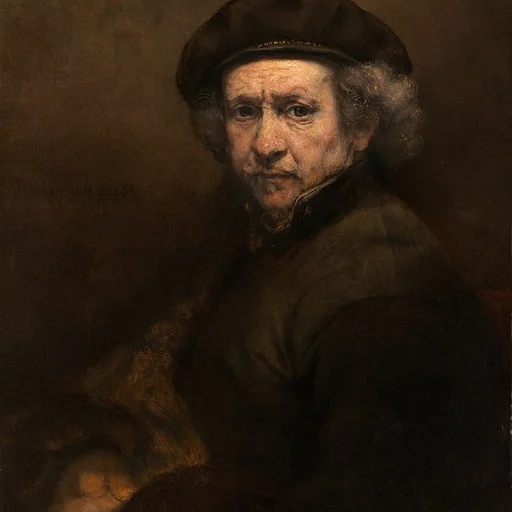
Rembrandt Harmenszoon van Rijn (15 July 1606 – 4 October 1669), known mononymously as Rembrandt, was a Dutch Golden Age painter, printmaker, and draughtsman.

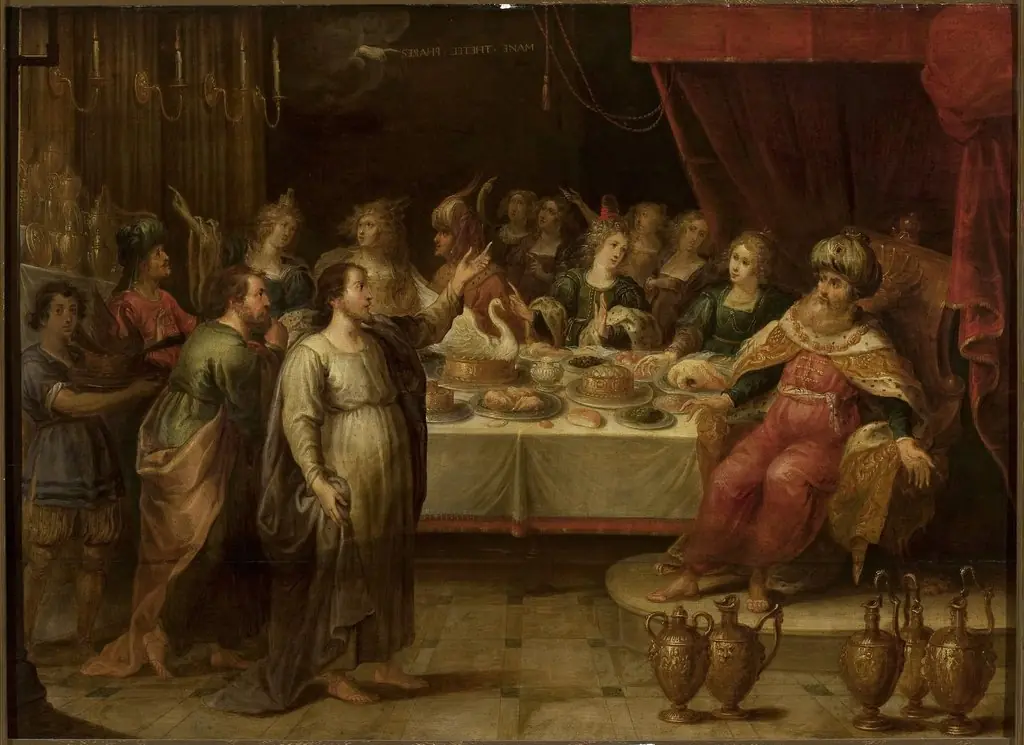 Belshazzar's feast (Daniel 5:1-31)
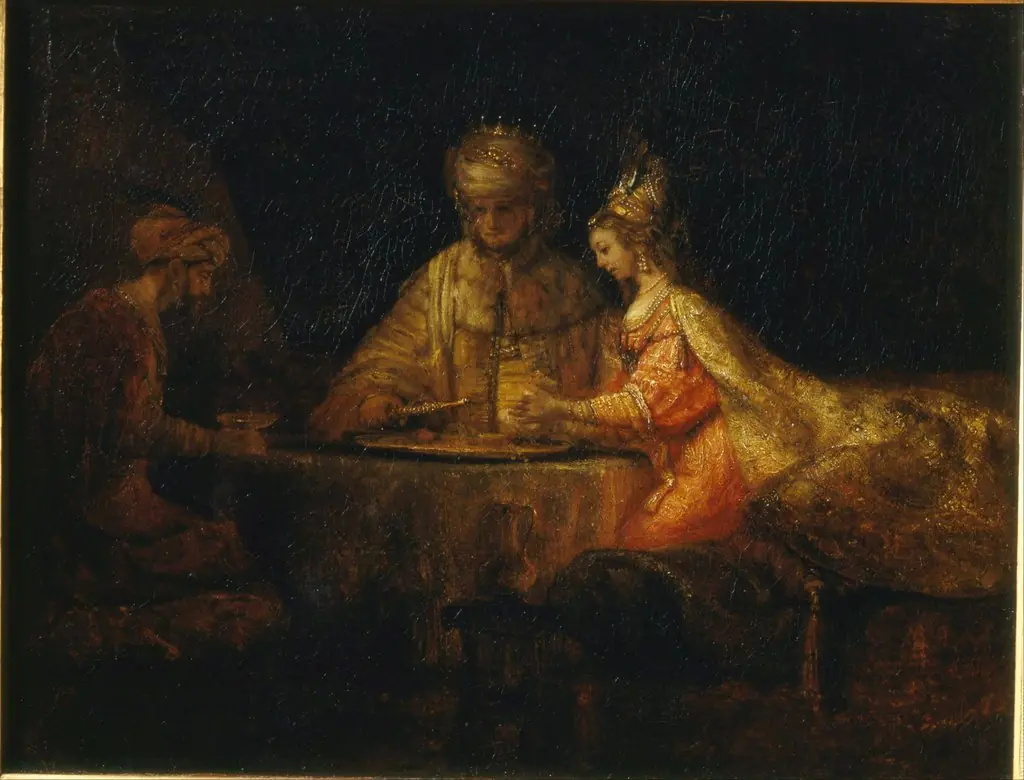 Ahasuerus and Haman at the Feast of Esther
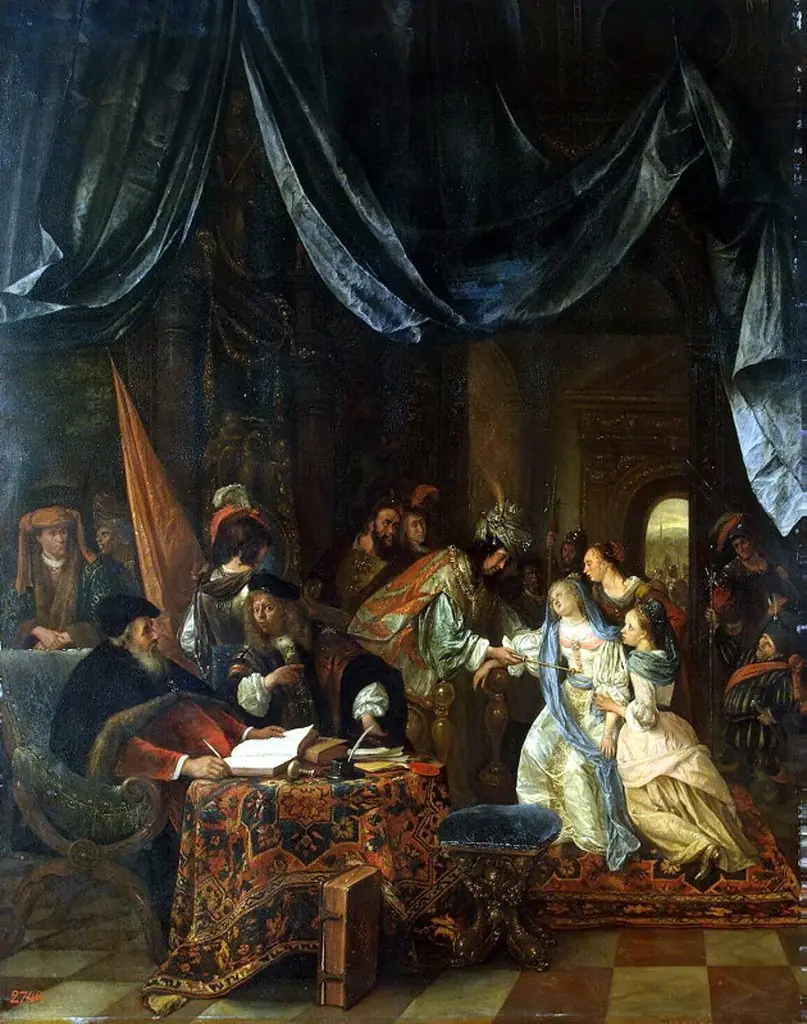 Esther before Ahasuerus
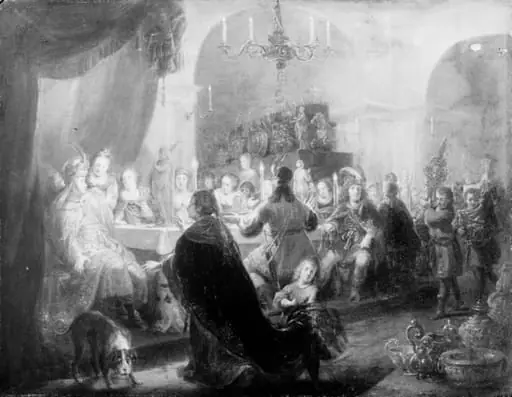 Belshazzar's Vision
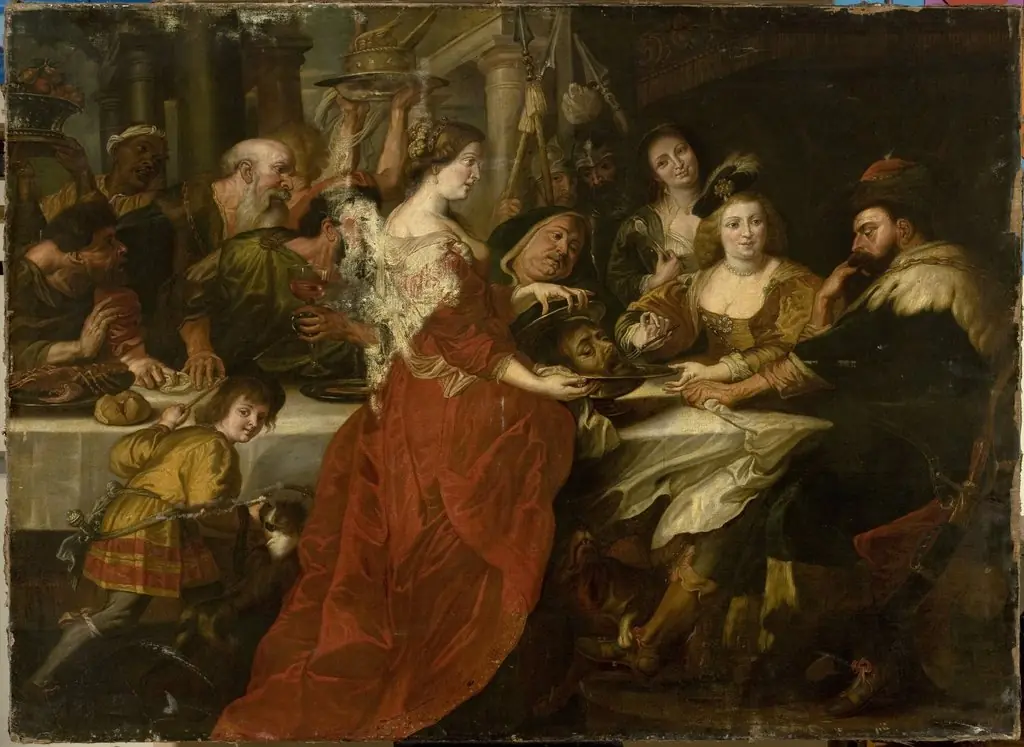 Salome with the head of St. John the Baptist at the banquet (Matthew 14:11; Mark 6:27-28)
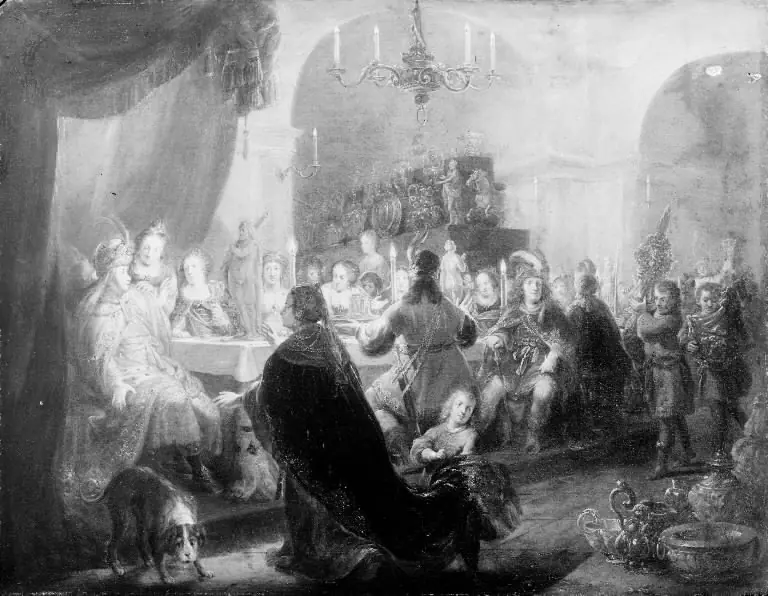 Belshazzar's Vision
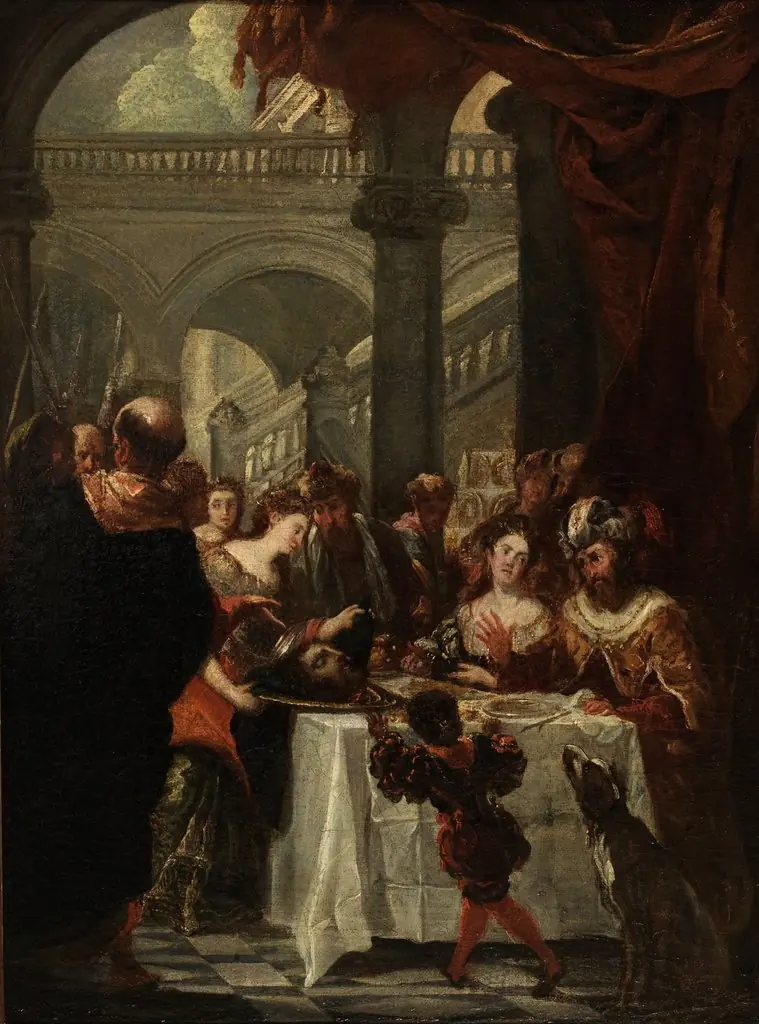 Herod’s Feast (sketch)
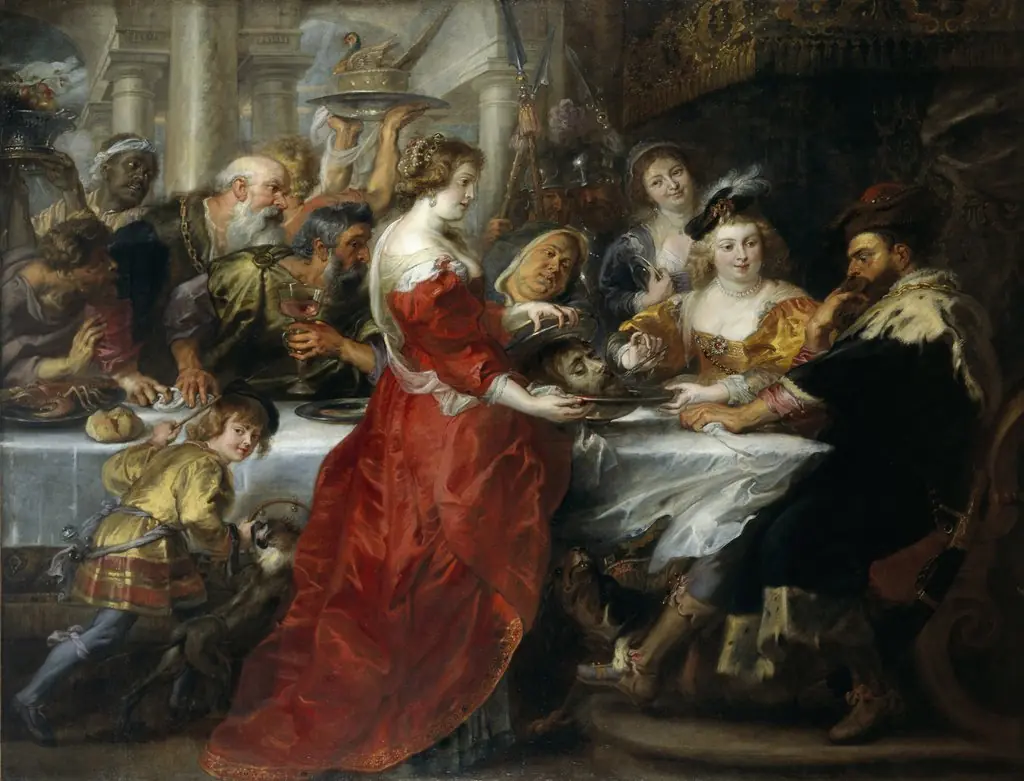 The Feast of Herod
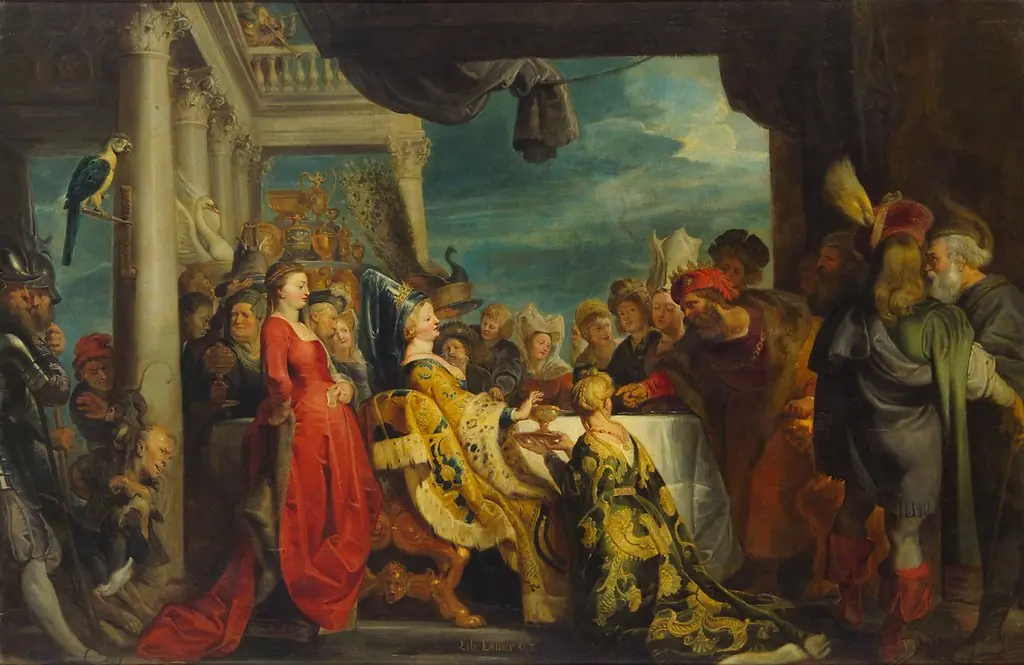 Alboin   and  Rosamunde
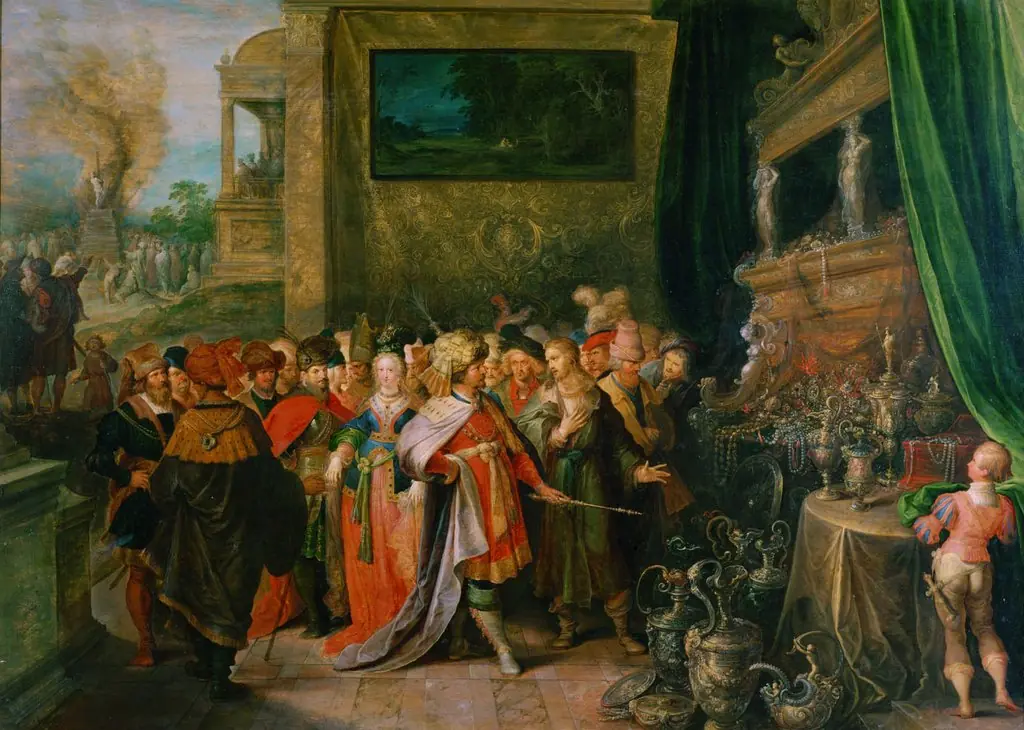 Croesus displays his treasures to Solon
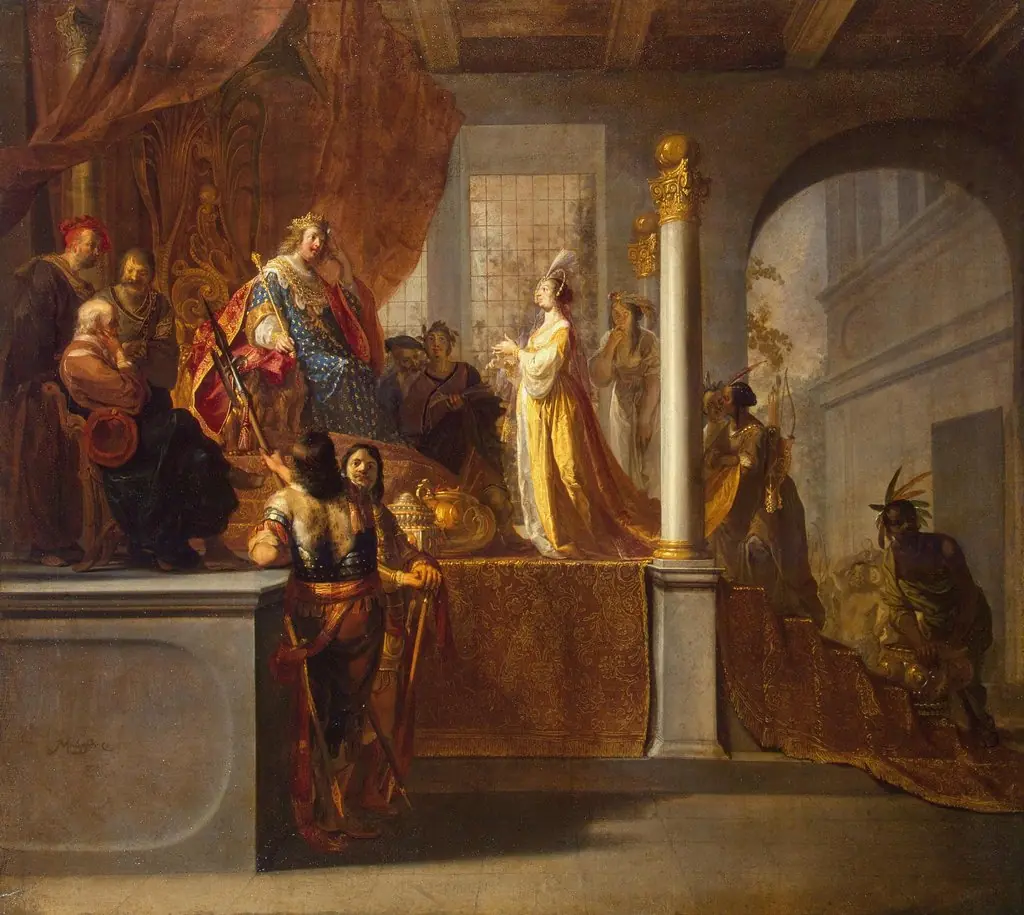 Queen of Sheba before Solomon
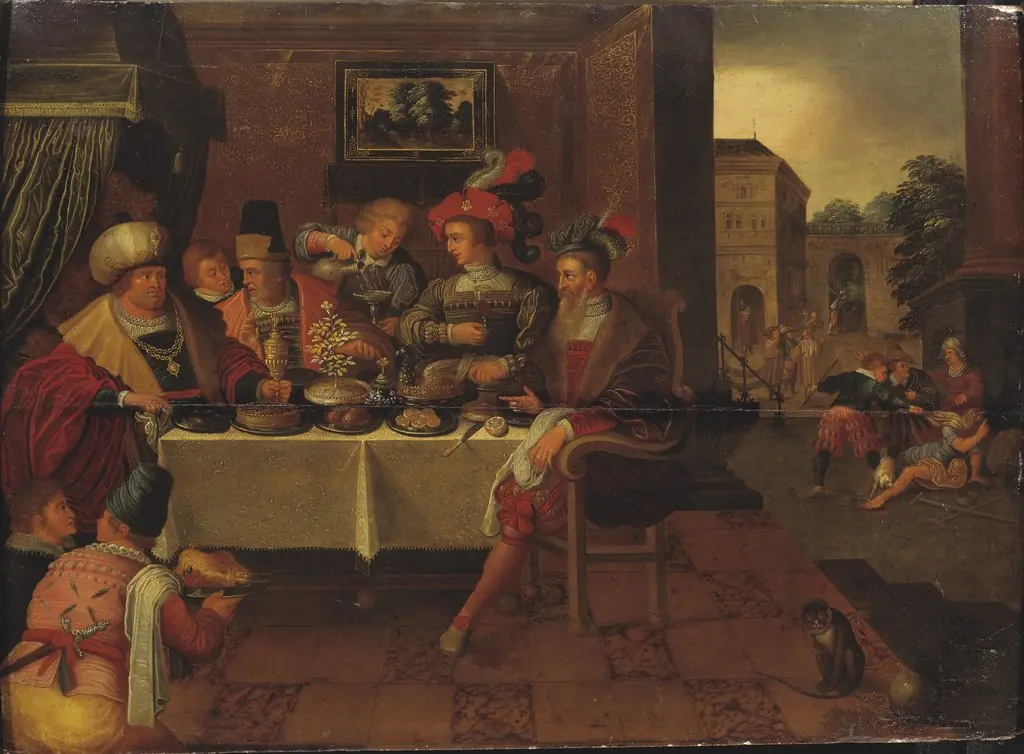 The Rich Man and Lazarus