Artwork
Christ Driving the Money Changers from the Temple
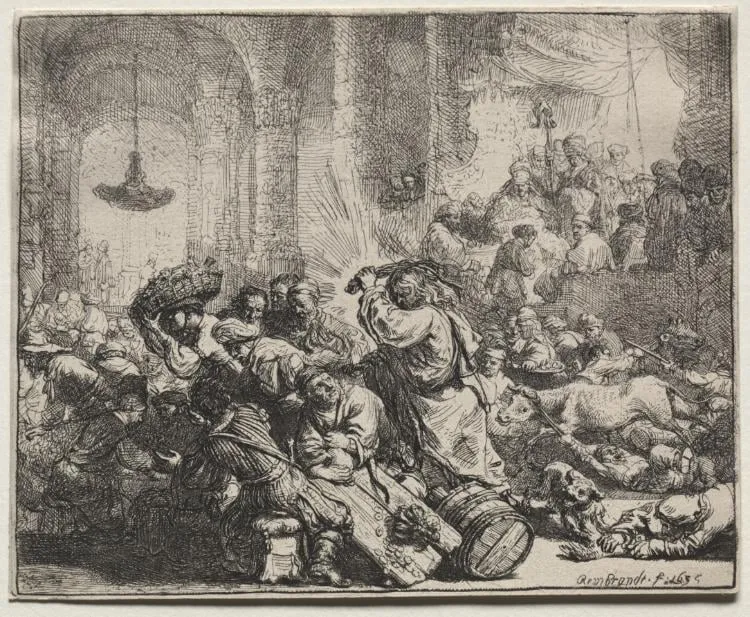
Christ Driving the Money Changers from the Temple is a print by the Baroque artist Rembrandt. It dates from 1635 and is held in the collection of the Cleveland Museum of Art.
About this work
Overview
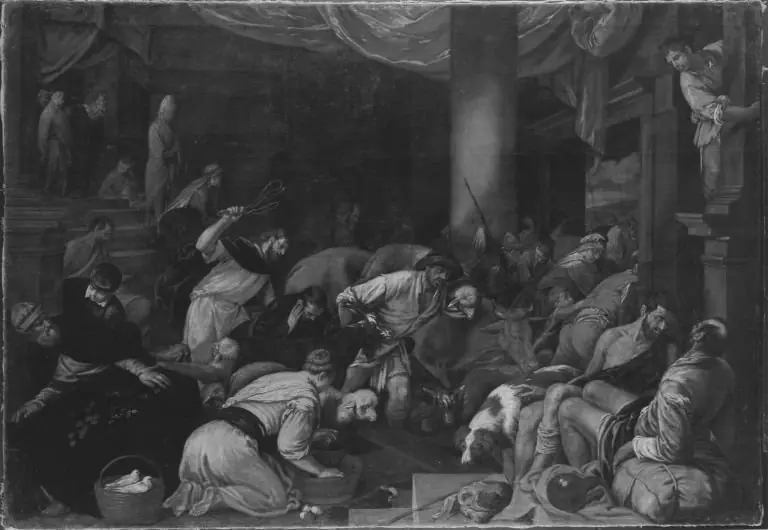
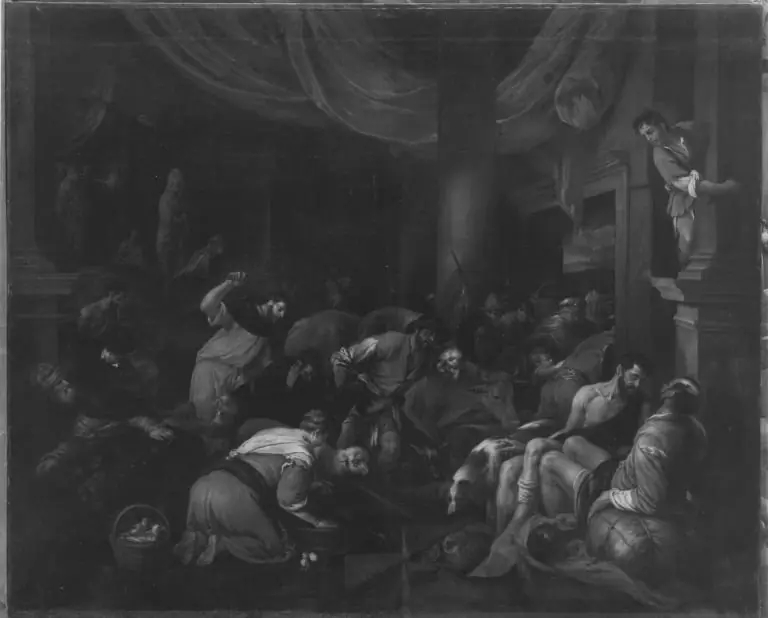
Rembrandt’s 1635 print, titled *Christ Driving the Money Changers from the Temple*, depicts a tumultuous episode from the Gospel in which Jesus expels merchants from the sacred precinct. The composition is set within a vaulted interior, its columns framing a crowded scene of overturned tables, scattered figures, and startled animals, all illuminated by a stark, overhead light source.
Subject & Meaning
The work visualizes the biblical narrative of cleansing the temple, emphasizing the clash between sacred purpose and commercial exploitation. Central to the image is the Christ figure, robed and holding a staff, whose decisive presence confronts the disorder, symbolizing moral authority confronting greed and corruption within a holy space.
Technique & Style
Rembrandt employs a pronounced chiaroscuro, juxtaposing deep shadows with bright highlights to draw the eye to the central figure. The dramatic contrast heightens the sense of movement and tension, while the etched lines convey texture in the stone architecture, the chaos of falling bodies, and the flicker of overturned vessels.
History & Provenance
Created in 1635, the print entered the collection of the Cleveland Museum of Art, where it remains on display. Its provenance traces back to early Dutch print markets, reflecting Rembrandt’s prolific output in etching during the 1630s and the work’s subsequent acquisition by the museum in the twentieth century.
Artist & collection
Artist
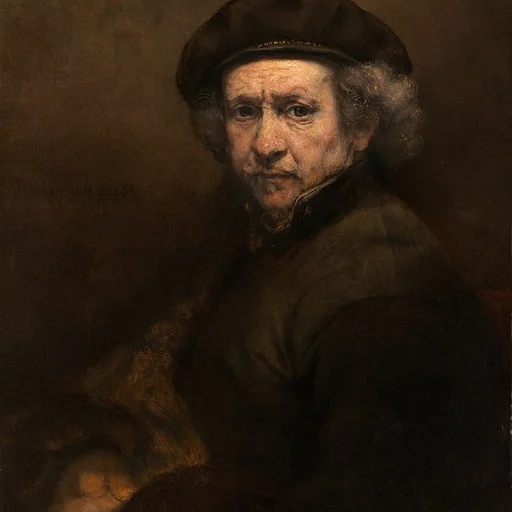
Rembrandt Harmenszoon van Rijn (15 July 1606 – 4 October 1669), known mononymously as Rembrandt, was a Dutch Golden Age painter, printmaker, and draughtsman.