Artwork
The Stoning of Saint Stephen
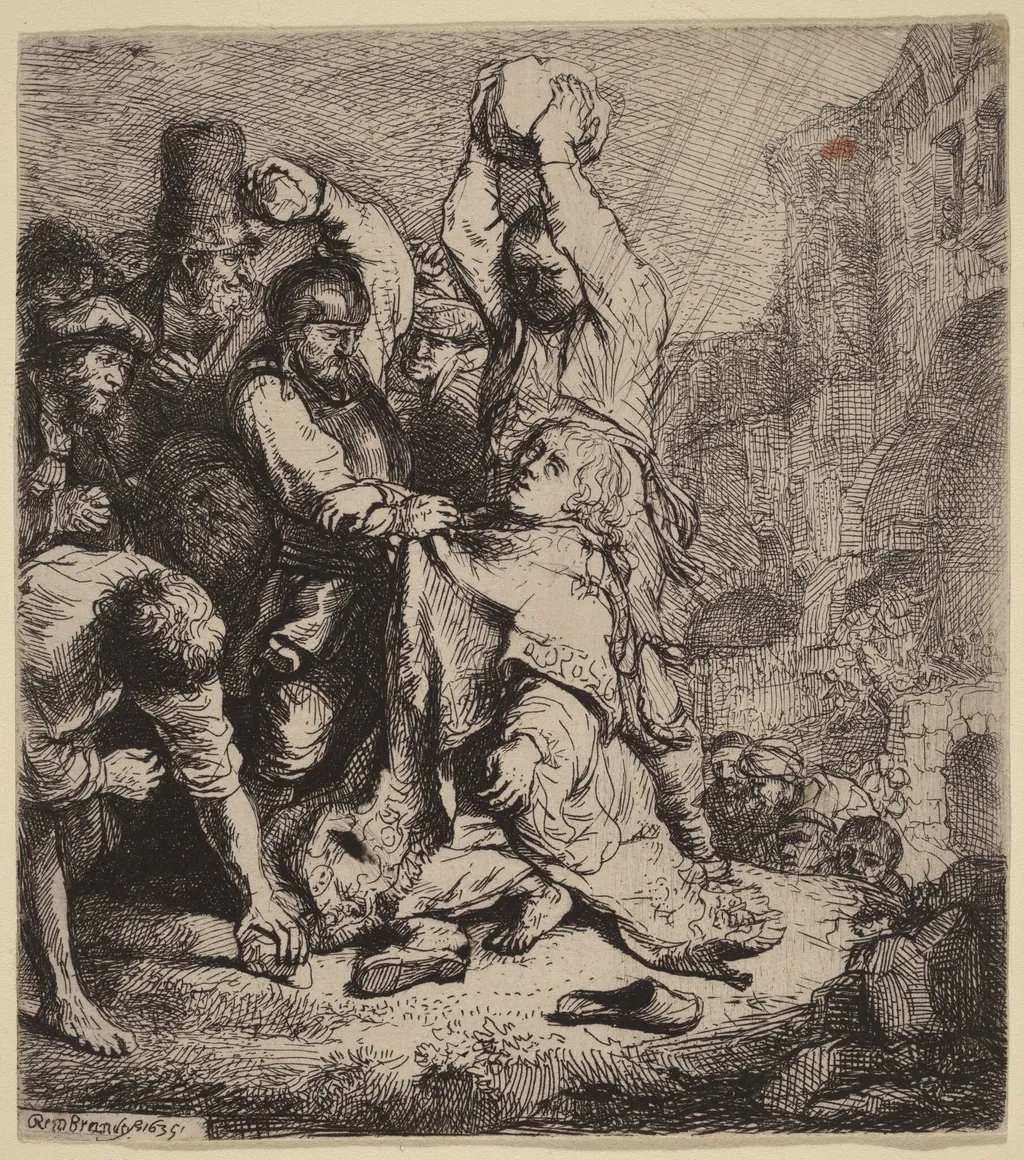
The Stoning of Saint Stephen is an ink print by the Baroque artist Rembrandt. It dates from 1635 and is held in the collection of the National Gallery of Art.
About this work
Overview
Rembrandt’s 1635 etching titled The Stoning of Saint Stephen presents a densely populated scene in which a group of onlookers surrounds a prone figure. A central figure lifts a large stone, poised to strike, while the surrounding crowd reacts with a mixture of shock and indifference. The composition is framed by vague architectural forms and a cloudy sky, suggesting an outdoor setting.
Subject & Meaning
The work depicts the biblical martyrdom of Stephen, the first Christian deacon, whose death by stoning is recounted in the Acts of the Apostles. By concentrating on the moment before the fatal blow, the image emphasizes the collective violence of the mob and the isolation of the saint, inviting reflection on themes of persecution and communal responsibility.
Technique & Style
Executed as an etching, the piece relies on Rembrandt’s skillful manipulation of line and tone.
Executed as an etching, the piece relies on Rembrandt’s skillful manipulation of line and tone. Strong contrasts of light and dark—chiaroscuro—are achieved through deep, rich shadows against illuminated areas, with the primary light source suggested to emanate from the upper left. Figures are rendered with varying degrees of detail; some faces and bodies emerge sharply, while others recede into softer, less defined forms, creating depth and tension.
History & Provenance
Created in 1635, the print belongs to Rembrandt’s early period of religious subjects. It was produced in his workshop in Amsterdam and circulated among collectors of the Dutch Golden Age. Surviving impressions are held in several major institutions, reflecting its continued presence in the study of Rembrandt’s printmaking.
Context
The etching emerges from a period when Dutch artists frequently engaged with biblical narratives, often using them to explore moral and societal concerns. Rembrandt’s focus on the emotional intensity of the crowd aligns with contemporary interests in human drama and the psychological dimensions of religious stories.
Legacy
The Stoning of Saint Stephen remains a reference point for scholars examining Rembrandt’s use of light to convey narrative urgency. Its compositional handling of crowd dynamics and individual suffering continues to inform discussions of early modern printmaking and the artist’s approach to biblical themes.
Artist & collection
Artist
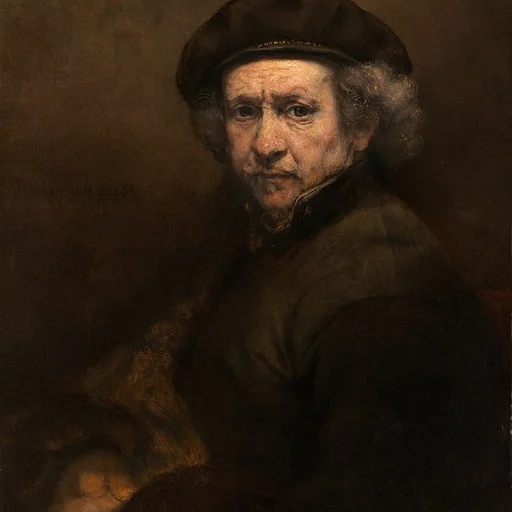
Rembrandt Harmenszoon van Rijn (15 July 1606 – 4 October 1669), known mononymously as Rembrandt, was a Dutch Golden Age painter, printmaker, and draughtsman.


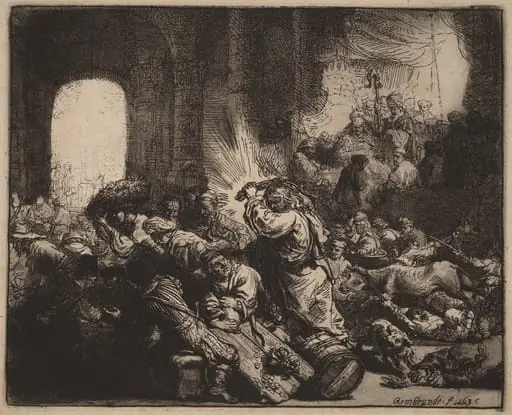 Christ Driving the Money Changers from the Temple
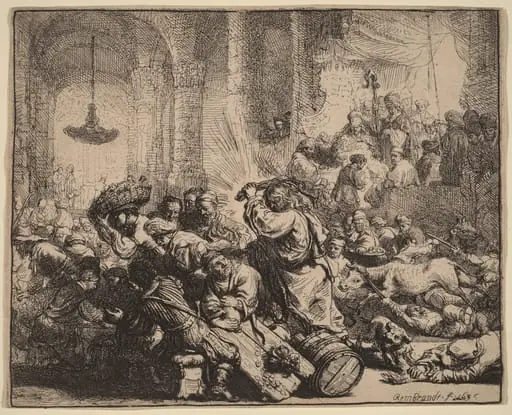 Christ Driving the Money Changers from the Temple
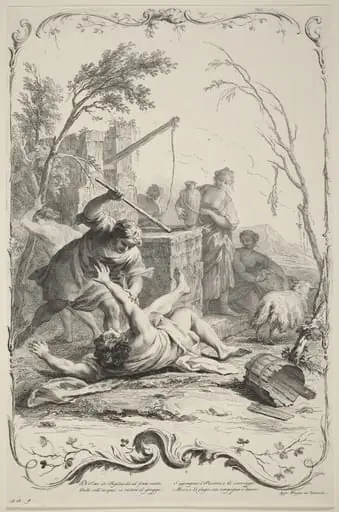 Moses Striking a Shepherd
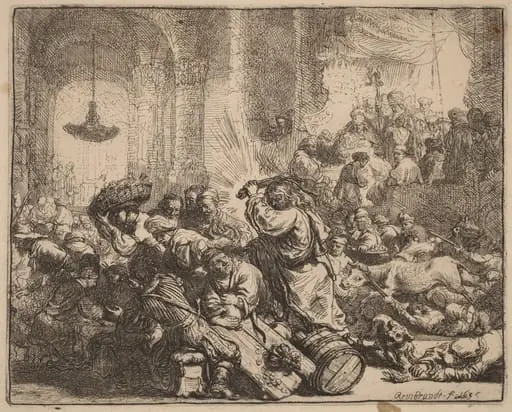 Christ Driving the Money Changers from the Temple
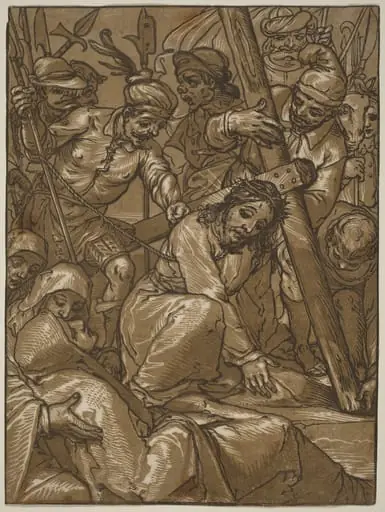 The Bearing of the Cross
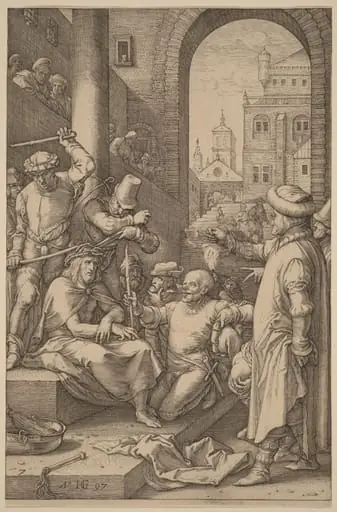 Christ Crowned with Thorns
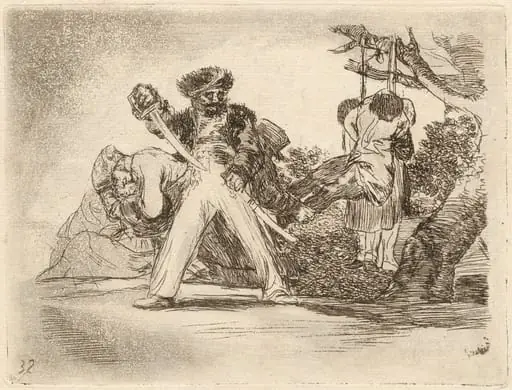 Fuerte cosa es! (That's Tough!)
 Disasters of War: Pl. 33, What more can one do?
 Christ Crucfied Between Two Thieves: An Oval Plate