Artwork
Old Man Shading His Eyes with His Hand
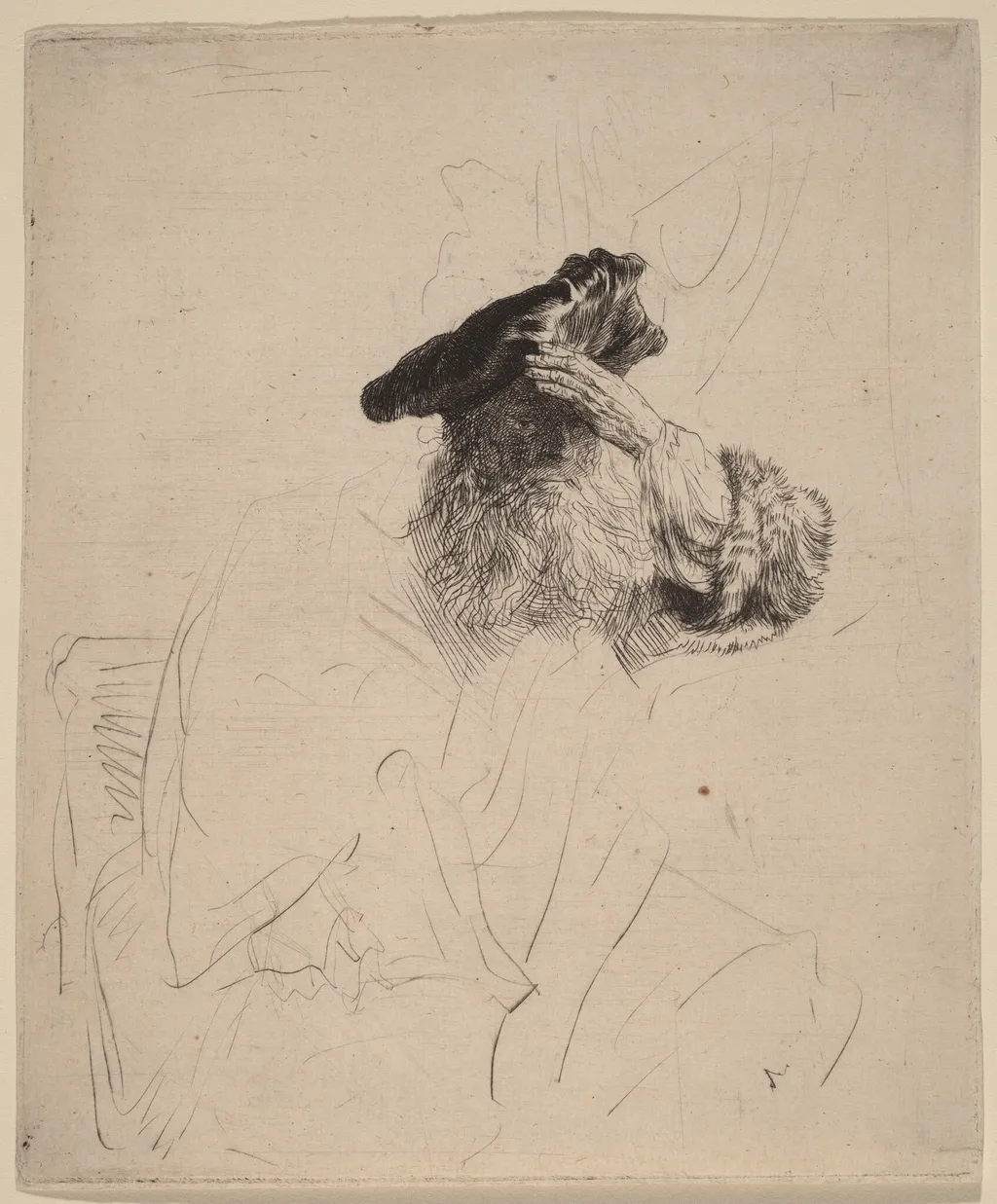
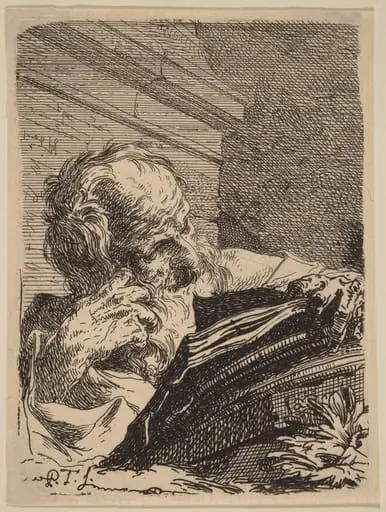
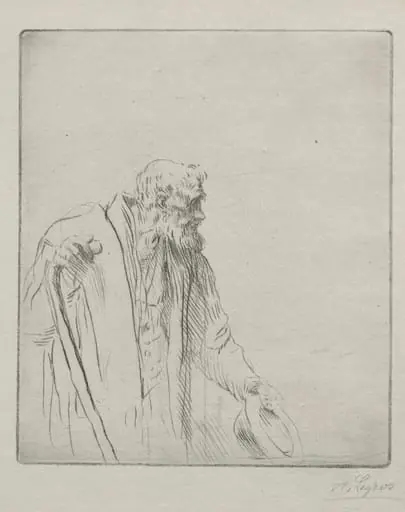
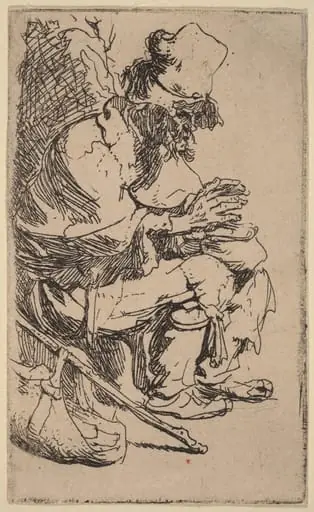
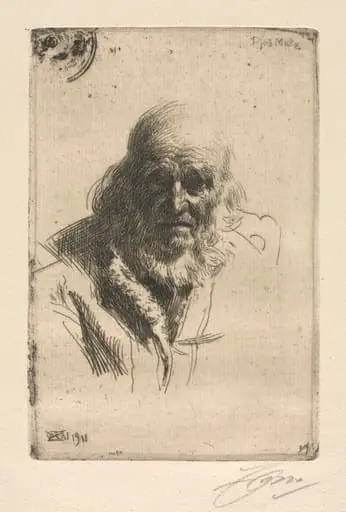
Old Man Shading His Eyes with His Hand is an ink print by the Baroque artist Rembrandt. It dates from 1639 and is held in the collection of the National Gallery of Art. Created around 1639, this etching and drypoint on laid paper captures a solitary elderly man in a moment of stillness.
About this work
Overview
Created around 1639, this etching and drypoint on laid paper captures a solitary elderly man in a moment of stillness. The figure, seated and partially turned, raises one hand to shield his eyes from an unseen light. Rendered with delicate, layered lines, the work emphasizes texture and shadow over narrative detail, focusing on the quiet dignity of a private, unremarkable gesture.
Subject & Meaning
The subject is an aging man, his face marked by deep wrinkles and a strong, weathered nose. His unkempt hair and worn clothing suggest a life of labor or hardship. The gesture of shading his eyes implies introspection, perhaps resistance to harsh light or an inward turn away from the world. There is no overt symbolism; the power lies in the unadorned humanity of the moment.
Technique & Style
Rembrandt employed etching and drypoint to build tonal depth through fine, incised lines and burr. The drypoint’s soft, fuzzy edges enhance the texture of skin and fabric, while varying line density creates chiaroscuro effects. The background is left largely empty, directing focus to the figure’s form and the subtle gradations of shadow that define his presence.
History & Provenance
The print was made during Rembrandt’s years in Amsterdam, a period when he increasingly turned to intimate, personal subjects. It was likely produced for his own circle or private sale, not for public display. Early ownership records are sparse, but it appears in several 18th- and 19th-century European collections before entering institutional holdings.
Context
In the late 1630s, Rembrandt moved away from grand historical themes toward studies of individuals, often drawn from everyday life. This work aligns with his growing interest in psychological depth and the expressive potential of the human face. Similar portraits of elderly sitters reflect a broader cultural fascination with aging and inner life during the Dutch Golden Age.
Legacy
This print exemplifies Rembrandt’s mastery of the etched line to convey emotion without drama. Later artists, particularly in the 19th century, looked to such works as models of psychological realism in printmaking. Its enduring presence in museum collections underscores its role as a quiet, influential study in human presence and material subtlety.
Artist & collection
Artist
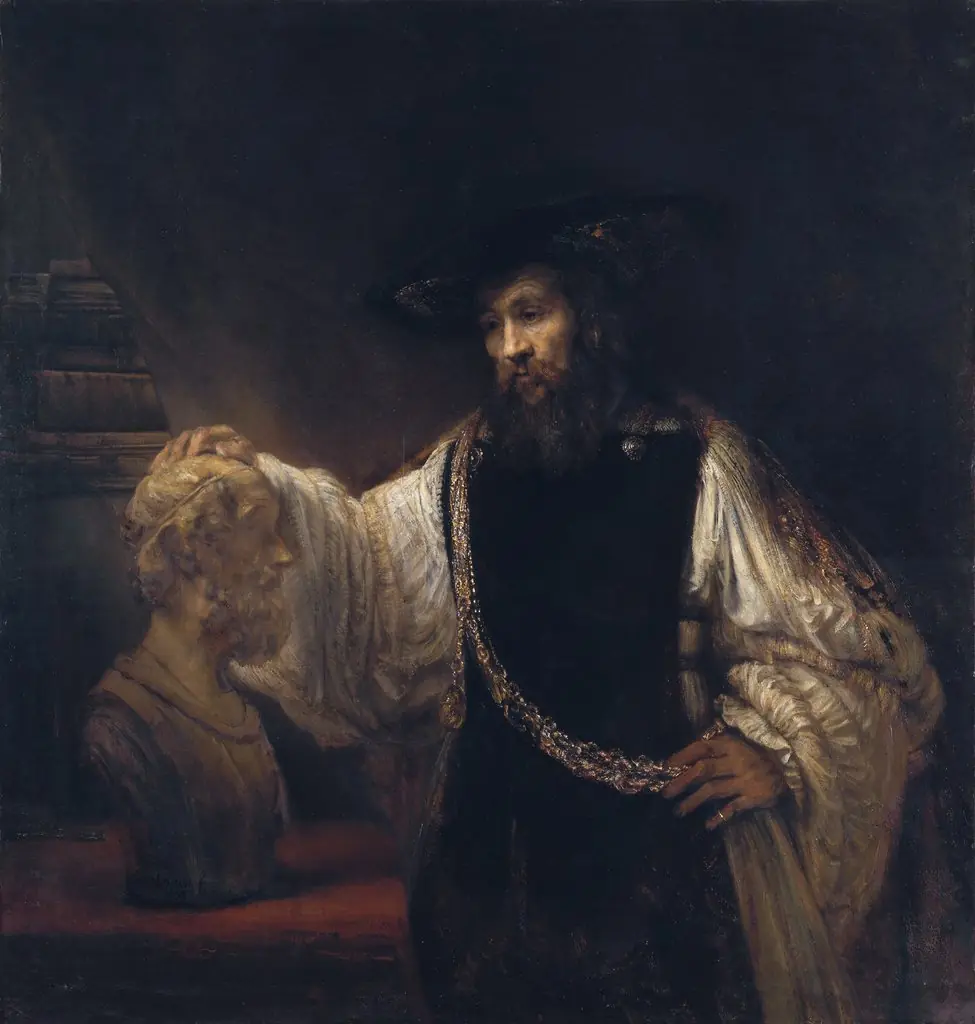
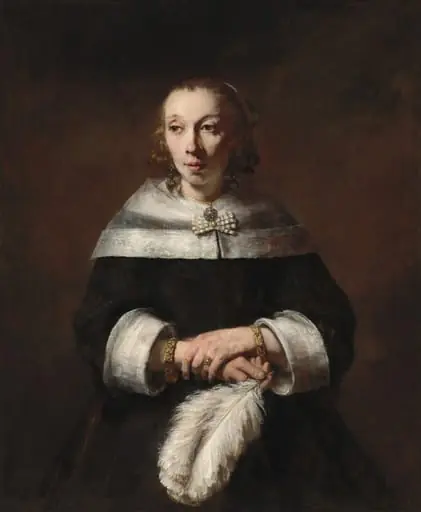
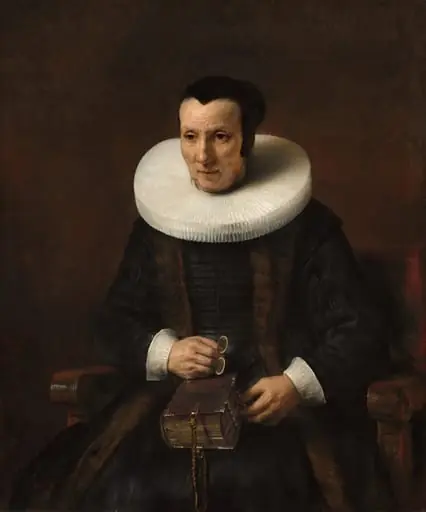
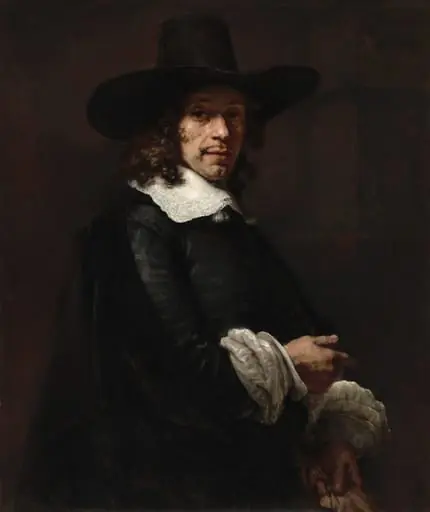
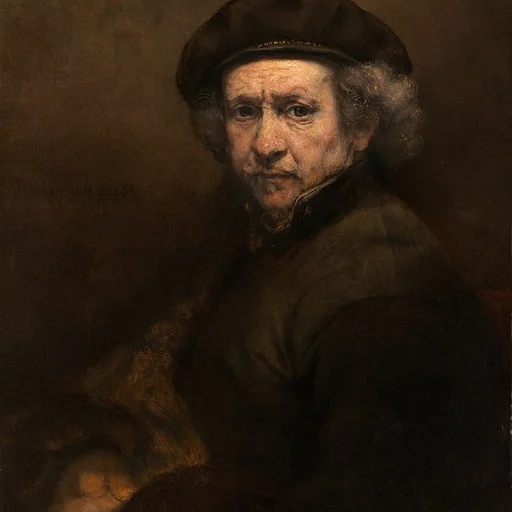
Rembrandt Harmenszoon van Rijn (15 July 1606 – 4 October 1669), known mononymously as Rembrandt, was a Dutch Golden Age painter, printmaker, and draughtsman.