Artwork
The Stoning of Saint Stephen
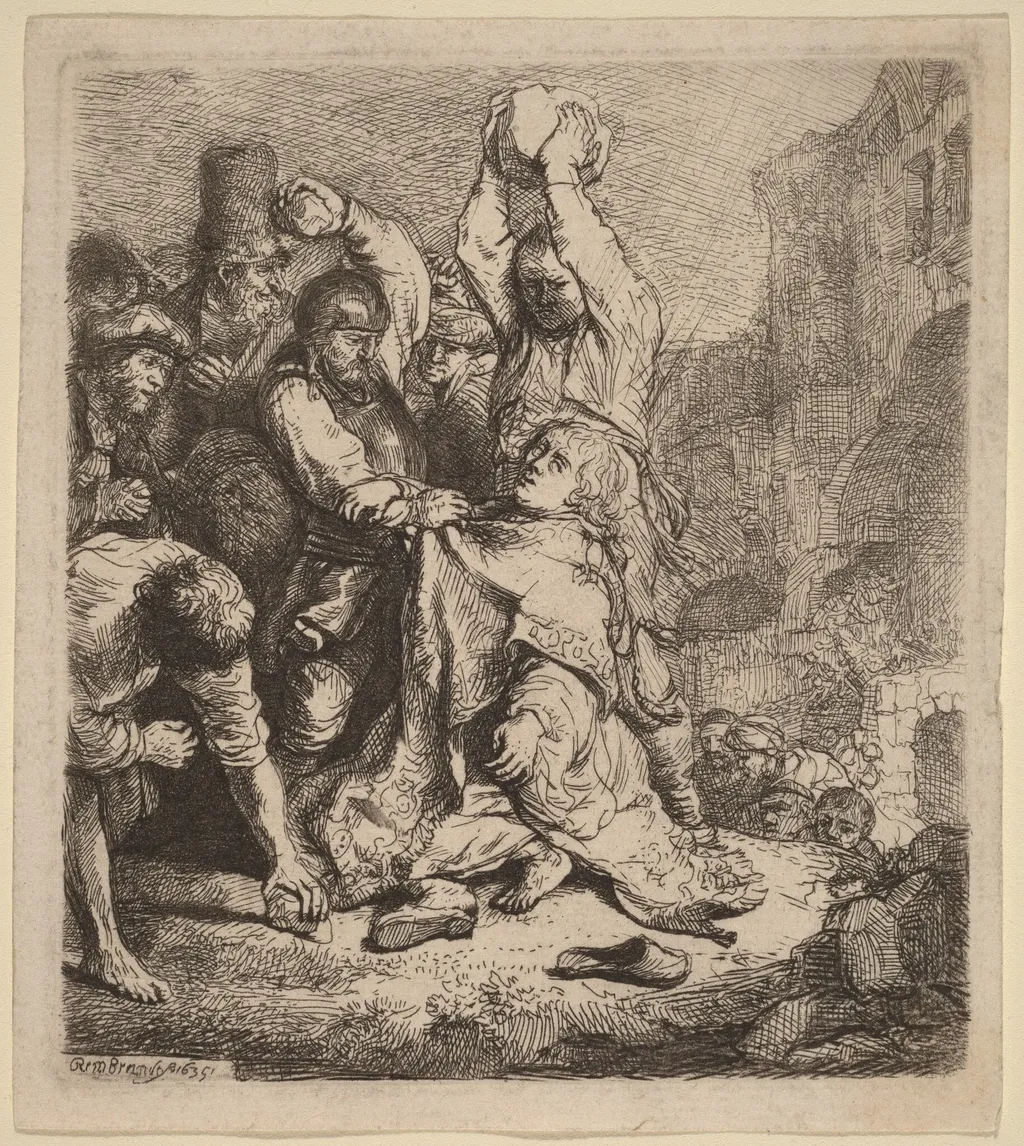
The Stoning of Saint Stephen is an ink print by the Baroque artist Rembrandt. It dates from 1635 and is held in the collection of the National Gallery of Art.
About this work
Overview
Rembrandt’s 1635 etching titled The Stoning of Saint Stephen presents a dramatic biblical episode. Executed on a copper plate, the print captures the moment when the first Christian martyr is surrounded by an agitated crowd. The composition is densely packed, emphasizing the tension of the violent act and the emotional intensity of the scene.
Subject & Meaning
The work depicts the martyrdom of Stephen, as narrated in the Acts of the Apostles, when he is attacked by a hostile mob and pelted with stones. His outstretched arms and upward gaze suggest both physical suffering and spiritual surrender, inviting contemplation of faith under persecution and the contrast between earthly cruelty and divine conviction.
Technique & Style
Rembrandt employs the etching medium’s capacity for fine line work, using swift, almost sketch‑like strokes to convey movement and agitation. The interplay of deep shadows and bright highlights creates a sense of immediacy, while the varied hatching suggests the texture of clothing and the chaotic energy of the crowd. The print’s tonal range underscores the dramatic narrative.
History & Provenance
Created in the mid‑1630s, the etching belongs to Rembrandt’s early period of religious printmaking, when he explored biblical themes through graphic media. Original impressions were likely pulled from the artist’s own plate and circulated among collectors of Dutch prints. The work has since entered several museum collections, illustrating Rembrandt’s mastery of the etching process.
Artist & collection
Artist
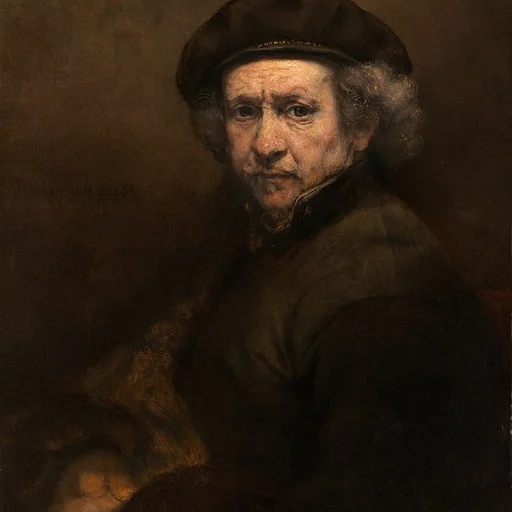
Rembrandt Harmenszoon van Rijn (15 July 1606 – 4 October 1669), known mononymously as Rembrandt, was a Dutch Golden Age painter, printmaker, and draughtsman.

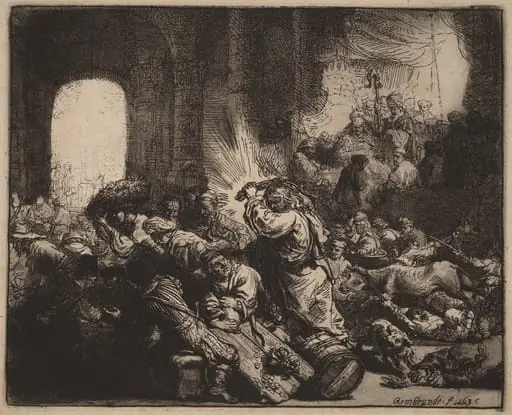 Christ Driving the Money Changers from the Temple
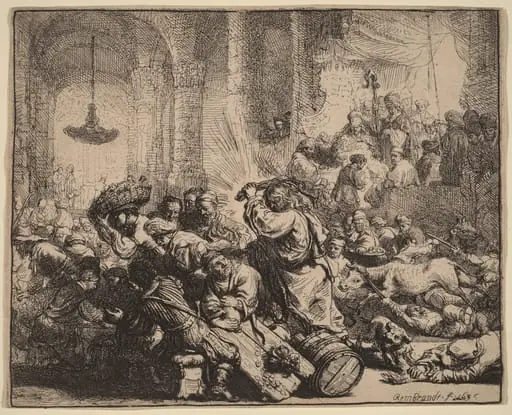 Christ Driving the Money Changers from the Temple
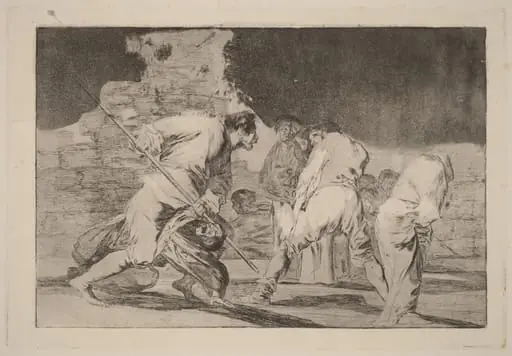 Disparate furioso (Furious Folly)
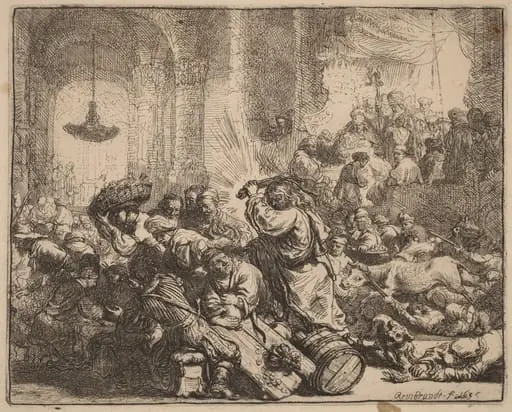 Christ Driving the Money Changers from the Temple
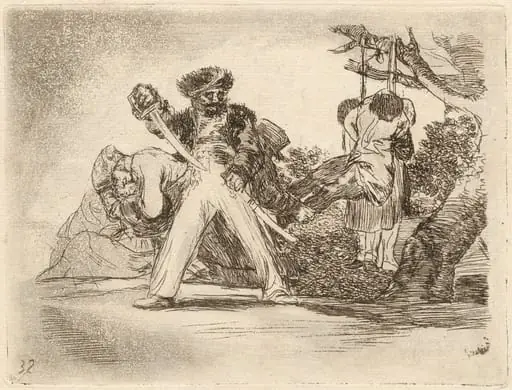 Fuerte cosa es! (That's Tough!)
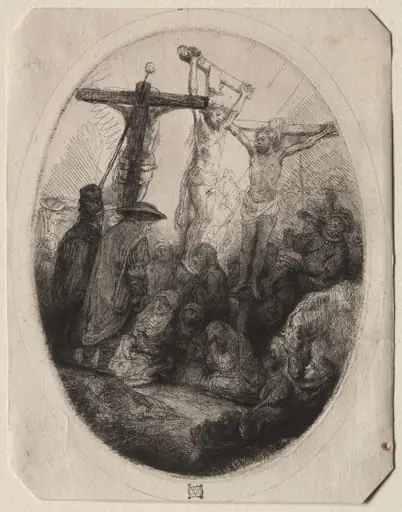 Christ Crucfied Between Two Thieves: An Oval Plate
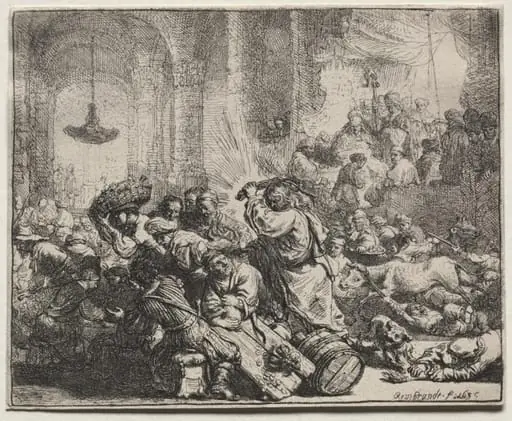 Christ Driving the Money Changers from the Temple
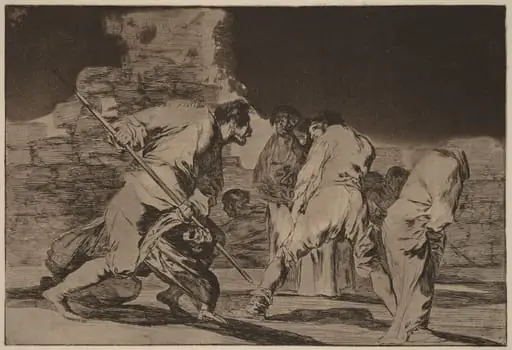 Disparate furioso (Furious Folly)
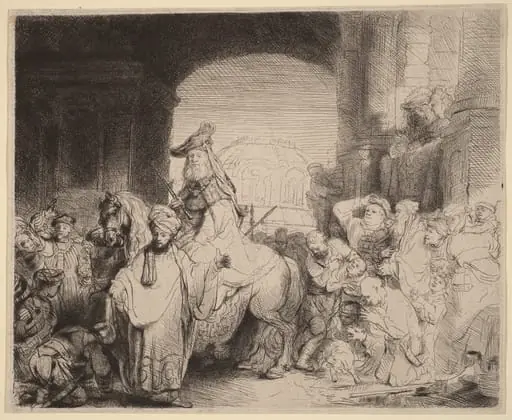 The Triumph of Mordecai