Artwork
Llyn Idwal, North Wales
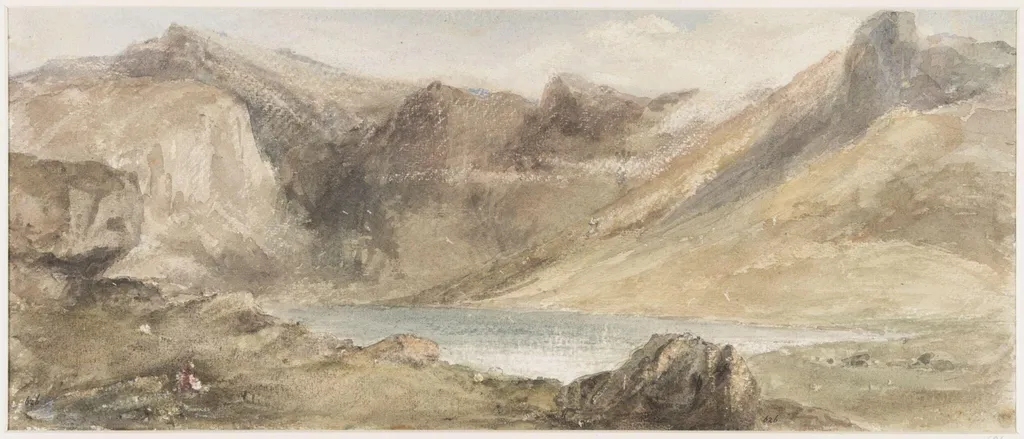
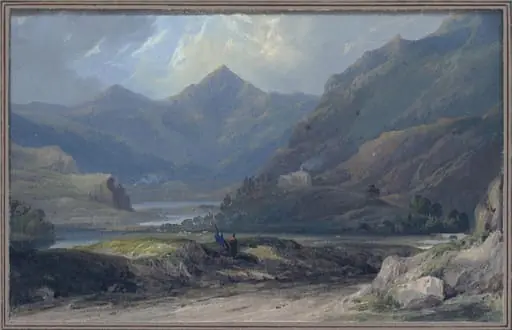
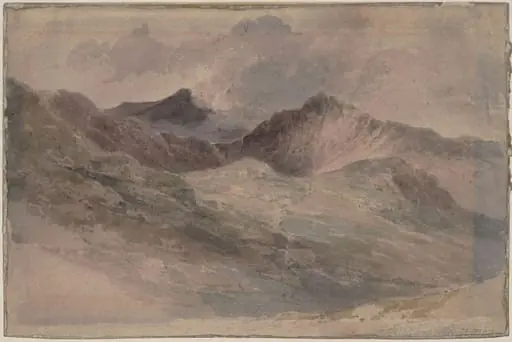
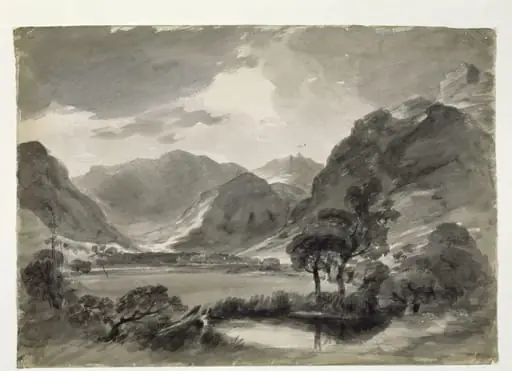
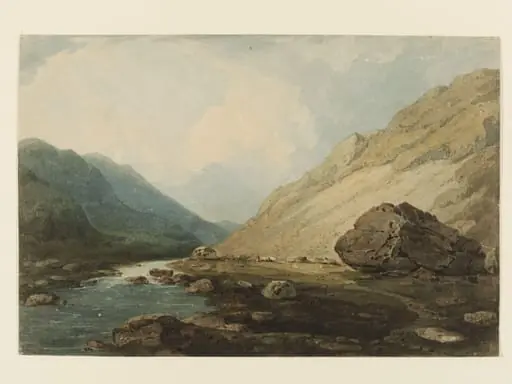
Llyn Idwal, North Wales is a watercolor work on paper by the British Romanticist artist Reverend Thomas Raven. It dates from 1850 and is held in the collection of the Victoria and Albert Museum.
About this work
Overview
Its restrained palette and loose brushwork convey a sense of stillness and remoteness, characteristic of mid-19th century topographical watercolours.
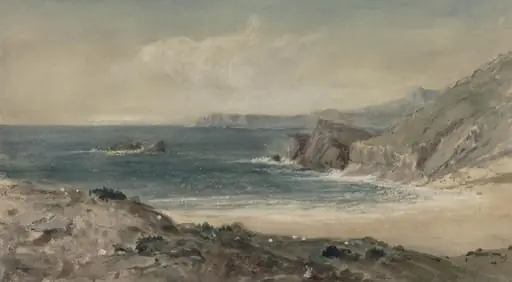
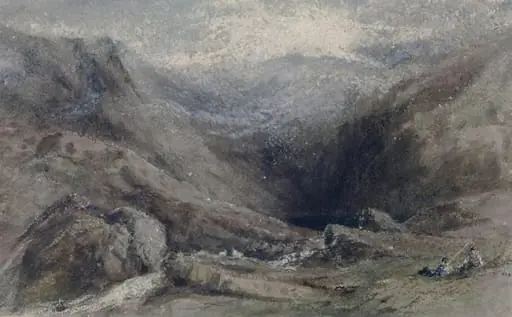
Painted in 1850 by Reverend Thomas Raven, this watercolour captures Llyn Idwal, a glacial lake nestled in the rugged terrain of North Wales. Executed in delicate washes, the work reflects a quiet observation of the landscape rather than a dramatic portrayal. Its restrained palette and loose brushwork convey a sense of stillness and remoteness, characteristic of mid-19th century topographical watercolours.
Subject & Meaning
The painting presents a secluded mountain valley dominated by steep, weathered cliffs and a narrow ribbon of water. There are no human figures or signs of habitation, emphasizing the landscape’s isolation. The scene suggests a contemplative engagement with nature, aligning with contemporary Romantic sensibilities that valued untouched wilderness as a space for quiet reflection.
Technique & Style
Raven employed loose, rapid brushstrokes to suggest the texture of rock and the subtle gradations of light across the slopes. The watercolour medium allowed for translucent layers, creating soft transitions between the pale sky, muted earth tones, and the faint blue of the lake. Minimal detail in the foreground rocks grounds the composition without distracting from the overall atmosphere.
History & Provenance
The work is part of a broader tradition of amateur topographical watercolours produced by clergymen and educated amateurs in Victorian Britain. While little is documented about Raven’s personal artistic career, this piece survives as an example of how such individuals recorded regional landscapes, often for private or local circulation rather than public exhibition.
Context
In the mid-1800s, interest in Wales’s natural scenery grew alongside the rise of tourism and geological study. Artists like Raven contributed to a visual record of remote areas before industrialization altered them. Watercolour was favored for its portability and suitability for fieldwork, making it ideal for capturing fleeting atmospheric effects in the Welsh uplands.
Legacy
Though not widely known today, Raven’s painting contributes to a significant body of 19th-century British watercolours that document the nation’s landscapes with quiet precision. It remains a representative example of how amateur artists helped shape perceptions of natural beauty during a period of increasing environmental awareness and cultural preservation.
Artist & collection
Artist
A clergyman in 19th-century Britain, Reverend Thomas Raven filled his watercolours with the rocky coves and steep hills he knew from walks in Wales and the Lake District.