Artwork
Larkbere, Devonshire
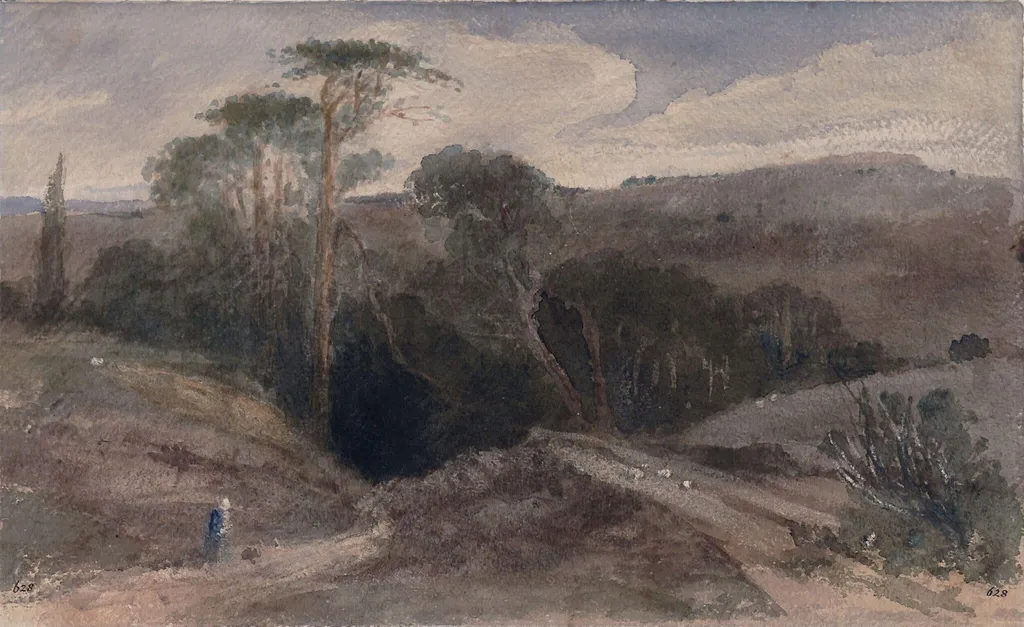
Larkbere, Devonshire is a watercolor work on paper by Reverend Thomas Raven. It dates from 1850 and is held in the collection of the Victoria and Albert Museum.
About this work
Overview
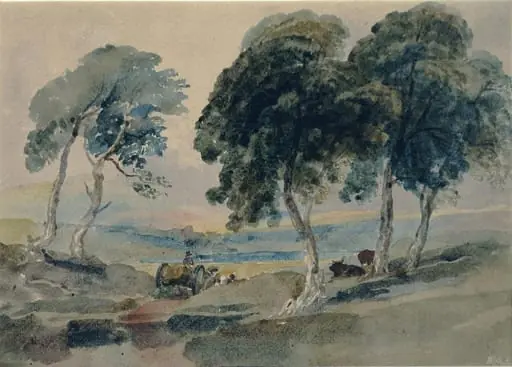
Painted in 1850 by Reverend Thomas Raven, this watercolour captures a quiet stretch of countryside in Larkbere, Devonshire. Executed in delicate washes, the work conveys a subdued atmosphere through muted tones and gentle transitions. The composition emphasizes stillness, with no dominant focal point, inviting contemplation rather than narrative.
Subject & Meaning
The scene portrays an unremarkable rural landscape—rolling hills, scattered trees, and rocky terrain—enhanced by the presence of a solitary walker near the lower left. The figure, minimally rendered, underscores the vastness of the land and the quiet solitude of rural life. There is no indication of human activity beyond this lone presence, suggesting a meditation on nature’s quiet endurance.
Technique & Style
Raven employed transparent watercolour washes to build subtle gradations of light and texture. Soft, loose brushwork defines the hills and foliage, while the sky remains airy and unobtrusive. The rocky ground is suggested through textured strokes rather than detailed rendering, emphasizing atmosphere over precision. The technique reflects a preference for mood over topographical accuracy.
History & Provenance
The painting is held in the collection of the Victoria and Albert Museum, acquired as part of a broader 19th-century interest in British topographical watercolours. Its origin lies within the amateur artistic circles of rural clergy, who documented local landscapes as personal records. No significant exhibition or ownership history beyond institutional custody is documented.
Context
Created during a period when watercolour was increasingly valued for its immediacy and portability, Raven’s work aligns with a tradition of English landscape observation among non-professional artists. While not part of the academic canon, such pieces reflect a growing cultural appreciation for the English countryside as a subject worthy of quiet, personal study.
Legacy
Though not widely known outside institutional collections, the painting contributes to the understanding of amateur watercolour practice in mid-19th-century England. It exemplifies how everyday landscapes were rendered with sensitivity, preserving regional character without embellishment. Its preservation underscores the value placed on modest, observational art within British visual culture.
Own this work as a print
Artist & collection
Artist
A clergyman in 19th-century Britain, Reverend Thomas Raven filled his watercolours with the rocky coves and steep hills he knew from walks in Wales and the Lake District.

 Study from Nature
 Cottages on high ground.
 A sandbank with trees beyond
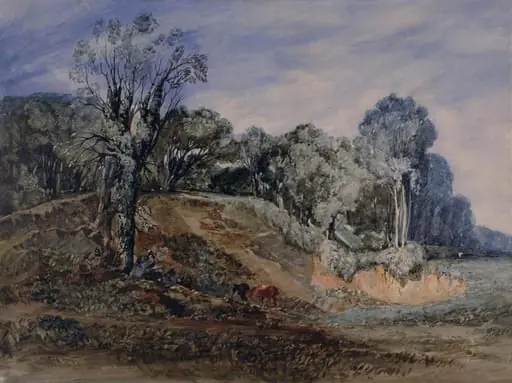 Hampstead Heath
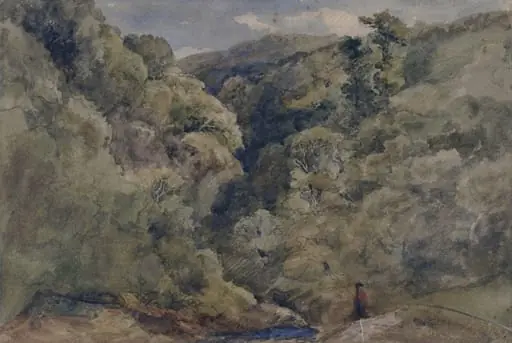 A Mountain Glen
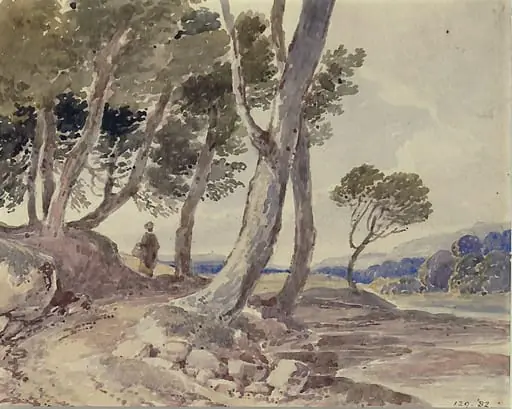 Landscape with trees and water
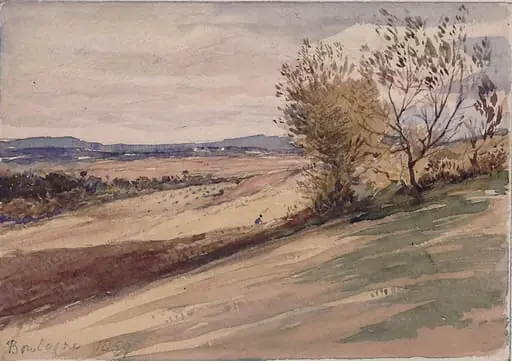 Landscape near Boulogne
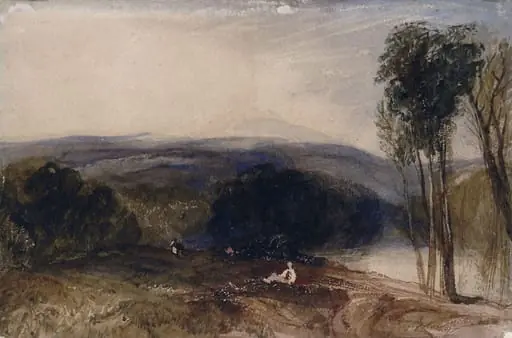 Landscape with river and mountain
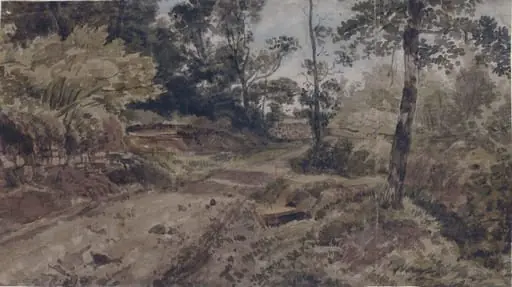 View at Cheshunt, Hertfordshire
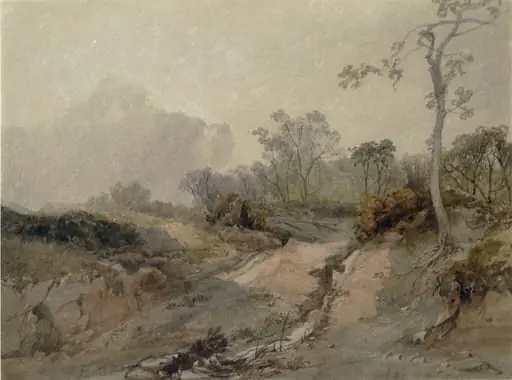 Landscape with Rutted Track
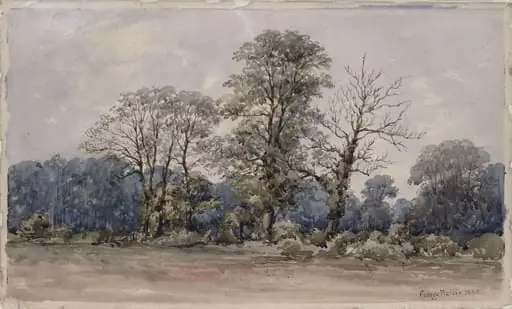 Trees at Perry Bar, near Birmingham
 Landscape with wagon and cattle