Artwork
Intermission
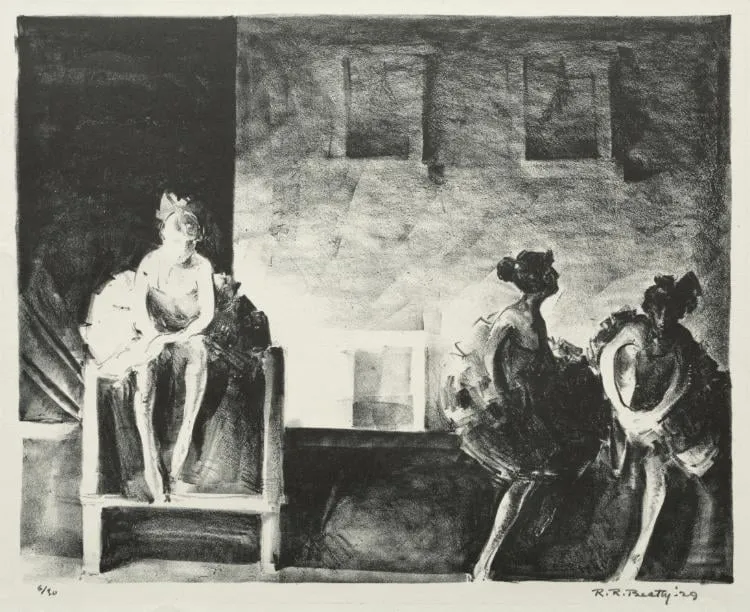
Intermission is a print by Richard Beatty. It dates from 1929 and is held in the collection of the Cleveland Museum of Art.
About this work
Overview
Intermission captures a bustling theater lobby during a brief pause in performance. The composition is filled with figures in dark coats and hats, their faces illuminated only by the soft glow of overhead lighting. The scene conveys the transient atmosphere of a public gathering space, rendered in stark contrasts that emphasize movement and anonymity.
Subject & Meaning
The work portrays ordinary patrons of a Cleveland theater, reflecting everyday social rituals of the early 1930s. By focusing on the half‑lit faces and crowded interior, the image suggests a moment of collective anticipation and fleeting interaction, inviting viewers to consider the shared experience of public leisure.
Technique & Style
Beatty employed a wax‑based litho crayon, pressing firmly to produce thick, scratchy lines that define form without gradation. This method creates a chiaroscuro effect, allowing light and shadow to emerge through stark line work rather than blended tones. The resulting texture resembles a vigorous sketch, conveying immediacy and energy.
History & Provenance
Around 1933, the Karamu Theatre established a graphic arts program and recruited Beatty for his proficiency in lithography. While teaching, he taught himself the medium during nighttime hours, developing the skill set evident in this print. The piece remains linked to the Karamu initiative and its early educational efforts.
Context
Created in Cleveland during the Great Depression, the print reflects the city’s vibrant cultural life despite economic hardship. The theater setting underscores the role of performance venues as communal refuges, while the artwork’s focus on ordinary attendees aligns with contemporary social realist interests in documenting daily urban experience.
Artist & collection

 Untitled
 Fantastic Symphony: A Ball
 Les Soutiens de la société
 Girl Fixing Her Hair
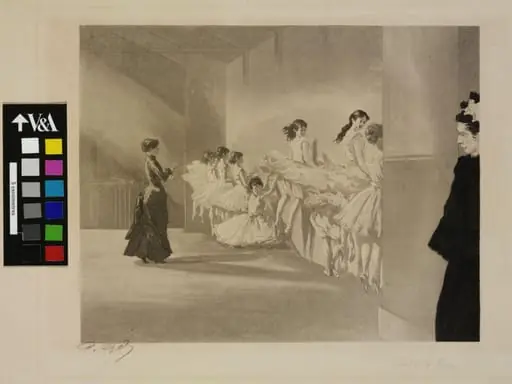 Saut à la barre
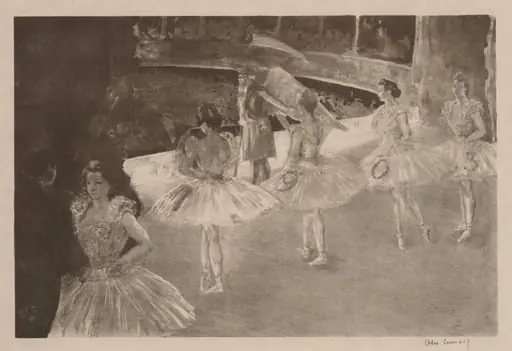 Le Ballet
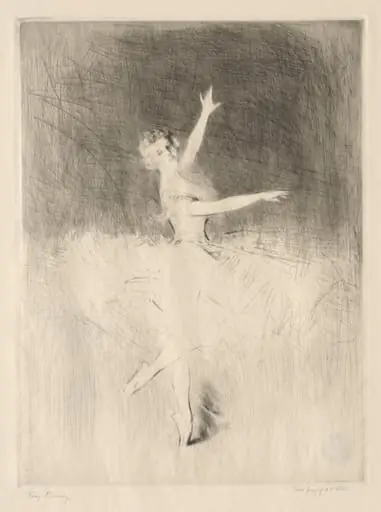 Adeline Génee
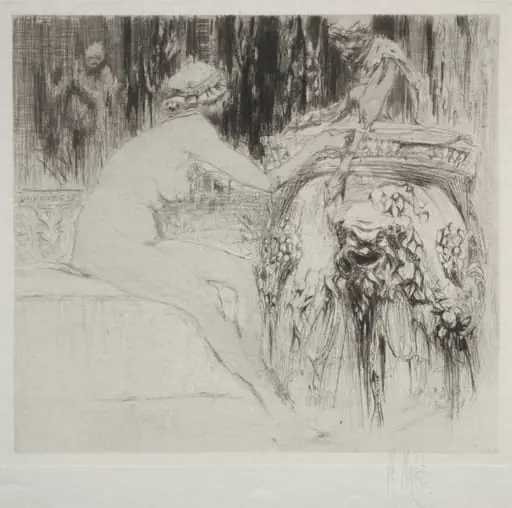 The Bacchante and the Young Faun
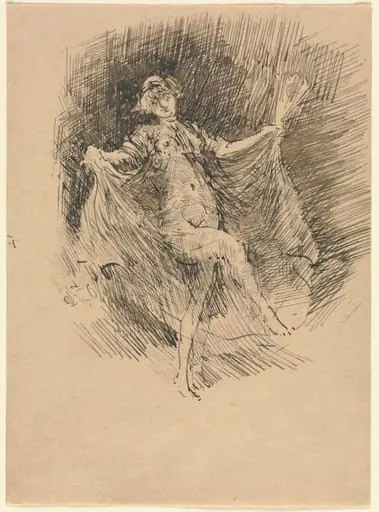 The Dancer, No. 1
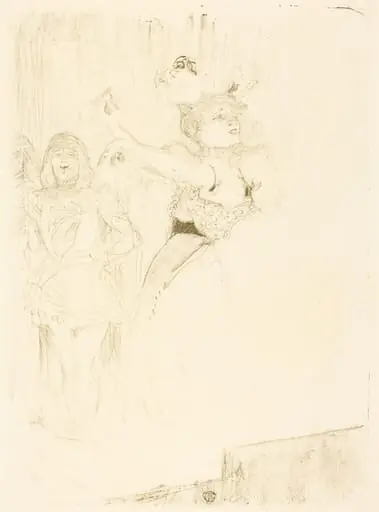 Lender Dancing the Bolero in "Chilperic" (Lender dansant le pas du boléro dans "Chilpéric")
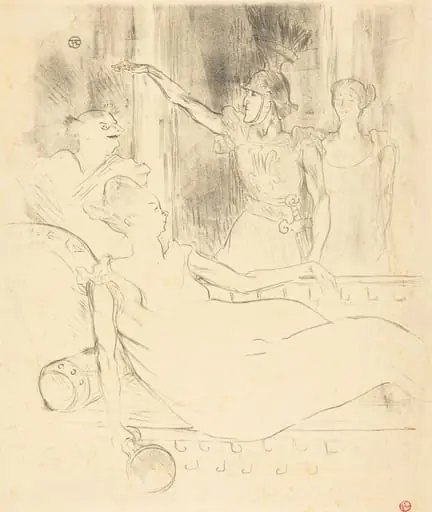 Mme. Simon-Girard, Brasseur, and Guy in "La belle Helene" (Mme. Simon-Girard, Brasseur et Guy dans "La belle Hélène")
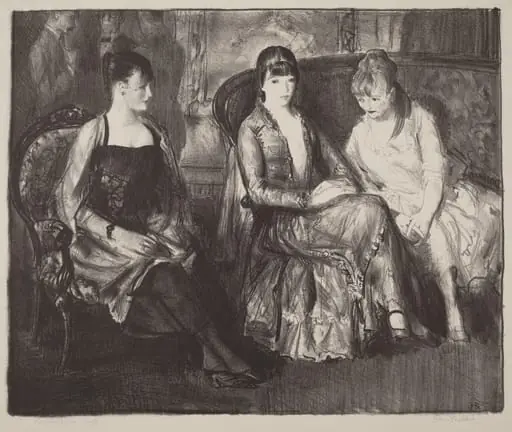 Elsie, Emma and Marjorie, second stone