Artwork
Mercury and a goddess
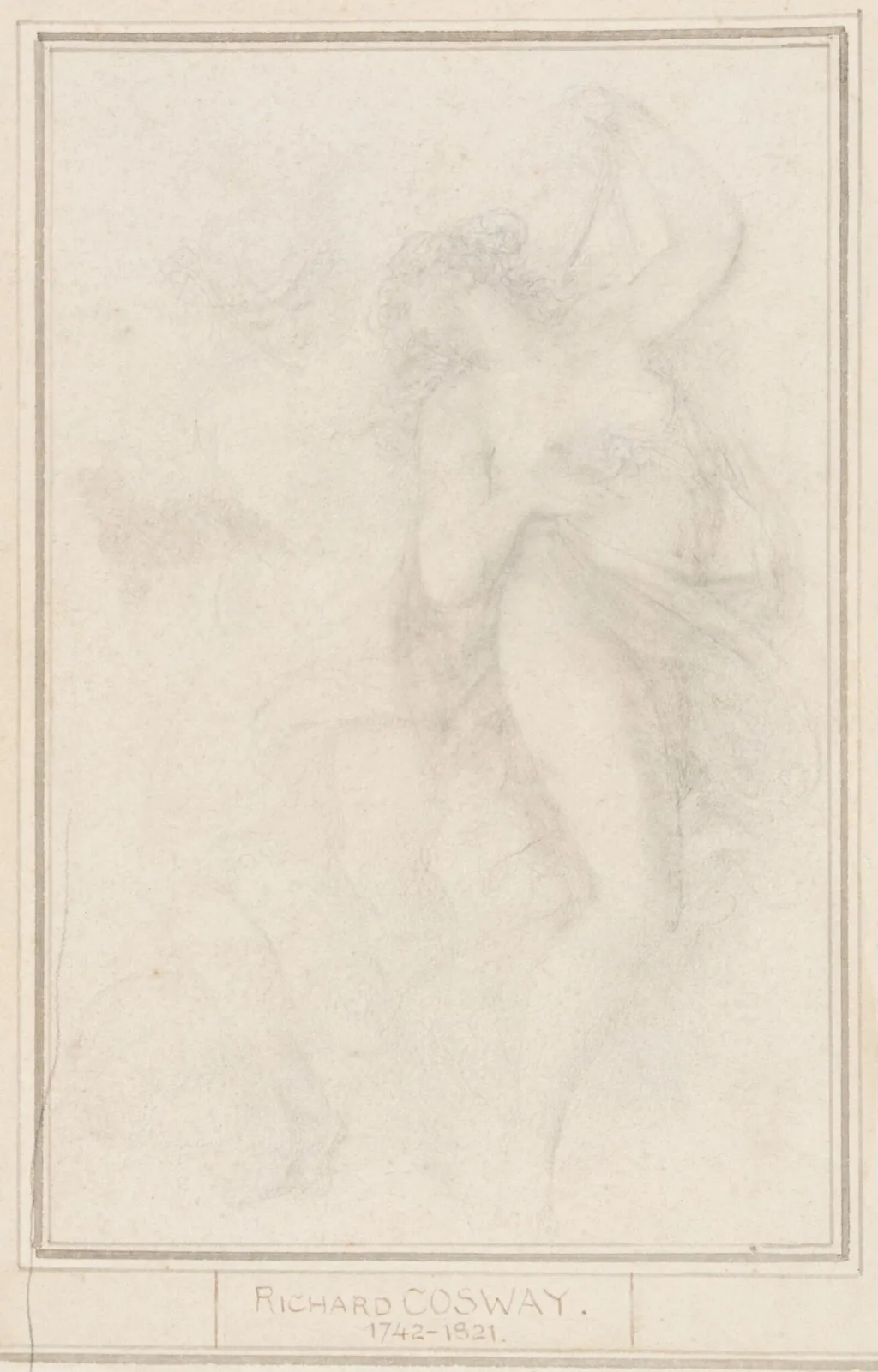
Mercury and a goddess is a drawing by the Romanticist artist Richard Cosway. It dates from 1812 and is held in the collection of the Victoria and Albert Museum.
About this work
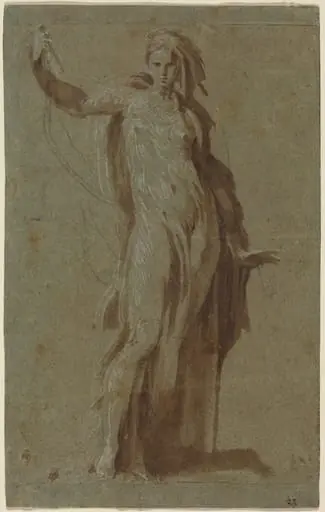
This sketch shows a single figure standing with one leg bent, arms raised slightly as if holding something invisible.
This sketch shows a single figure standing with one leg bent, arms raised slightly as if holding something invisible. The lines are loose and quick, with no clear background—just a pale, empty space. The figure’s body is drawn in a simple, flowing style, with no extra details like clothing or landscape.
The artist signed it in the corner: *Richard Cosway, 1742–1821*. The drawing feels more like a quick study than a finished work, with light shading that suggests movement.
Look up cross-hatching to see how artists build shadows with layers of lines.
Overview
The work is a pencil drawing executed in 1812 by the English miniaturist Richard Cosway (1742–1821). Rendered on paper, the composition features a solitary figure captured in a dynamic pose, one leg bent and arms lifted as if grasping an unseen object. The drawing is signed by the artist in ink on the mount and again in pencil, indicating its authorship and date.
Subject & Meaning
The lone figure appears to be engaged in a dance or ritual gesture, its posture suggesting movement and an implied interaction with an invisible presence. While the title references Mercury and a goddess, the drawing itself offers no explicit attributes—no wings, caduceus, or divine attire—leaving the identification to the viewer’s imagination and the accompanying label.
Technique & Style
Cosway employed loose, rapid pencil strokes to outline the anatomy, using light shading and cross‑hatching to suggest volume and motion. The absence of a detailed background and the minimal rendering of clothing emphasize the study’s focus on gesture. The drawing’s economy of line reflects a preparatory sketch rather than a polished finished piece.
History & Provenance
Created in the early nineteenth century, the drawing bears Cosway’s signature in both ink and pencil, confirming its authenticity. It remains documented as part of the artist’s oeuvre of preparatory studies, though its exact ownership trail prior to its current institutional holding is not recorded in the available sources.
Context
Richard Cosway was renowned for his delicate miniature portraits and his involvement in the neoclassical aesthetic of the late Georgian period. This study aligns with his practice of producing quick gesture drawings to explore compositional ideas for larger works, a common method among artists of his time.
Legacy
Although not a finished composition, the drawing provides insight into Cosway’s creative process and his approach to capturing movement. It contributes to the broader understanding of early nineteenth‑century British drawing techniques and the artist’s role in the transition from Rococo elegance to neoclassical restraint.
Artist & collection
Artist
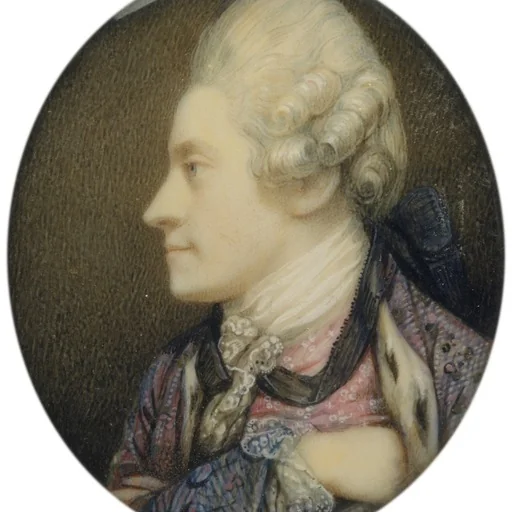
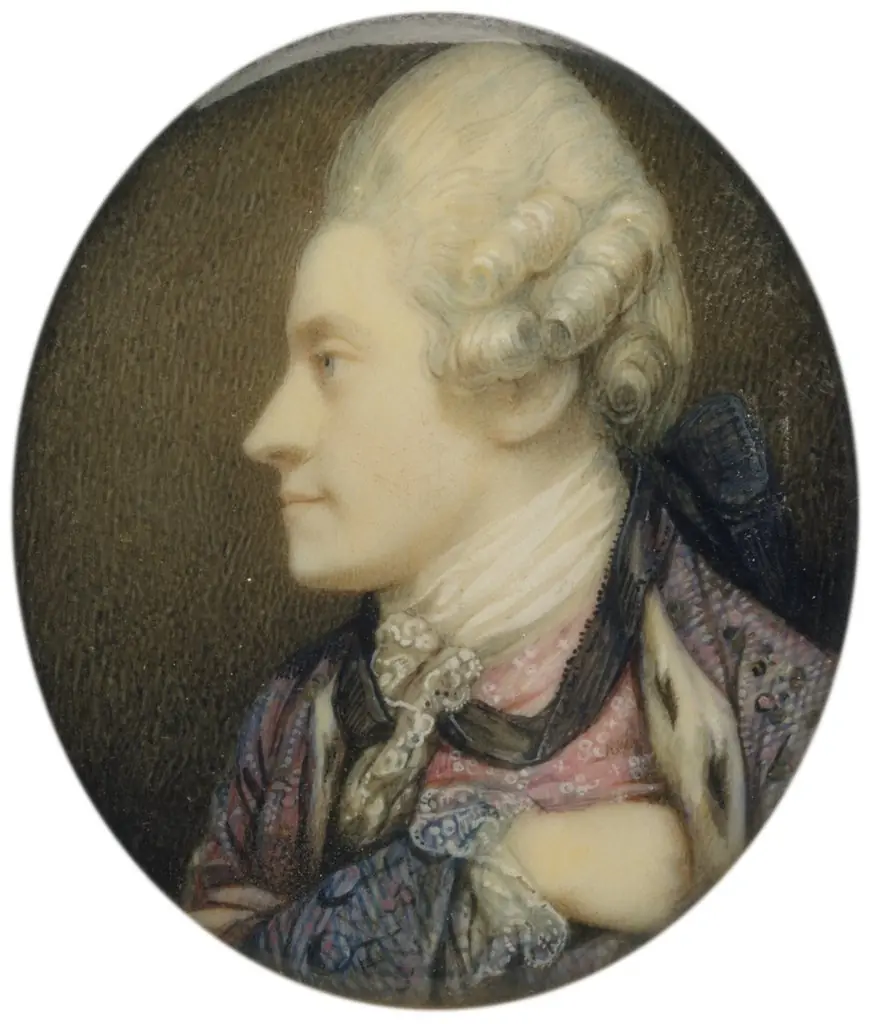
Richard Cosway (5 November 1742 – 4 July 1821) was a leading English portrait painter of the Georgian and Regency era, noted for his miniatures.

 Standing Woman Holding a Scroll
 Flora and Mercury
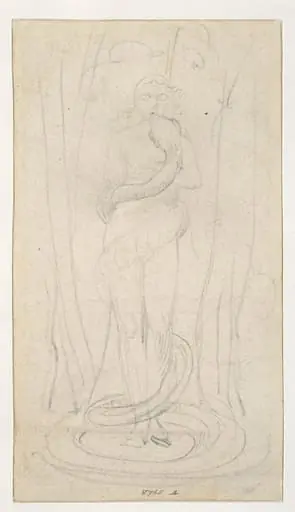 The serpent caressing Eve
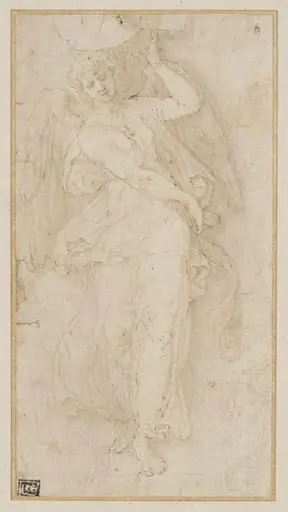 A nymph dancing
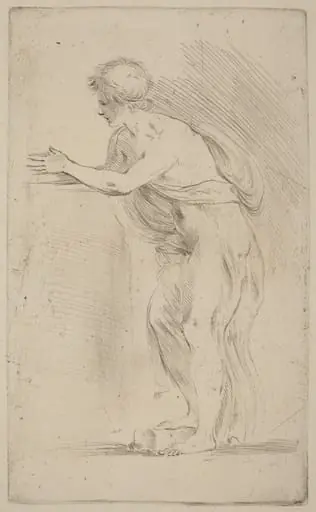 Academy of a Young Man
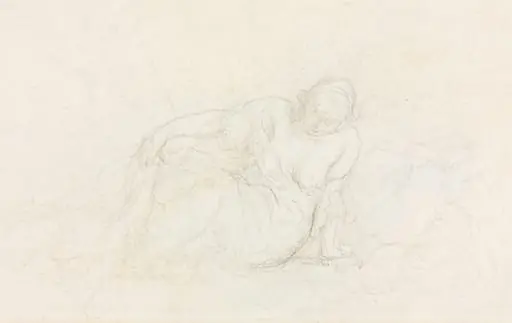 Reclining Woman Leaning on Her Arm (verso)
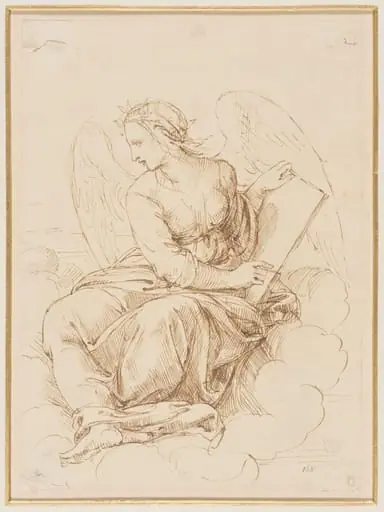 Design
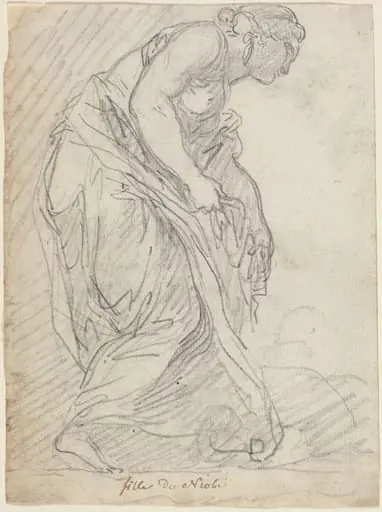 One of Niobe's Daughters
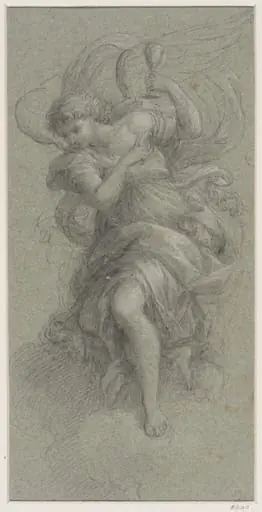 Kneeling angel holding a chalice
![A Reclining Nude with Her Right Arm Raised over a Swift Composition Study [verso], by Jean-Baptiste Deshays](https://artifactworldgallery.com/img/jean-baptiste-deshays--a-reclining-nude-with-her-right-arm-raised-over-a-swift-comp--8e1ee92955ff9975-w320.webp) A Reclining Nude with Her Right Arm Raised over a Swift Composition Study [verso]
A Reclining Nude with Her Right Arm Raised over a Swift Composition Study [verso]![Woman in Toga [verso], by Hubert Robert](https://artifactworldgallery.com/img/hubert-robert--woman-in-toga-verso--1c4b04982206f60e-w320.webp) Woman in Toga [verso]
Woman in Toga [verso]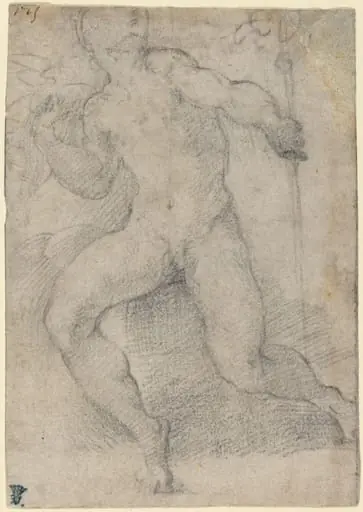 Mercury