Artwork
Portrait of a Man
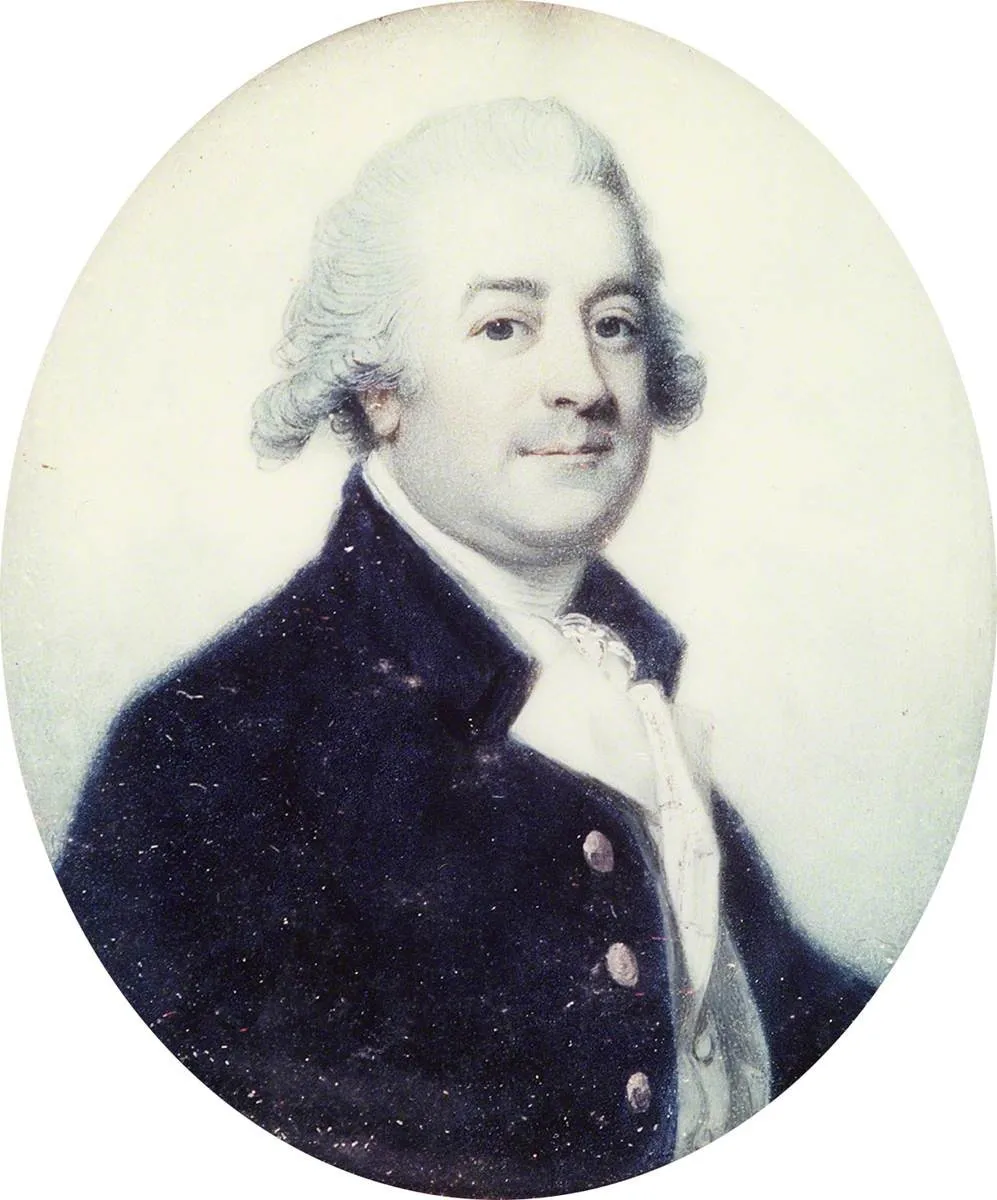
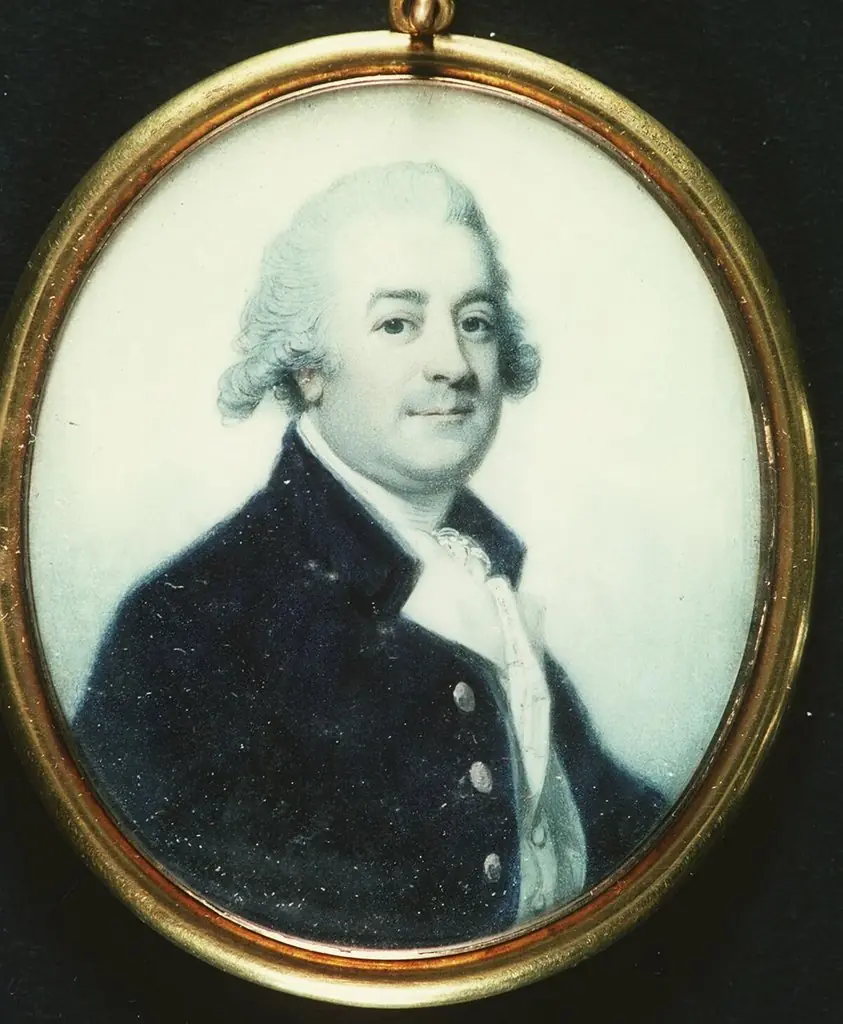
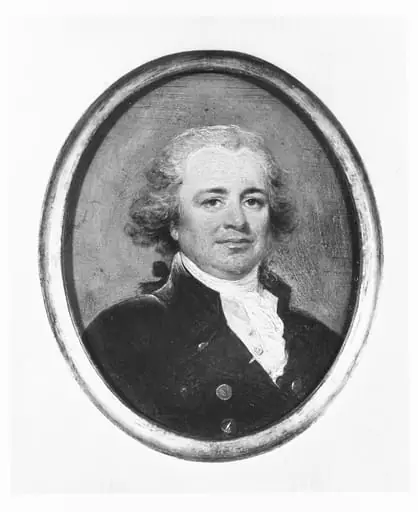
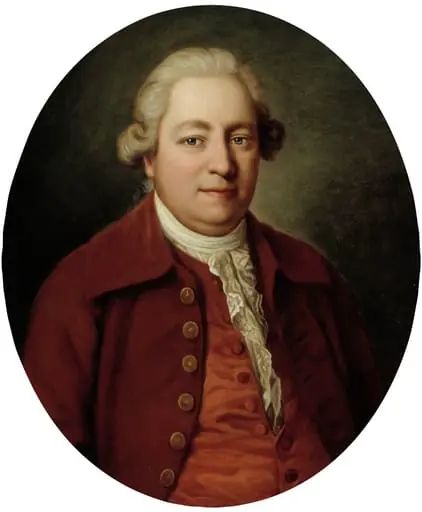
Portrait of a Man is an oil painting by Richard Crosse. It dates from 1786 and is held in the collection of the National Library of Wales. Created circa 1786, this intimate miniature presents a gentleman rendered on a thin sheet of ivory.
About this work
Overview
Created circa 1786, this intimate miniature presents a gentleman rendered on a thin sheet of ivory. The oval composition focuses on the sitter’s face, which is turned slightly to the right and meets the viewer’s gaze with a composed, neutral expression. The background is a muted, off‑white tone that enhances the subtle modeling of the figure.
Subject & Meaning
The portrait depicts an older man with white hair, dressed in a dark, buttoned jacket and a crisp white shirt. The calm demeanor and direct eye contact suggest a dignified self‑presentation, typical of late‑eighteenth‑century British portraiture where personal virtue and social standing were conveyed through restrained facial expression and modest attire.
Technique & Style
Executed with fine brushwork on ivory, the artist employs delicate layers to render the texture of hair and fabric, achieving a soft transition of tones reminiscent of sfumato. The limited palette and smooth background allow the sitter’s features to emerge with subtle chiaroscuro, characteristic of the British miniature tradition that prized precision and intimacy.
History & Provenance
The work belongs to the oeuvre of Richard Crosse, an English miniature painter active in the late 1700s and associated with contemporaries such as John Smart and George Engleheart. It entered the collection of the National Library of Wales, where it remains accessible for study, reflecting the institution’s commitment to preserving British portrait miniatures.
Artist & collection
Artist
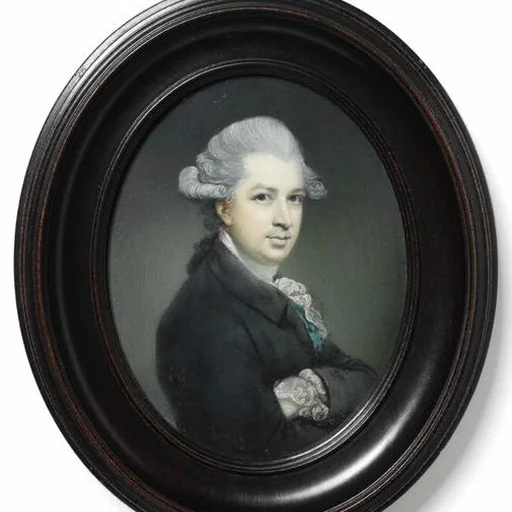
Richard Crosse (24 April 1742 – May 1810) was an English painter of portrait miniatures. He was a contemporary of John Smart, George Engleheart, Richard Cosway and William Wood.