Artwork
Revd James Douglas
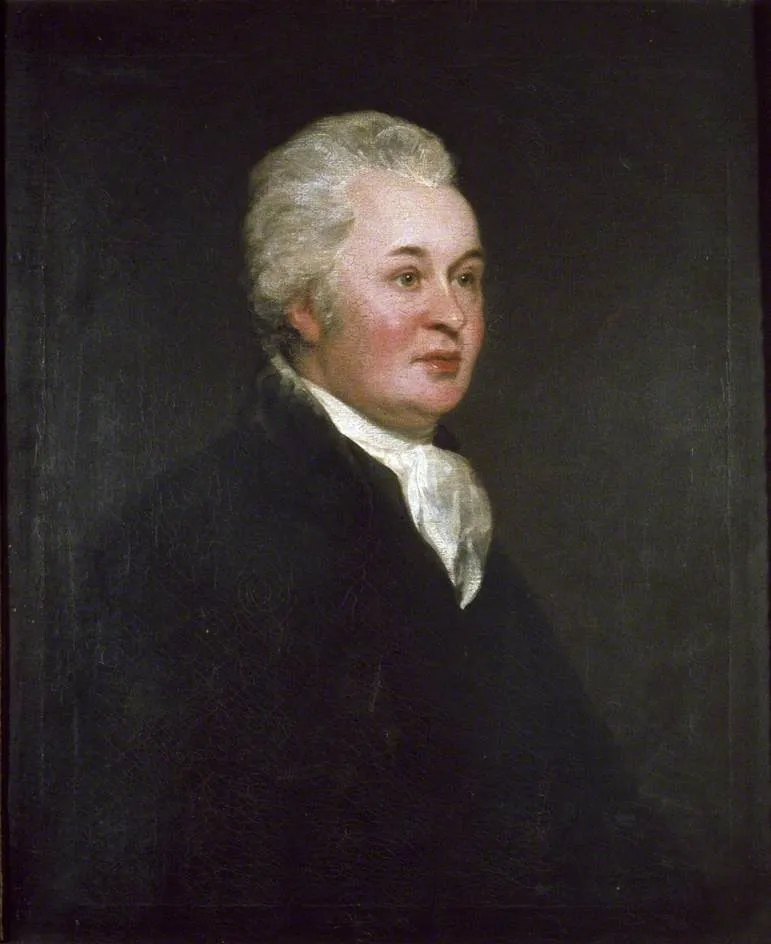
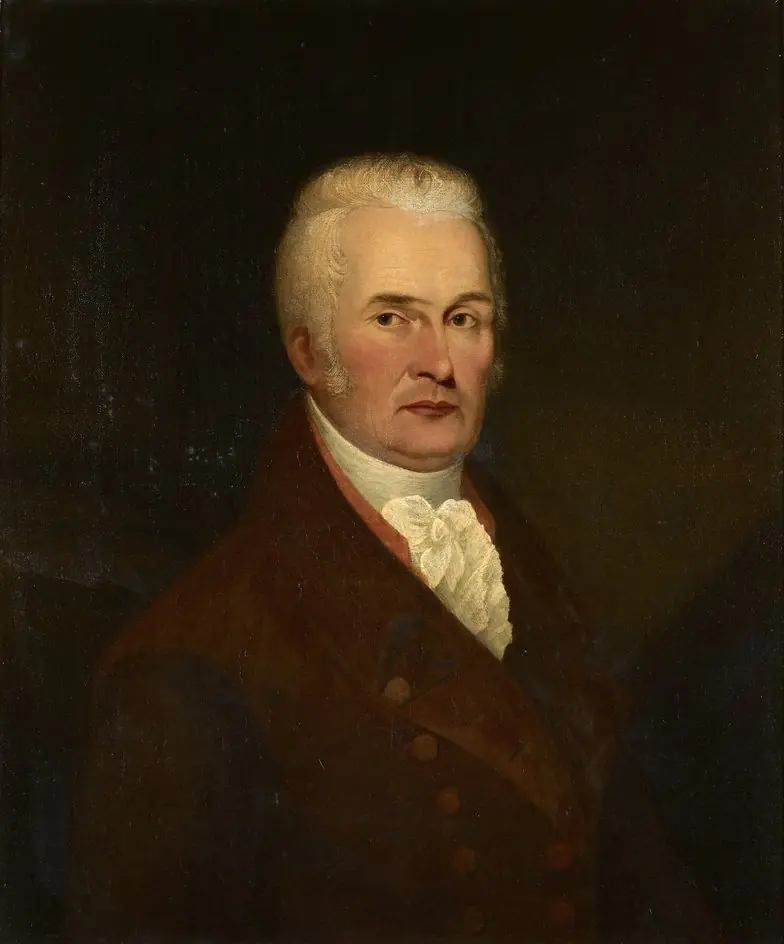
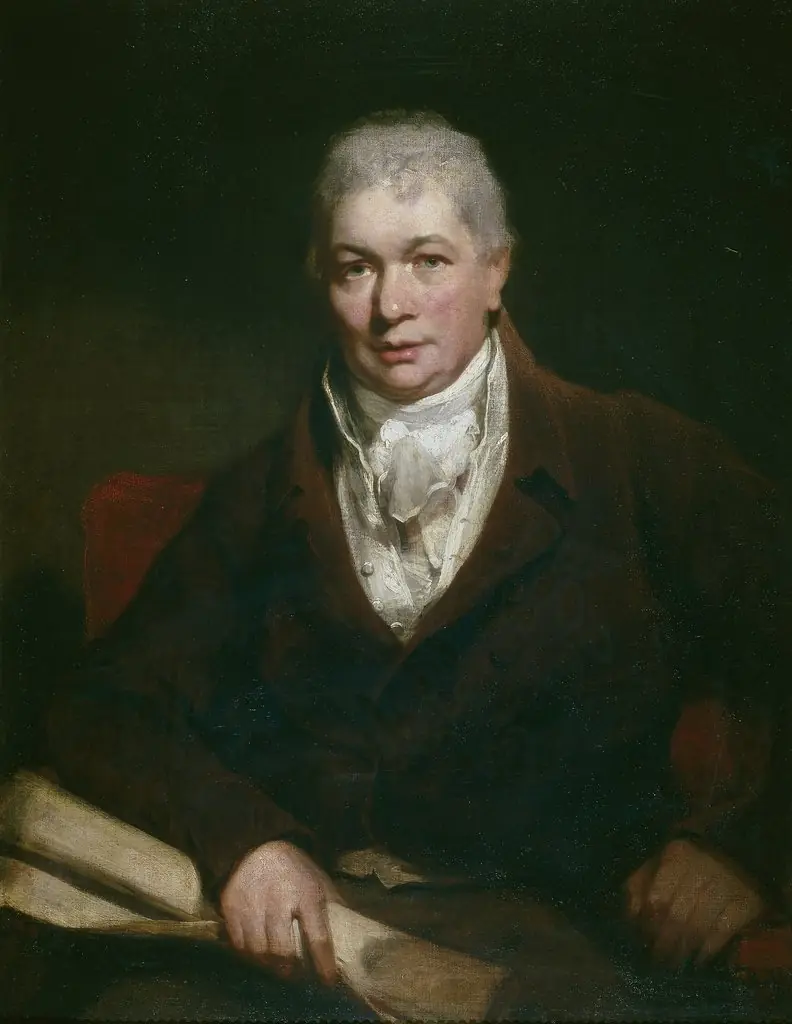
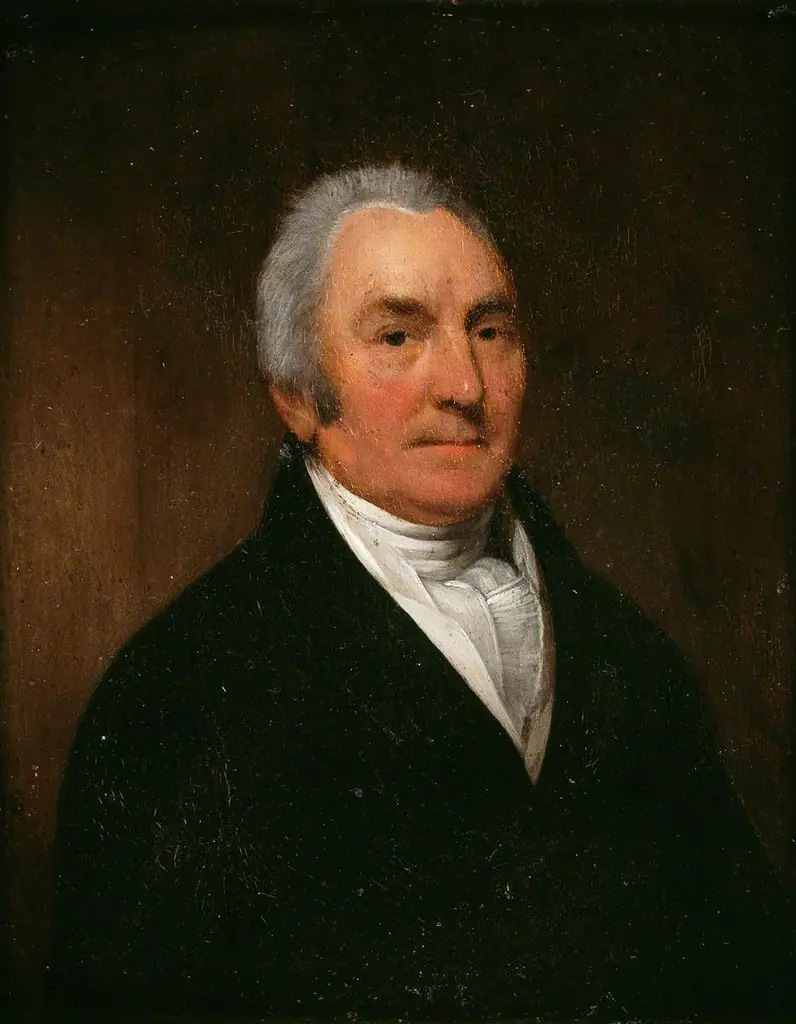
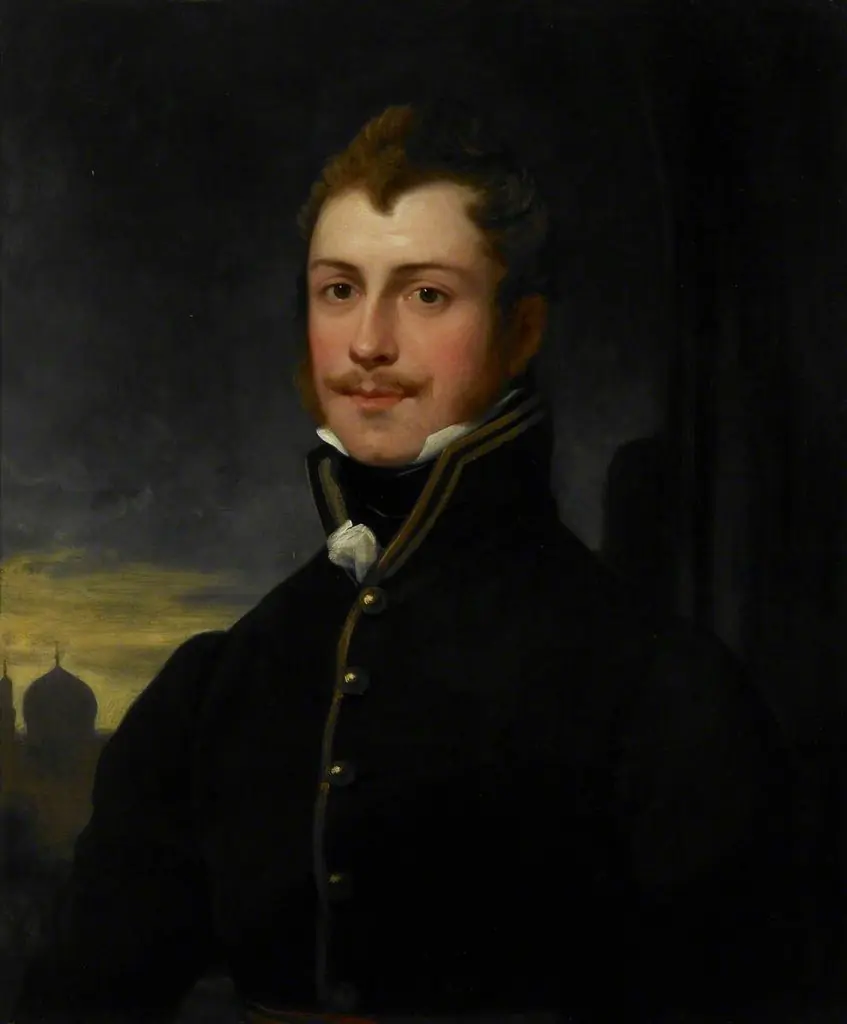
Revd James Douglas is an oil painting by Thomas Phillips. It dates from 1817 and is held in the collection of the Ashmolean Museum.
About this work
Overview
Phillips, known for his portraits of intellectuals and public figures, rendered Douglas with quiet precision, emphasizing dignity over theatricality.
Thomas Phillips painted Reverend James Douglas in oil around 1817, capturing a clergyman of the early 19th century. The work is part of the Ashmolean Museum’s collection in Oxford. Phillips, known for his portraits of intellectuals and public figures, rendered Douglas with quiet precision, emphasizing dignity over theatricality. The painting reflects a period when portraiture served both personal and social documentation.
Subject & Meaning
Reverend James Douglas, a clergyman, is depicted without overt symbols of his office, suggesting a focus on personal character rather than institutional role. His neutral expression and direct gaze convey composure and introspection. The absence of elaborate background or props shifts attention to his presence, aligning with early 19th-century ideals of restrained virtue and moral steadiness in religious figures.
Technique & Style
Phillips employed fine brushwork to render the texture of Douglas’s white hair and the sheen of his black jacket, contrasting with the plain white collar. The dark, unobtrusive background isolates the figure, enhancing spatial clarity. Attention to fabric folds and subtle lighting suggests a methodical approach rooted in academic tradition, prioritizing accuracy over expressive flourish.
History & Provenance
The painting entered the Ashmolean Museum’s collection in the 19th century, likely through donation or acquisition tied to Oxford’s academic circles. Its preservation reflects the museum’s interest in documenting local and national figures of intellectual and ecclesiastical significance. No major alterations or restorations are recorded, preserving Phillips’s original execution.
Context
In the 1810s, British portraiture increasingly favored realism over idealization, especially among clergy and scholars. Phillips’s approach aligned with this shift, portraying subjects as individuals rather than archetypes. Reverend Douglas’s likeness would have been valued within ecclesiastical and academic networks, reinforcing social and intellectual connections of the era.
Legacy
The portrait endures as a representative example of Phillips’s quieter, more contemplative style, distinct from his more flamboyant royal commissions. It contributes to the historical record of religious figures in early 19th-century England, offering insight into how clerical identity was visually constructed outside ceremonial contexts.
Artist & collection
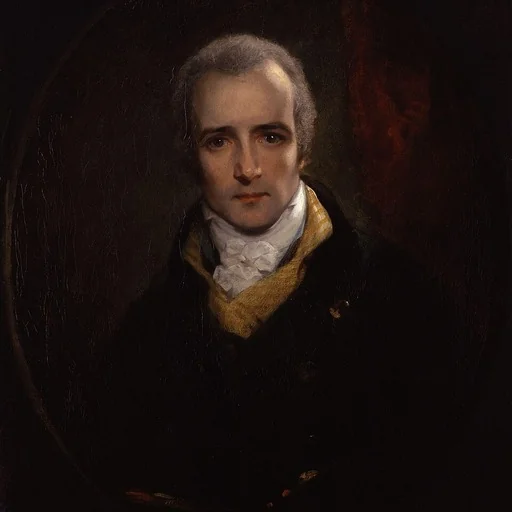
Artist
Thomas Phillips (18 October 1770 – 20 April 1845) was an English painter who specialised in portrait painting. He painted many of the notable men of the day including scientists, artists, writers, poets and explorers.

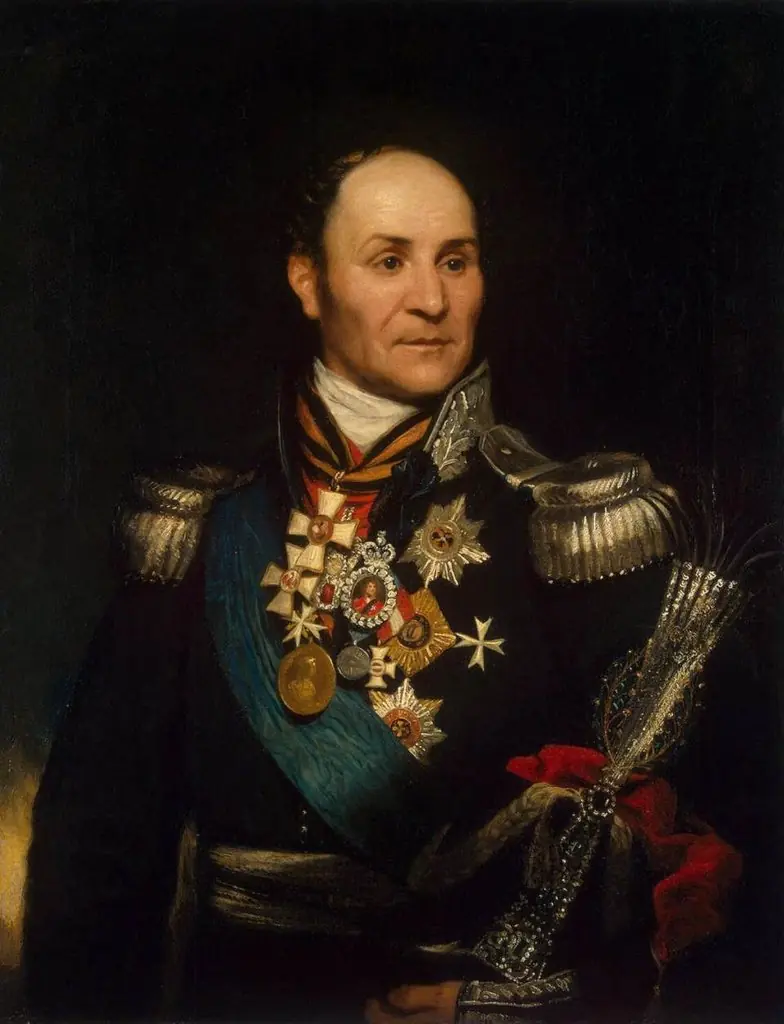 Portrait of Matvey I. Platov (1751-1818)
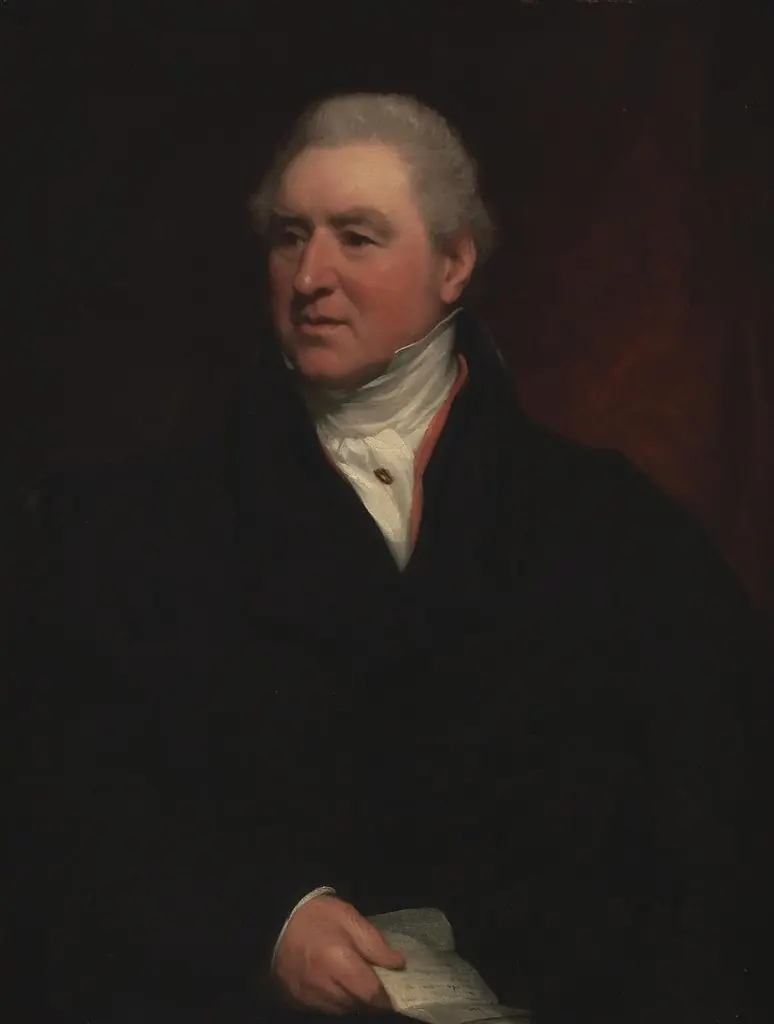 John Lloyd-Williams
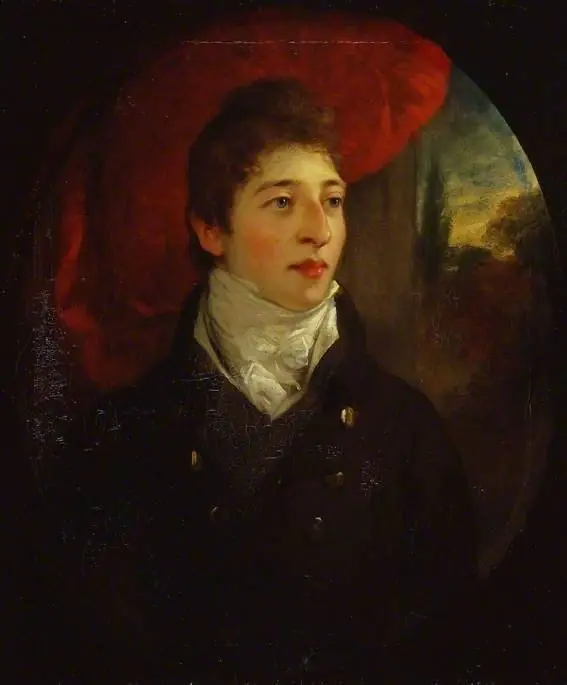 Hugh Percy, 3rd Duke of Northumberland
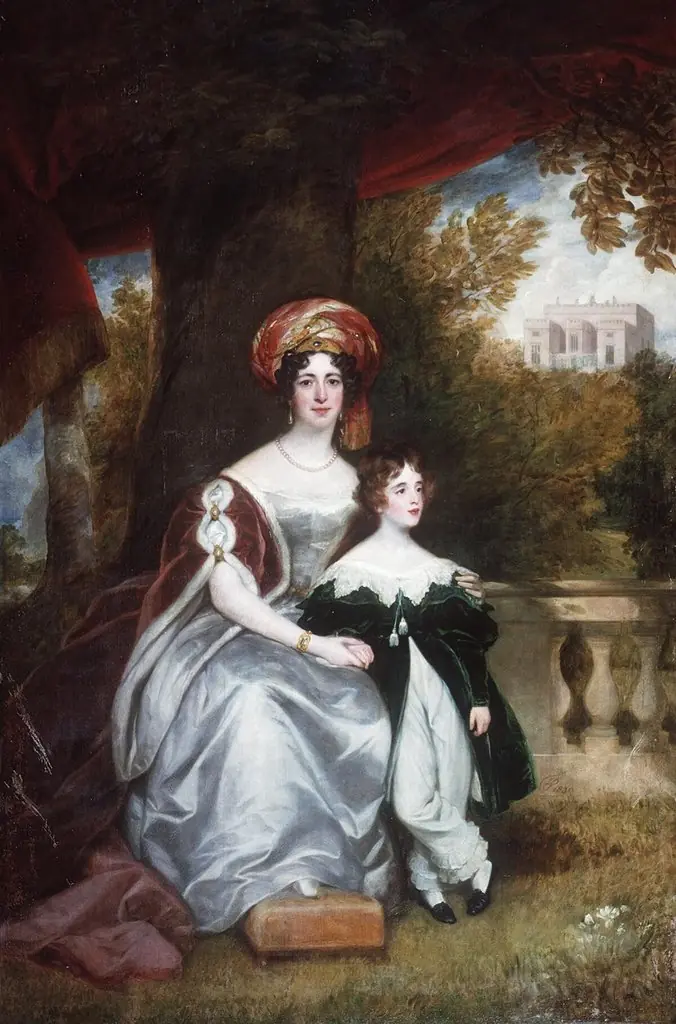 Caroline Windham
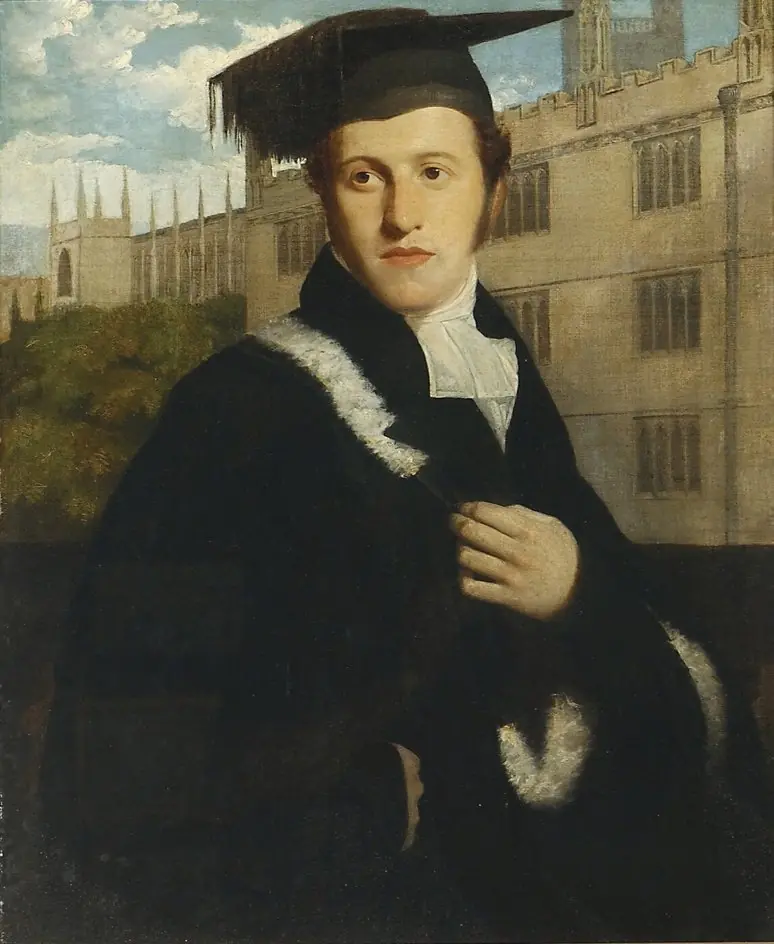 Portrait of an Oxford Undergraduate, perhaps Sir Henry Delves Broughton, Bt
 Προσωπογραφία αγνώστου άνδρα με δυτική ενδυμασία
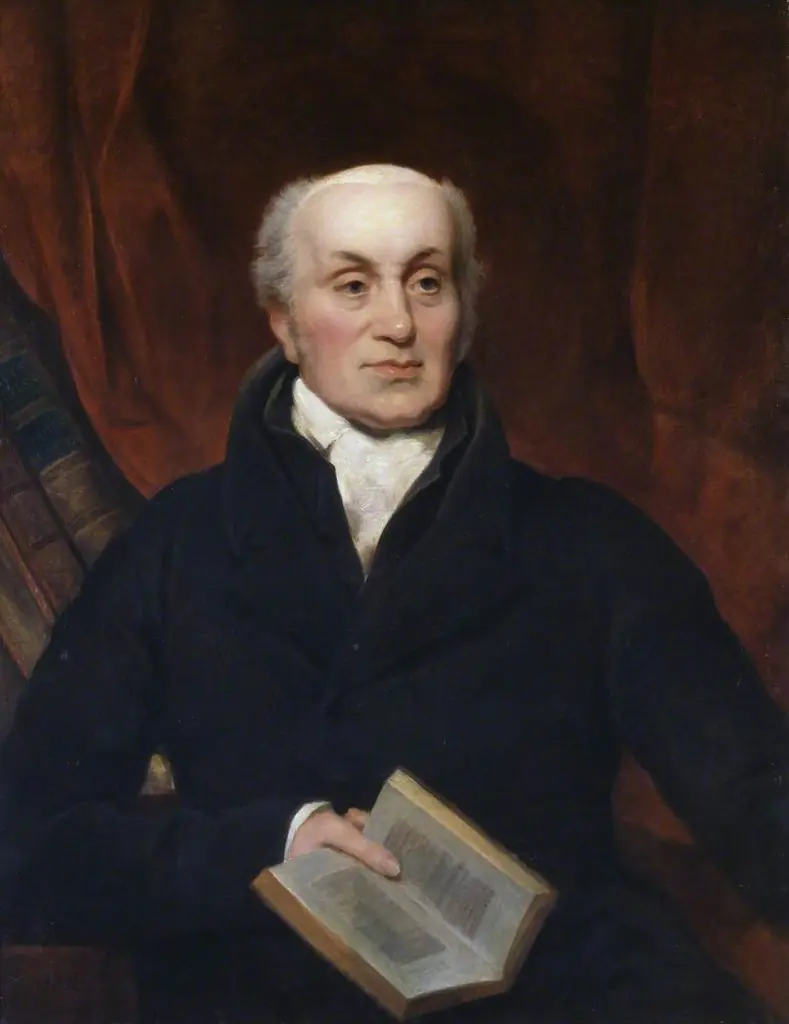 Joseph Planta (1744–1827), Principal Librarian (1799–1827)
 Claudius James Rich (1786/1787–1821)