Artwork
Untitled
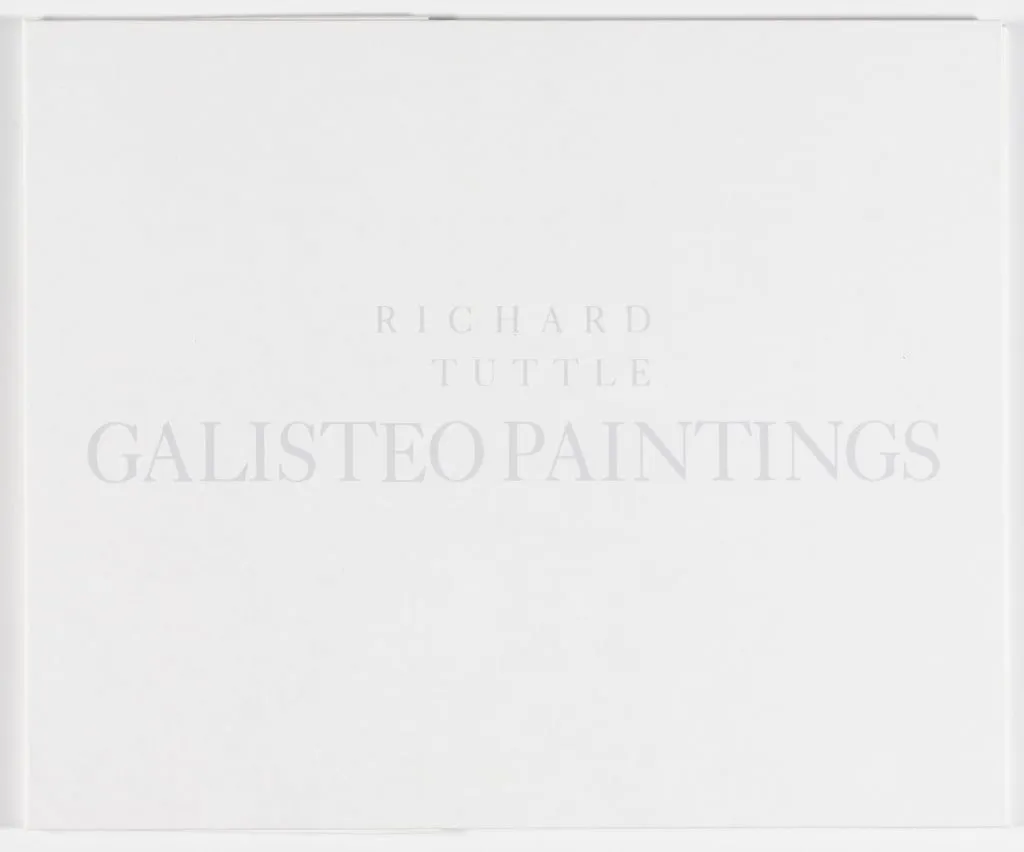
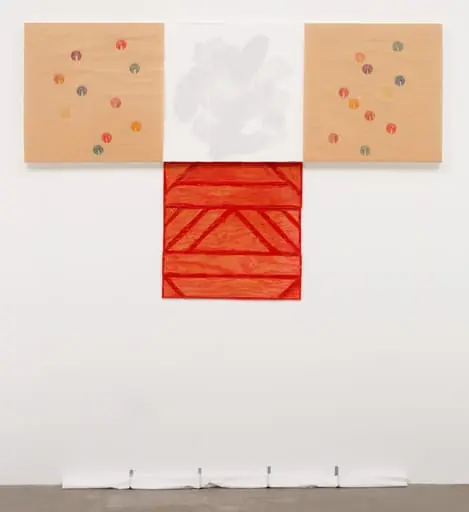
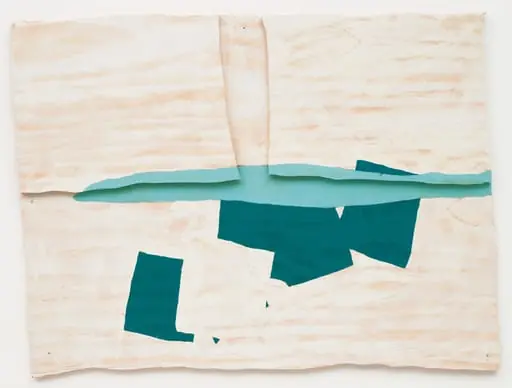
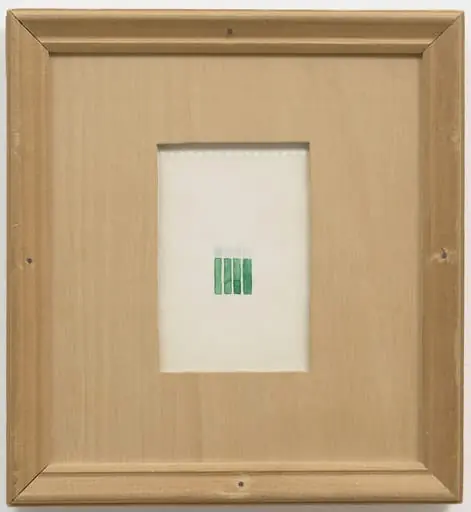
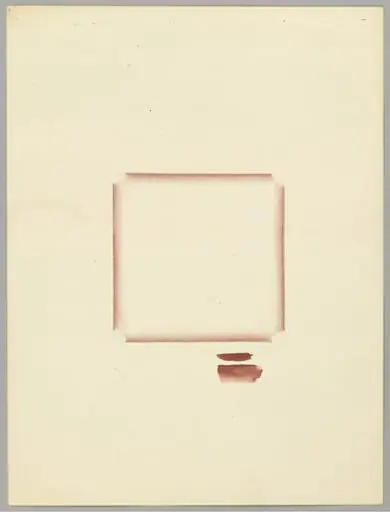
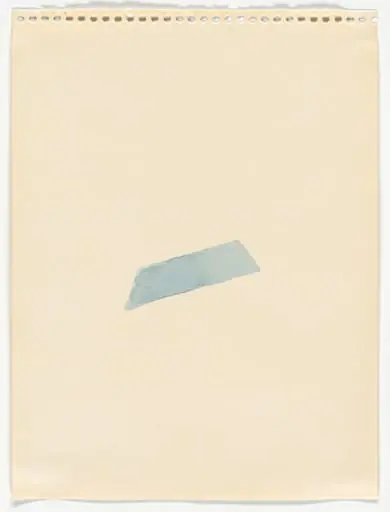
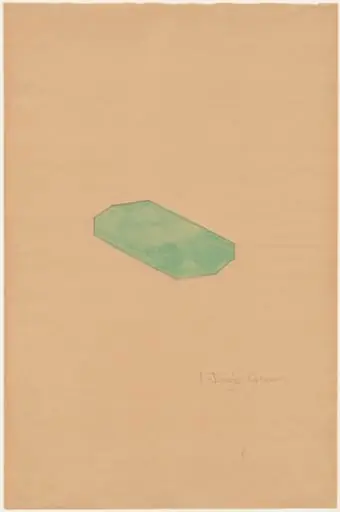
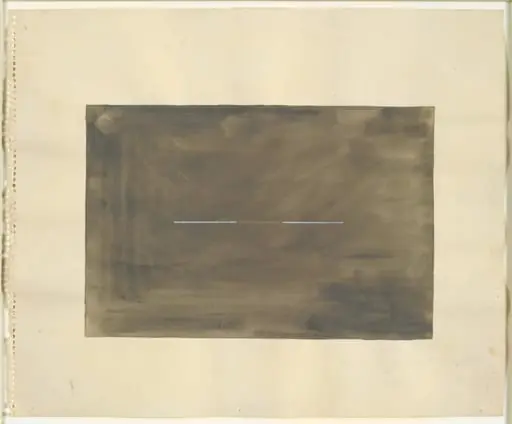
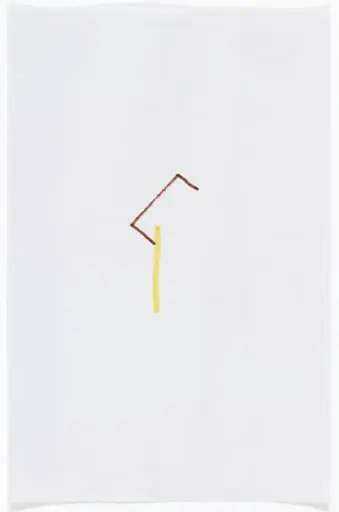
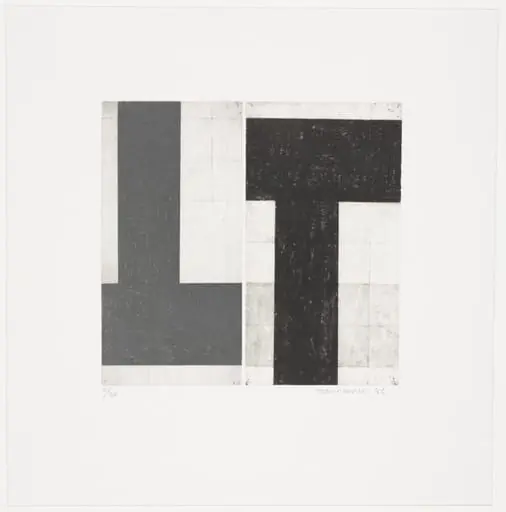
Untitled is an acrylic print by Richard Tuttle. It dates from 1993 and is held in the collection of the Museum of Modern Art.
About this work
The lack of visual imagery or other details makes the painting feel more like a title page or a label than a traditional work of art.
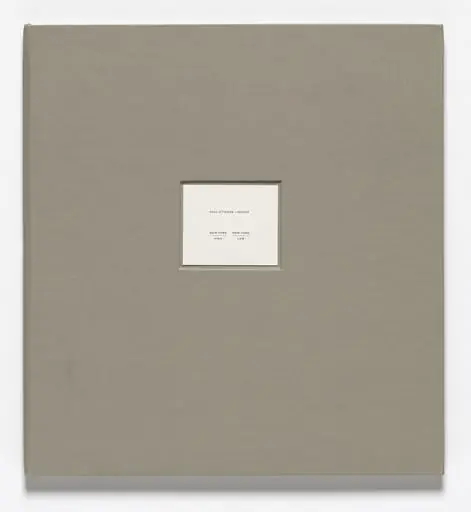
This painting is a portfolio of seven woodcuts with acrylic additions, created by Richard Tuttle in 1993. The image is a simple, white square with the words "RICHARD TUTTLE" and "GALISTEO PAINTINGS" in gray text. The text is centered and takes up most of the space, with no other visible details.
The use of a simple, monochromatic color scheme and the prominent display of the artist's name and title suggest a focus on the artist's identity and the work's context. The lack of visual imagery or other details makes the painting feel more like a title page or a label than a traditional work of art.
If you're interested in learning more about the artist behind this piece, you might want to look up Richard Tuttle.
Overview
Richard Tuttle produced this portfolio in 1993 as a set of seven woodcut prints, each enhanced with subtle acrylic interventions. Rather than presenting elaborate imagery, the works function as quiet investigations into the materiality of print and the presence of text. The series aligns with Tuttle’s broader practice of reducing form to its most restrained elements, challenging conventional expectations of what a print should contain.
Subject & Meaning
Each sheet in the portfolio bears only the artist’s name and the phrase 'GALISTEO PAINTINGS' in gray, centered on a white field. These textual elements serve not as decoration but as markers of authorship and context. The absence of pictorial content shifts focus to the act of naming and the institutional framing of art, inviting reflection on how identity and attribution shape perception.
Technique & Style
Tuttle employed woodcut, a historically labor-intensive medium, but stripped it of traditional imagery. Acrylic washes were applied sparingly to modify surface tone, preserving the paper’s texture and the grain of the woodblock. The result is a restrained aesthetic where process and materiality take precedence over representation, consistent with his postminimalist approach to making.
History & Provenance
Created during a period when Tuttle was deeply engaged with printmaking, this portfolio emerged from his studio in Galisteo, New Mexico. It was likely produced in collaboration with a small press or print workshop, reflecting his preference for intimate, hand-crafted editions. The work has since entered institutional collections, valued for its conceptual clarity and material restraint.
Context
In the early 1990s, Tuttle continued to question boundaries between drawing, sculpture, and print. This portfolio responds to a broader art-world interest in dematerialization and the role of the artist’s signature. By reducing the image to text, Tuttle aligns with conceptual strategies while maintaining a tactile, handmade quality that distinguishes his work from purely textual art.
Legacy
The portfolio exemplifies Tuttle’s enduring influence on contemporary printmaking by redefining its potential as a medium for conceptual inquiry. Its minimalism has inspired artists to consider the page not as a surface for illustration but as a site for presence, authorship, and quiet intervention. The work remains a touchstone for those exploring the limits of visual representation.
Artist & collection
Artist
Richard Dean Tuttle (born July 12, 1941) is an American postminimalist artist known for his small, casual, subtle, intimate works.