Artwork
Răzoarele
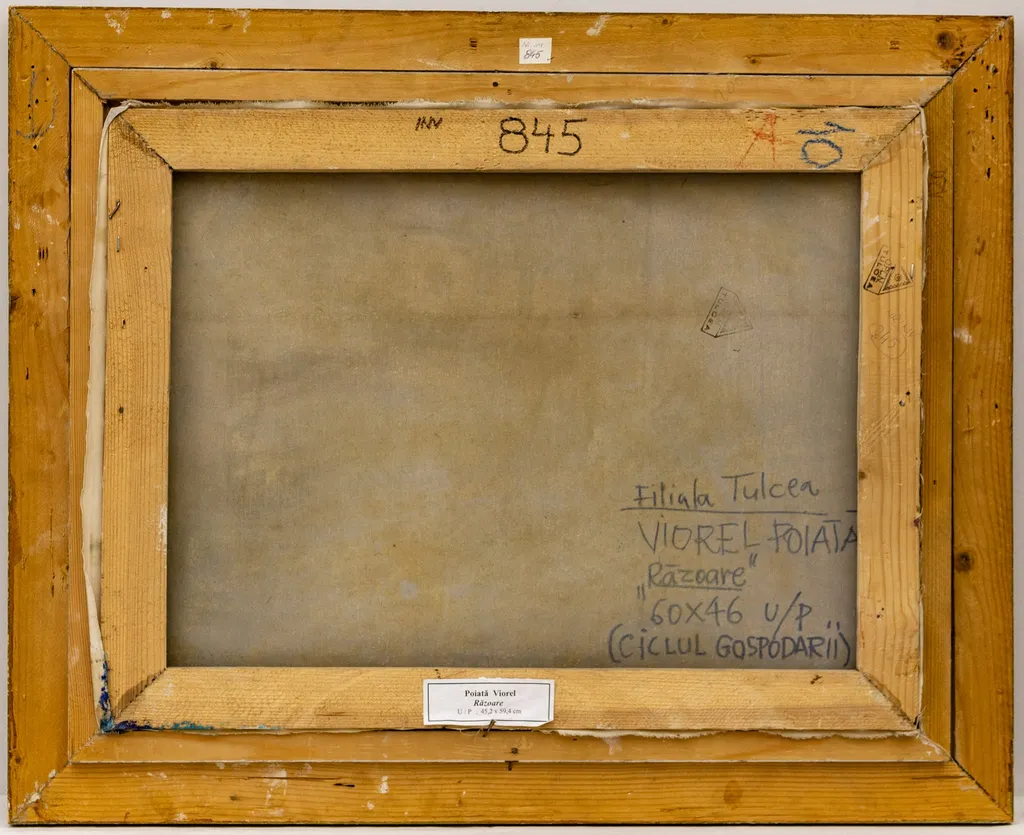
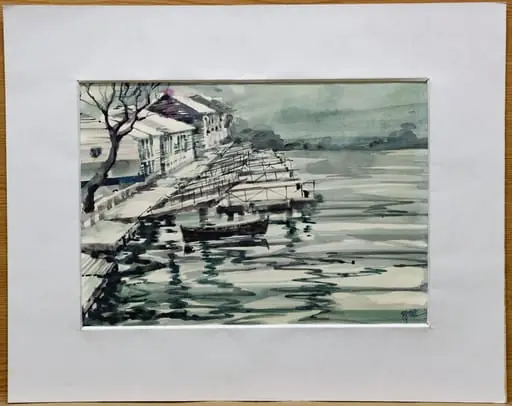
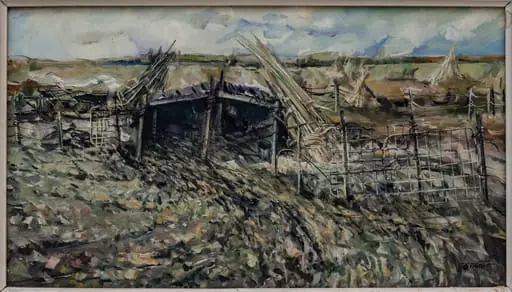
Răzoarele is a print by Viorel Poiată. It dates from 1988 and is held in the collection of the Gavrila Simion Eco-Museum Research Institute Tulcea.
About this work
Overview
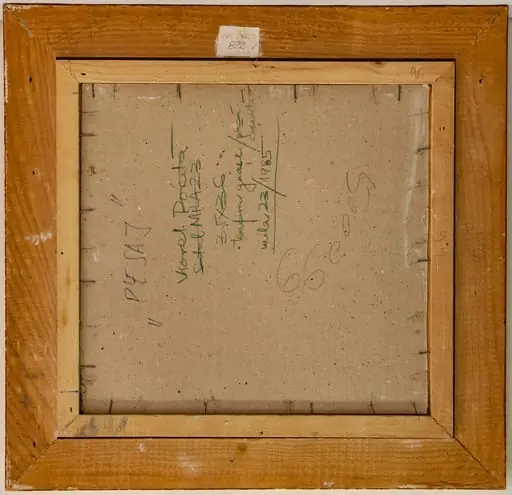
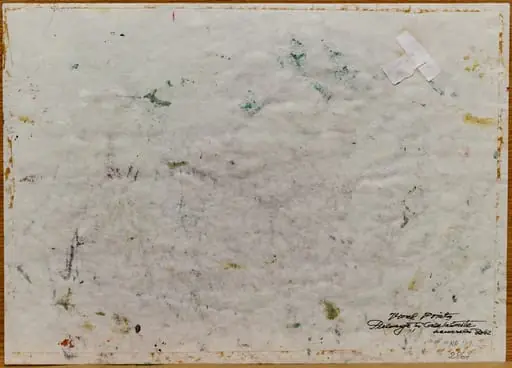
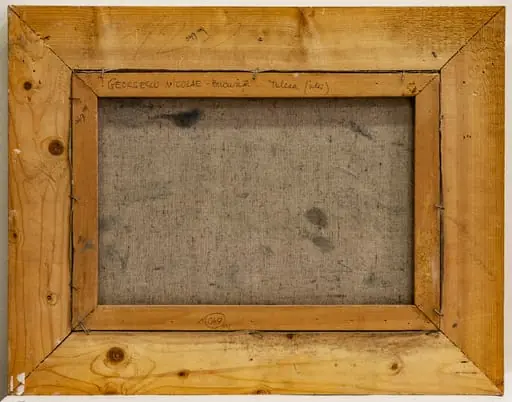
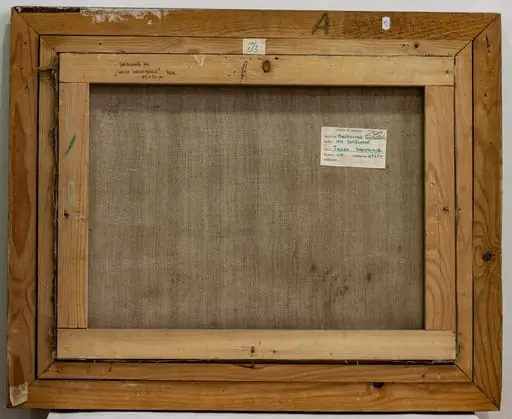
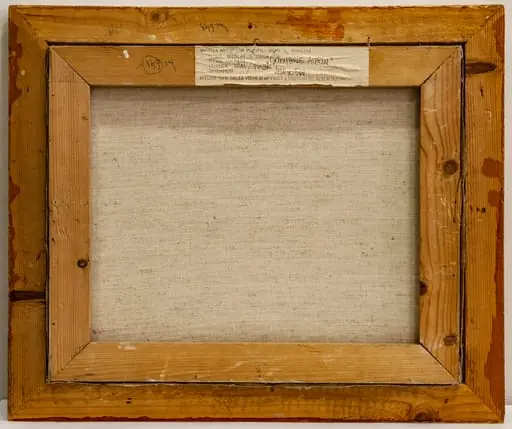
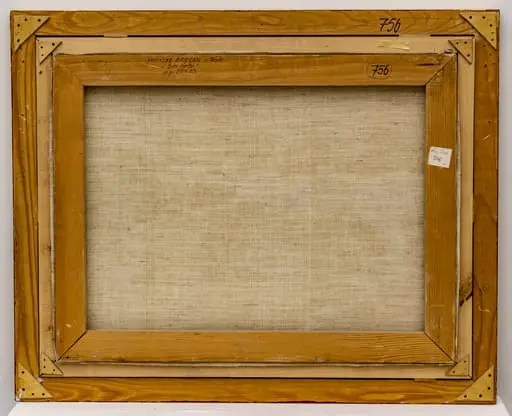
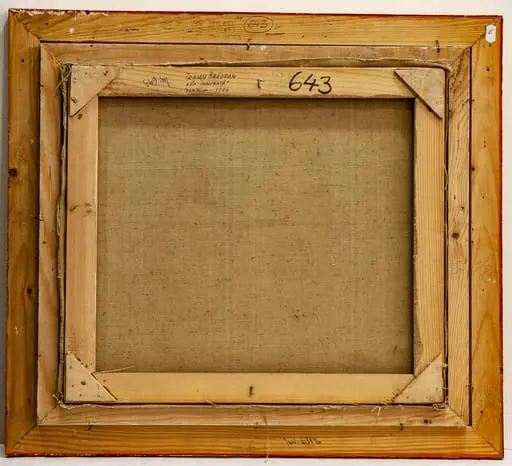
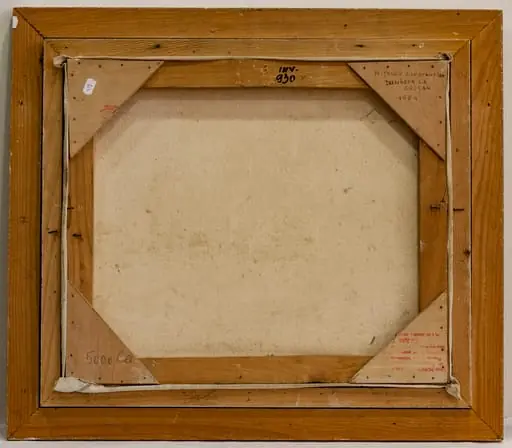
Răzoarele is a 1988 work by Romanian artist Viorel Poiată, consisting of an empty wooden frame with a faded, unprimed canvas.
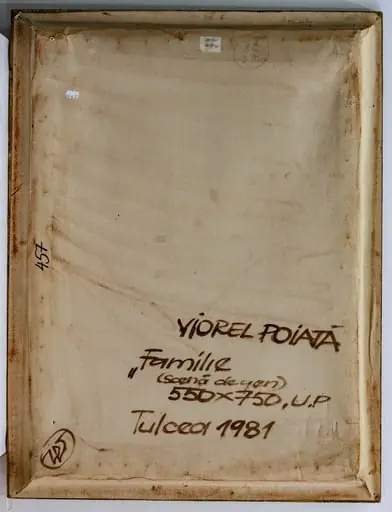
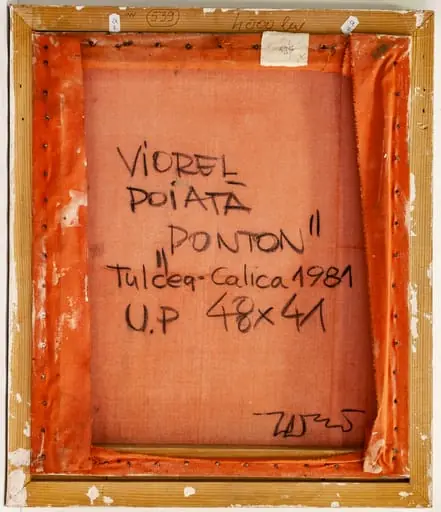
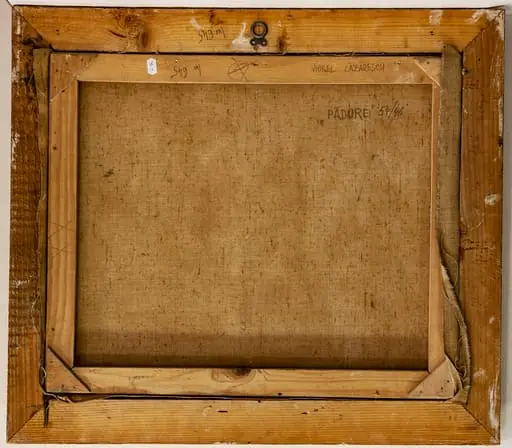
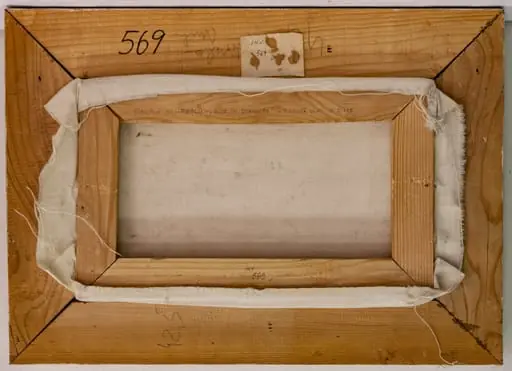
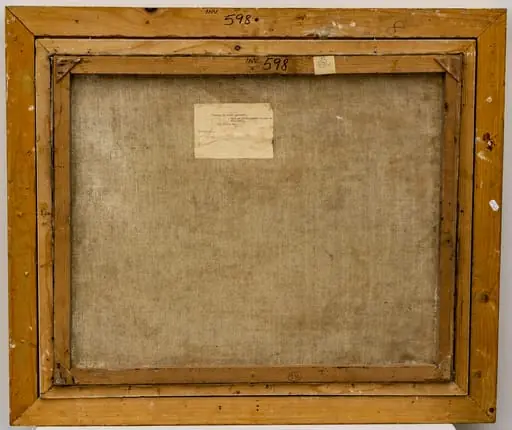
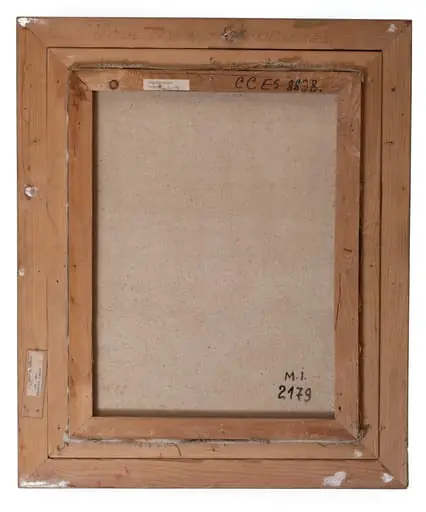
Răzoarele is a 1988 work by Romanian artist Viorel Poiată, consisting of an empty wooden frame with a faded, unprimed canvas. The frame shows signs of wear, with flaking paint and visible handling marks. A small label at the lower left identifies the artist and title, while handwritten annotations on the reverse provide dimensions and contextual linkage to a broader series. The object functions as both artifact and artwork, resisting conventional expectations of pictorial content.
Subject & Meaning
The work’s title, meaning 'The Little Ploughs' in Romanian, evokes rural labor and agricultural tradition, yet the absence of imagery subverts literal representation. By presenting only the frame and blank surface, Poiată shifts focus from depiction to absence—inviting reflection on erasure, memory, or the fading of peasant life under systemic change. The physical decay of the frame reinforces themes of impermanence and cultural loss.
Technique & Style
Poiată employs minimalism through material austerity: the canvas is left unadorned, the frame untreated beyond its original paint. The chipped edges and handwritten notes on the reverse suggest a process-oriented, almost archival approach. The work resists traditional painting techniques, instead emphasizing the objecthood of the frame and its history of use. This aligns with conceptual tendencies in late socialist-era Romanian art that prioritized idea over ornament.
History & Provenance
Răzoarele is part of the series 'Ciclul Gospodarii' (The Household Cycle), a group of works documenting rural domestic life through fragmented, non-representational means. The piece entered the collection of the Museum of Ethnography shortly after its creation, likely as part of a broader institutional effort to preserve vernacular cultural expressions during a period of state-led modernization. Its preservation as an object rather than a painting reflects its documentary function.
Context
Created in 1988, during the final years of Nicolae Ceaușescu’s regime, Răzoarele emerges amid state-enforced rural collectivization and the suppression of traditional livelihoods. While official art promoted idealized peasant imagery, Poiată’s blank frame quietly critiques this narrative by highlighting absence and decay. The work’s placement in an ethnographic museum underscores its role as a cultural relic, preserving traces of a vanishing world.
Legacy
Răzoarele has become a reference point in discussions of Romanian conceptual art from the late socialist period. Its quiet resistance to representation has influenced later artists exploring materiality, erasure, and the politics of memory. As a non-traditional artifact in an ethnographic setting, it challenges institutional boundaries between art and anthropology, prompting reconsideration of what constitutes cultural testimony.
Artist & collection
Artist
Viorel Poiată’s prints and paintings from the late 1980s capture everyday life in Romania with quiet attention.
Museum
Gavrila Simion Eco-Museum Research Institute Tulcea
Continue through works from the same source collection.