Artwork
Caernarvon Castle
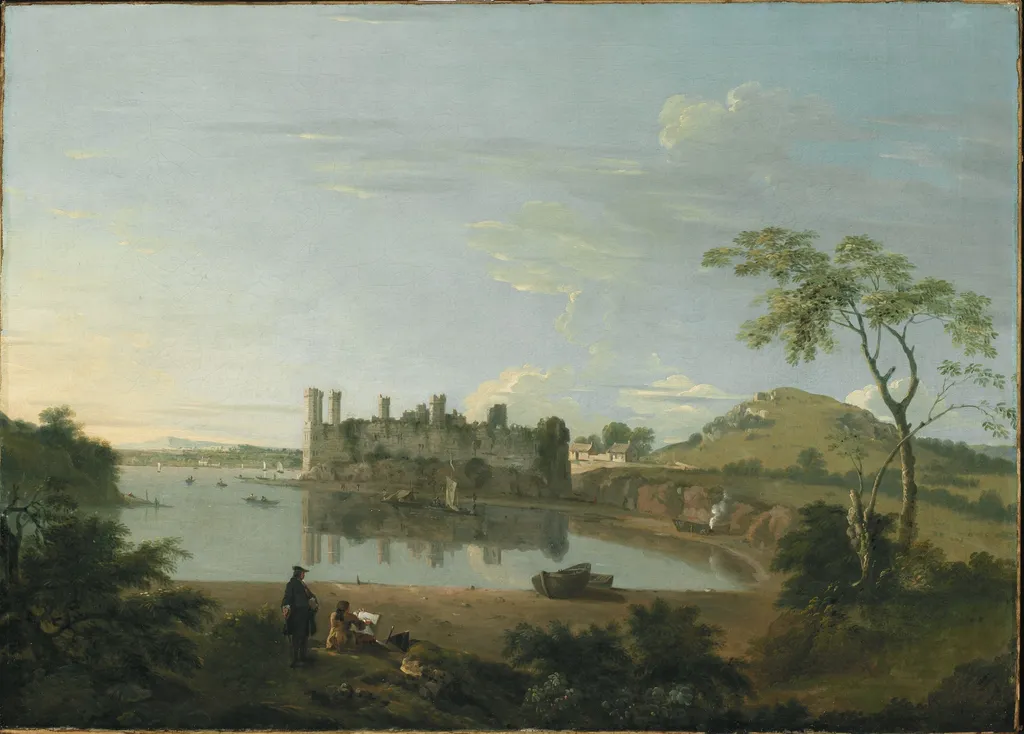
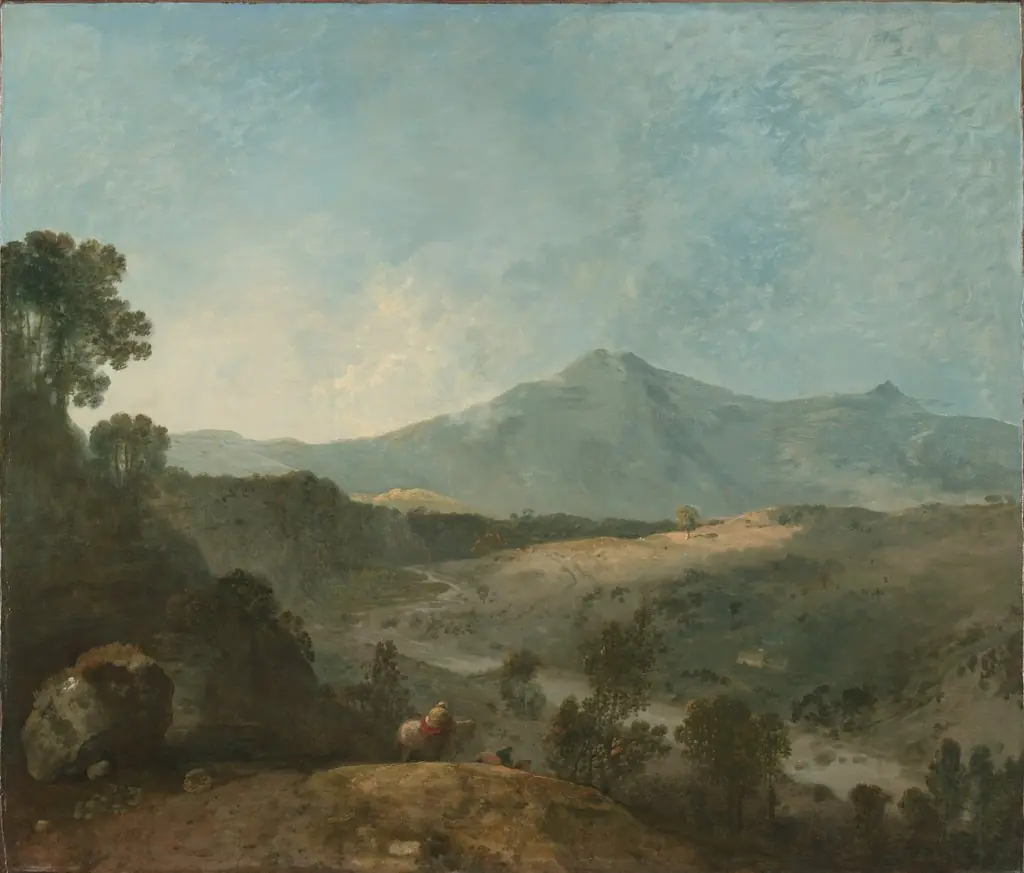
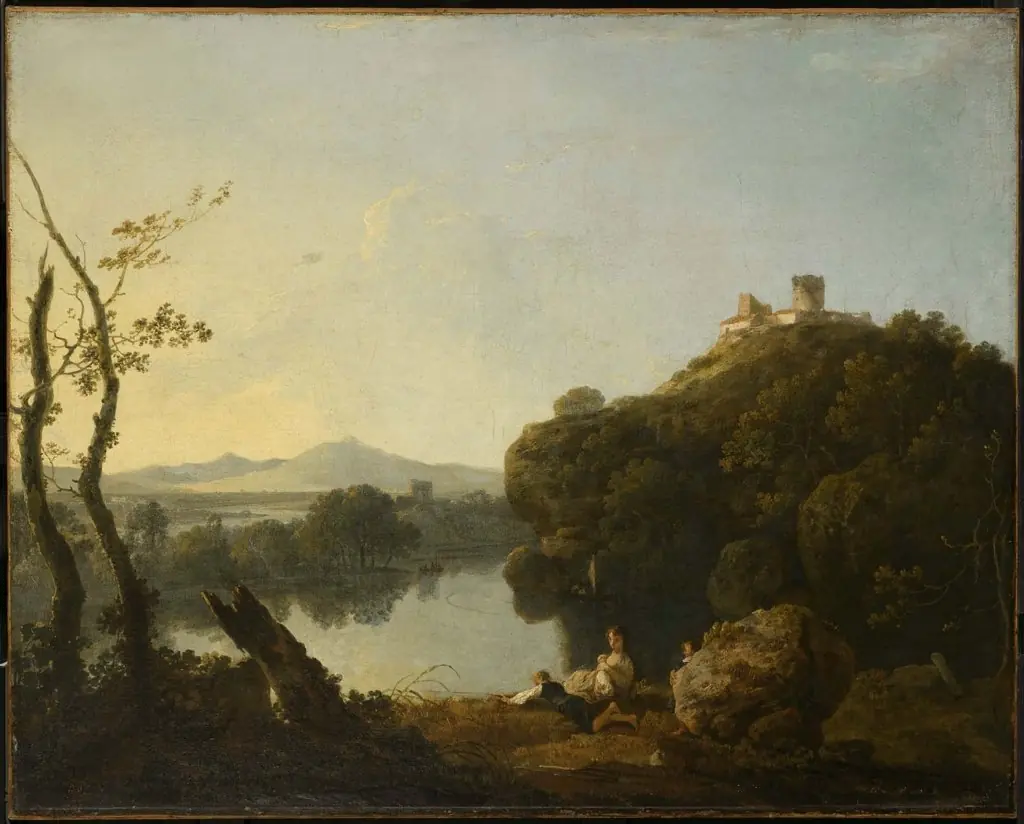
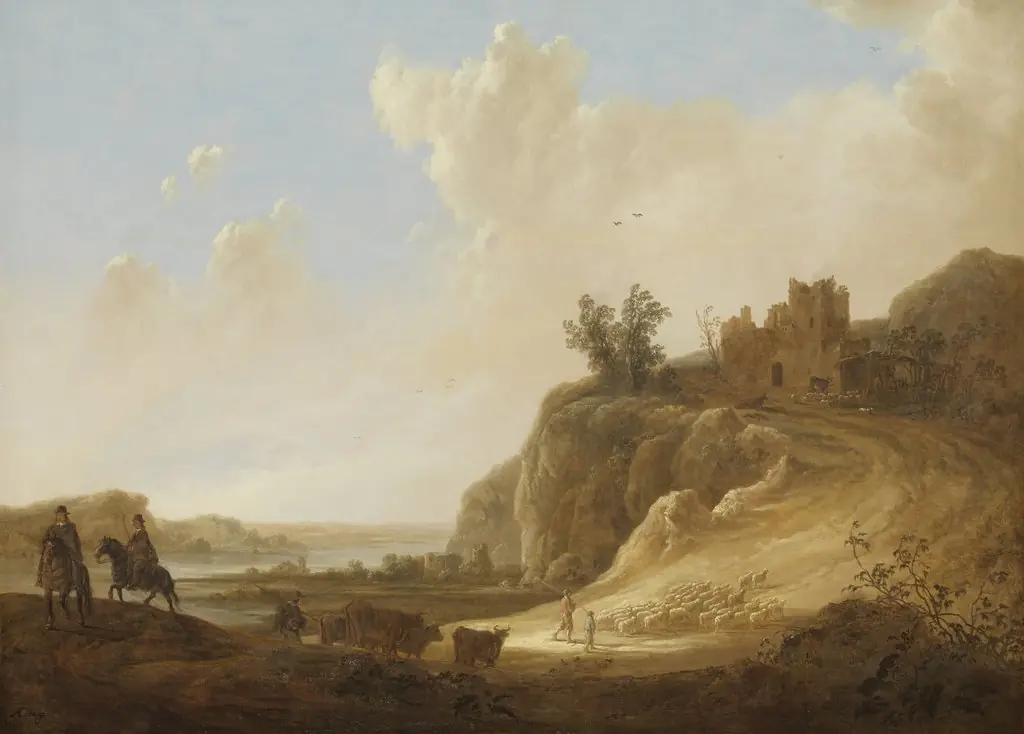
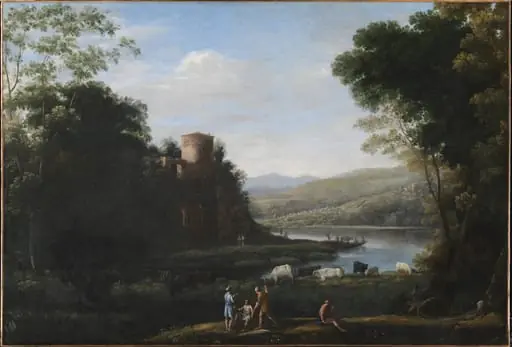
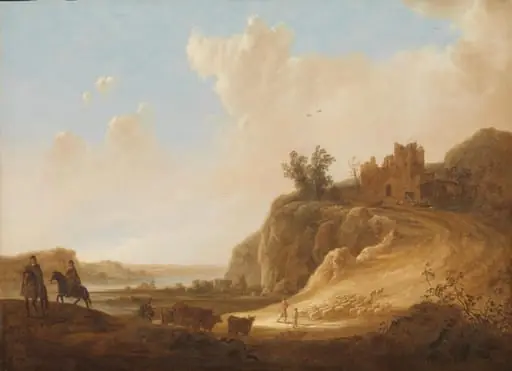
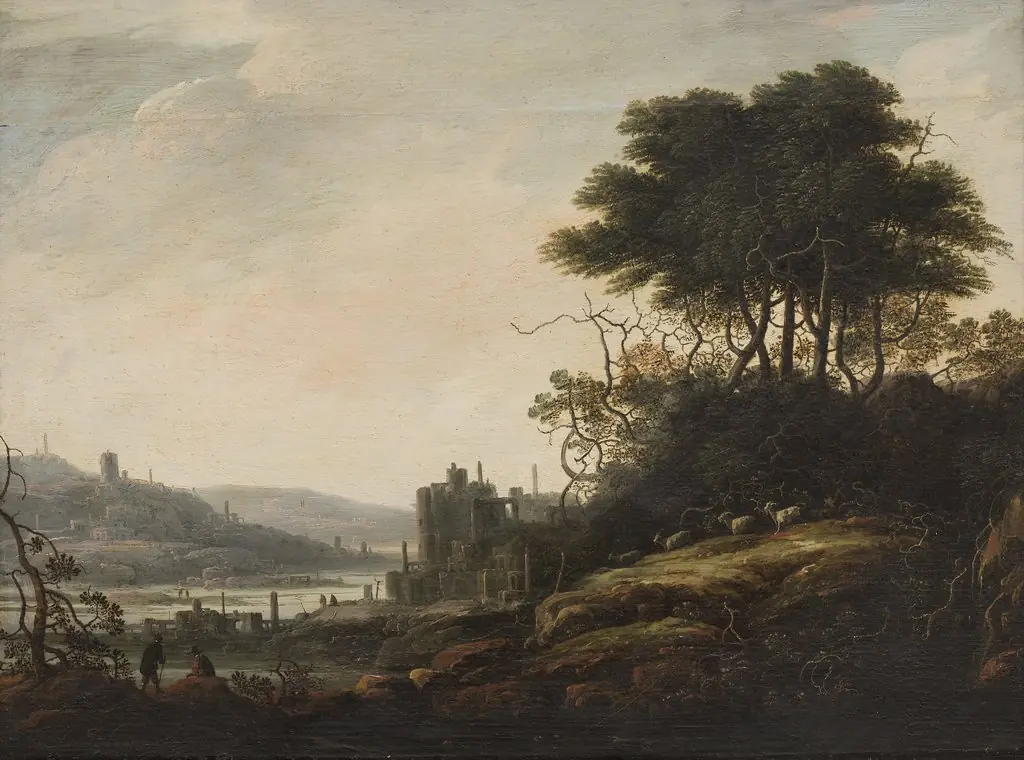
Caernarvon Castle is an oil painting by the Rococo painting artist Richard Wilson. It dates from 1744 and is held in the collection of the Detroit Institute of Arts.
About this work
Overview
Wilson, a key figure in early British landscape painting, rendered the scene with quiet precision, emphasizing natural harmony over dramatic spectacle.
Painted in 1744, *Caernarvon Castle* is an oil on canvas work by Welsh artist Richard Wilson. It captures a view of the medieval fortress situated along the River Seiont, framed by gentle hills and wooded banks. Wilson, a key figure in early British landscape painting, rendered the scene with quiet precision, emphasizing natural harmony over dramatic spectacle. The painting resides in the Detroit Institute of Arts, part of a broader effort to elevate landscape as a subject worthy of serious artistic attention.
Subject & Meaning
The scene centers on Caernarvon Castle, a symbol of English royal authority in Wales, depicted not as a military stronghold but as a tranquil ruin integrated into the landscape. Two figures in the foreground—seated with a map and one standing with a hat—suggest contemplation or travel, subtly anchoring the viewer’s perspective. Their presence invites reflection on history and place, rather than asserting dominance over it. The calm atmosphere underscores a shift toward landscape as a space for quiet observation.
Technique & Style
Wilson employed soft brushwork and muted tonalities to convey atmospheric depth, aligning with Rococo sensibilities in its delicate handling of light and texture. The sky, lightly clouded and pale blue, diffuses natural illumination across the stone towers and river. Foreground details, such as the figures and foliage, are rendered with restrained precision, balancing human scale against the enduring presence of the castle. The composition avoids theatricality, favoring equilibrium and spatial clarity.
History & Provenance
Created during Wilson’s early career, the painting predates his later Italianate works but already reveals his interest in Welsh topography. It entered the Detroit Institute of Arts’ collection in the 20th century, following a trajectory common to British landscapes acquired by American institutions seeking to expand their European holdings. Its preservation reflects growing institutional recognition of Wilson’s role in shaping a distinct British visual identity.
Context
In mid-18th-century Britain, landscape painting was emerging from subordinate status to architectural or historical subjects. Wilson’s focus on native Welsh scenery challenged prevailing tastes that favored classical Italian views. *Caernarvon Castle* exemplifies this shift, presenting a local monument not as a relic of conquest but as an enduring element of natural beauty. His approach laid groundwork for later Romantic interpretations of the British countryside.
Legacy
Wilson’s treatment of Caernarvon Castle helped establish a precedent for depicting Wales as a landscape of poetic resonance rather than political symbolism. Though less celebrated than his Italian works, this painting remains a touchstone in the history of British landscape art. It influenced subsequent artists who sought to find dignity and stillness in native terrain, contributing to a broader cultural reevaluation of regional identity through visual means.
Artist & collection
Artist
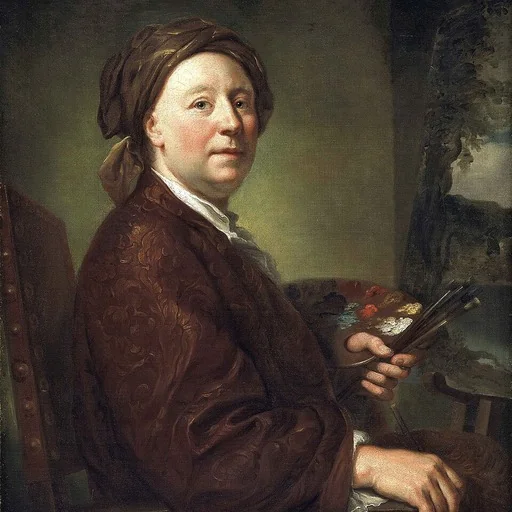
Richard Wilson (1 August 1714 – 15 May 1782) was a Welsh painter who specialised in landscape art and worked in Britain and Italy.