Artwork
La fête de village (Village Festival)
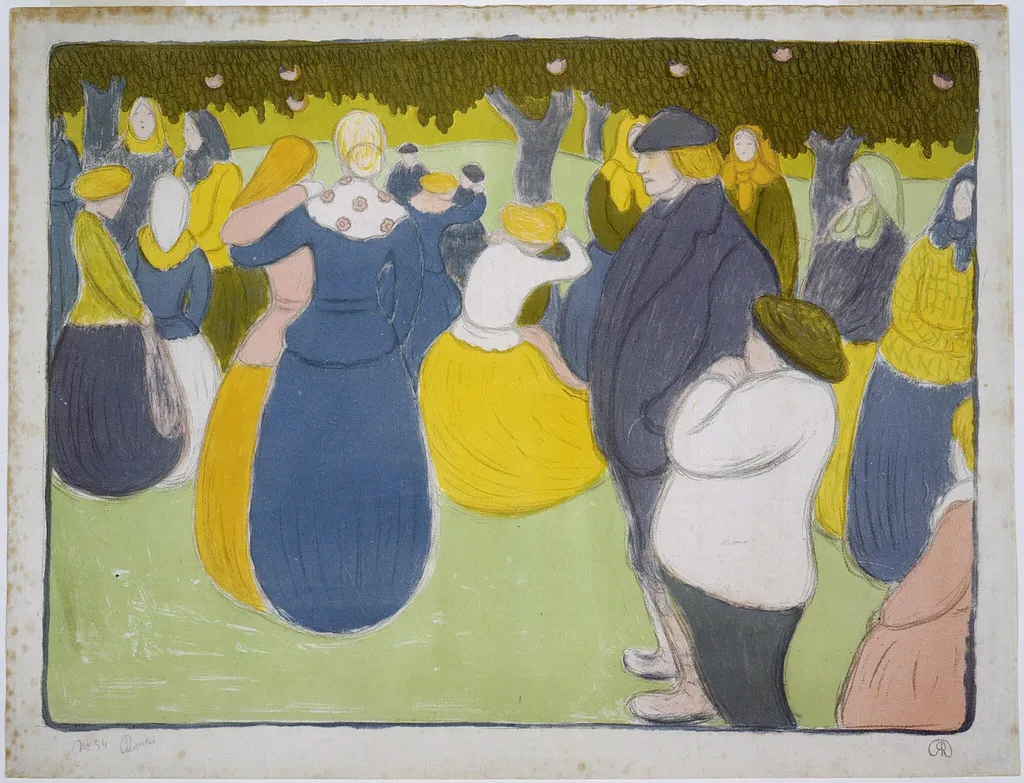
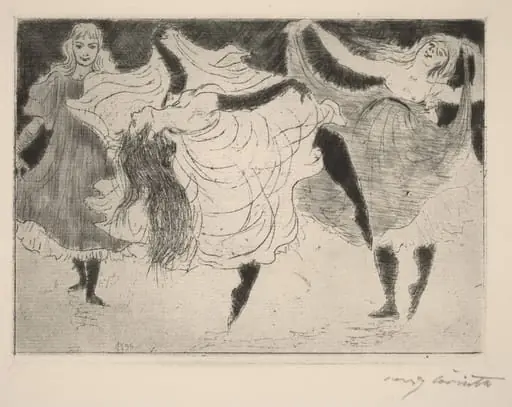
La fête de village (Village Festival) is an ink print by the Impressionist artist József Rippl-Rónai. It dates from 1896 and is held in the collection of the National Gallery of Art.
About this work
Overview
Its composition conveys movement and social interaction through layered tones and simplified forms.
La fête de village is a color lithograph produced by József Rippl-Rónai in 1896. Executed on laid paper, it captures a communal outdoor celebration in a rural setting. The work belongs to the printmaking tradition of late 19th-century Europe, reflecting Rippl-Rónai’s engagement with both Hungarian folk life and contemporary graphic techniques. Its composition conveys movement and social interaction through layered tones and simplified forms.
Subject & Meaning
The scene depicts a village festival, with figures of varying ages engaged in leisure activities—dancing, conversing, and standing in small groups. Clothing suggests regional dress and social distinction, with women in long skirts and bonnets, men in formal suits. The gathering implies a moment of communal joy, rooted in local tradition rather than spectacle. No single narrative dominates; instead, the focus lies in the quiet rhythm of everyday celebration.
Technique & Style
Rippl-Rónai employed color lithography, a method allowing multiple ink layers to build subtle tonal shifts. The print uses flat planes of hue with soft edges, avoiding sharp modeling in favor of atmospheric suggestion. Brush-like strokes in the ink mimic the spontaneity of drawing, while the textured paper enhances the tactile quality. The style aligns with Post-Impressionist tendencies, prioritizing emotional tone over realistic detail.
History & Provenance
Created during Rippl-Rónai’s time in Paris, the lithograph reflects his exposure to French graphic arts and Symbolist circles. It was likely printed in a limited run, common for artist-made prints of the period. Early ownership records are sparse, but the work entered institutional collections in the 20th century, primarily in Hungary and Central Europe, where Rippl-Rónai’s legacy as a national artist was solidified.
Context
In the 1890s, European artists increasingly turned to folk themes as industrialization reshaped rural life. Rippl-Rónai, influenced by Gauguin and the Nabis, sought authenticity in everyday rituals. This print emerged alongside broader movements that valued handcrafted imagery and national identity. Unlike academic paintings, it embraced the immediacy of print media, making art accessible beyond elite galleries.
Legacy
La fête de village remains a key example of Hungarian printmaking at the turn of the century. It illustrates Rippl-Rónai’s role in bridging French modernism with Central European subject matter. While not widely reproduced, it is studied for its synthesis of folk observation and graphic innovation. The work contributes to understanding how print culture expanded artistic expression beyond traditional painting in the late 19th century.
Artist & collection

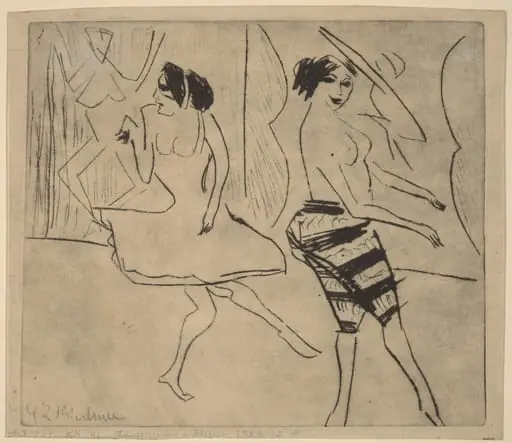 Dancers in Studio
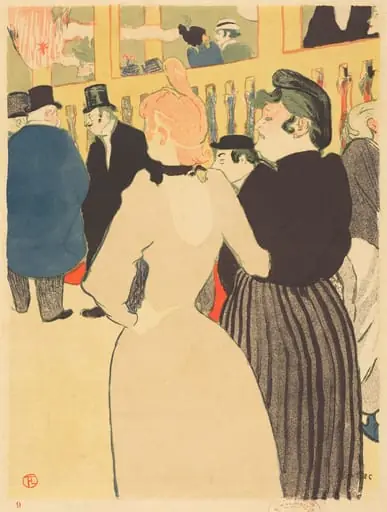 At the Moulin Rouge, la Goulue and Her Sister (Au Moulin Rouge, la Goulue et sa soeur))
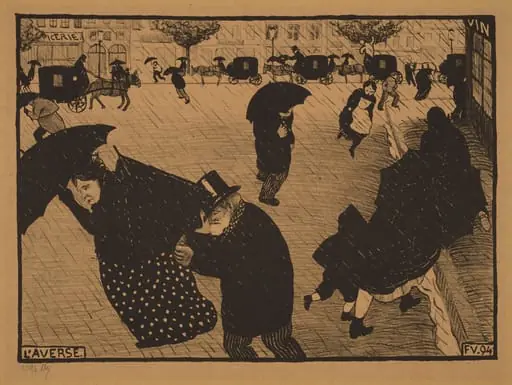 L'Averse (The Shower)
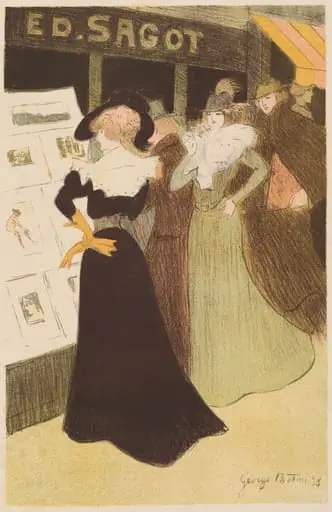 The Sagot Address
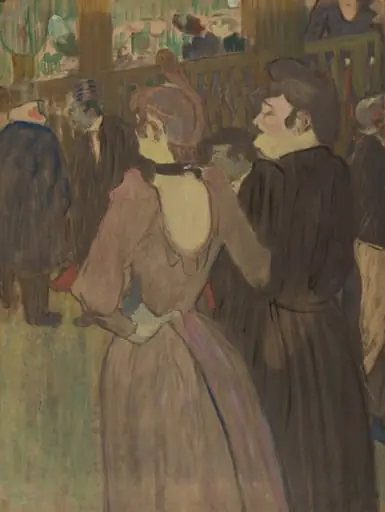 La Goulue and Her Sister
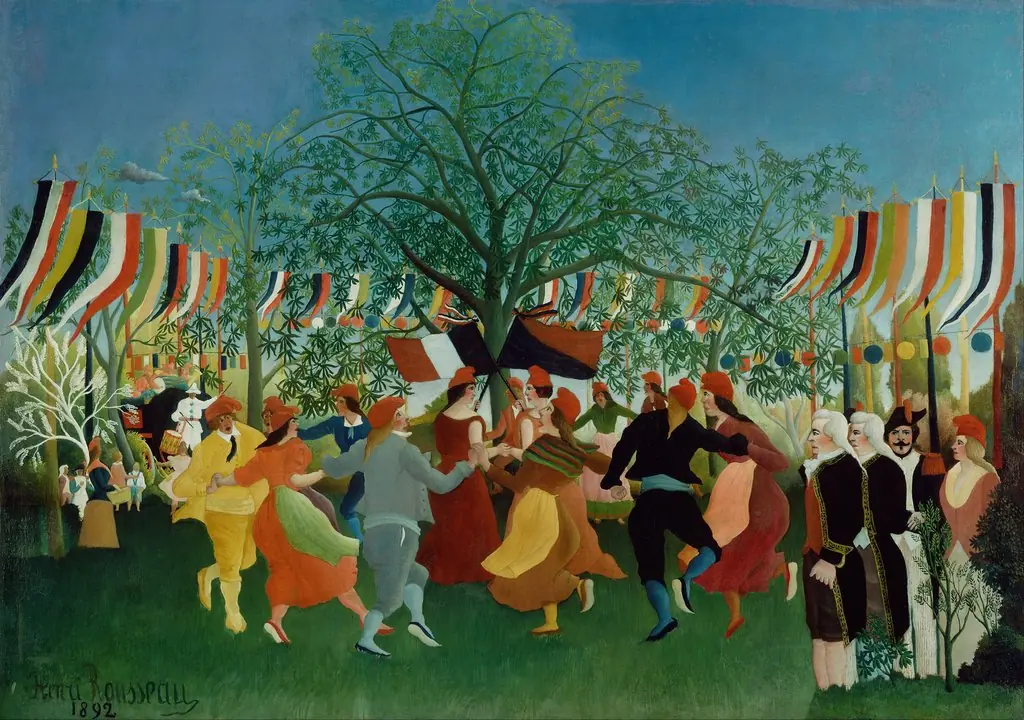 A Centennial of Independence
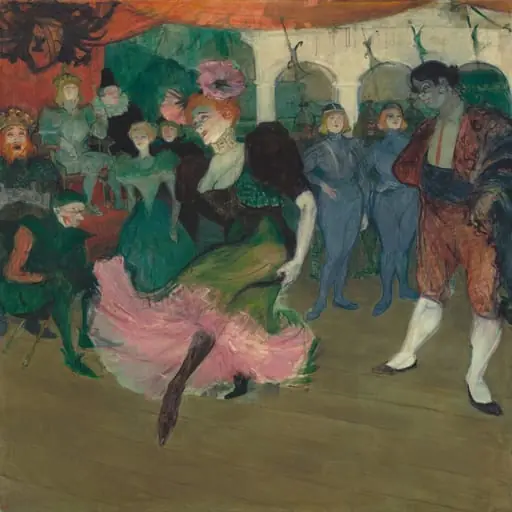 Marcelle Lender Dancing the Bolero in "Chilpéric"
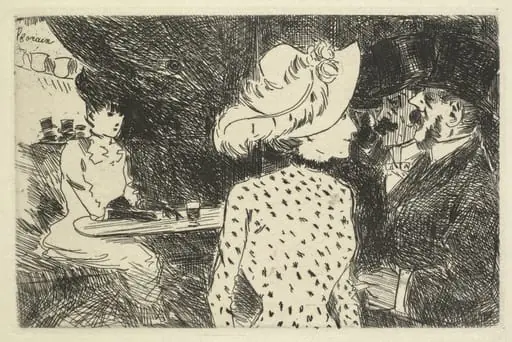 Cafe Scene (descriptive)
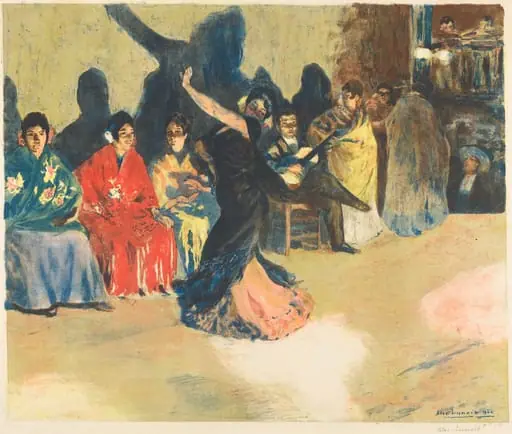 Les panaderos
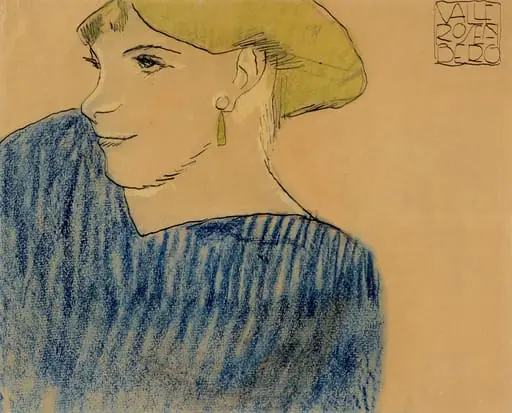 Vihreähiuksinen tyttö
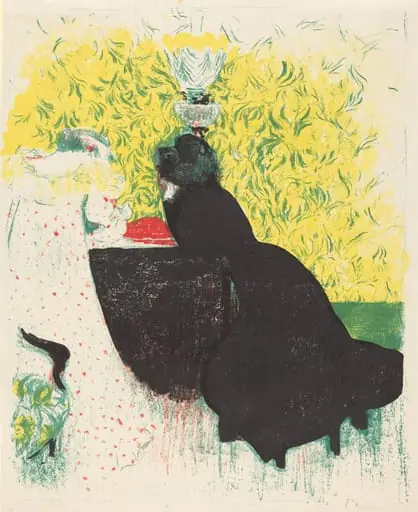 Two Sisters-in-Law (Les deux belles-soeurs)
 Tänzerinnen (Dancers)