Artwork
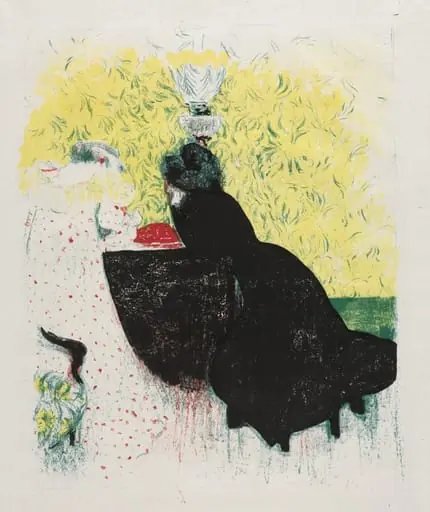
Two Sisters-in-Law (Les deux belles-soeurs)
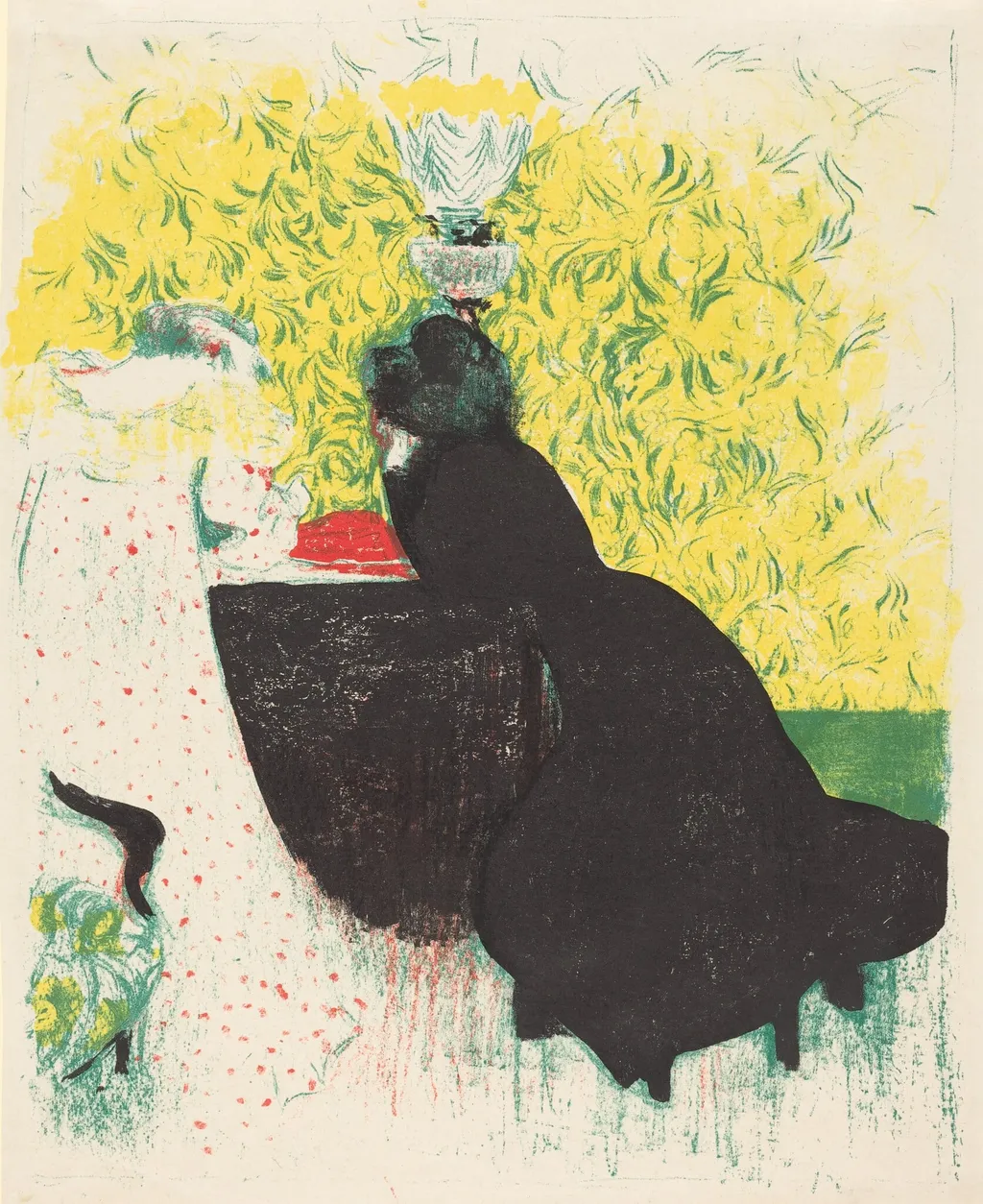
Two Sisters-in-Law (Les deux belles-soeurs) is an ink print by the Impressionist artist Ambroise Vollard. It dates from 1898 and is held in the collection of the National Gallery of Art.
About this work
Overview
Created in 1898, this color lithograph by Ambroise Vollard depicts two women seated back-to-back in an interior space. Rendered on delicate China paper, the work belongs to the print medium and reflects Vollard’s interest in intimate domestic scenes. The composition avoids narrative clarity, focusing instead on spatial arrangement and color relationships to evoke a quiet, contemplative mood.
Subject & Meaning
The two figures, identified as sisters-in-law, are shown in a moment of stillness, their postures suggesting private reflection rather than interaction.
The two figures, identified as sisters-in-law, are shown in a moment of stillness, their postures suggesting private reflection rather than interaction. Their clothing—dark and red against light and dark shawl—distinguishes them visually but not emotionally. The lack of facial detail and the absence of direct engagement imply an unspoken bond, emphasizing presence over dialogue within the domestic sphere.
Technique & Style
Vollard employed bold, flat areas of color and simplified contours to convey form without detail. The lithographic process allowed for vibrant hues—particularly the yellow wall and red dots on the floor—applied with a loose, almost spontaneous hand. Lines are fluid and unrefined, suggesting movement and immediacy, while the absence of shading enhances the graphic quality of the image.
History & Provenance
The print was produced during Vollard’s active years as both an art dealer and printmaker, a period when he frequently experimented with lithography. It was likely made for private circulation or as part of a limited series, reflecting his personal artistic interests rather than commercial aims. No documented early ownership records exist, but it remains within the corpus of his printed oeuvre.
Context
Made in the late 1890s, the work aligns with broader European trends favoring intimate, everyday subjects over grand historical themes. Vollard’s approach echoes the Post-Impressionist interest in structure and color, while its domestic focus resonates with contemporaries like Degas and Vuillard. The lithograph reflects a shift toward personal expression in printmaking during this era.
Legacy
Though not widely exhibited, the print contributes to understanding Vollard’s role beyond art dealing—as a practitioner who explored the expressive potential of lithography. Its restrained palette and quiet composition influenced later printmakers interested in mood over narrative. It remains a quiet example of how domestic scenes could be rendered with emotional subtlety through print.
Artist & collection


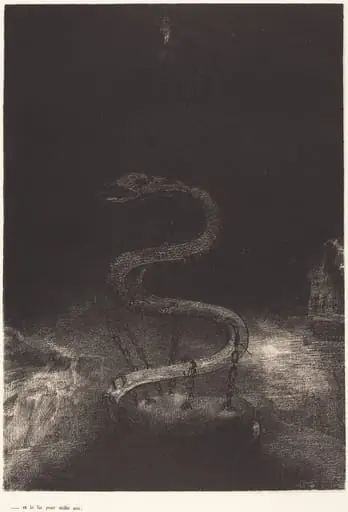 Et le lia pour mille ans (And bound him a thousand years)
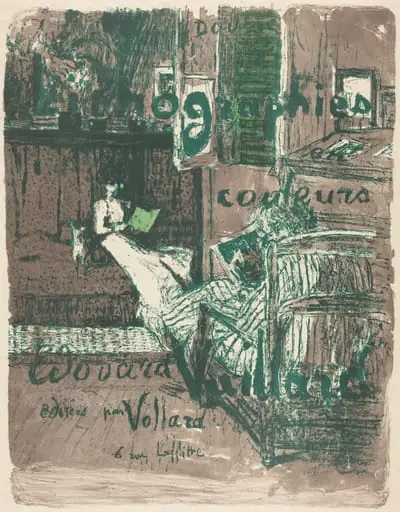 Cover for the Album "Paysages et intérieurs"
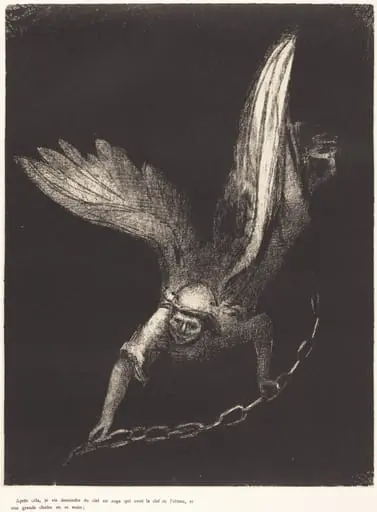 Apres cela je vis descendre du ciel un ange qui avait la clef de l'abime, et une grande chaine en sa main (And I saw an angel come down from heaven, having the key of the bottomless pit and a great chain in his hand)
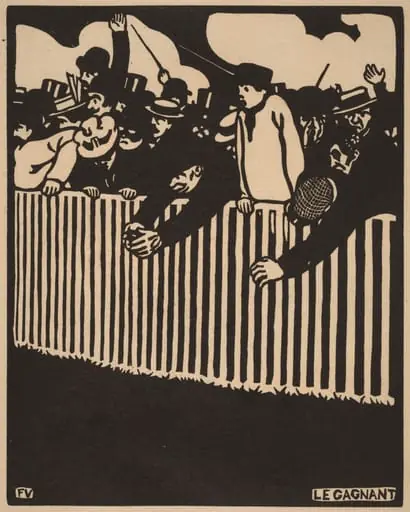 Le Gagnant (The Winner)
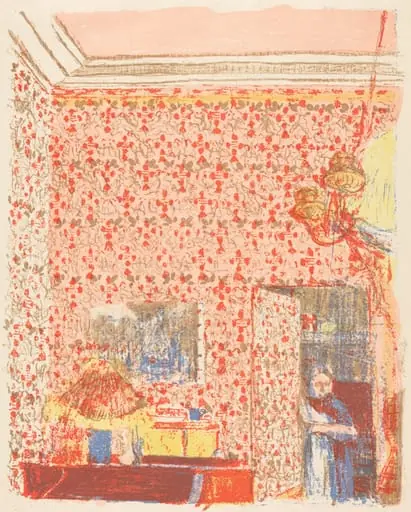 Interior with Pink Wallpaper I (Interieur aux tentures roses I)
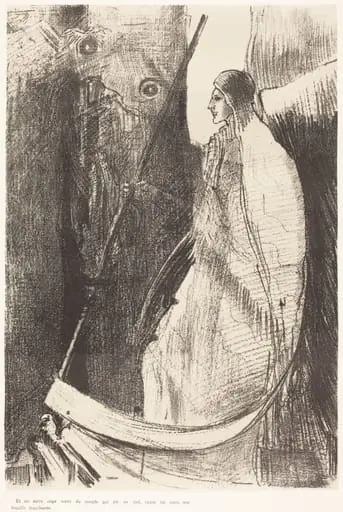 Et un autre ange sortit du temple qui est au ciel, ayant lui aussi une faucille tranchante (And another angel came out of the temple which is in heaven, and he also having a sharp sickle)
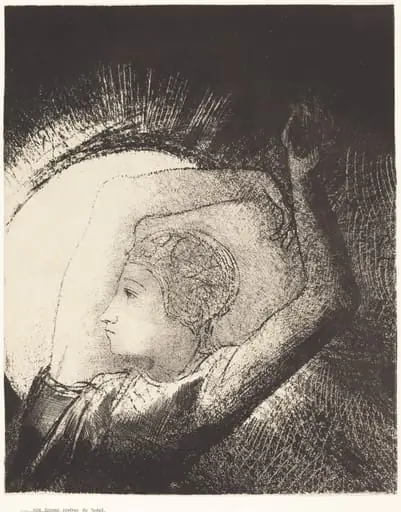 Une femme revêtue du Soleil (A woman clothed with the sun)
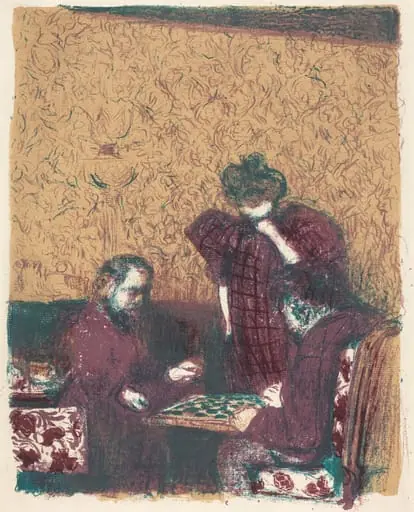 Game of Checkers (La partie de dames)
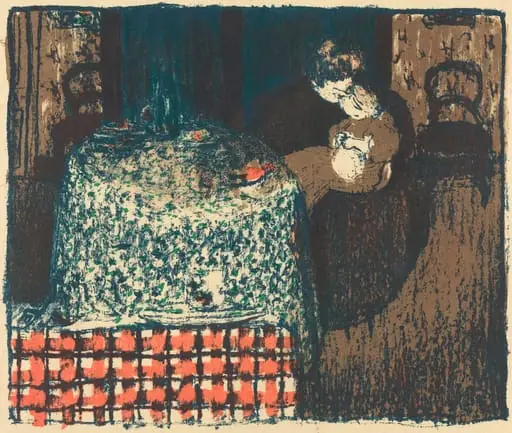 Motherhood (Maternite)
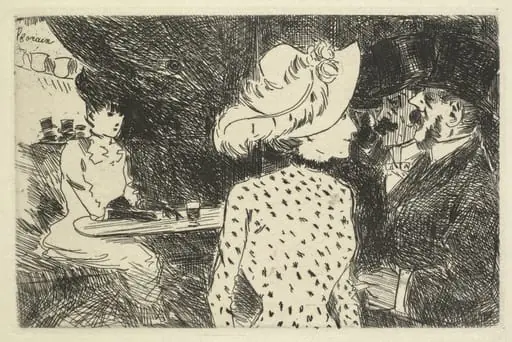 Cafe Scene (descriptive)
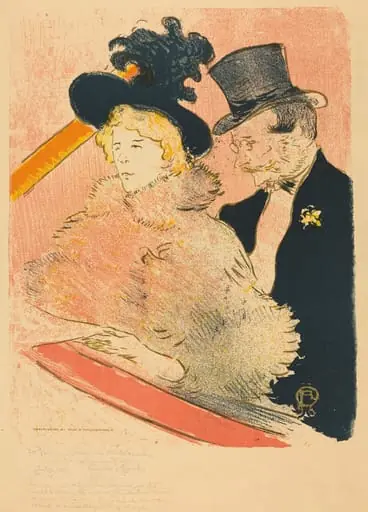 At the Concert (Au concert)
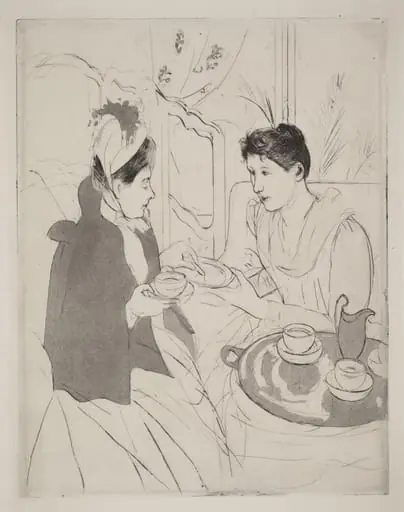 Afternoon Tea Party
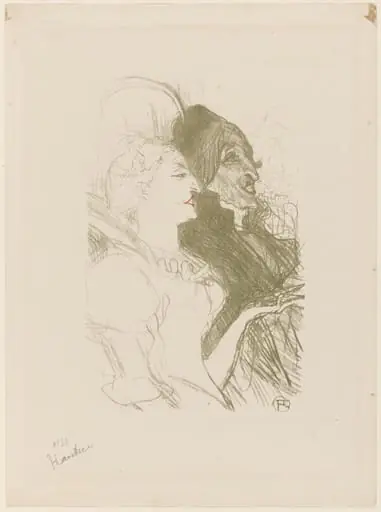 Carnival (Carnaval)
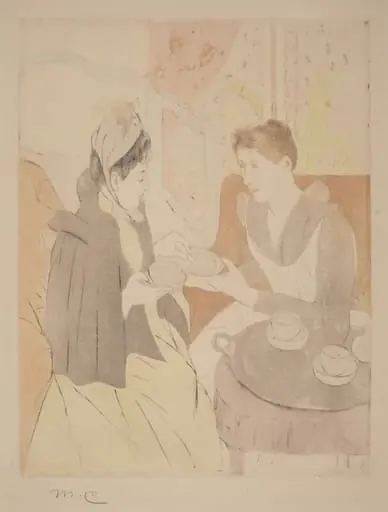 Afternoon Tea Party
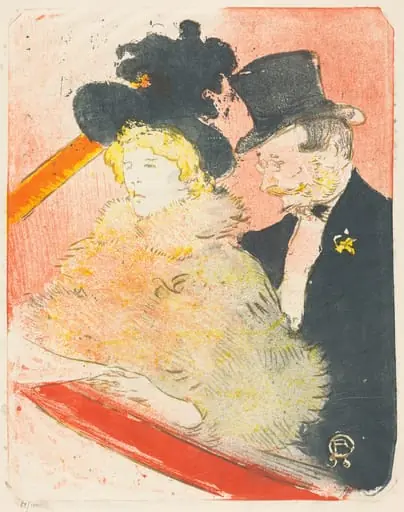 At the Concert (Au concert)
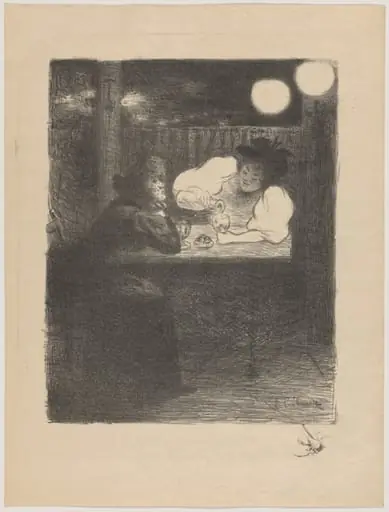 Les femmes à l'absinthe (Women with Absinthe)
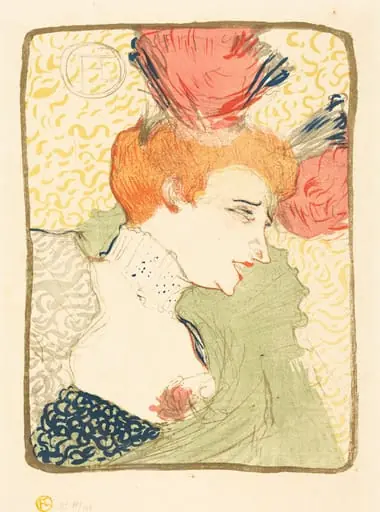 Bust of Mademoiselle Marcelle Lender (Mademoiselle Marcelle Lender, en buste)
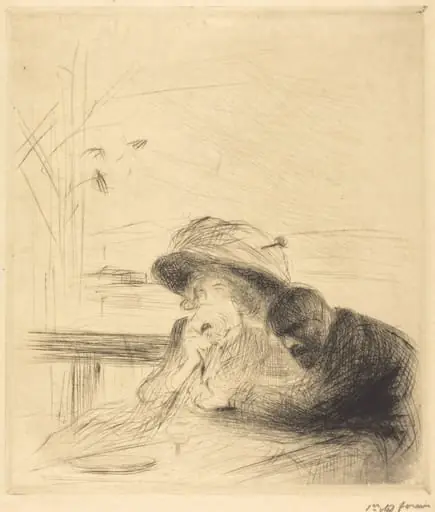 C'est fini!...(grande planche) (It is Finished!...) (large plate)
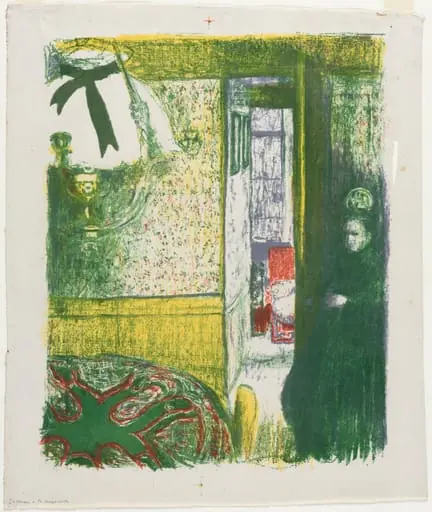 Interior with a Hanging Lamp
 The Two Sisters-in-Law