Artwork
Mary Channing (Mrs. John Channing)
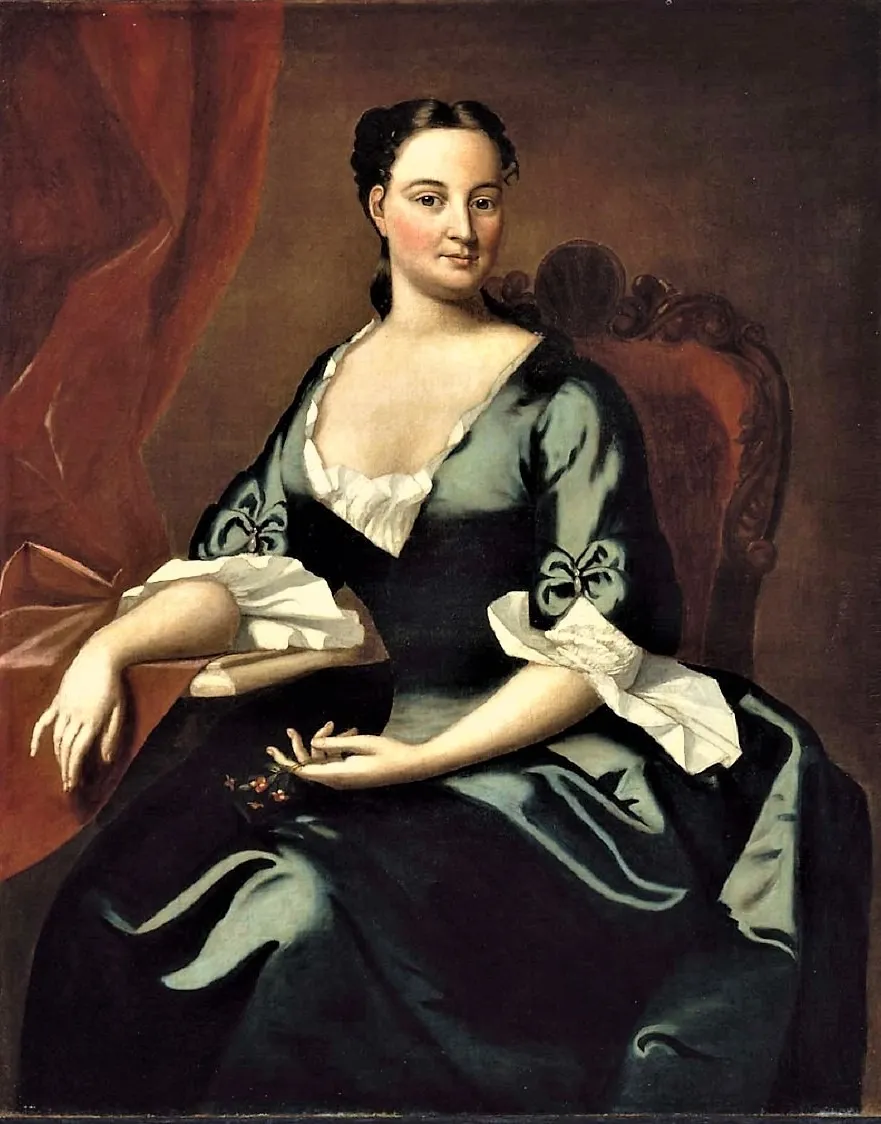
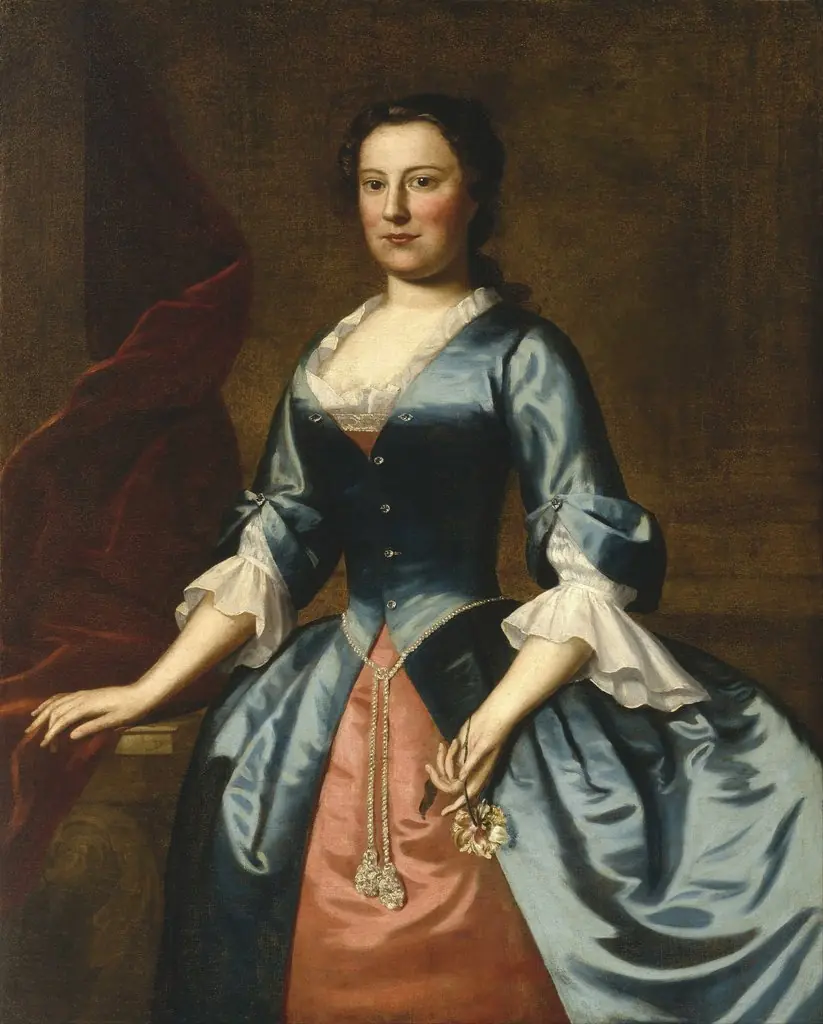
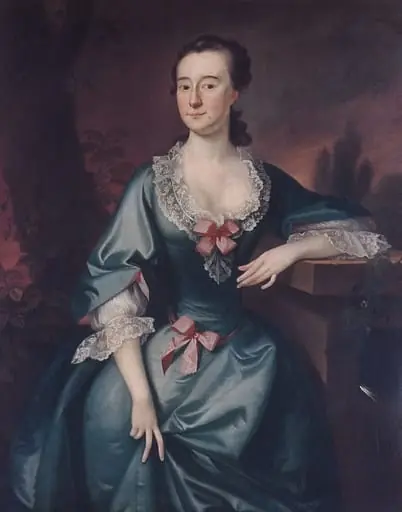
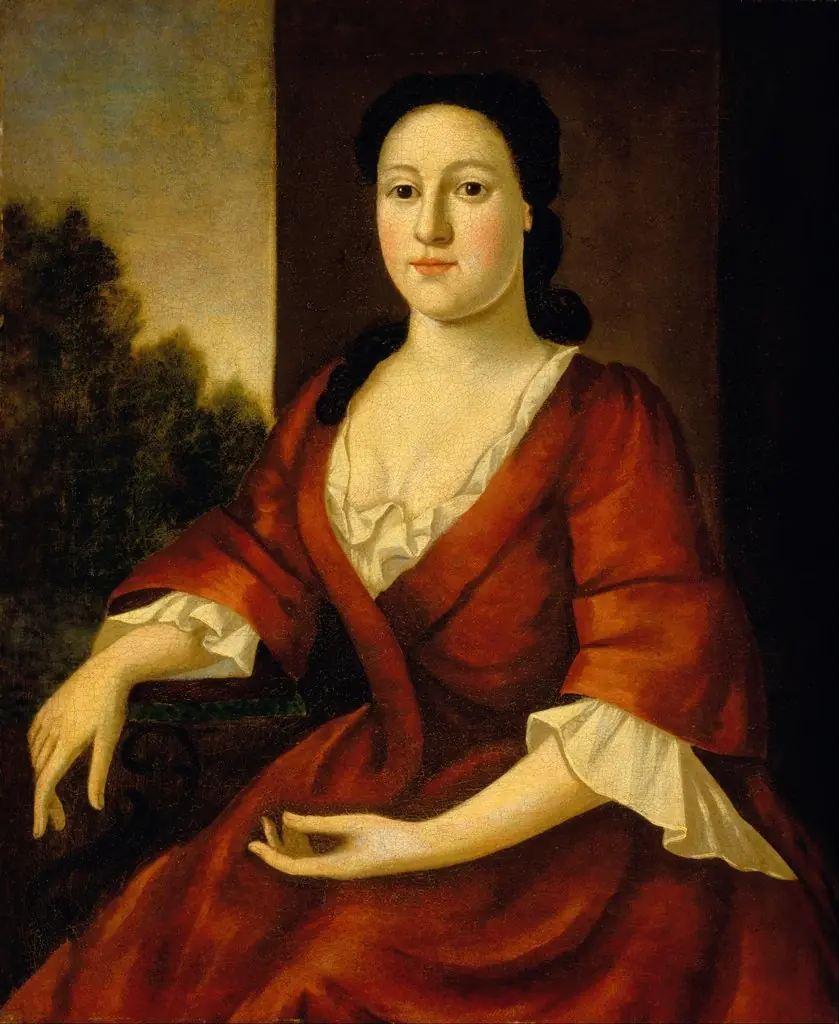
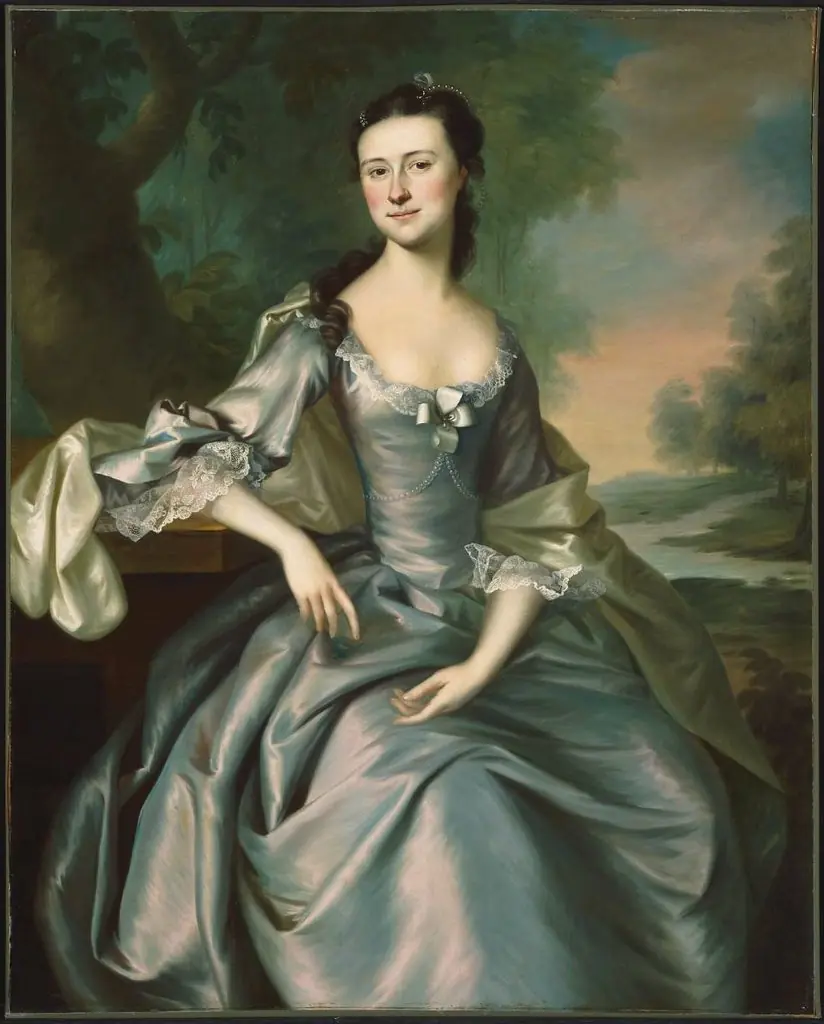
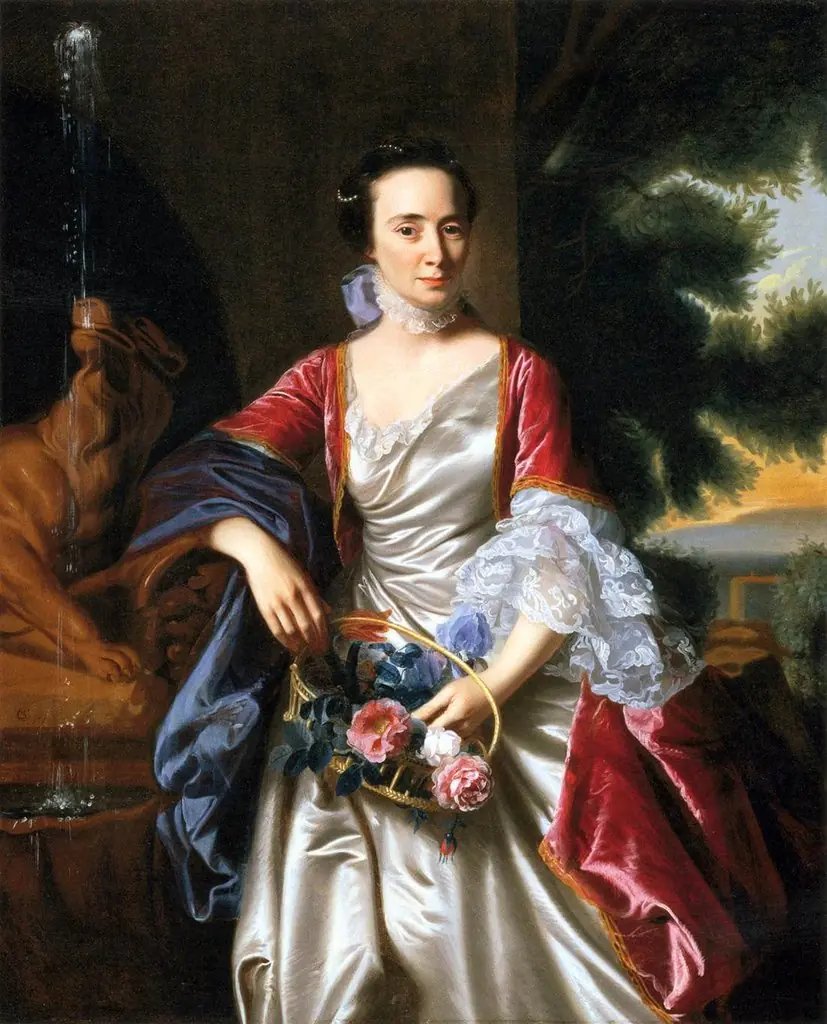
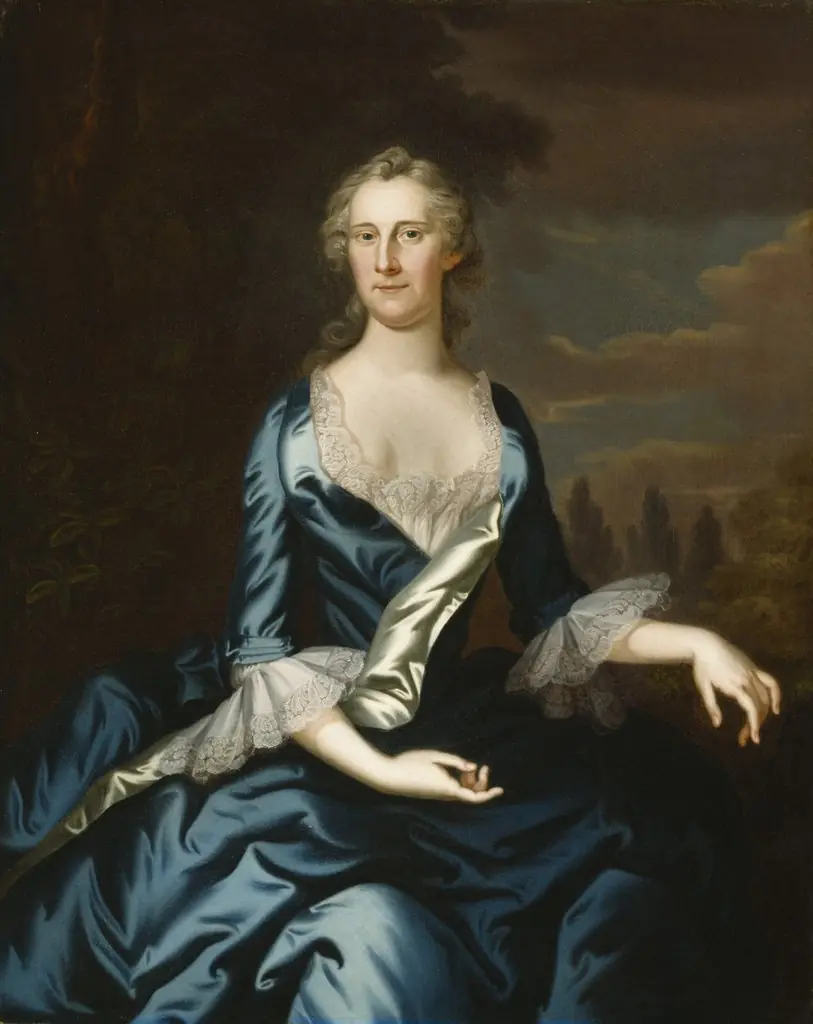
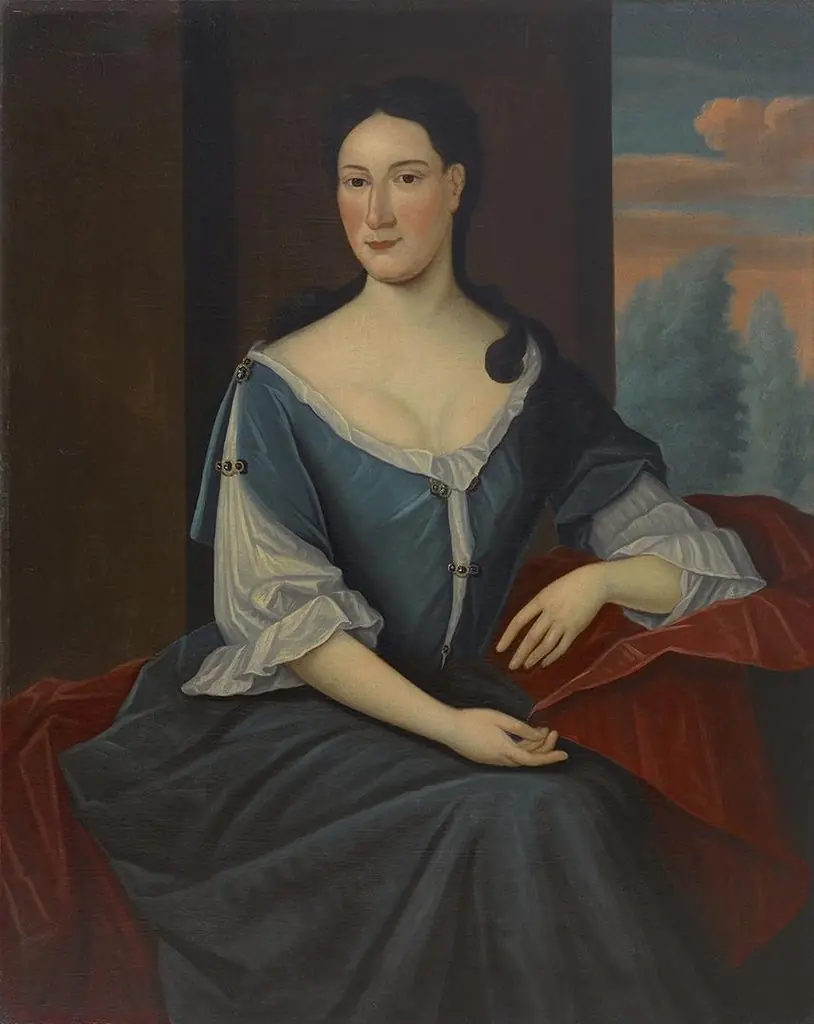
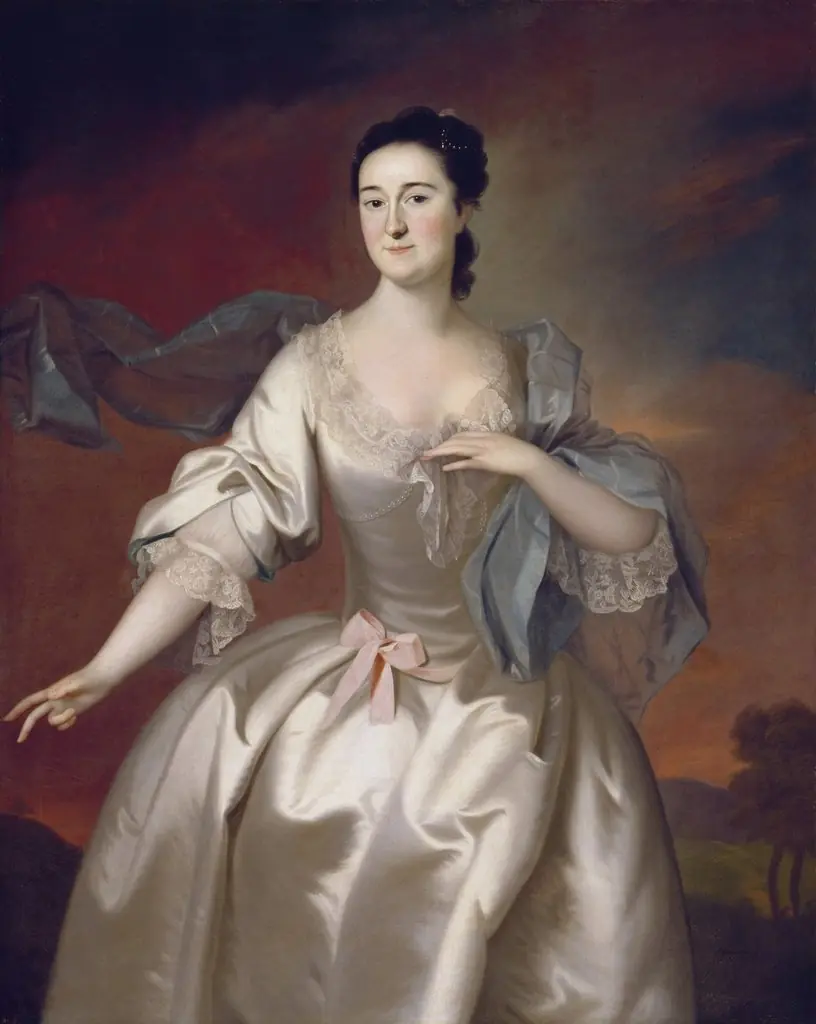
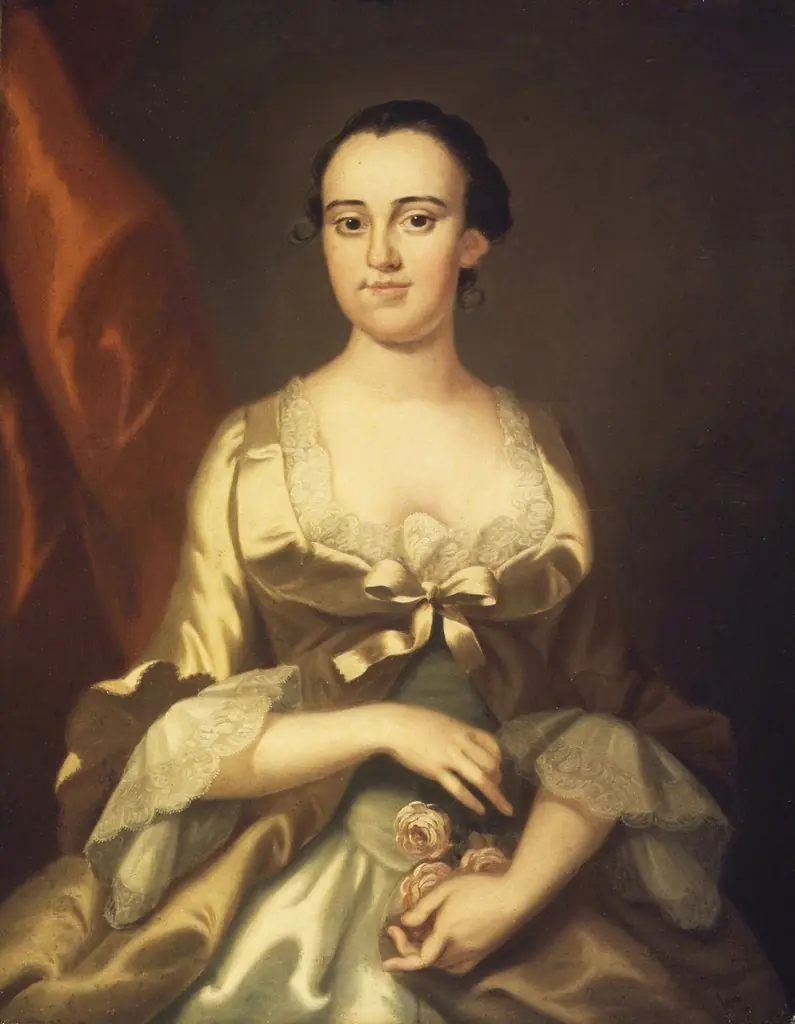
Mary Channing (Mrs. John Channing) is an oil painting by the Rococo painting artist Robert Feke. It dates from 1748 and is held in the collection of the Museum of Fine Arts Boston.
About this work
Overview
The composition balances a dark blue gown, white ruffled trim, and a modest bouquet, conveying the genteel bearing expected of a mid‑colonial New England lady.
Robert Feke’s 1748 oil portrait presents Mary Channing, the spouse of John Channing, seated with poise against a muted interior. The composition balances a dark blue gown, white ruffled trim, and a modest bouquet, conveying the genteel bearing expected of a mid‑colonial New England lady. The work resides in the Museum of Fine Arts, Boston, and exemplifies the artist’s contribution to early American portraiture.
Subject & Meaning
The sitter, identified as Mary Channing, is rendered with careful attention to attire and accessories that signal her social standing. The white collar and cuffs contrast with the deep blue dress, while the ring on her left hand denotes marital status. The small floral arrangement she holds adds a touch of domestic virtue, reflecting contemporary ideals of feminine refinement.
Technique & Style
Executed in oil on canvas, the portrait displays the lightness and decorative flair associated with the Rococo influence reaching colonial America. Feke employs a soft modeling of flesh tones and a subtle chiaroscuro to model the figure against a red curtain and brown wall backdrop. The brushwork is smooth, emphasizing the texture of fabric and the delicate rendering of the hair updo.
History & Provenance
Created in 1748, the painting is one of roughly sixty surviving works attributed to Feke, of which a dozen bear his signature and date. It entered the Museum of Fine Arts, Boston’s collection through acquisition in the early twentieth century, joining a modest body of colonial portraiture that documents the visual culture of New England’s elite families.
Artist & collection