Artwork
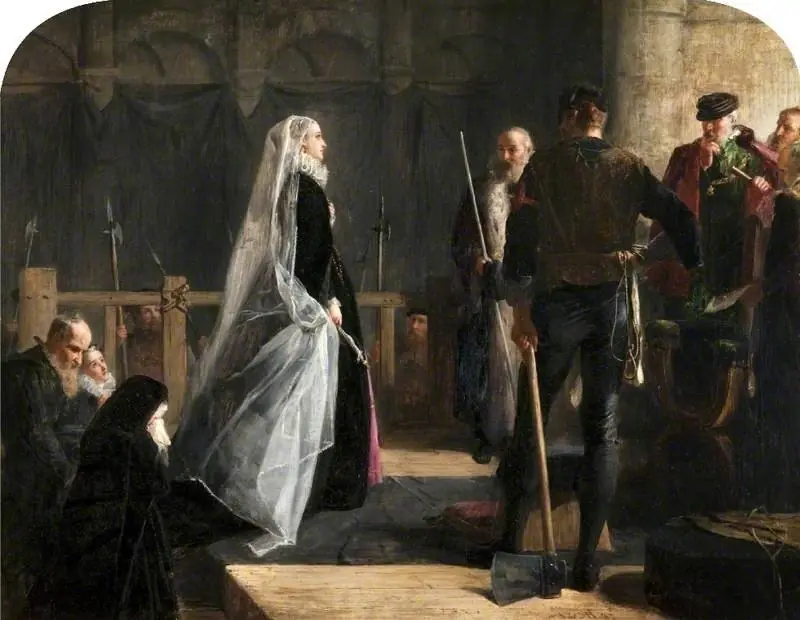
Mary, Queen of Scots: The Farewell to France
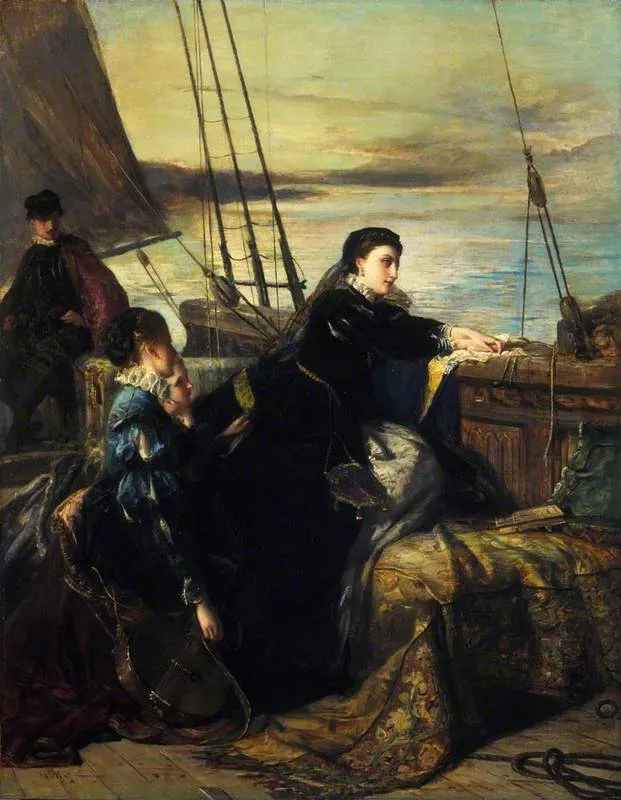
Mary, Queen of Scots: The Farewell to France is an oil painting by the British Romanticist artist Robert Herdman. It dates from 1867 and is held in the collection of the National Galleries Scotland.
About this work
Overview
Robert Herdman’s 1867 oil painting captures a moment of departure in the life of Mary, Queen of Scots, as she leaves France for Scotland.
Robert Herdman’s 1867 oil painting captures a moment of departure in the life of Mary, Queen of Scots, as she leaves France for Scotland. Executed in the tradition of British Romantic historiography, the work reflects Herdman’s interest in emotional historical narratives. It was created during a period of active exhibition and public commissioning in Scotland, aligning with national efforts to visualize key moments in its royal past.
Subject & Meaning
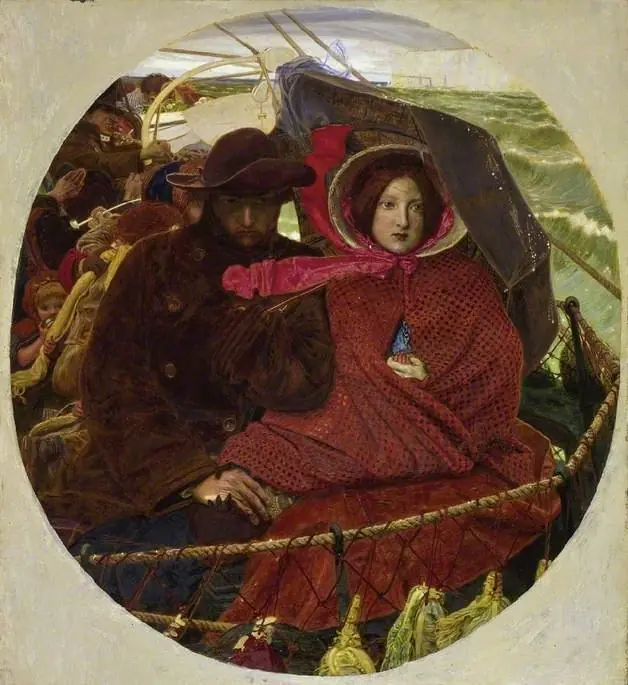
The scene portrays Mary seated on a wooden chest, gazing toward the sea where a sailing vessel waits. Her posture and expression convey quiet resignation rather than overt grief. The presence of a seated companion and a standing male figure suggests a retinue, emphasizing her transition from French court life to an uncertain future in Scotland. The painting frames her departure as a turning point, laden with personal and political weight.
Technique & Style
Herdman employs muted tones for the sky and sea, creating a somber atmosphere that mirrors the emotional tone. The woman’s dress is rendered with careful attention to fabric texture and pattern, contrasting with the loose brushwork of the background. Light falls subtly on her face and hands, drawing focus to her stillness. The composition avoids dramatic action, favoring introspection through gesture and setting.
History & Provenance
Completed in 1867, the painting entered the collection of the Scottish National Gallery shortly after its creation. It was part of a broader 19th-century trend in Scotland to commission historical works that reinforced national identity. Herdman, a Glasgow-born artist, had already established a reputation for historical subjects, and this piece was likely intended to resonate with contemporary audiences familiar with Mary’s tragic legacy.
Context
In mid-19th-century Britain, interest in Mary, Queen of Scots, surged amid Romantic fascination with fallen monarchs and tragic female figures. Herdman’s painting responds to this cultural current, portraying her not as a political actor but as a solitary figure at a threshold. The emphasis on emotional solitude reflects Victorian ideals of feminine dignity in adversity, shaping how history was visually interpreted for public consumption.
Legacy
The painting remains a representative example of Scottish historical painting from the Victorian era. While not widely reproduced, it continues to be referenced in exhibitions on Scottish art and royal iconography. Its restrained emotion and attention to material detail distinguish it from more theatrical depictions of Mary, offering a quieter, more personal interpretation of her exile.
Artist & collection
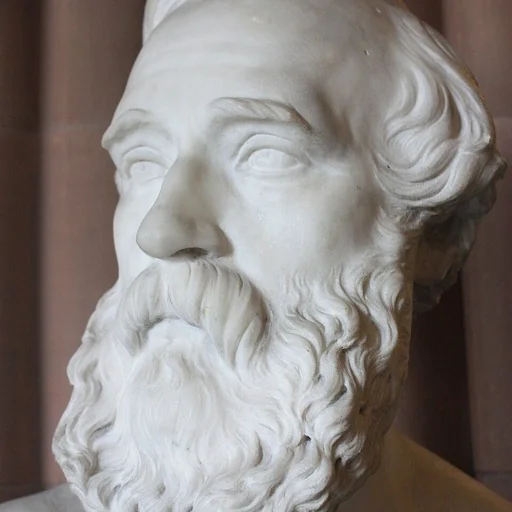
Artist
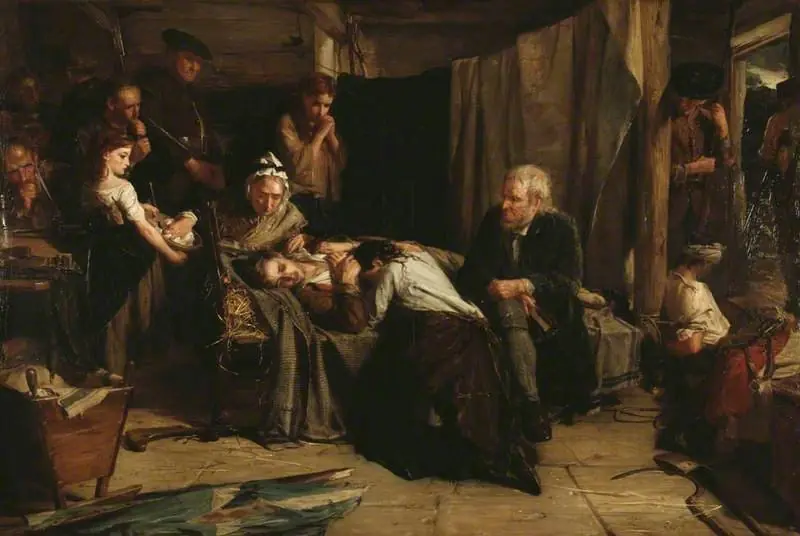
Robert Inerarity Herdman RSA RSW (17 September 1829 – 10 January 1888) was a Scottish artist specialising in portraiture and historical compositions.

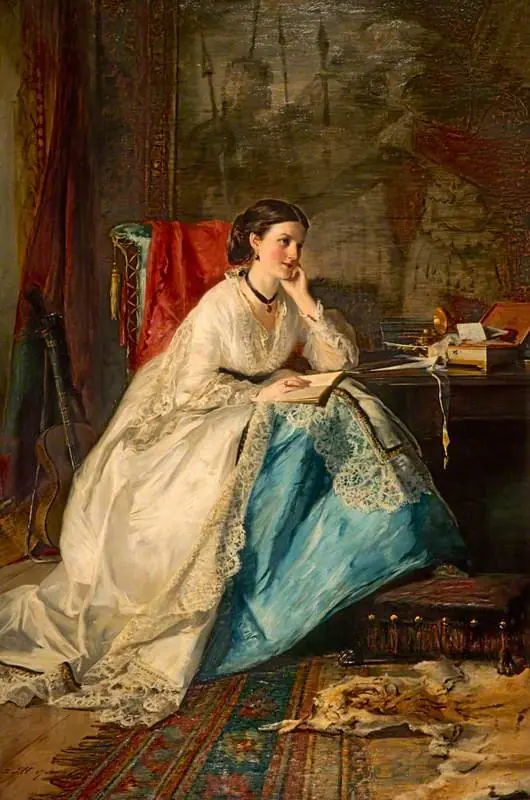
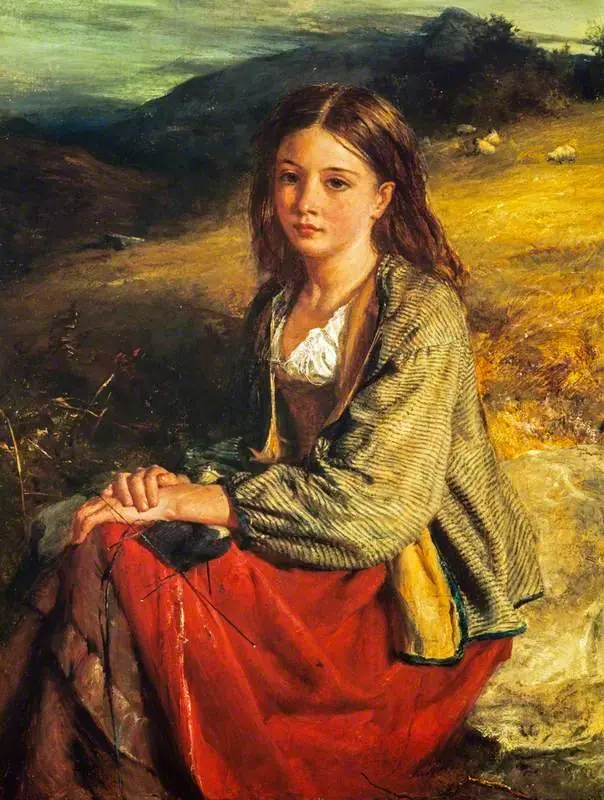
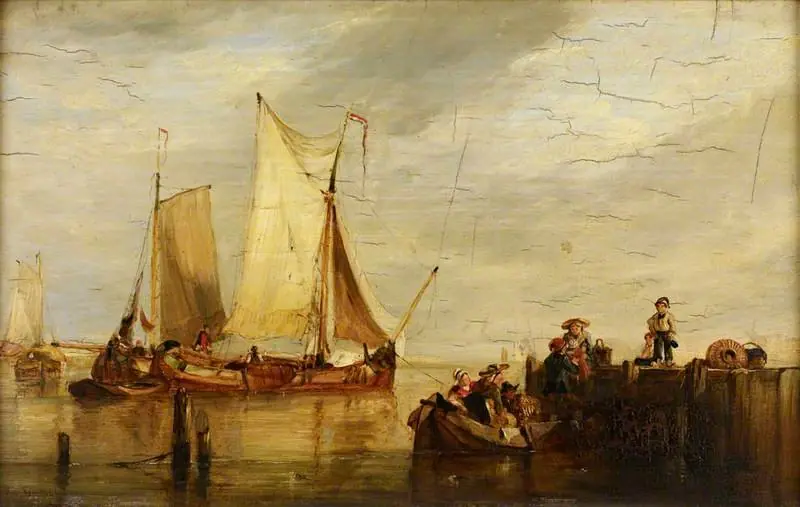 A Scene in Holland
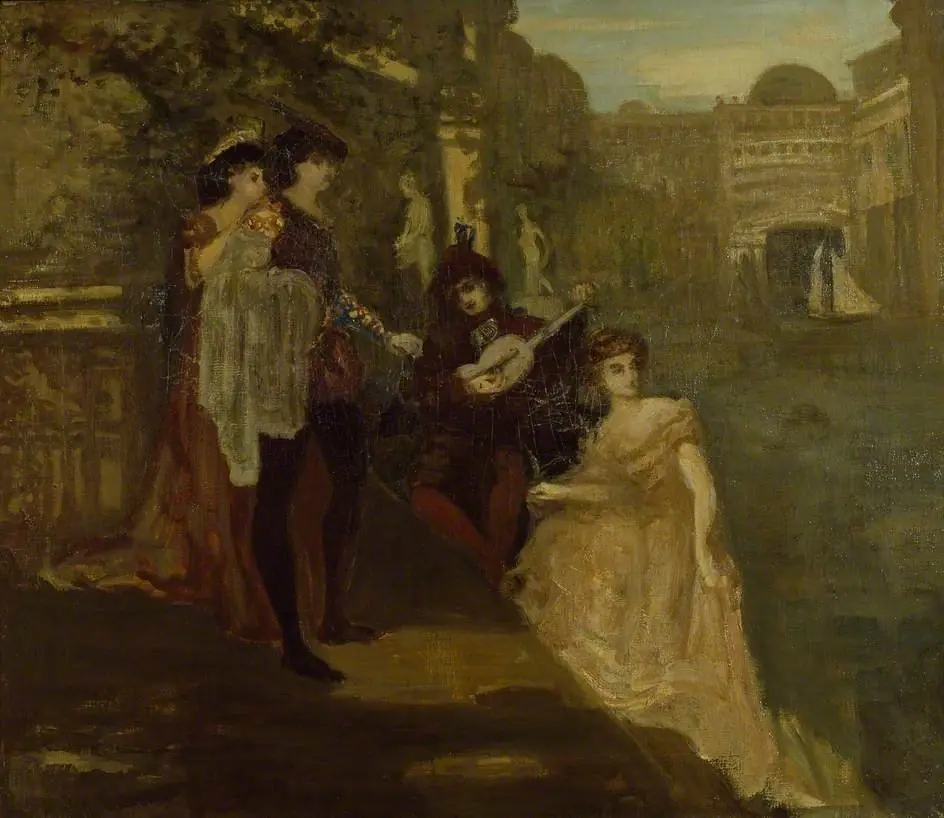 Venetian Night
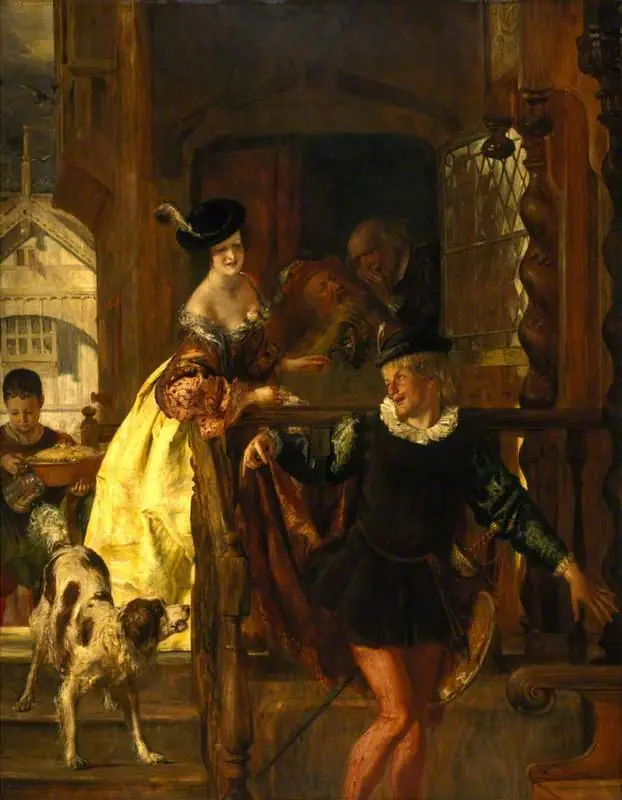 Anne Page Inviting Slender to Dinner
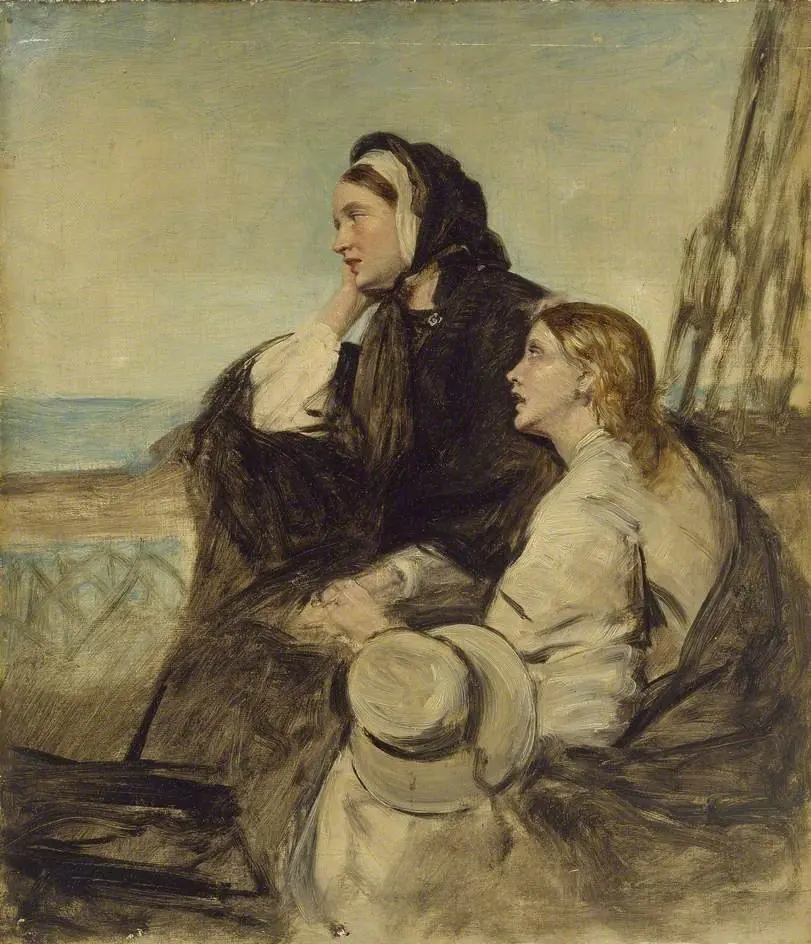 Two Women seated on Deck
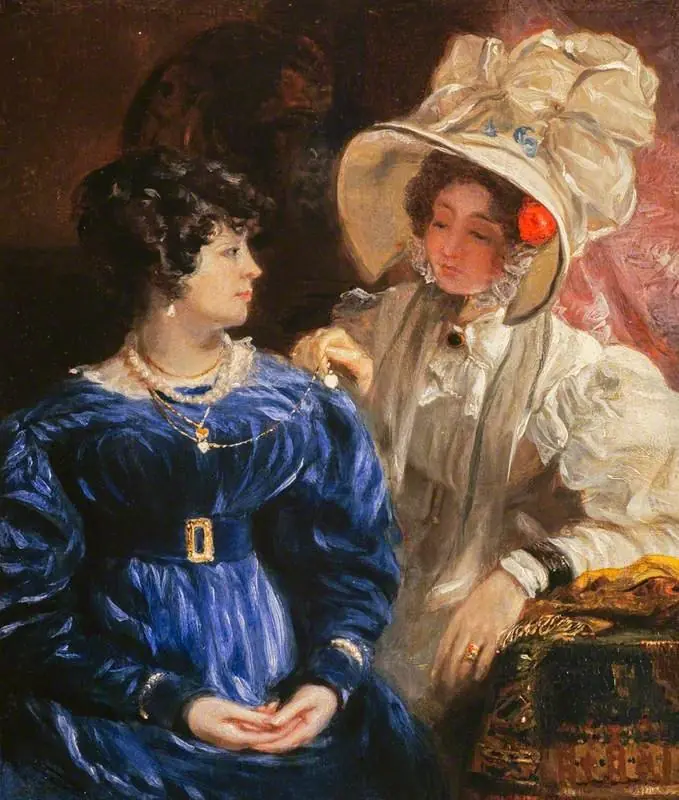 Portrait of Two Women (possibly Adela Geddes (1791-1881), the Artist's Wife, and a Friend)
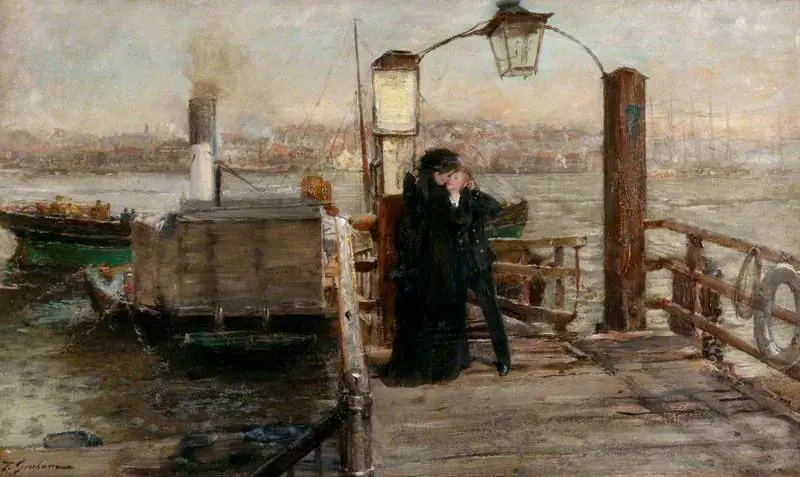 The Landing Stage
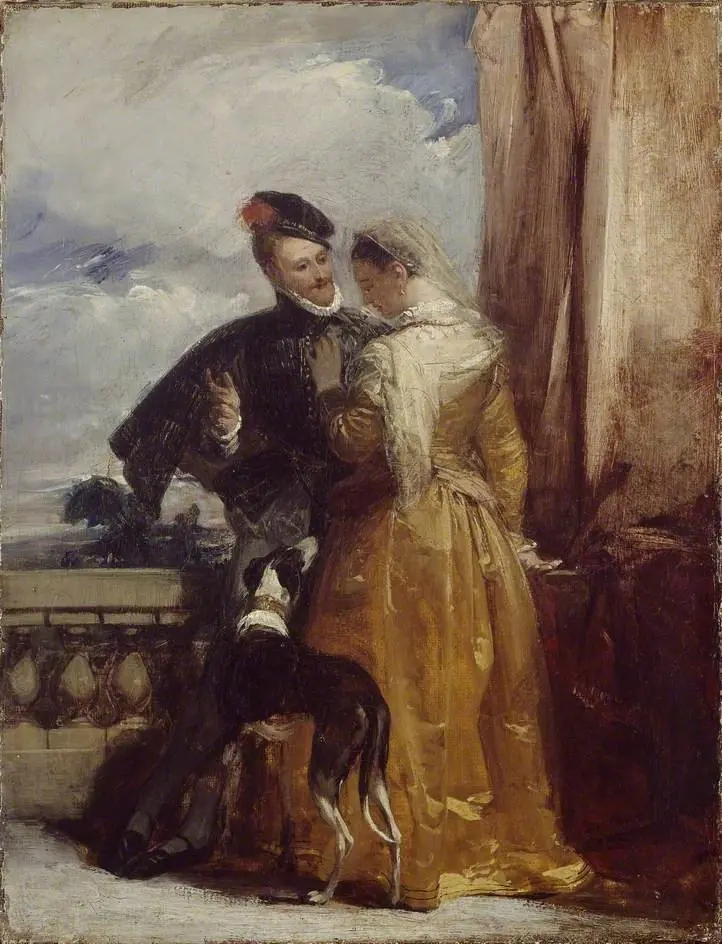 Amy Robsart and the Earl of Leicester
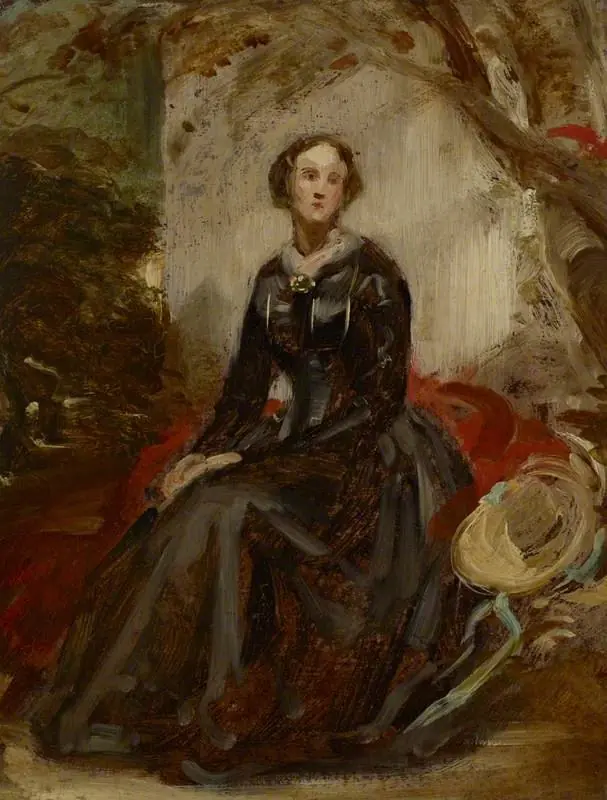 A Portrait Study of a Lady Seated in a Landscape
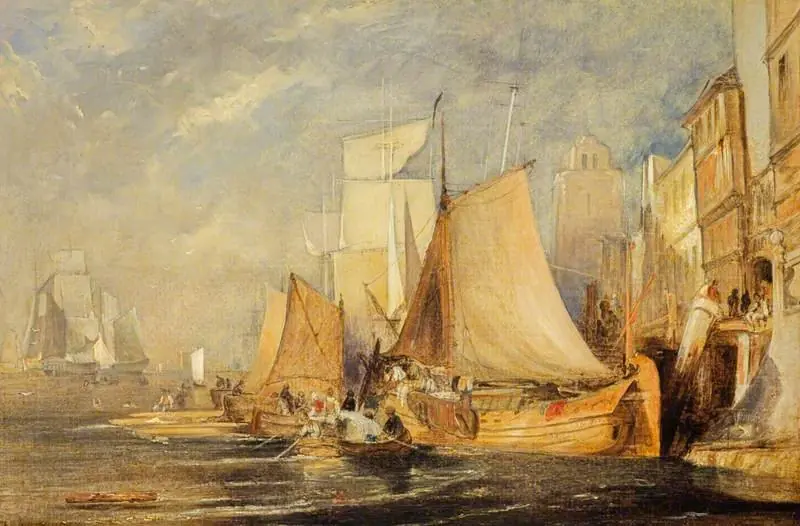 A Harbour Scene with Shipping
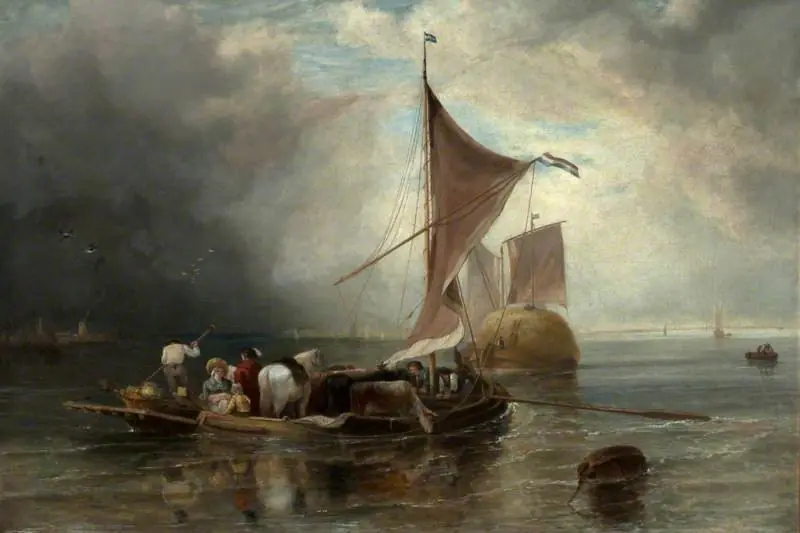 A Ferry Boat on the Maas
 The Last of England