Artwork
Portrait of Karl Theodor von Dalberg
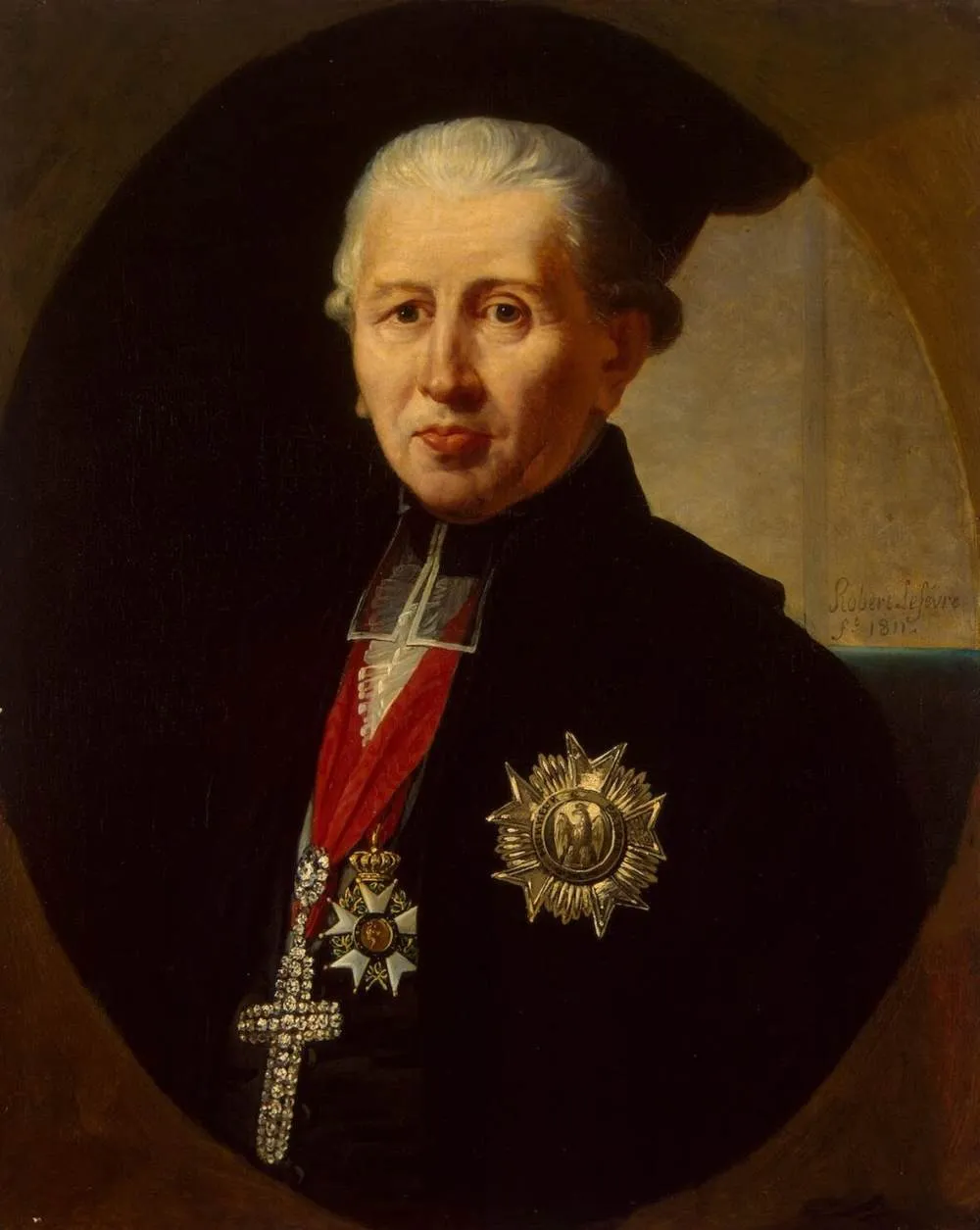
Portrait of Karl Theodor von Dalberg is an oil painting by the Neoclassicist artist Robert Lefèvre. It dates from 1811 and is held in the collection of the Hermitage Museum.
About this work
Overview
The figure gazes directly at the viewer with a calm, neutral expression, conveying both dignity and authority.
Robert Lefèvre’s 1811 oil portrait presents Karl Theodor von Dalberg, an ecclesiastical prince of the Holy Roman Empire, rendered in a restrained neoclassical manner. The composition isolates the sitter against a dark backdrop, emphasizing his white hair, black coat with a red sash, and a prominent gold star‑shaped medal on the left. The figure gazes directly at the viewer with a calm, neutral expression, conveying both dignity and authority.
Subject & Meaning
Karl Theodor von Dalberg (1745–1817) served as a high‑ranking cleric and political figure during the empire’s final decades. His attire—particularly the medal—signifies official honors and his elevated status within the imperial hierarchy. The portrait’s sober tone and lack of overt symbolism reflect the Enlightenment‑era preference for rational representation of public officials, underscoring his role as a statesman rather than a religious icon.
Technique & Style
Lefèvre employs a smooth, almost polished brushwork typical of French neoclassicism, drawing on the academic training of Jacques‑Louis David’s circle. The chiaroscuro is subtle, with the dark background serving to model the sitter’s features without dramatic contrast. The rendering of fabrics—black velvet, red silk sash, and gleaming gold medal—demonstrates meticulous attention to texture while maintaining overall compositional restraint.
History & Provenance
Completed in 1811, the portrait entered the collection of the State Hermitage Museum, where it remains on display. Lefèvre, a French painter born in 1755, was known for portraiture and historical subjects; this work exemplifies his later career, produced after his return from exile following the Napoleonic era. The painting’s acquisition by the Hermitage reflects the museum’s 19th‑century efforts to broaden its European holdings.
Context
The portrait was created during a period of political upheaval as the Holy Roman Empire dissolved and new nation‑states emerged. Dalberg’s position as Prince‑Archbishop of Mainz and later as a French‑appointed ruler placed him at the intersection of ecclesiastical tradition and modern statecraft. Lefèvre’s neoclassical approach aligns with contemporary artistic trends that favored classical restraint as a visual counterpart to the era’s rationalist ideals.
Artist & collection
Artist
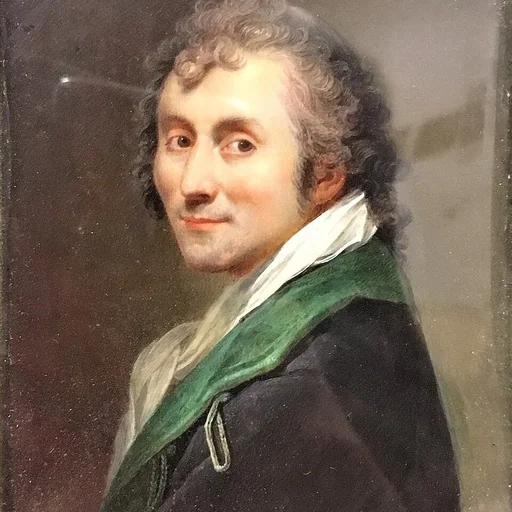
Robert Jacques François Faust Lefèvre (French pronunciation: , 24 September 1755, in Bayeux – 3 October 1830, in Paris) was a French painter of portraits, history paintings and religious paintings.

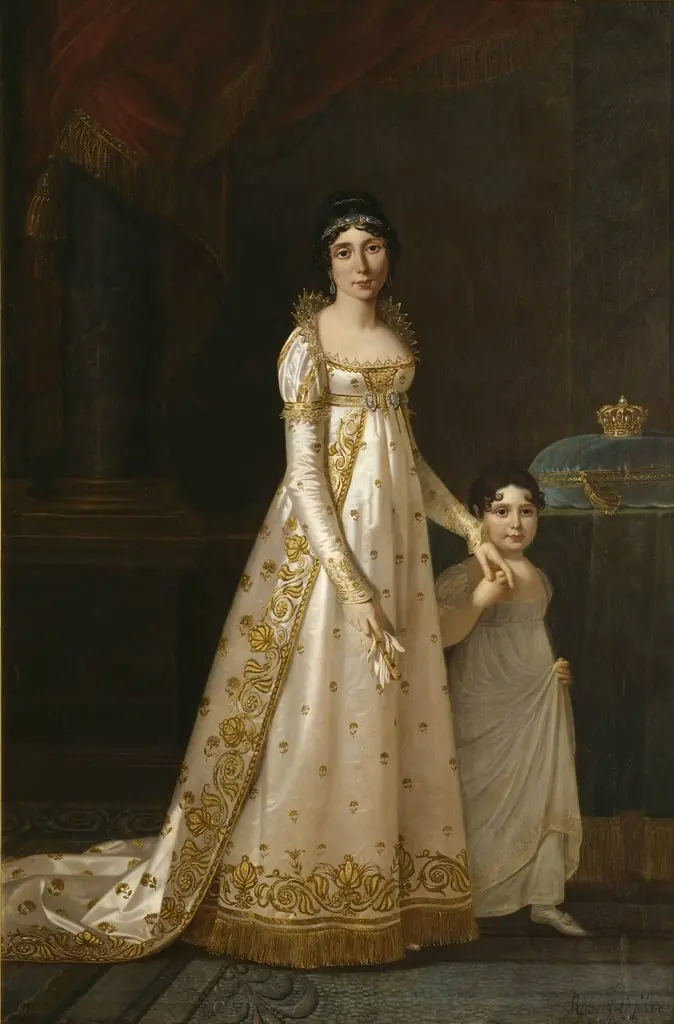 Marie-Julie Clary, Queen of Naples (1777-1845)
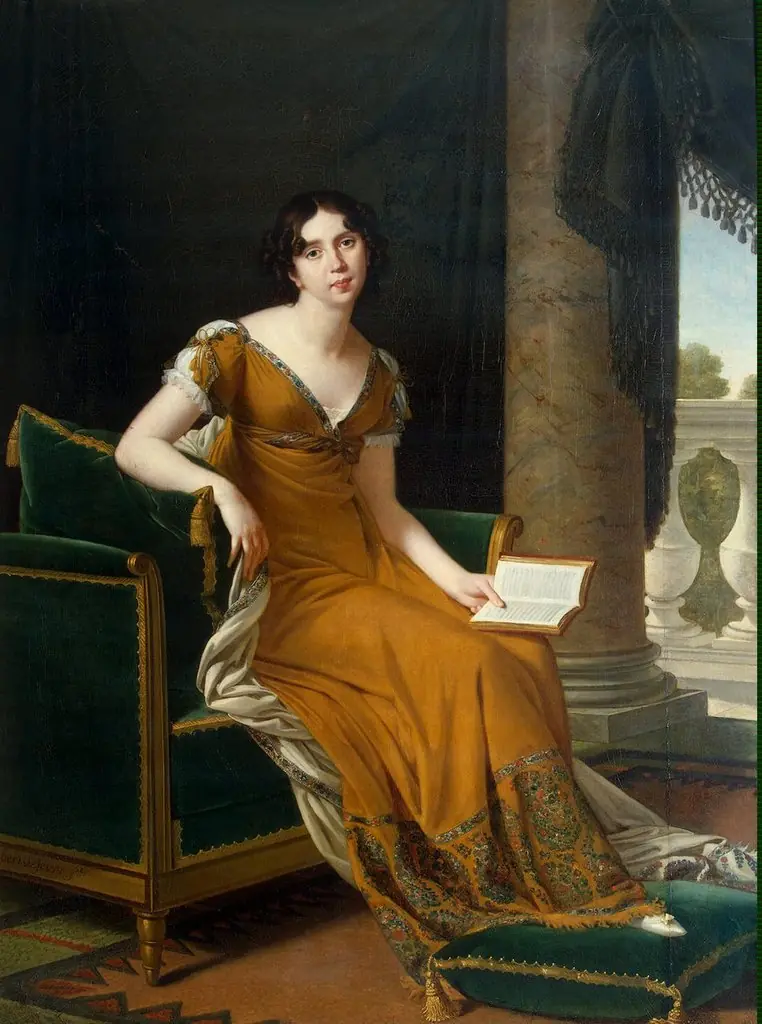 Portrait of Elisabeth Demidova
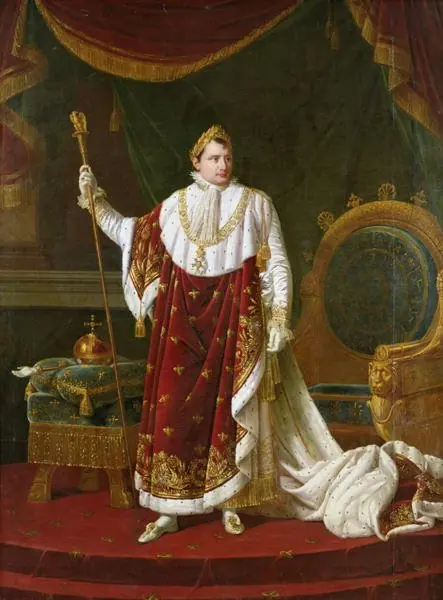 Napoleon I, Emperor of the French
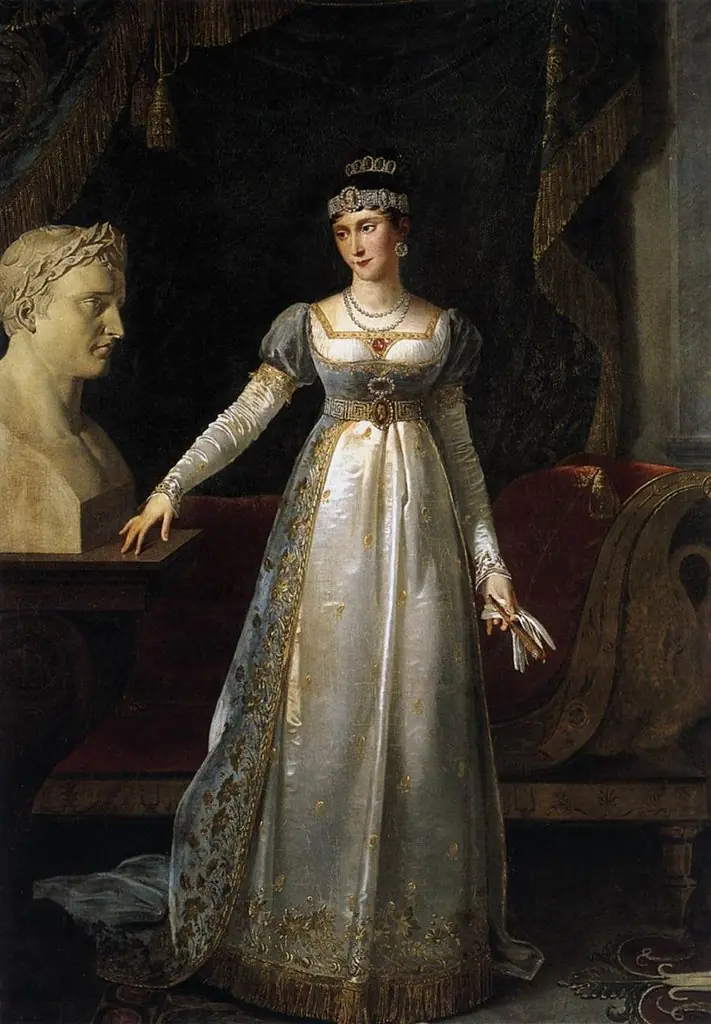 Pauline Bonaparte, Duchess of Guastalla, Princess Borghese
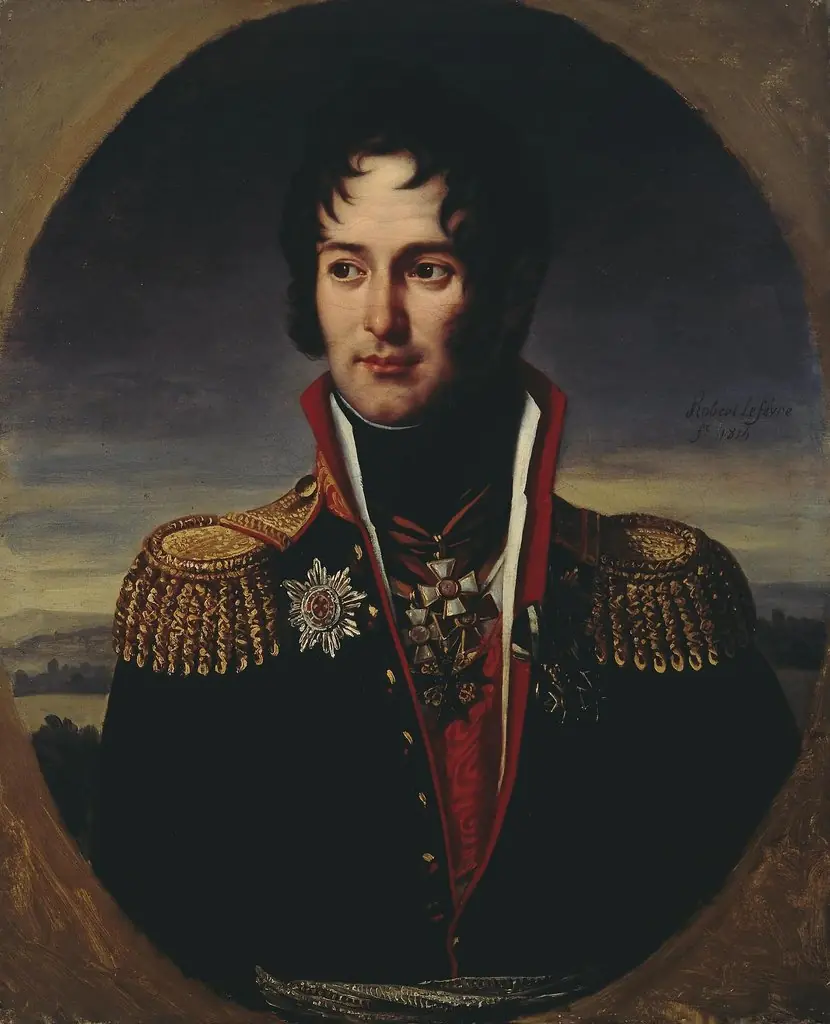 Portrait of General Piotr Chicherin
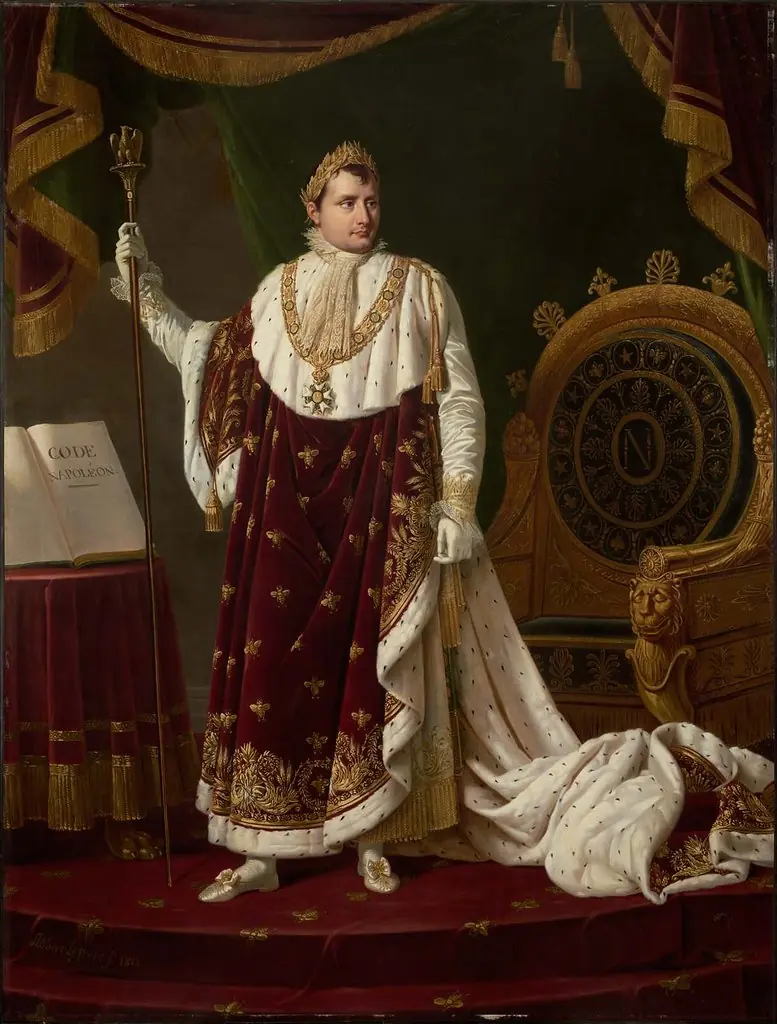 Portrait of Napoleon I in His Coronation Robes
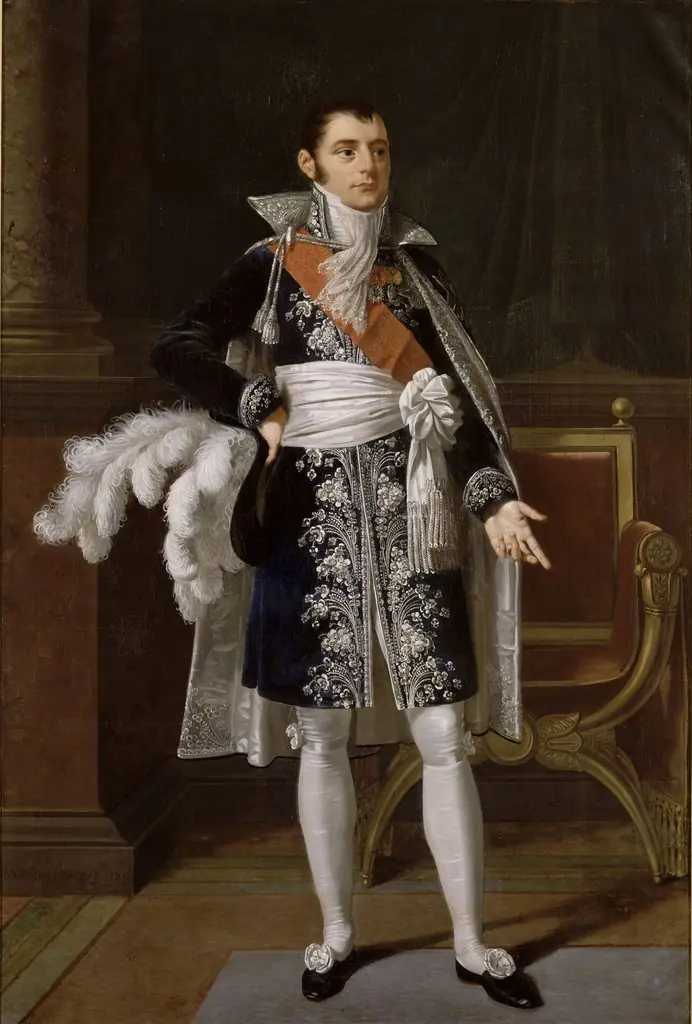 Portrait of Anne-Jean-Marie-René Savary, Duke of Rovigo (1774-1833)
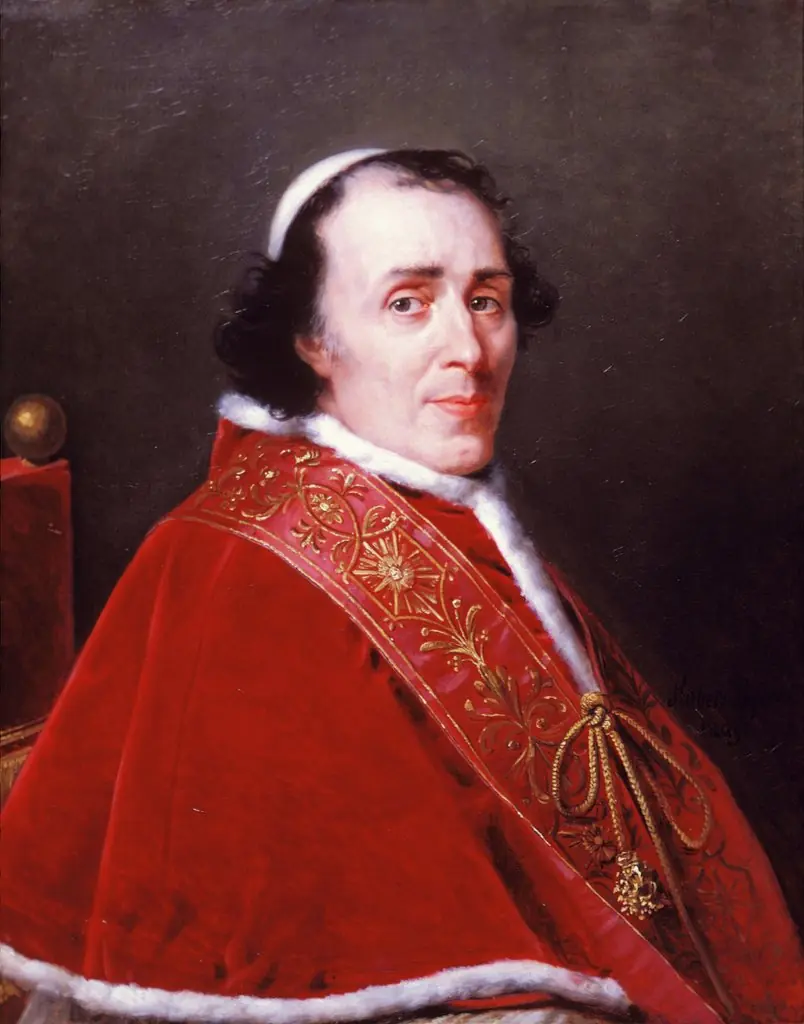 Portrait of Pope Pius VII
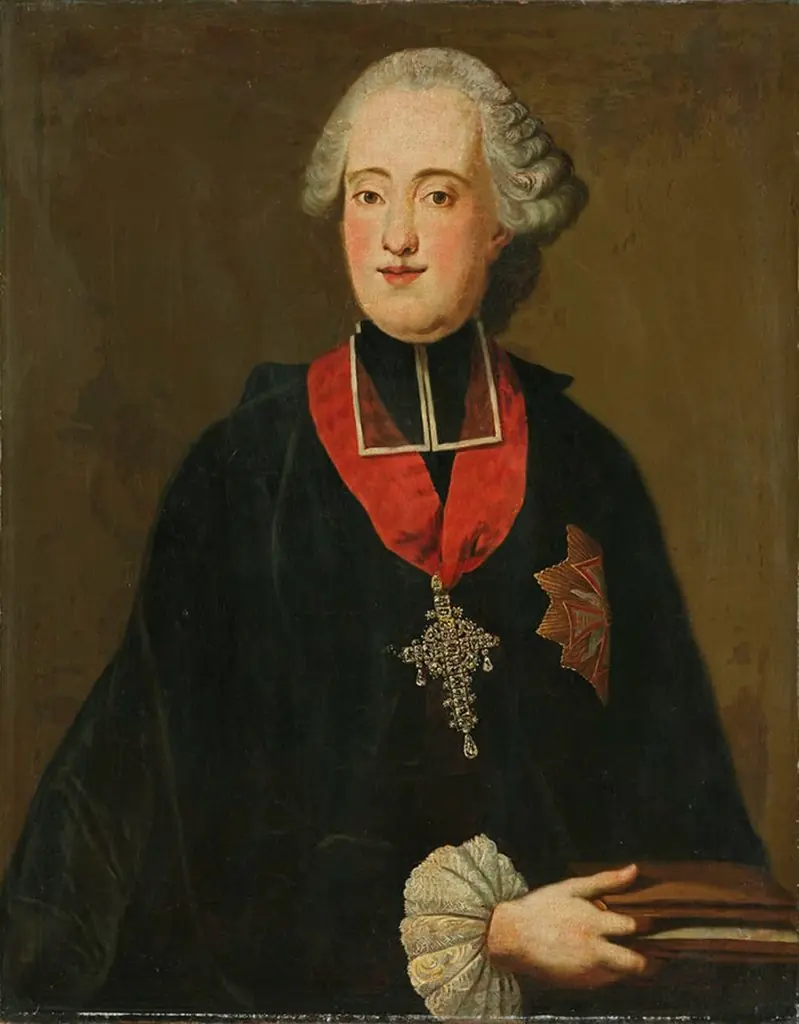 Bildnis des Clemens Wenzeslaus, Bischof von Freising, Regensburg und Augsburg
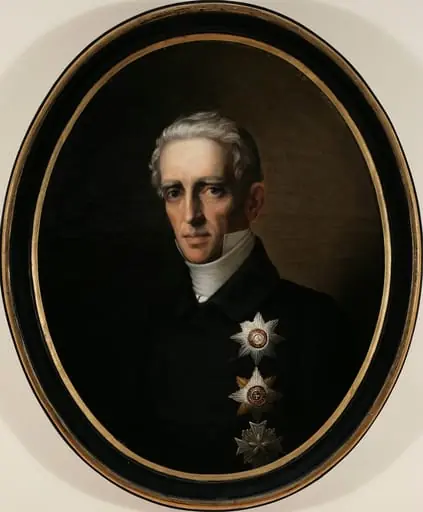 Vapaaherra Lars Gabriel von Haartman
 Baronul von Rall, general austriac (RI: Baronul Rall, general austriac)
 Emmanuel de Croy-Solre, Duke of Croy, Marshal of France (1718-1784)
 Portrait of Nikolai Mordvinov (?)
 Portrait of Admiral F.F.Ushakov
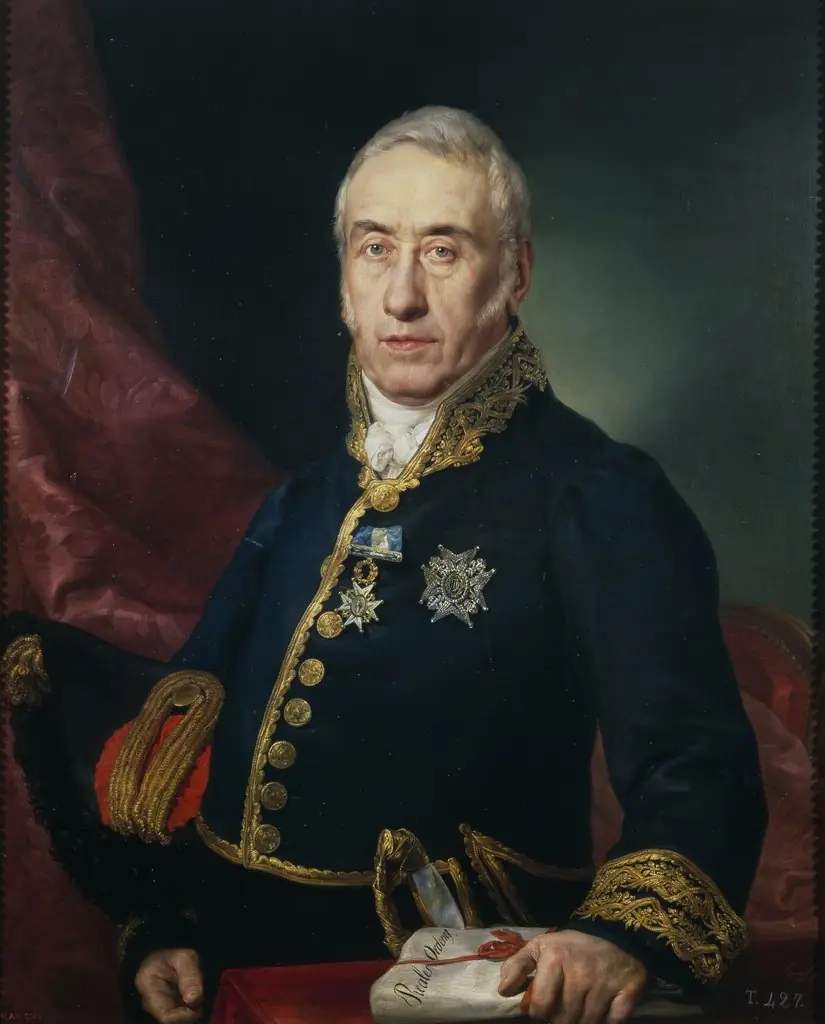 Ignacio Gutiérrez Solana, Overseer of the Royal Stables
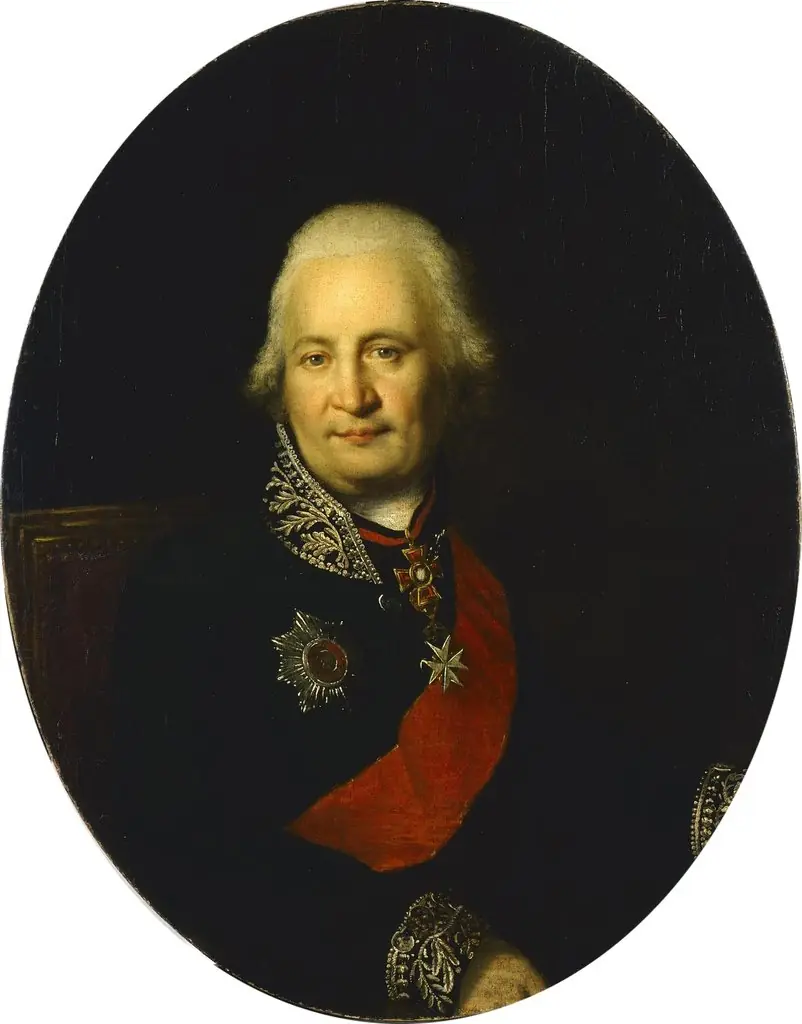 Portrait of N.N.Bantysh-Kamensky
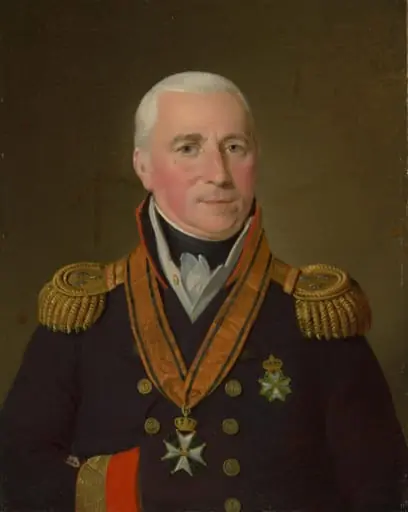 Portrait of Gerrit Verdooren (1757-1824), Vice-admiral
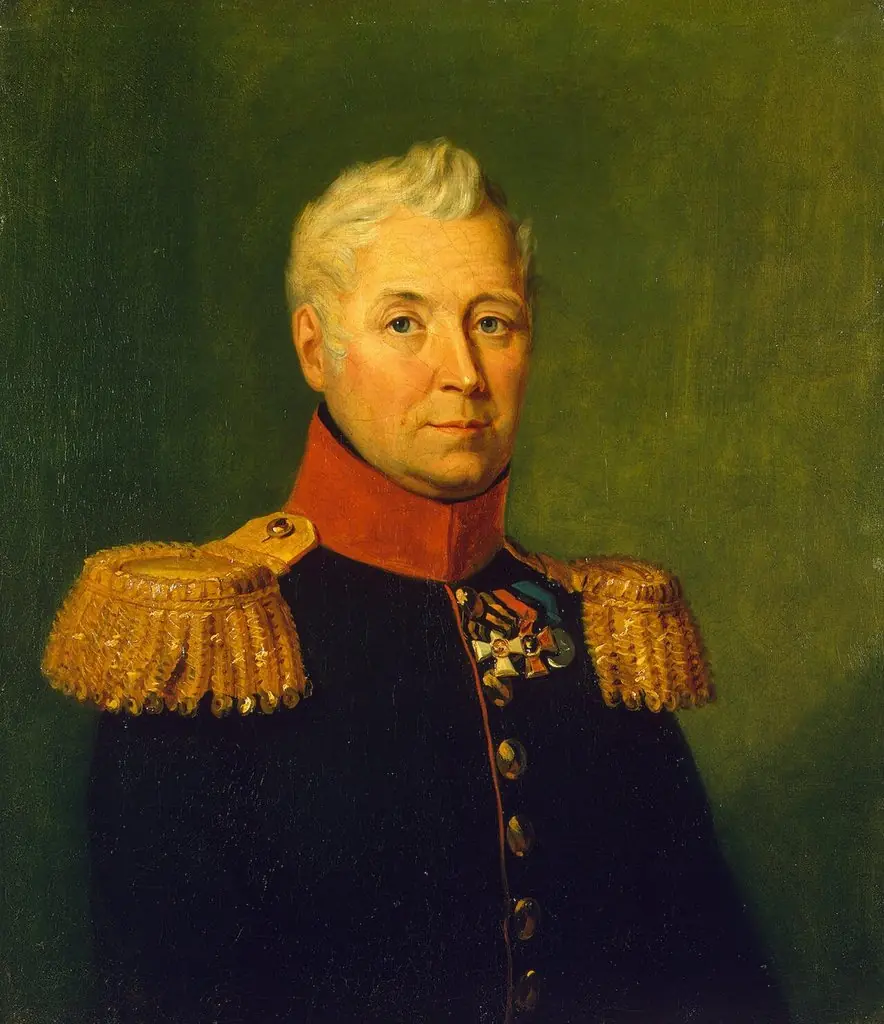 Portrait of Andrey T. Maslov (1770-1828)
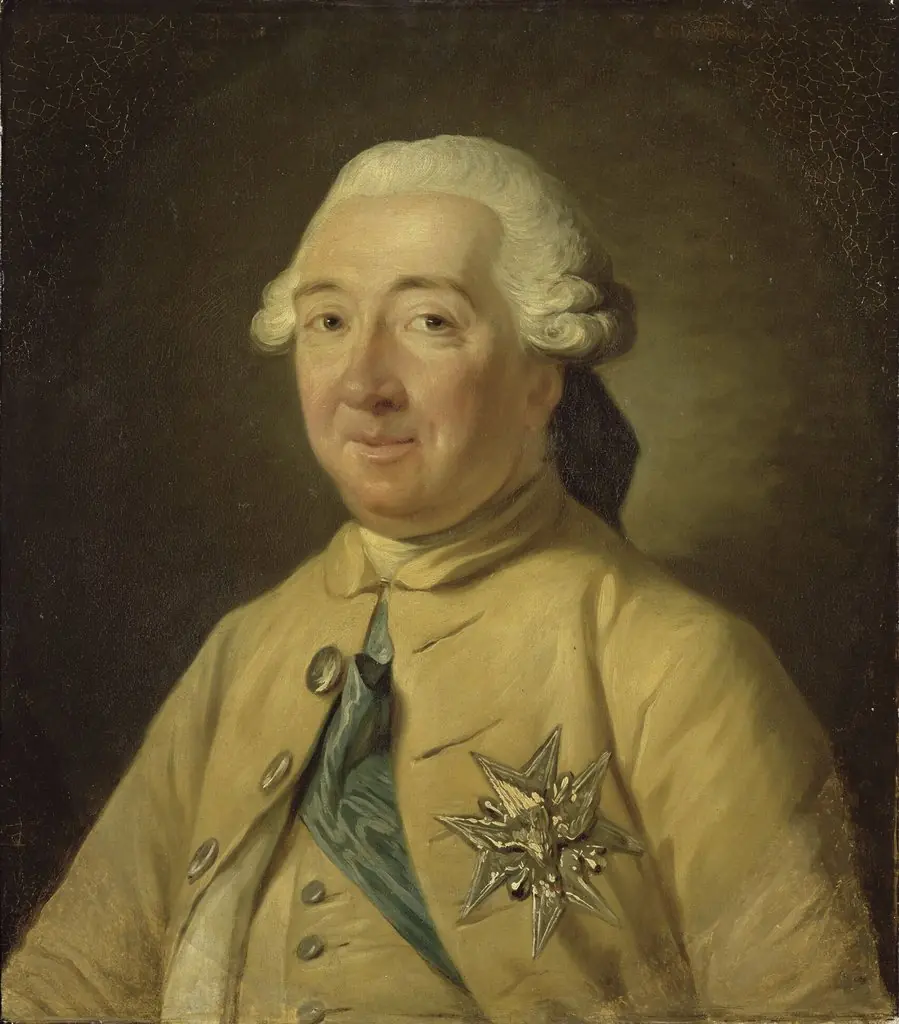 Portrait of Louis de Noailles, maréchal de France (1713-1793)
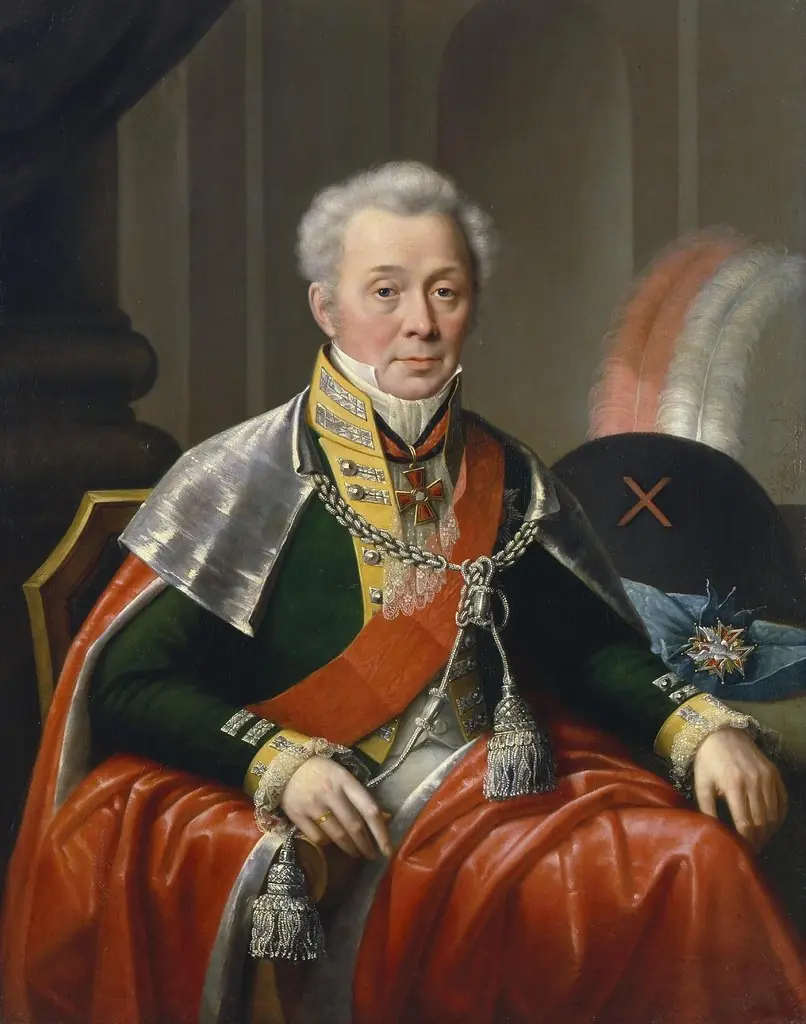 Portrait of Senator Piotr Myatlev