Artwork
Pauline Bonaparte, Duchess of Guastalla, Princess Borghese
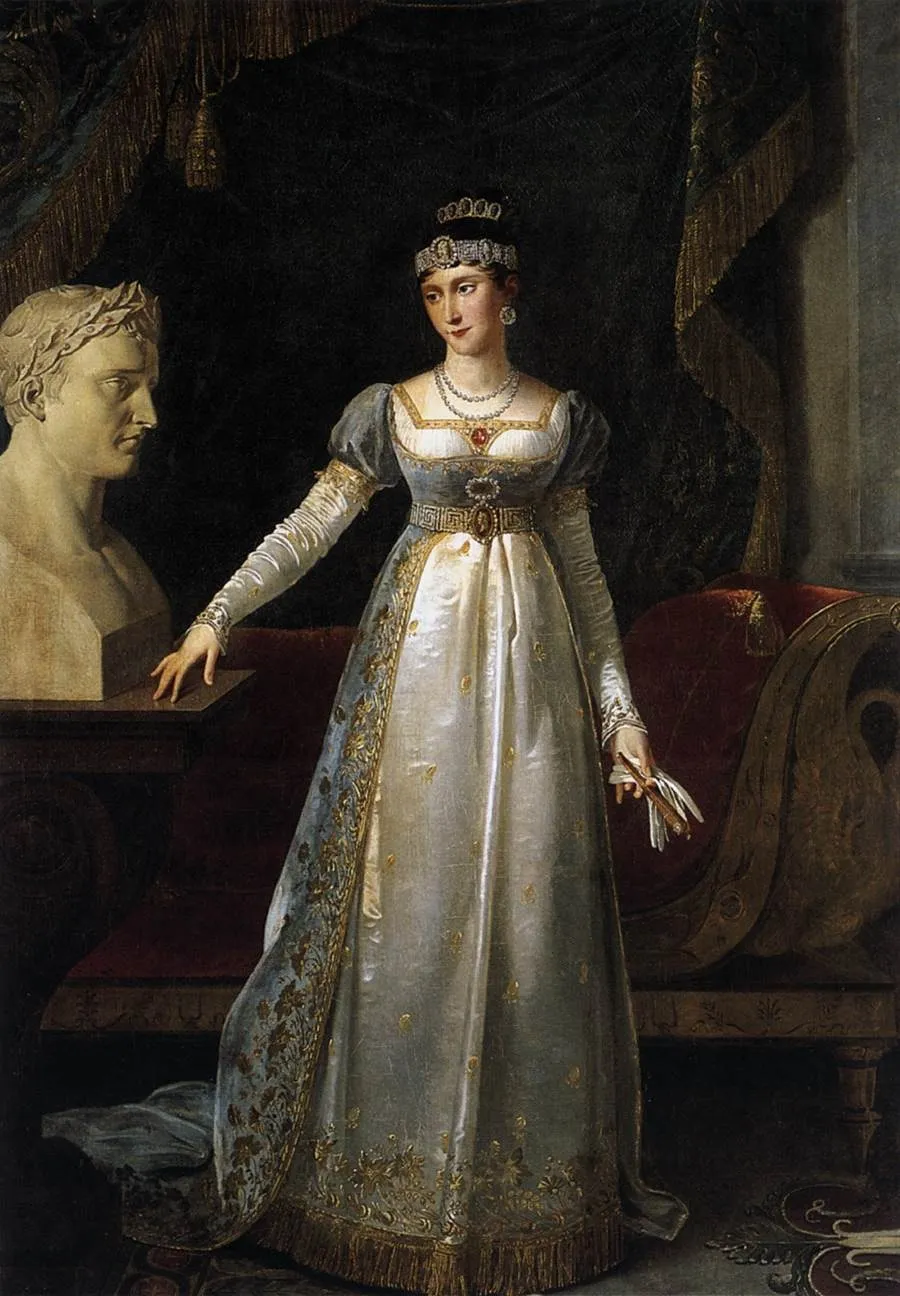
Pauline Bonaparte, Duchess of Guastalla, Princess Borghese is an oil painting by the Neoclassicist artist Robert Lefèvre. It dates from 1806 and is held in the collection of the Museum of the History of France.
About this work
This painting is a portrait of Pauline Bonaparte, Duchess of Guastalla, Princess Borghese, created by Robert Lefèvre in 1806.
The painting depicts a woman in a long, white dress with gold accents, standing in front of a red couch. She wears a crown and holds a fan in her right hand. To her left is a bust of a man. The background is dark, with a curtain hanging behind the couch.
The woman's dress is intricately detailed, with gold embroidery and a blue sash around her waist. Her crown is adorned with jewels, and her fan is decorated with feathers. The bust of the man is simple, with a laurel wreath on his head.
This painting is a portrait of Pauline Bonaparte, Duchess of Guastalla, Princess Borghese, created by Robert Lefèvre in 1806. It is held at the Palace of Versailles. If you're interested in learning more about the artist behind this piece, look up Robert Lefèvre.
Overview
Robert Lefèvre’s 1806 oil portrait presents Pauline Bonaparte, who held the titles Duchess of Guastalla and Princess Borghese, in an elegant pose. The canvas, now part of the Palace of Versailles collection, exemplifies the neoclassical aesthetic that dominated French court painting in the early nineteenth century.
Subject & Meaning
The sitter is shown reclining on a richly appointed couch, dressed in a white gown trimmed with gold embroidery and a blue sash, a jeweled crown atop her head, and a feather‑adorned fan in her right hand. A classical bust with a laurel wreath stands to her left, reinforcing the connection to antiquity and the status of the subject as a member of the Bonaparte family.
Technique & Style
Lefèvre employs the smooth, polished brushwork typical of neoclassicism, drawing on the compositional clarity of Jacques‑Louis David. The contrast between the dark, draped background and the luminous fabrics highlights the sitter’s attire and accessories, while the precise rendering of jewelry and metalwork underscores the painter’s attention to detail.
History & Provenance
Commissioned in 1806, the portrait entered the royal holdings after the fall of the Napoleonic Empire and was eventually transferred to the Palace of Versailles, where it remains on display as part of the museum’s collection of early‑19th‑century French portraiture.
Context
At the time of its creation, Pauline Bonaparte was a prominent figure in European aristocracy, having married into the Borghese family and later receiving the duchy of Guastalla. The work reflects the era’s fascination with classical motifs and the desire of the Bonaparte relatives to assert their legitimacy through refined, historically resonant portraiture.
Artist & collection
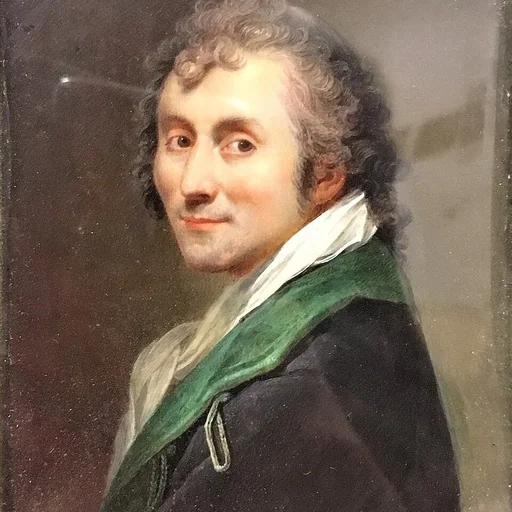
Artist
Robert Jacques François Faust Lefèvre (French pronunciation: , 24 September 1755, in Bayeux – 3 October 1830, in Paris) was a French painter of portraits, history paintings and religious paintings.

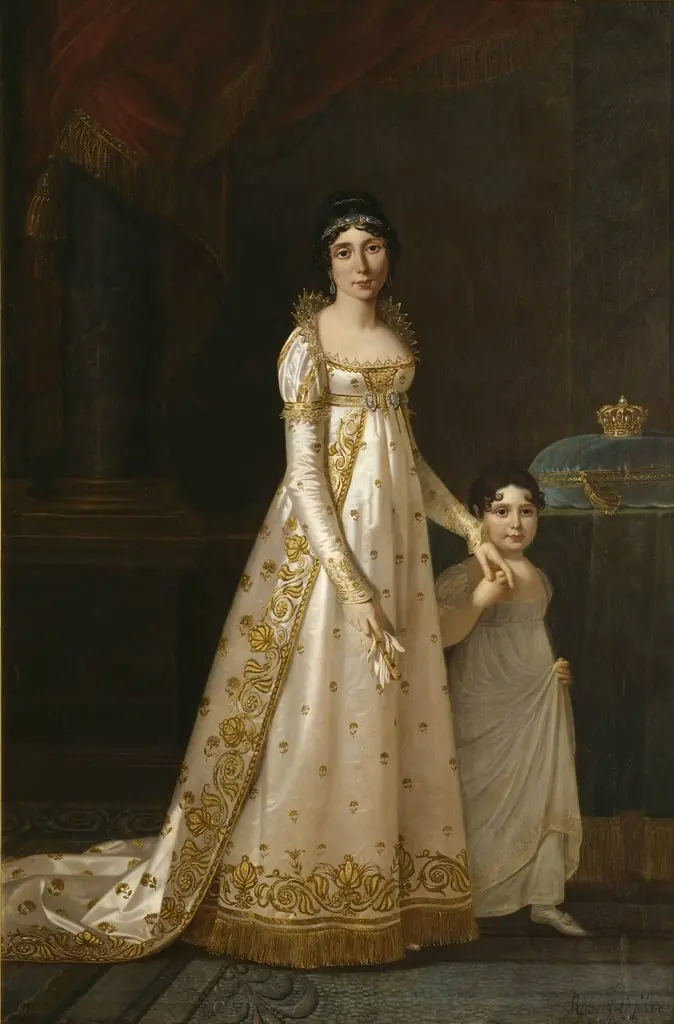 Marie-Julie Clary, Queen of Naples (1777-1845)
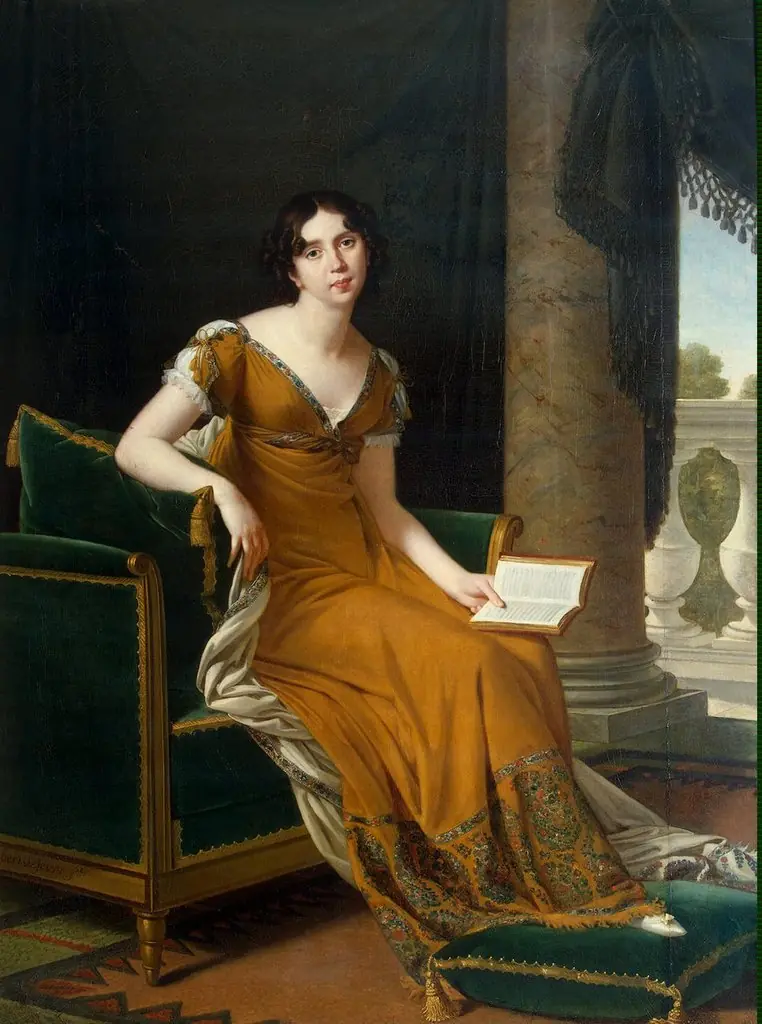 Portrait of Elisabeth Demidova
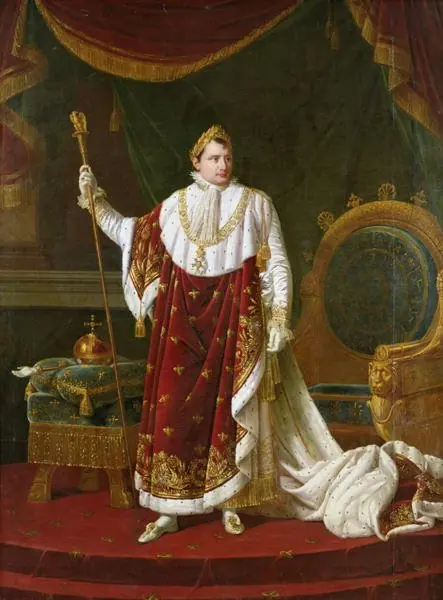 Napoleon I, Emperor of the French
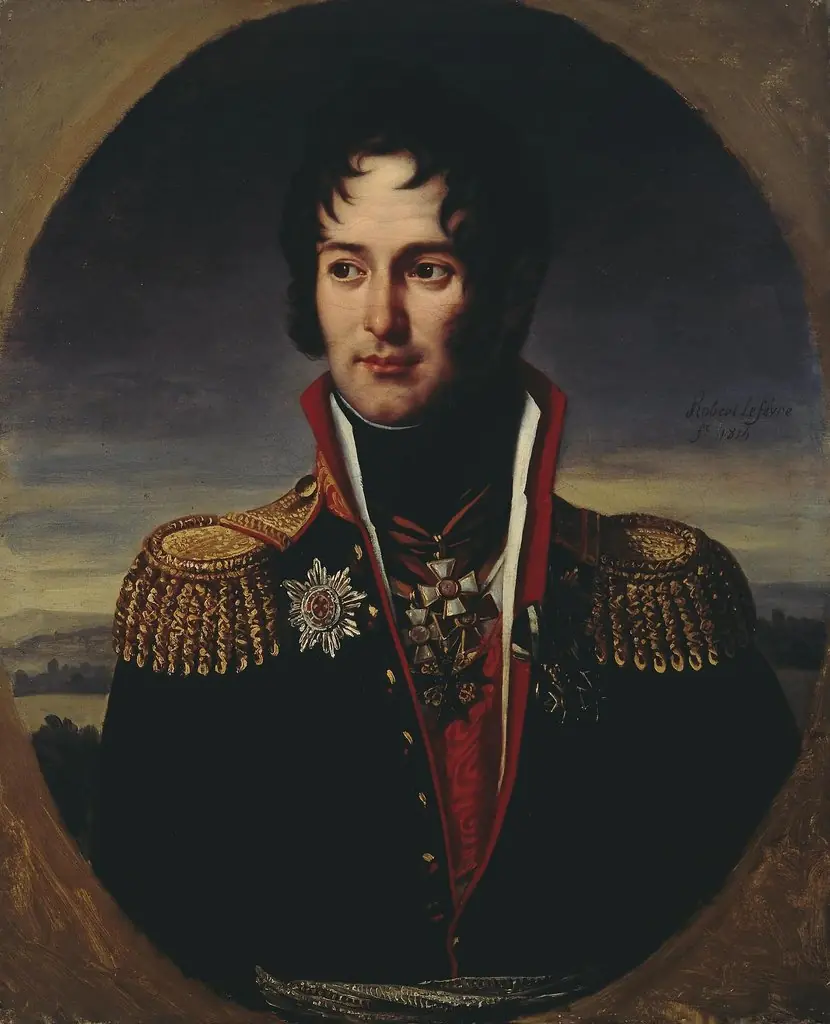 Portrait of General Piotr Chicherin
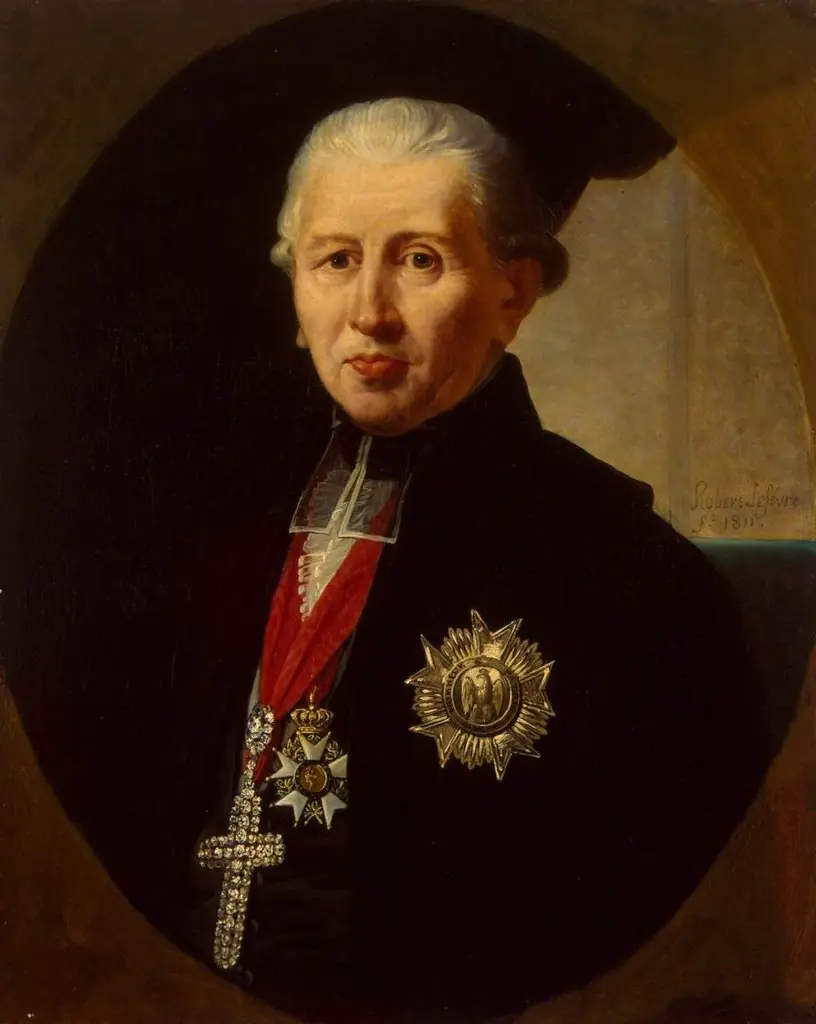 Portrait of Karl Theodor von Dalberg
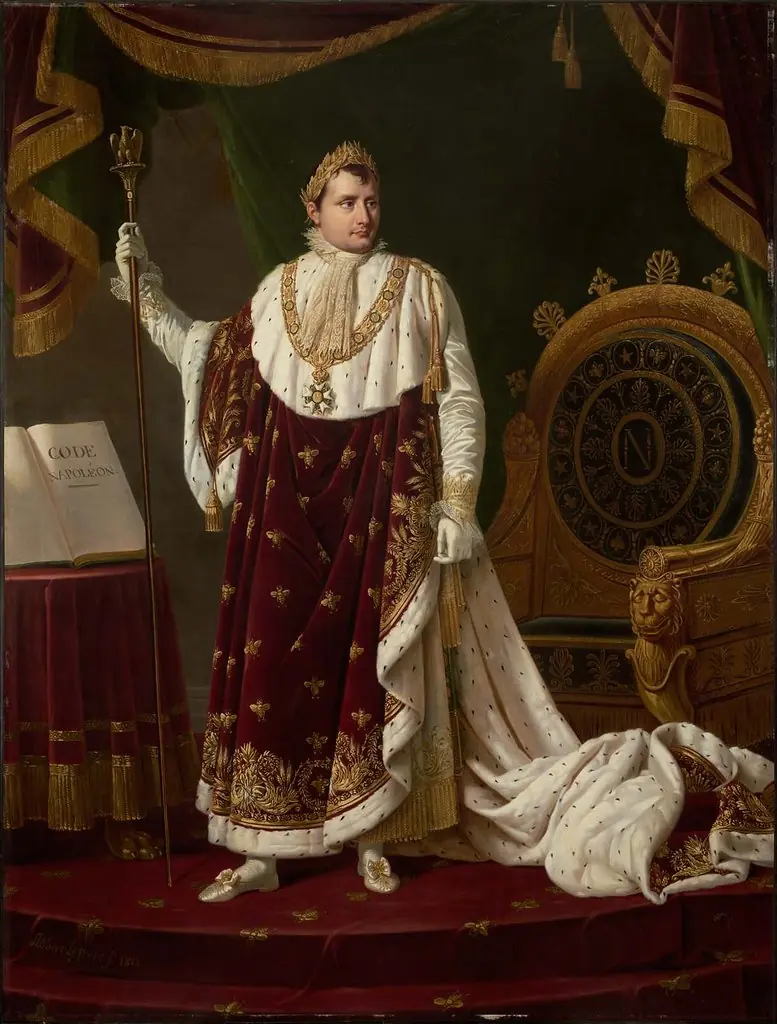 Portrait of Napoleon I in His Coronation Robes
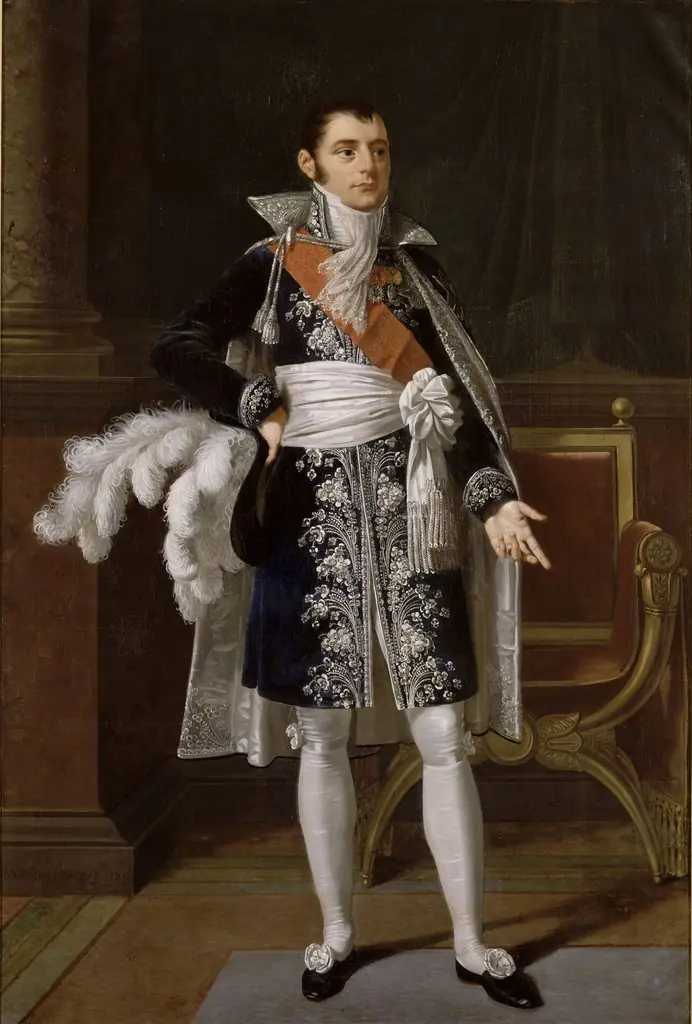 Portrait of Anne-Jean-Marie-René Savary, Duke of Rovigo (1774-1833)
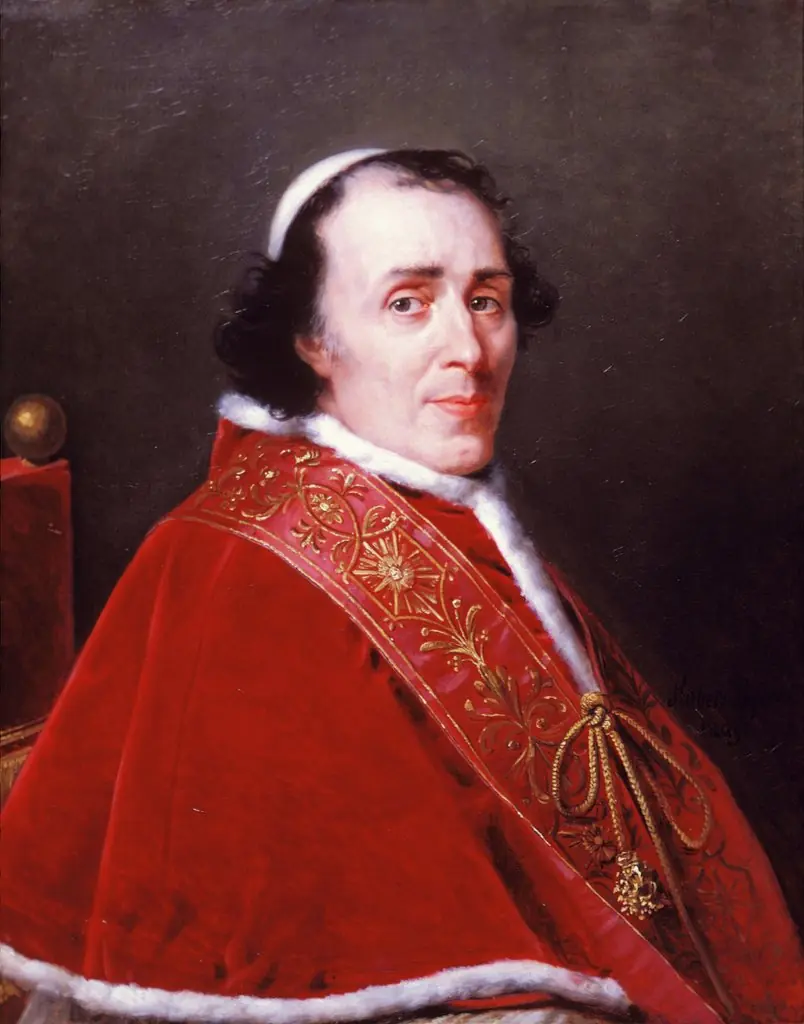 Portrait of Pope Pius VII
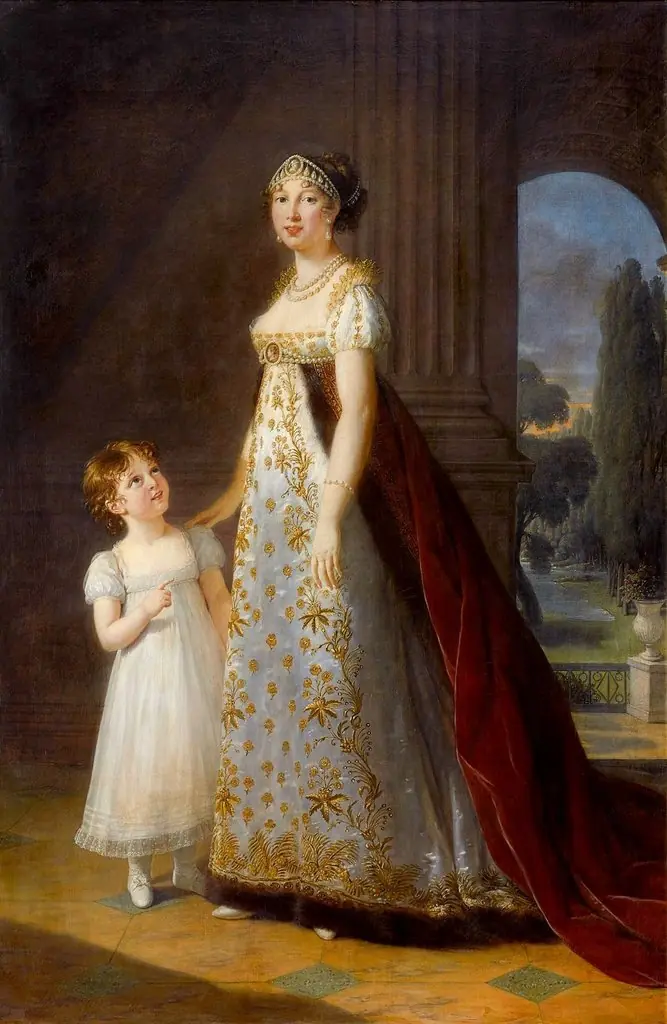 Caroline Murat with her daughter Letizia
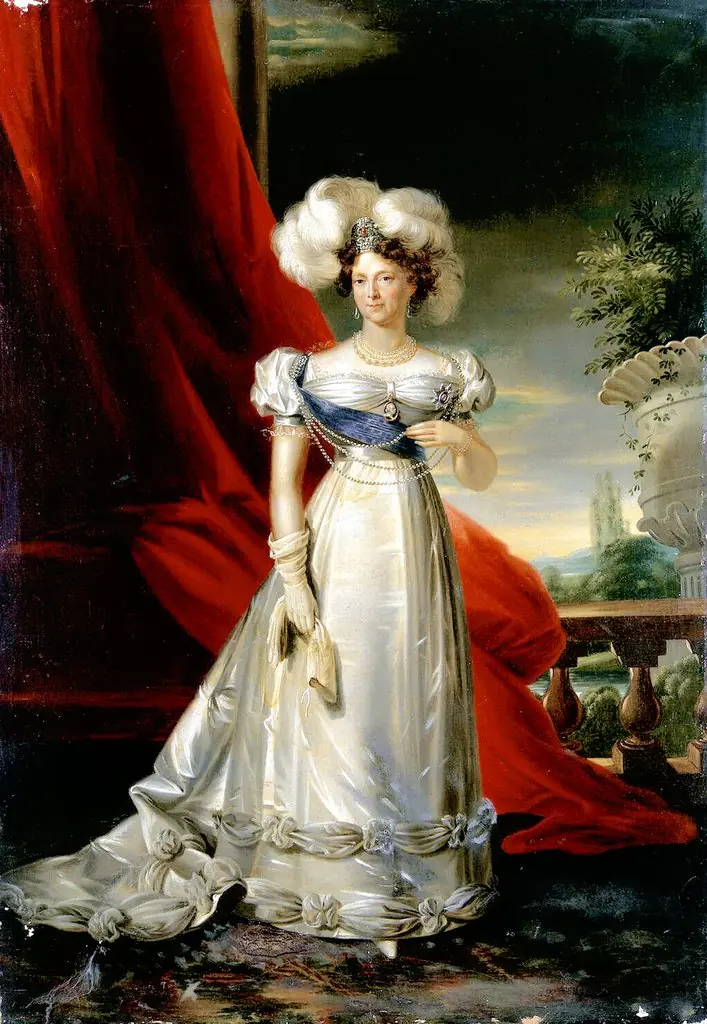 Portrait of the Empress Dowager Maria Feodorovna
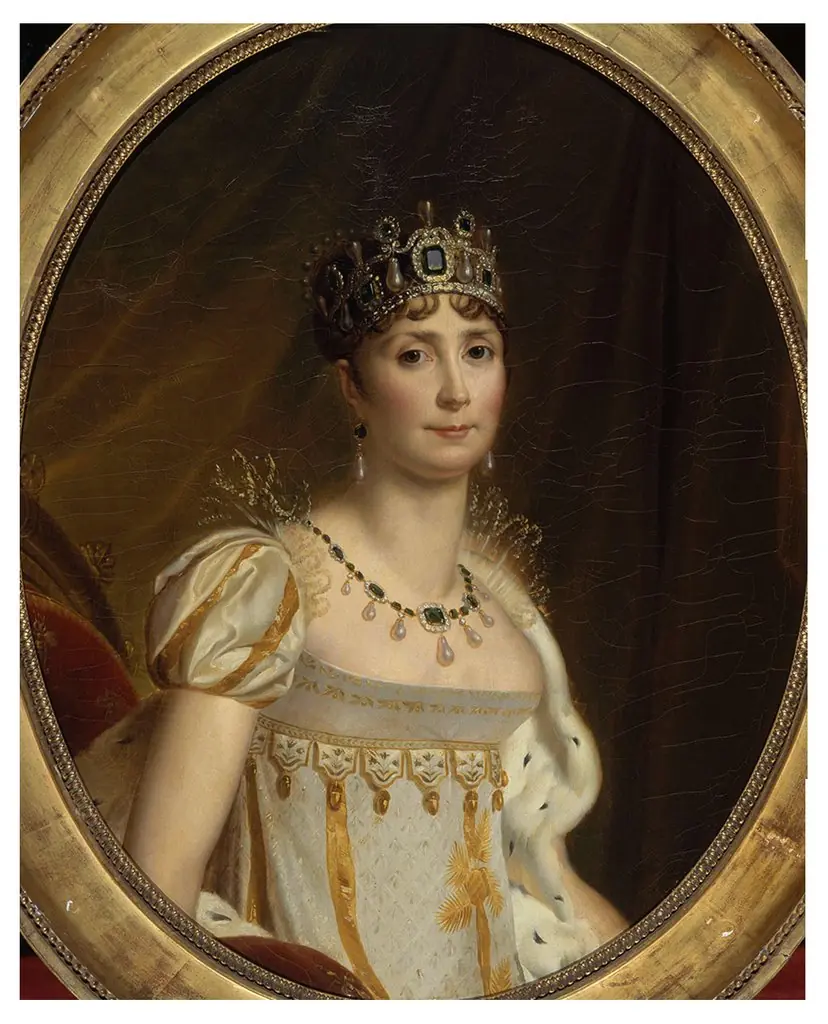 Portrait of Joséphine de Beauharnais
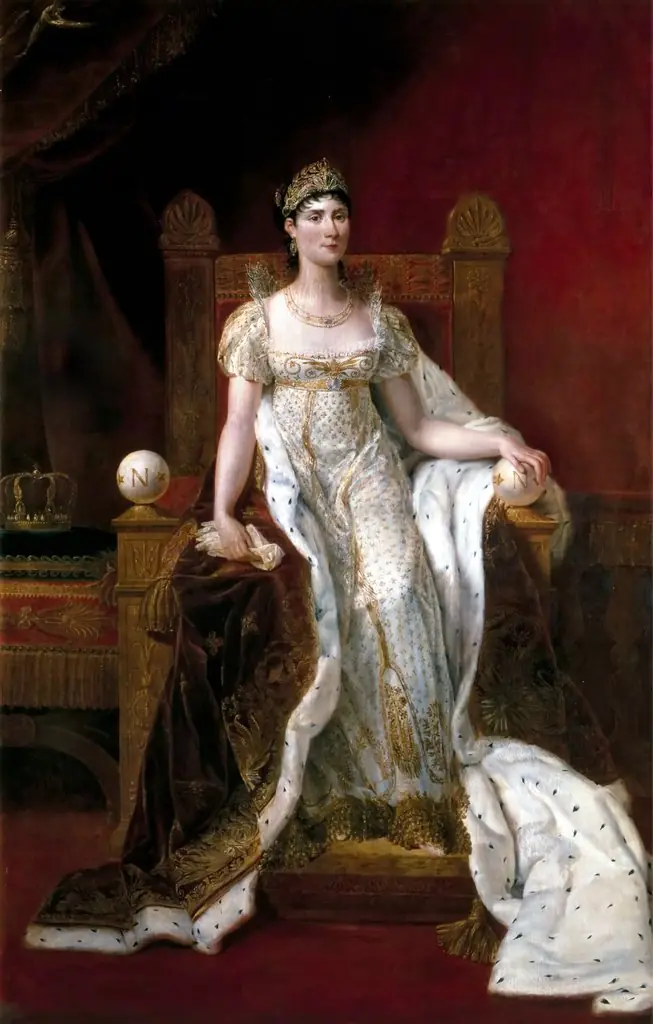 Joséphine, Empress of the French
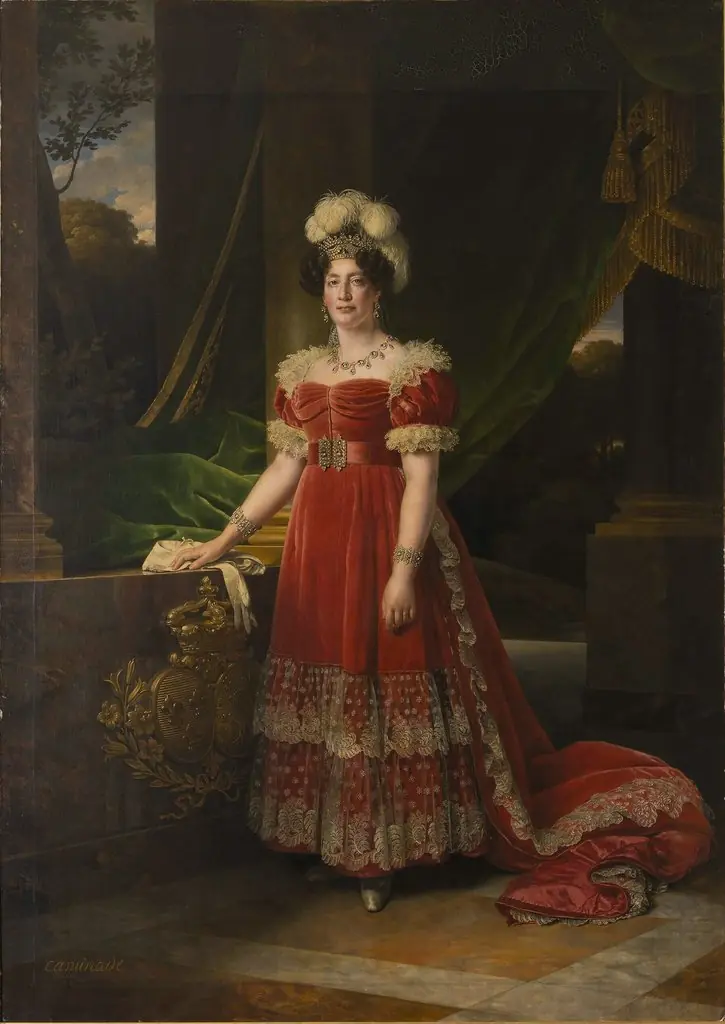 Portrait of Marie Thérèse of France, Duchess of Angoulême (1778-1851)
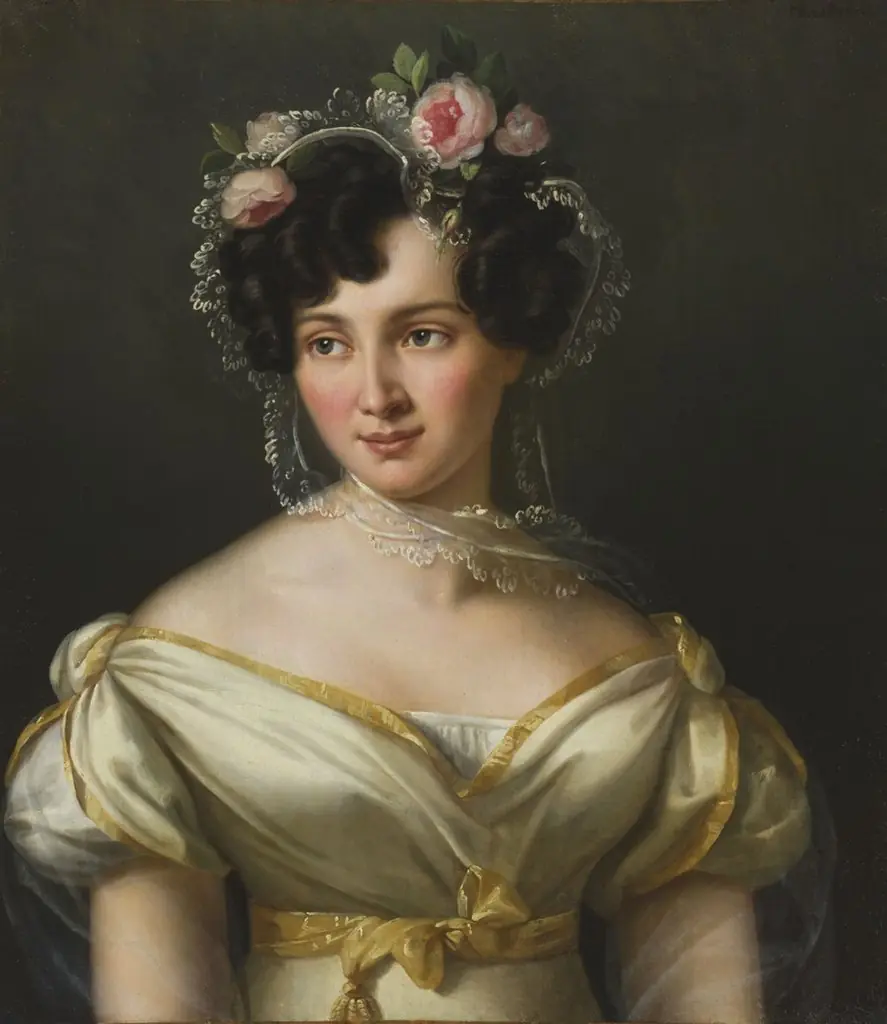 Portrait of Princess Anna Nikolayevna
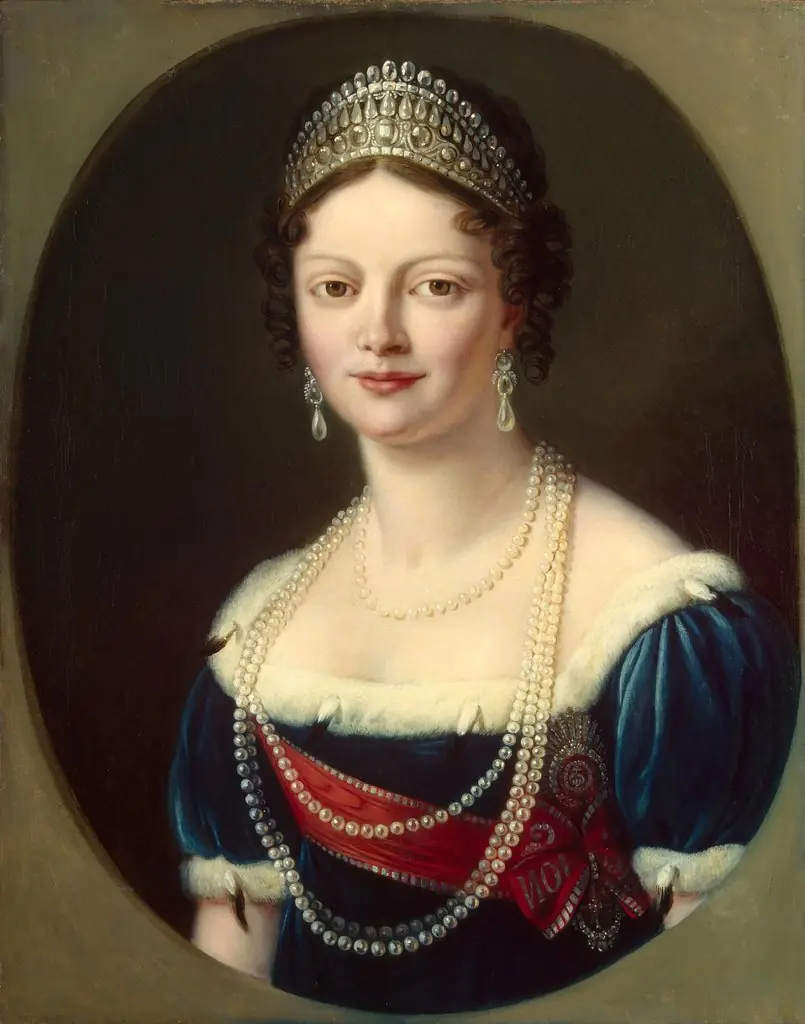 Portrait of Grand Duchess Ekaterina Pavlovna
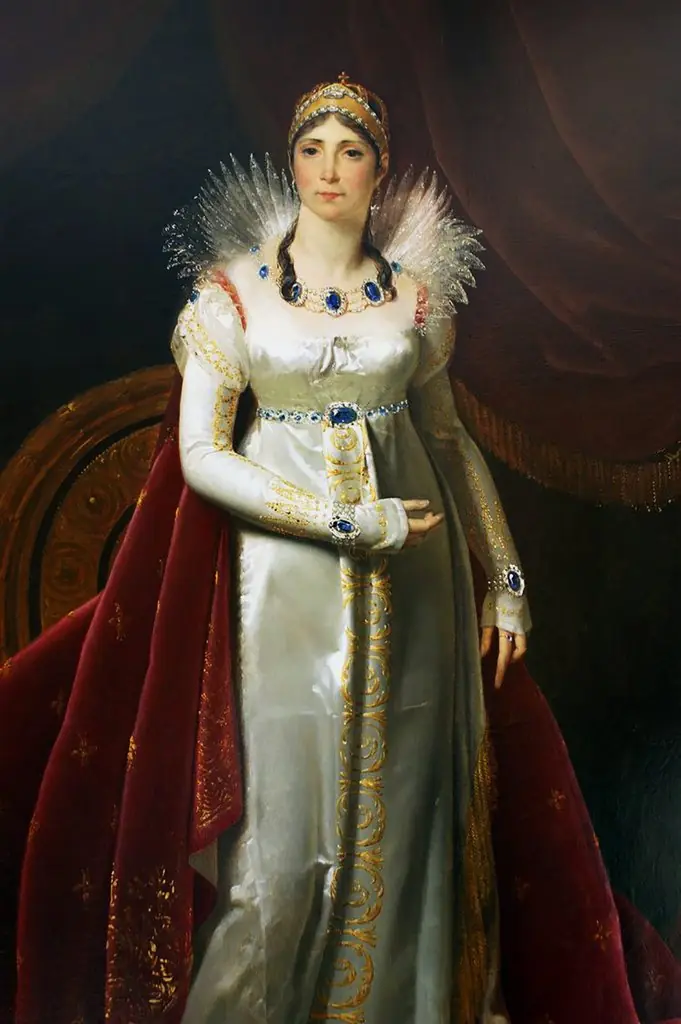 Portrait of Joséphine de Beauharnais (1763-1814)