Artwork
Richard Bentley (after James Thornhill)
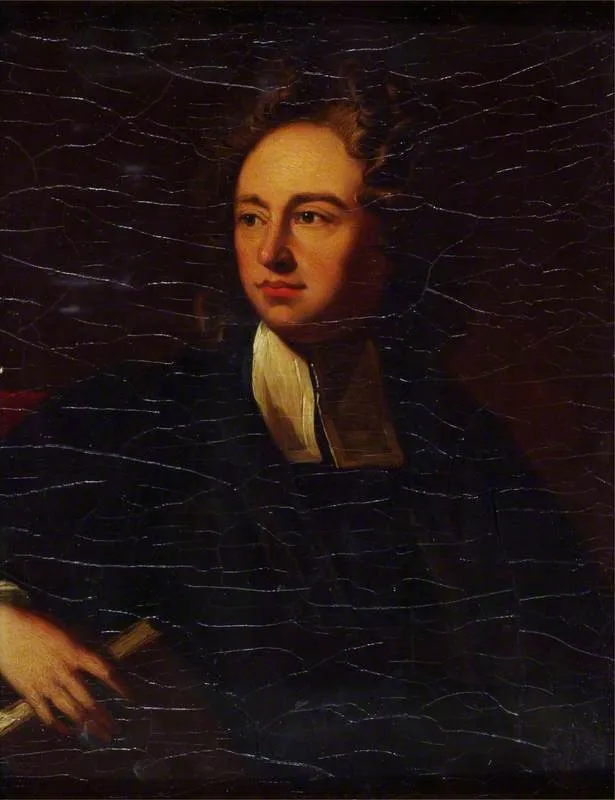
Richard Bentley (after James Thornhill) is an oil painting by Robert William Buss. It dates from 1849 and is held in the collection of the Victoria and Albert Museum.
About this work
Overview
Painted around 1849 by Robert William Buss, this oil portrait depicts Richard Bentley, a prominent London publisher of the early 19th century. The work is part of the Victoria and Albert Museum’s collection. Buss, primarily known as an illustrator and etcher, approached portraiture with a restrained, observational style, emphasizing the subject’s presence over decorative flourish.
Subject & Meaning
Richard Bentley was a leading publisher of literary and scholarly works, associated with figures like Charles Dickens and William Makepeace Thackeray.
Richard Bentley was a leading publisher of literary and scholarly works, associated with figures like Charles Dickens and William Makepeace Thackeray. The book he holds suggests his professional identity as a man of letters. His expression is calm and introspective, conveying authority and intellectual gravitas rather than theatricality, aligning with the dignity expected of cultural gatekeepers of the era.
Technique & Style
Buss rendered the portrait in oil with a muted palette and tight focus on the face and hands. The dark, unmodeled background isolates the figure, directing attention to the texture of fabric, the sheen of skin, and the weight of the book. Brushwork is precise but unadorned, reflecting a documentary intent rather than romantic idealization, consistent with Buss’s illustrative discipline.
History & Provenance
The painting entered the Victoria and Albert Museum’s collection in the 19th century, likely through acquisition or donation tied to Bentley’s literary circle. Its preservation reflects the institution’s interest in documenting Britain’s publishing history. No significant alterations or reworkings are recorded, and the work has remained in stable condition since its creation.
Context
In mid-19th century Britain, publishers like Bentley played a crucial role in shaping public taste and disseminating literature. Portraits of such figures were often commissioned to affirm their social and cultural status. Buss, though better known for narrative scenes, here adopts a formal convention common in professional portraiture of the time, balancing individuality with institutional respect.
Legacy
While Robert William Buss is remembered more for his illustrations and his daughter Frances’s educational reforms, this portrait endures as a quiet record of a key figure in Victorian publishing. It offers insight into how intellectual authority was visually constructed outside the aristocracy, contributing to a broader understanding of cultural patronage in the period.
Artist & collection
Artist
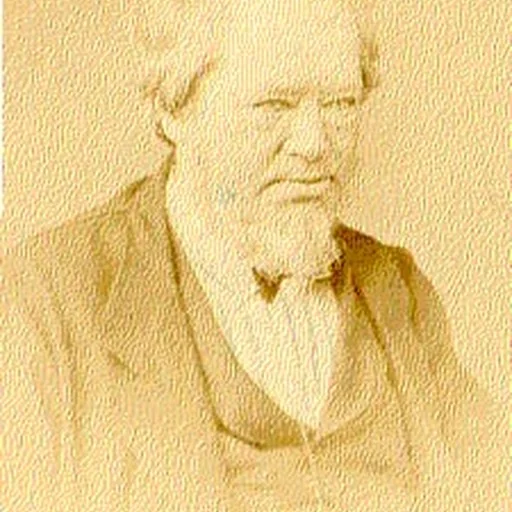
Robert William Buss (4 August 1804 – 26 February 1875) was a Victorian artist, etcher and illustrator perhaps best known for his painting Dickens' Dream. He was the father of Frances Buss, a pioneer of girls' education.

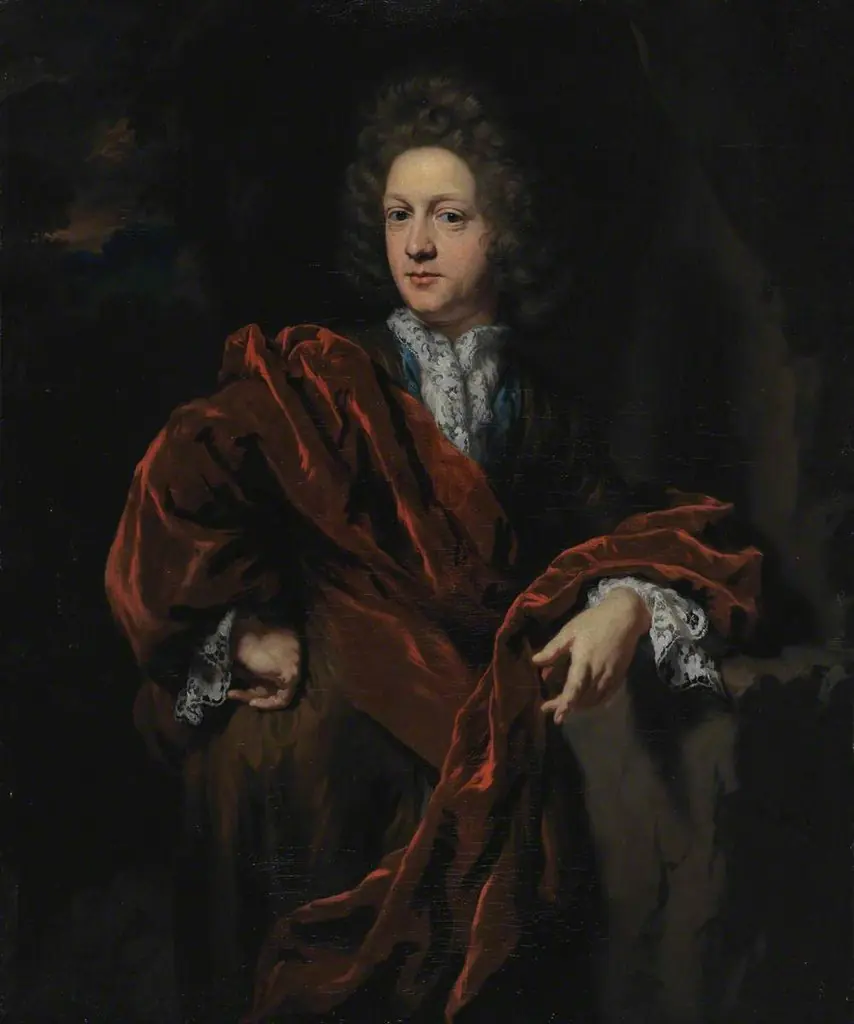 Portrait of a gentleman in a red cloak
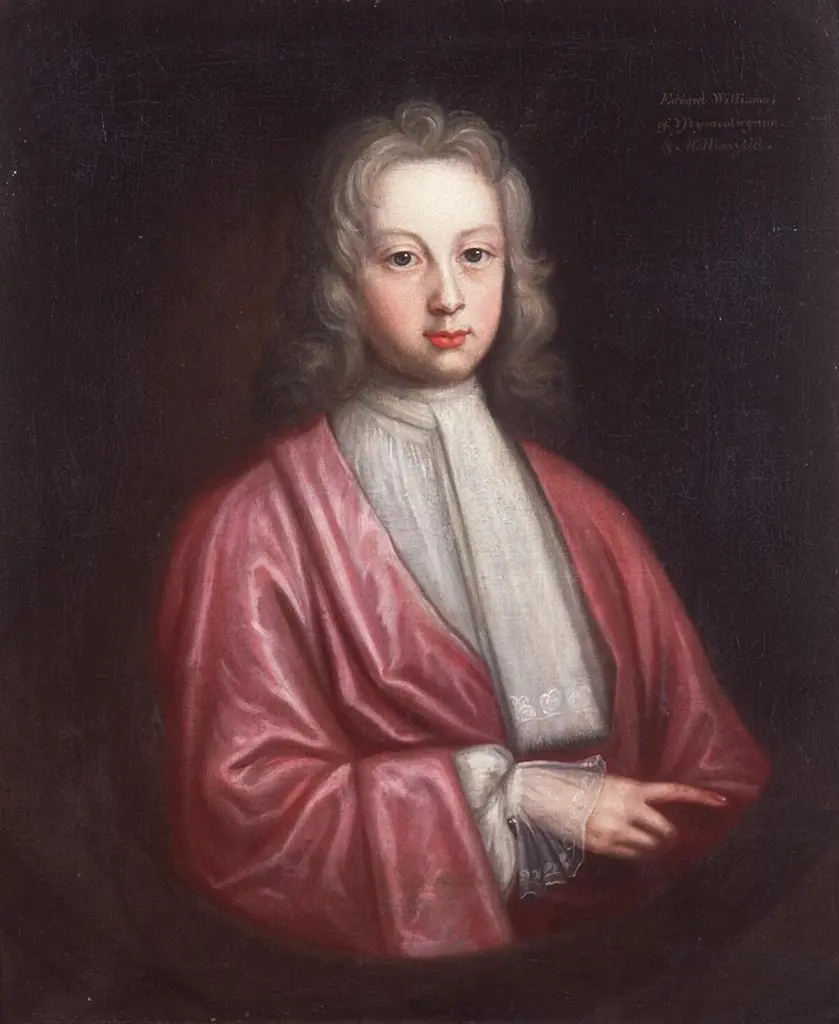 Edward Williams
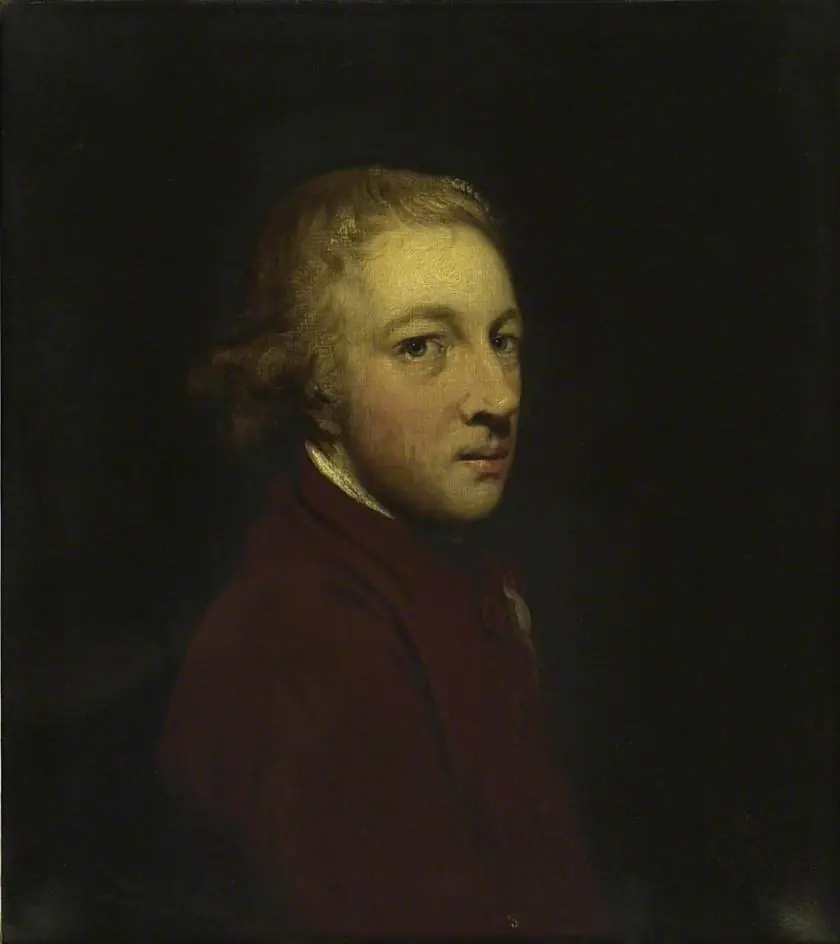 Portrait of a young Man
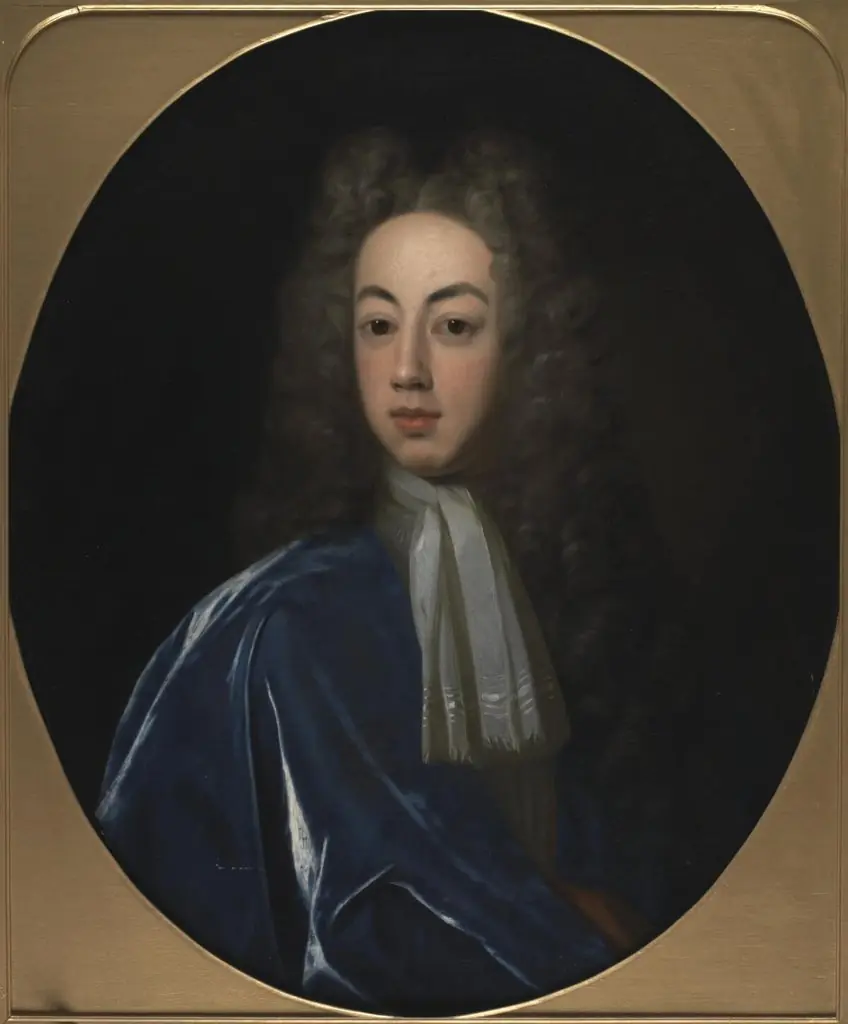 William Owen, son of Sir Robert Owen
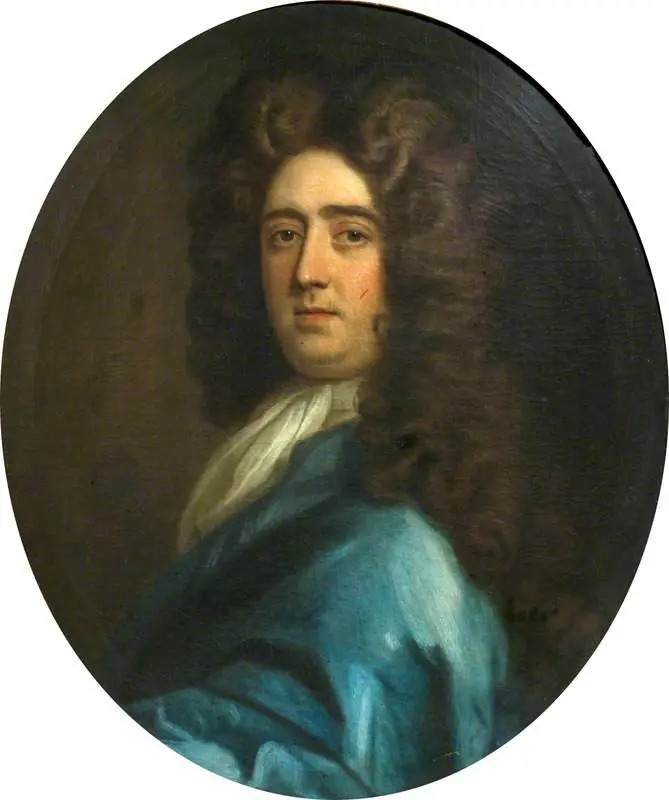 Portrait of a Member of the Howard Family of Ashtead
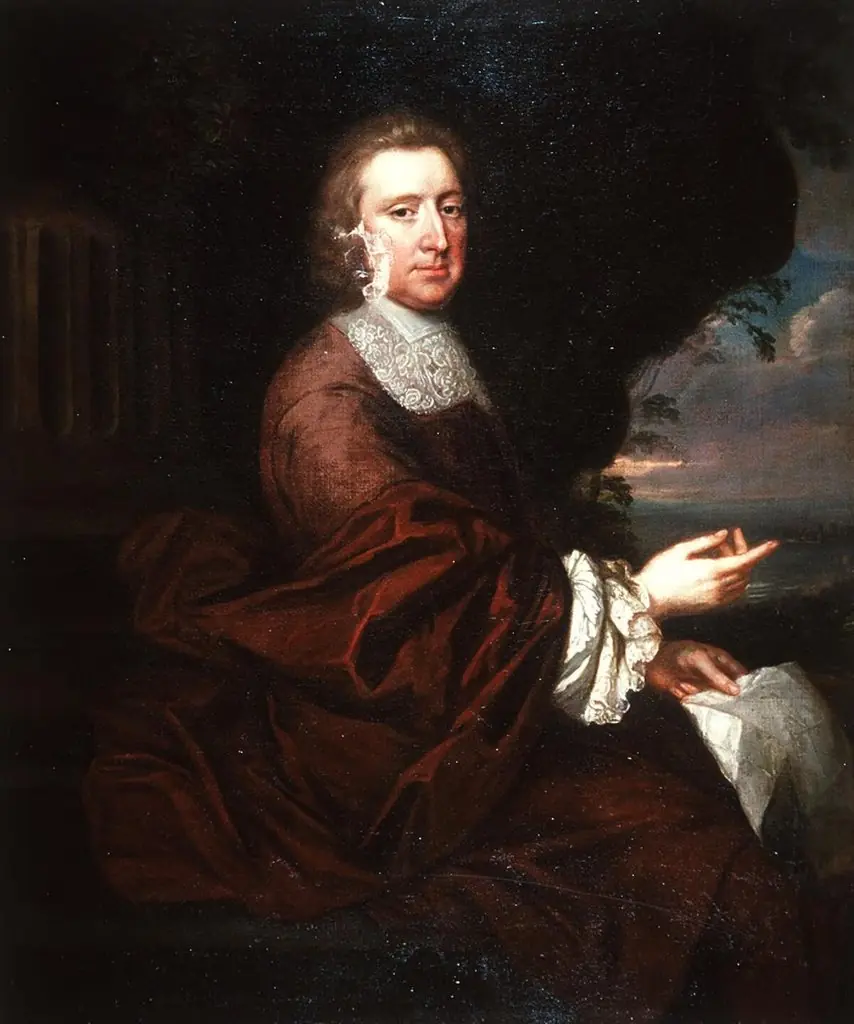 Portrait of a gentleman
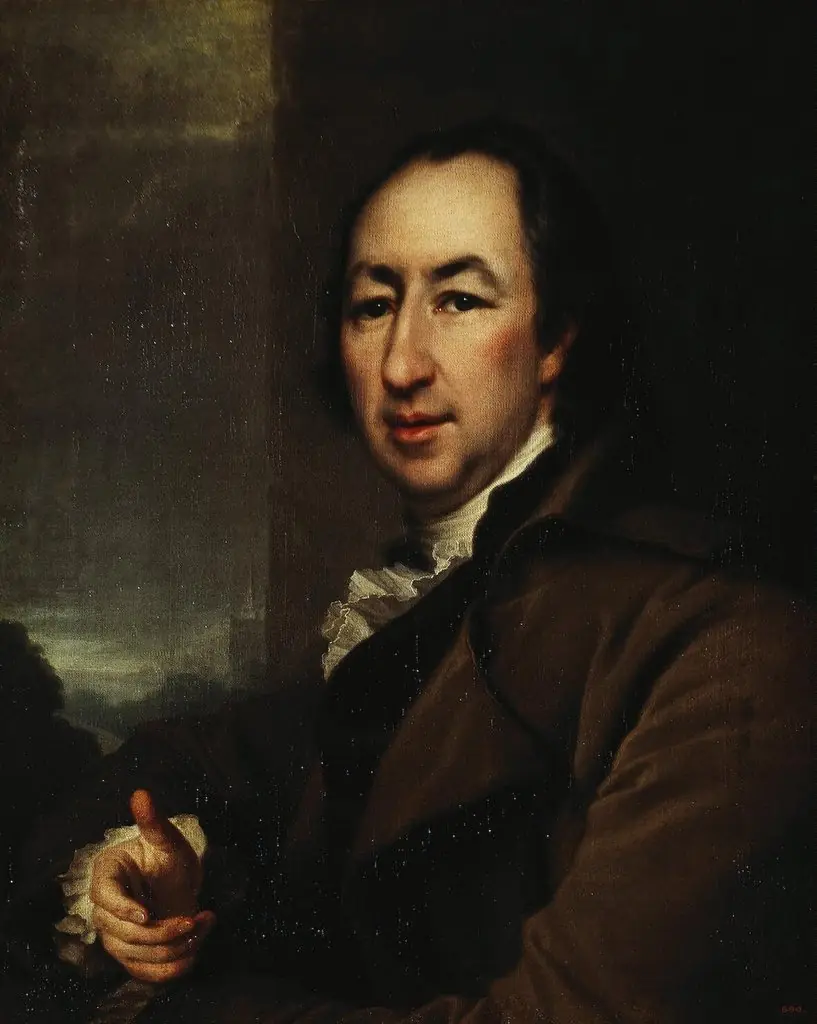 Portrait of Nikolai Novicov
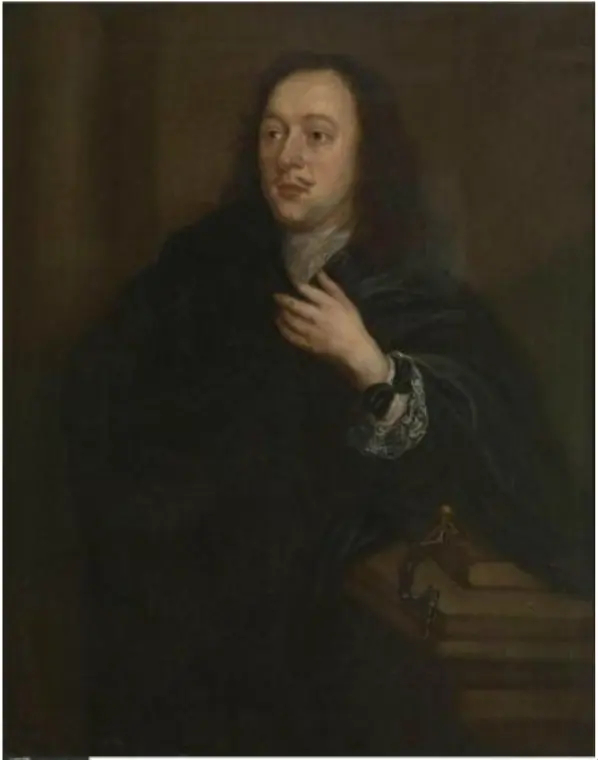 Portrait of Jan van de Vijvere, Dean of the Surgeons' Guild in Bruges
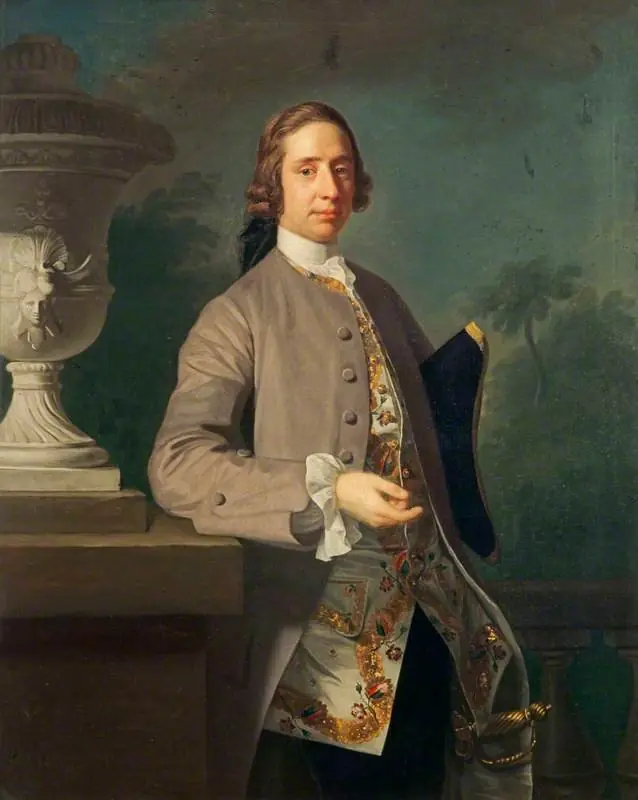 George Bristow (1727 - 1815)
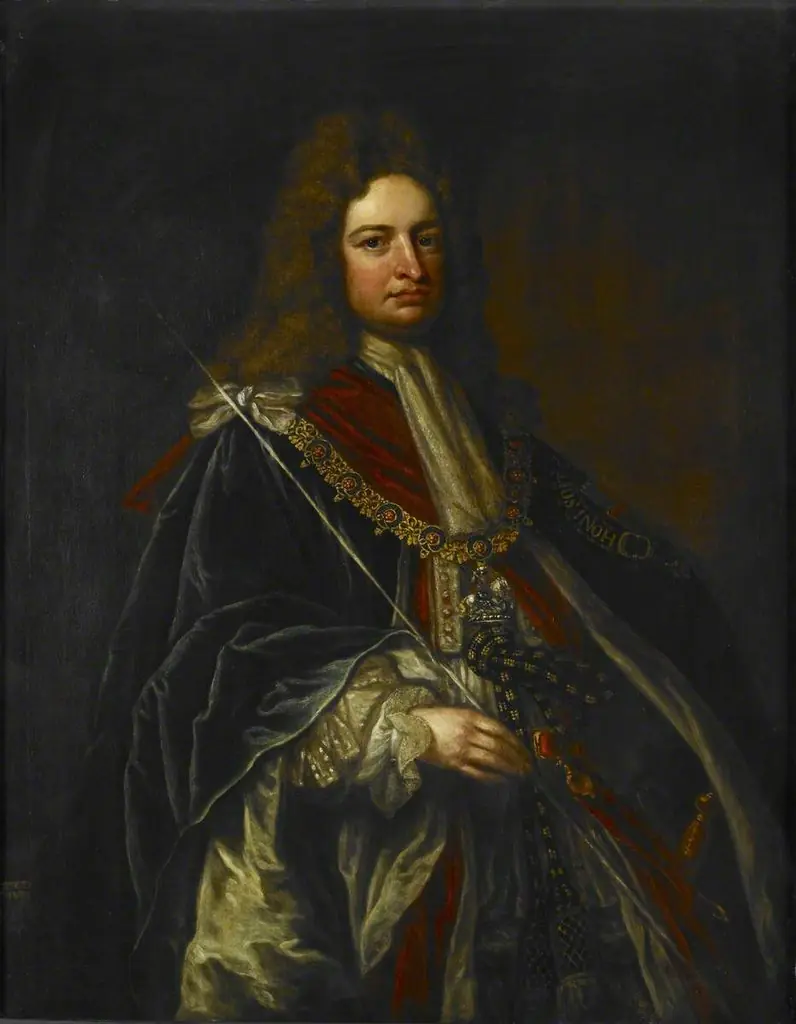 Robert Harley (1661–1724), 1st Earl of Oxford and Mortimer
 Isaac Borrow, Recorder of Derby
 (?) William Thomas Meyer