Artwork
Untitled
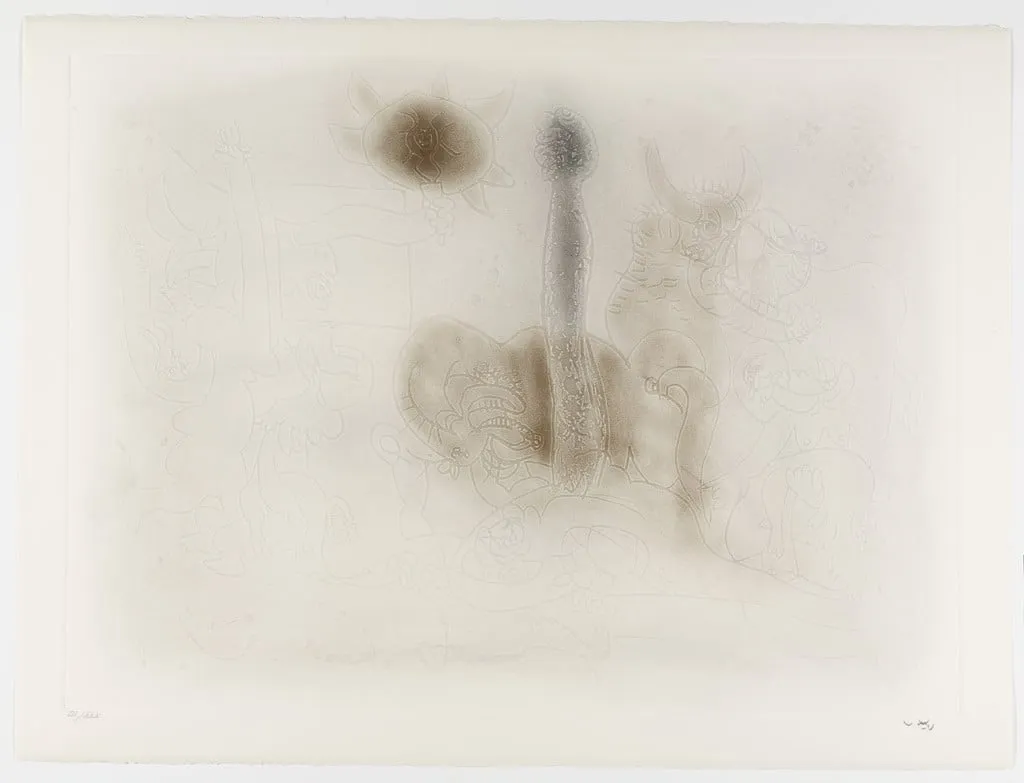
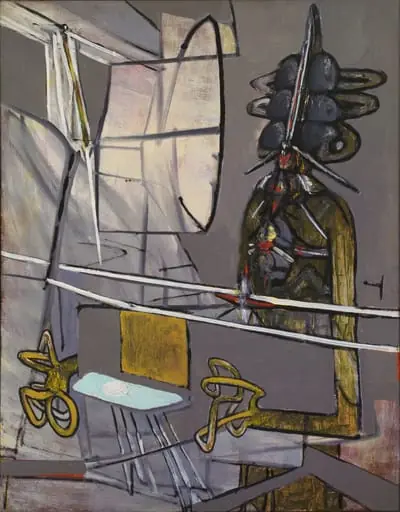
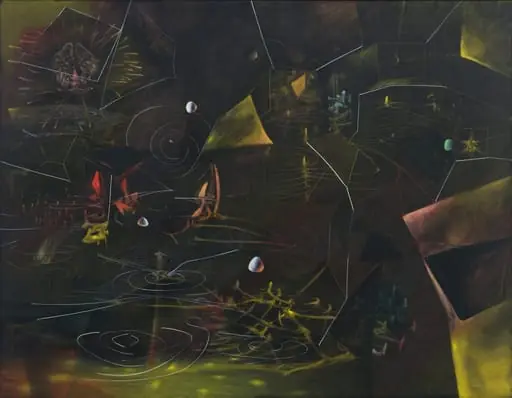
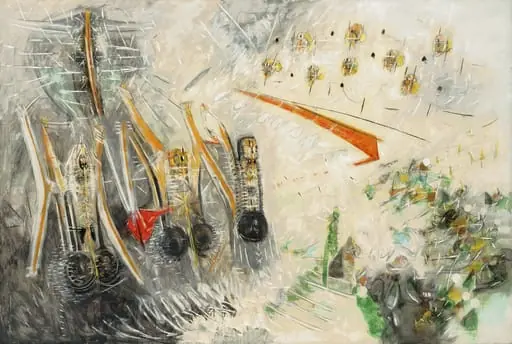
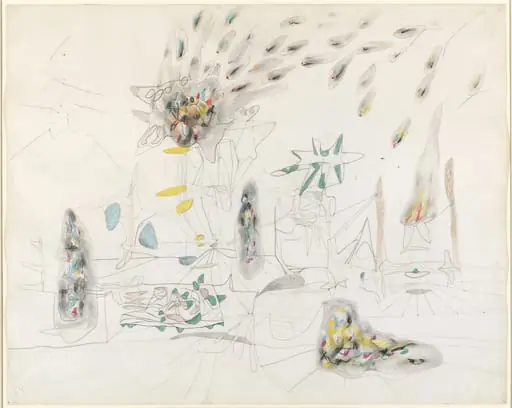
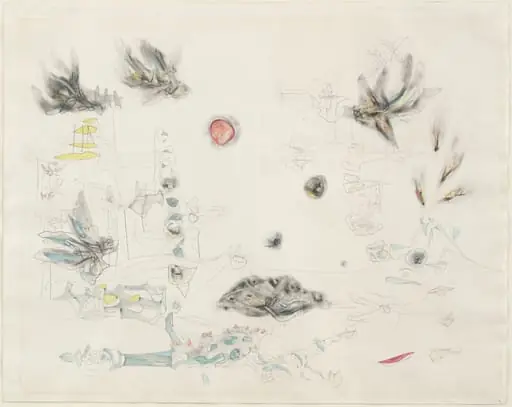
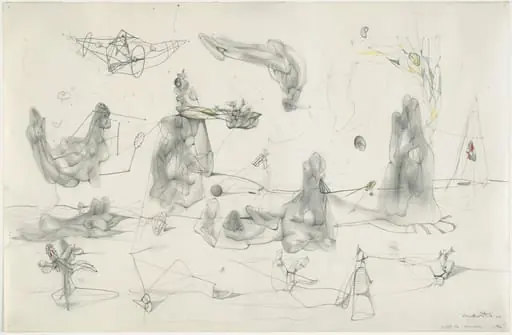
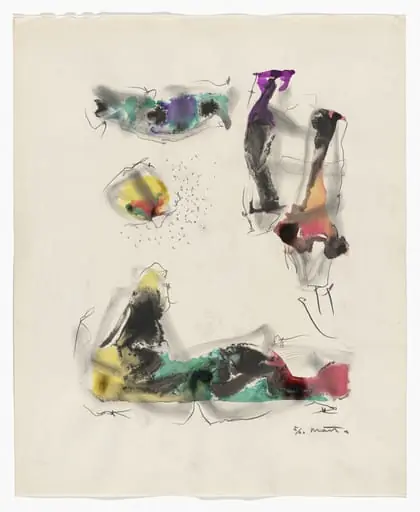
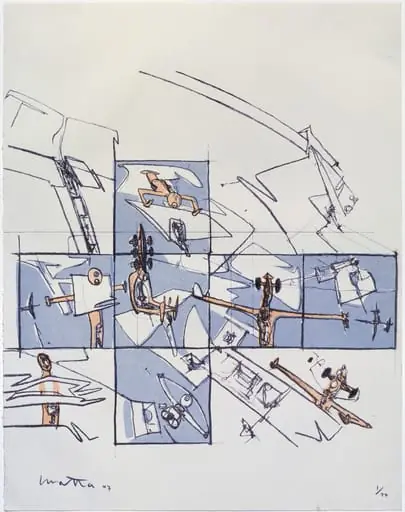
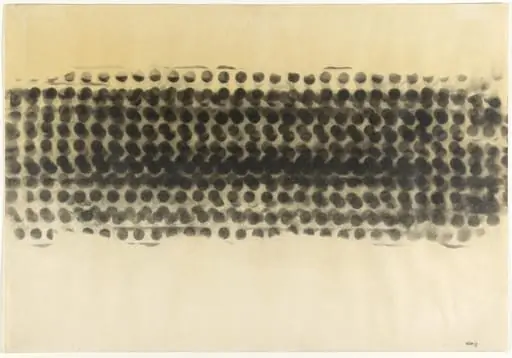
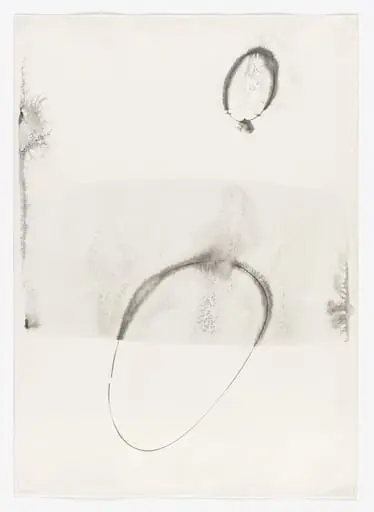
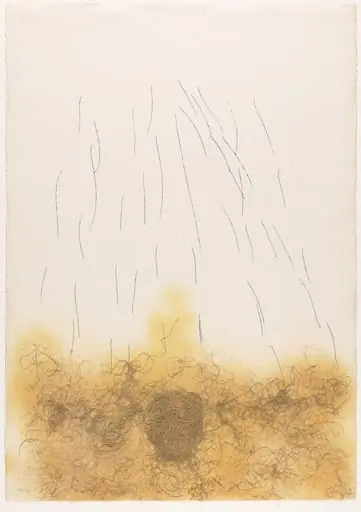
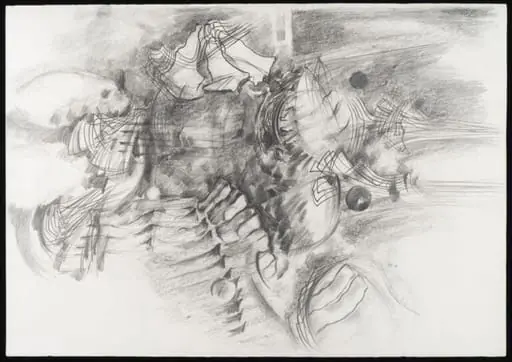
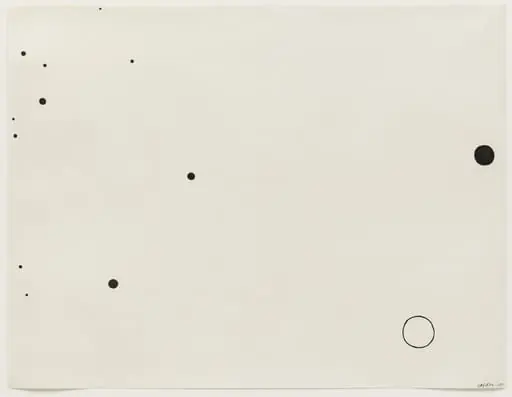
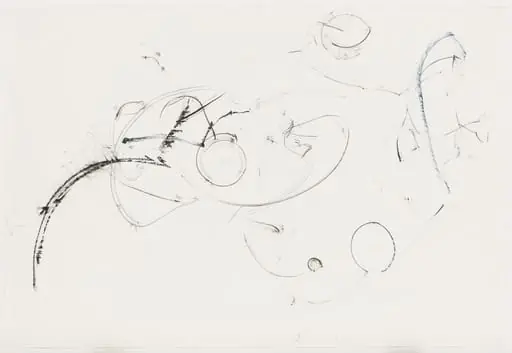
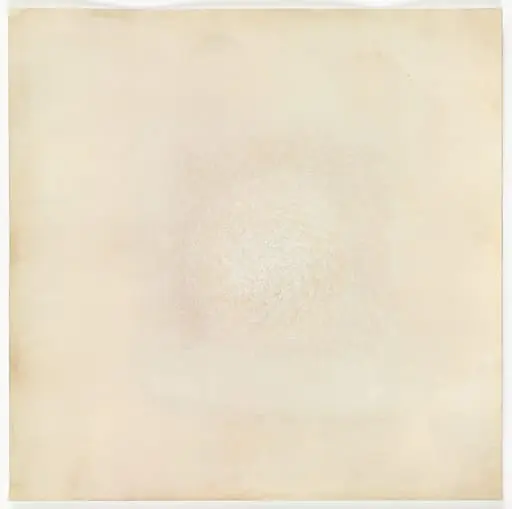
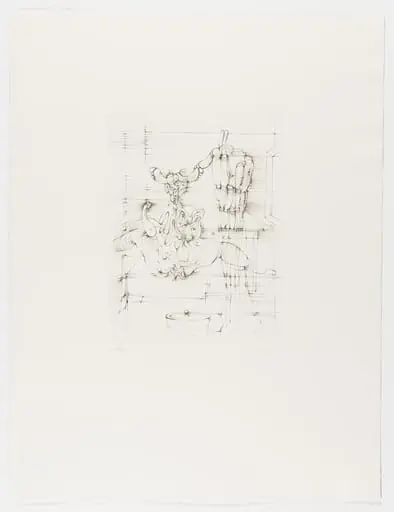
Untitled is an ink print by Roberto Matta. It dates from 1971 and is held in the collection of the Museum of Modern Art.
About this work
Overview
The piece stands out for its use of aquatint, which produces soft tonal gradations and a hazy, atmospheric effect.
Created in 1971, this print is one of thirty-one works in a diverse portfolio by Roberto Matta, combining multiple printmaking techniques including aquatint, lithography, screenprint, etching, and woodcut. The piece stands out for its use of aquatint, which produces soft tonal gradations and a hazy, atmospheric effect. It resides in The Museum of Modern Art’s collection, reflecting Matta’s sustained engagement with print media as a vehicle for psychological and visual exploration.
Subject & Meaning
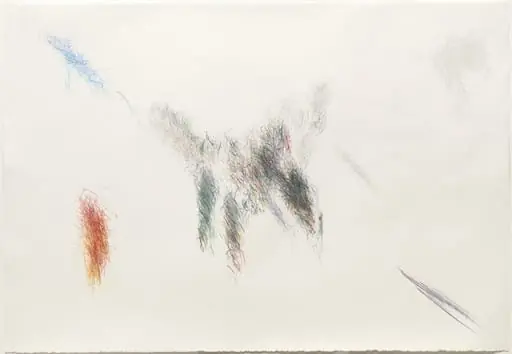
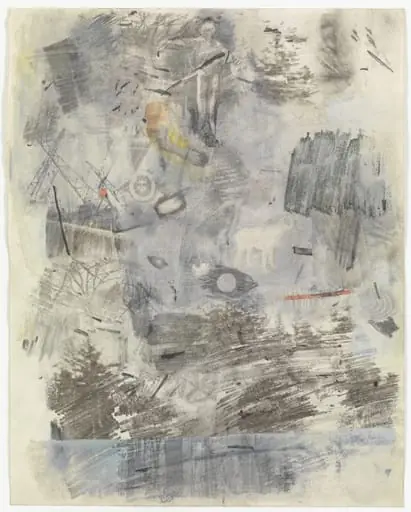
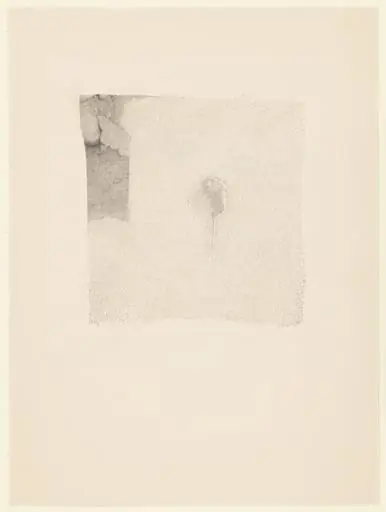
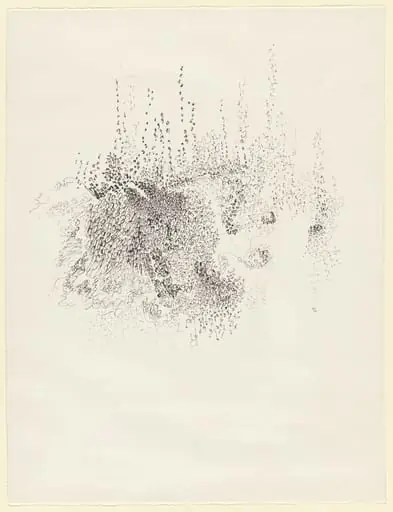
The image depicts a slender, elongated figure with an indistinct head, arms raised as if in suspension or distress. Its legs dissolve into the background, and a diffuse, radiant form looms behind—suggesting an energy field, celestial body, or internal eruption. The figure’s ambiguity and the lack of defined boundaries evoke a dreamlike state, aligning with Surrealist interests in subconscious imagery and the instability of perception.
Technique & Style
Aquatint was employed to create the work’s ethereal tonal fields, allowing ink to bleed subtly across the paper and produce a smudged, atmospheric quality. Fine, sketchy lines in etching define the figure’s form without outlining it, enhancing the sense of impermanence. The contrast between the delicate, fading contours and the pale ground gives the image a sense of emerging from or dissolving into mist, characteristic of Matta’s late graphic style.
History & Provenance
The print was produced in 1971 as part of a limited, multi-technique portfolio that Matta developed during a period of intense printmaking activity. It entered The Museum of Modern Art’s collection shortly after its creation, likely through direct acquisition or donation. The portfolio as a whole represents Matta’s experimental approach to print media, bridging his earlier Surrealist associations with later explorations of form and material.
Context
By 1971, Matta had moved beyond the core Surrealist group of the 1930s but retained its psychological underpinnings. His work during this time increasingly focused on cosmic and organic forms, influenced by scientific imagery and inner states. This print reflects his broader interest in translating psychic energy into visual language, situating him within postwar artistic currents that sought to visualize the unseen.
Legacy
Matta’s portfolio of 1971 remains a significant example of late 20th-century printmaking that expanded the boundaries of Surrealist aesthetics through technical diversity. The integration of aquatint and other methods into a single body of work demonstrated how print could serve as a medium for introspective, non-narrative imagery. Its presence in MoMA underscores its role in the institutional recognition of print as a serious artistic language beyond reproduction.
Artist & collection
Artist
Roberto Antonio Sebástian Matta-Echaurren (Spanish: ; November 11, 1911 – November 23, 2002), usually known simply as Matta, also as Sebastián Matta or Roberto Matta, was one of Chile's best-known painters and figures…