Artwork
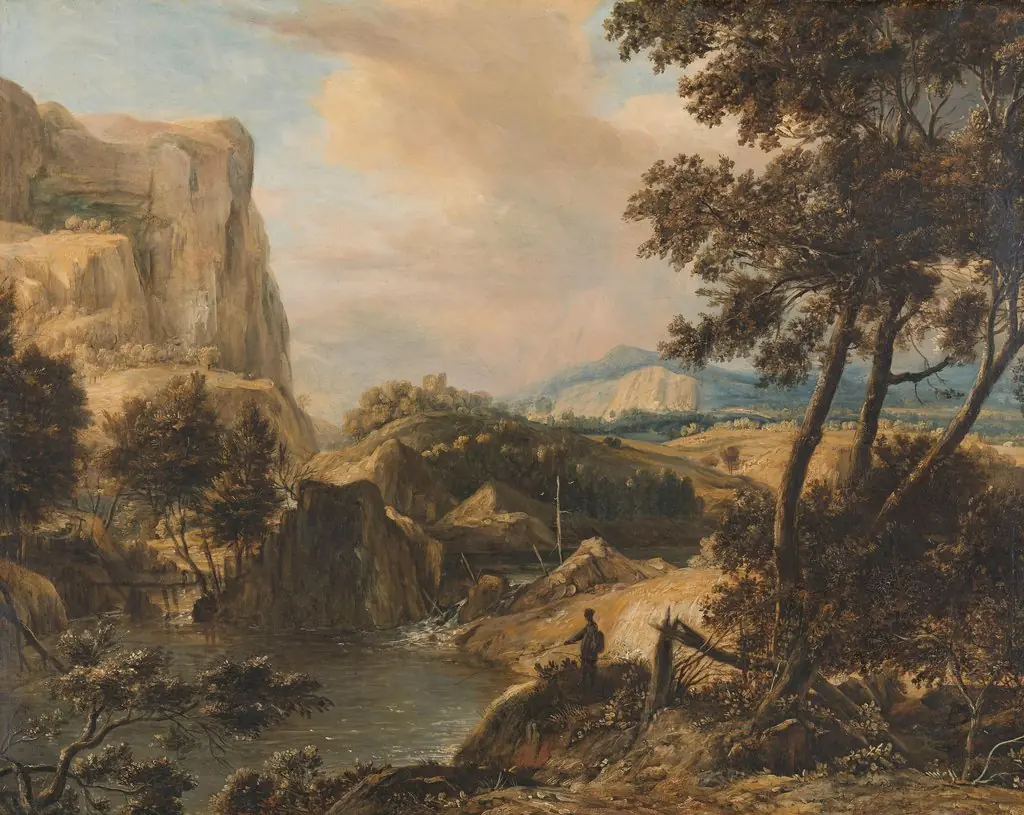
Gebirgslandschaft
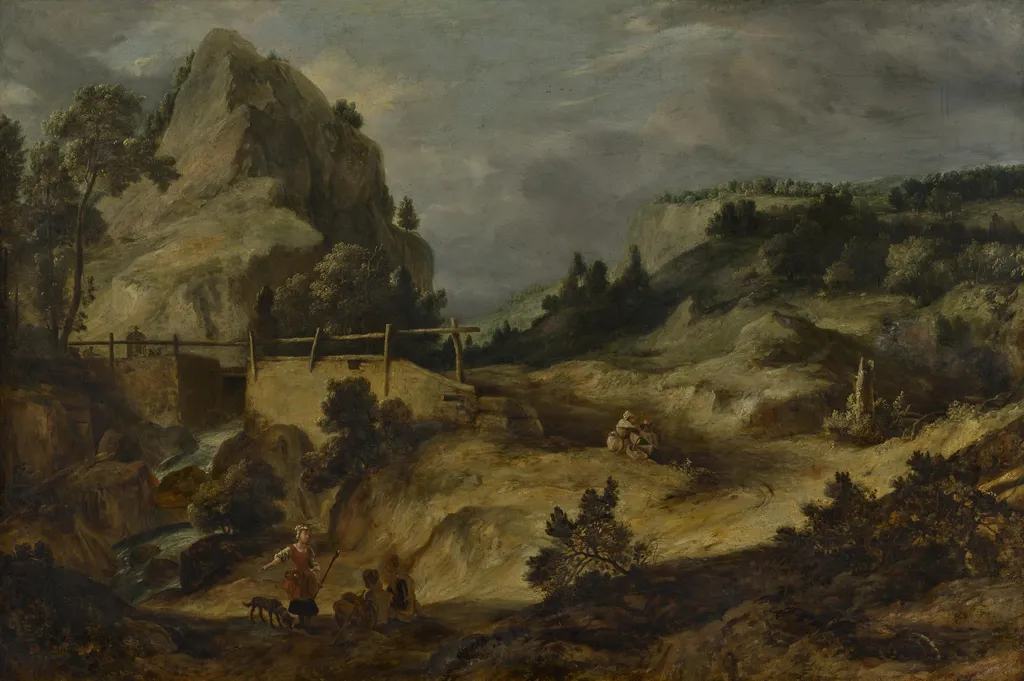
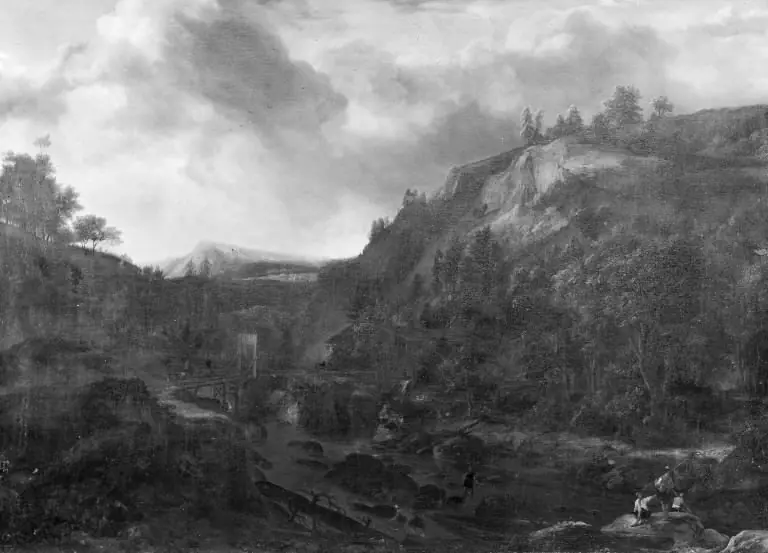
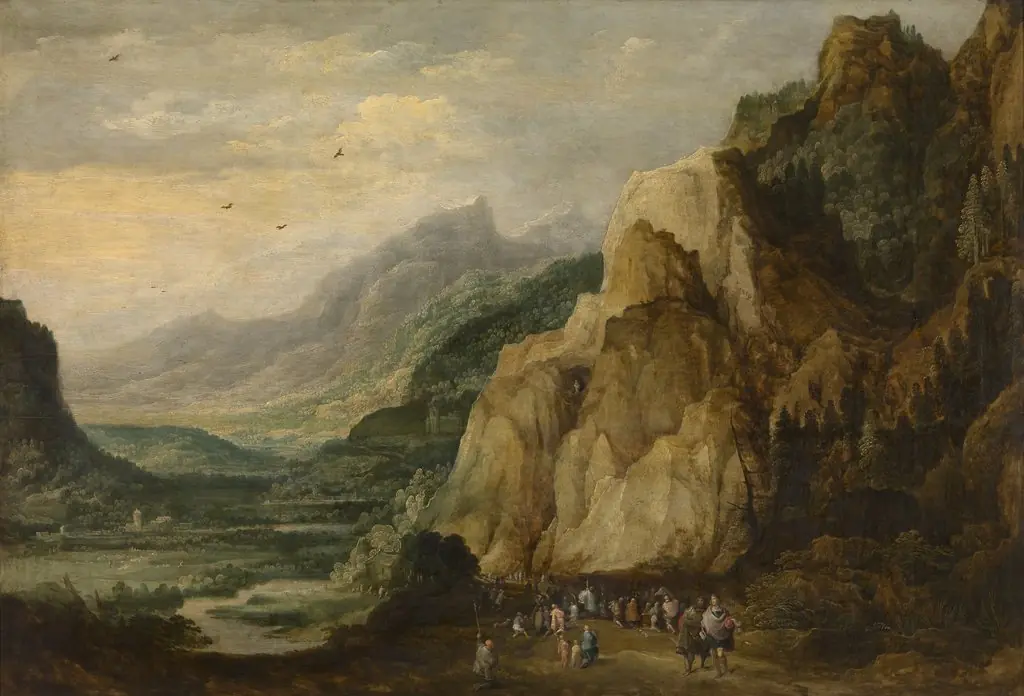
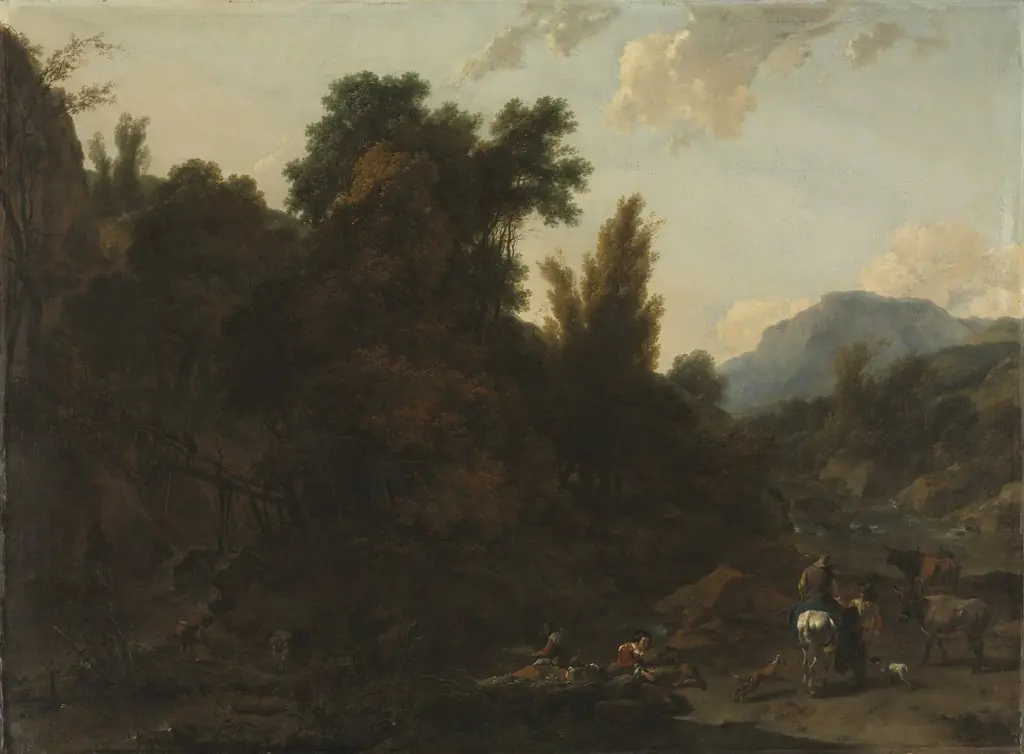
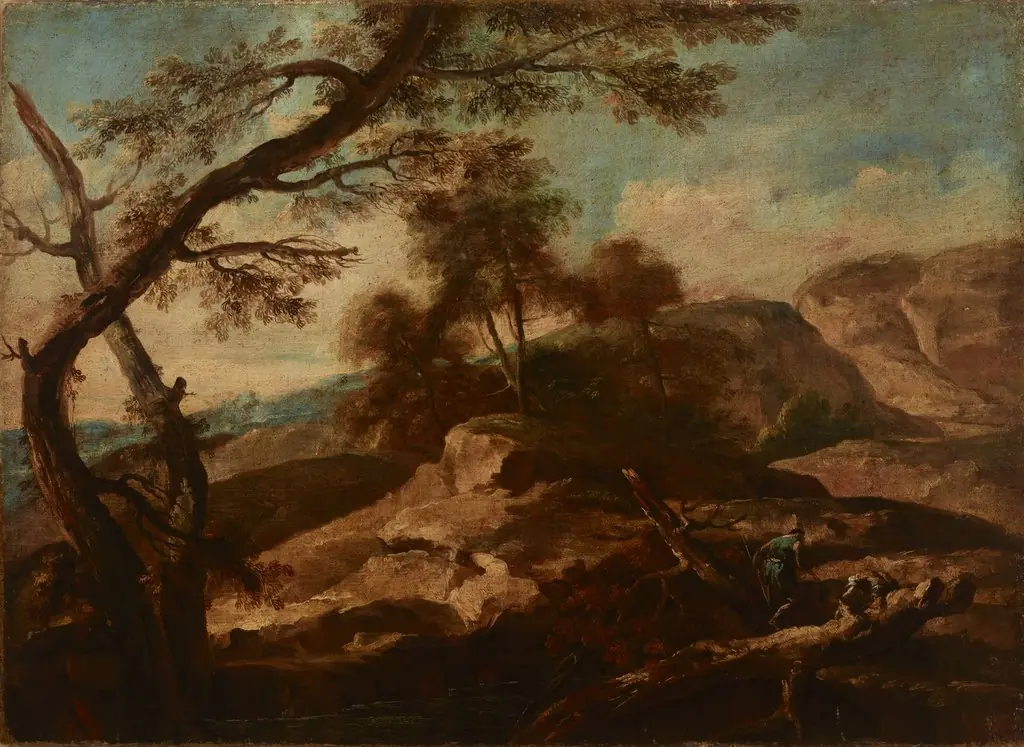
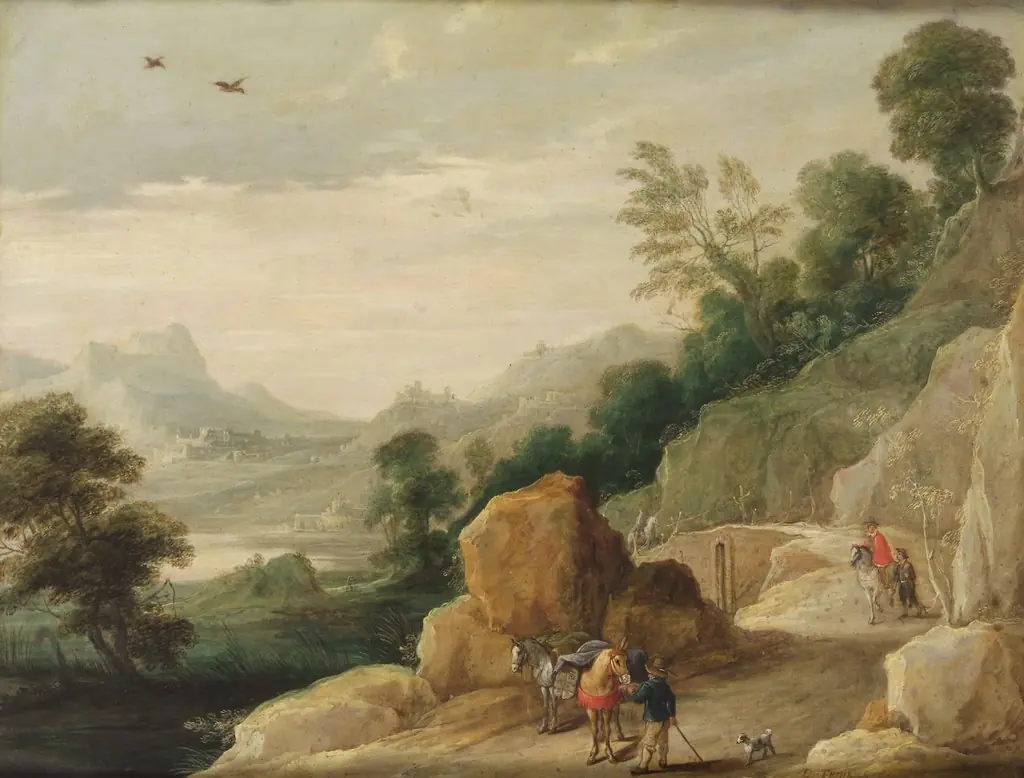
Gebirgslandschaft is a paint painting by the Dutch Golden Age artist Roelant Roghman. It dates from 1669 and is held in the collection of the Gemäldegalerie Berlin.
About this work
Overview
Painted in 1669 by Roelant Roghman, this landscape depicts a mountainous terrain in oil on panel. It is part of the collection at the Gemäldegalerie in Berlin, where it has been held since at least the early 20th century. The work reflects Roghman’s sustained interest in topographical realism and the Dutch tradition of landscape painting during the late 17th century.
Subject & Meaning
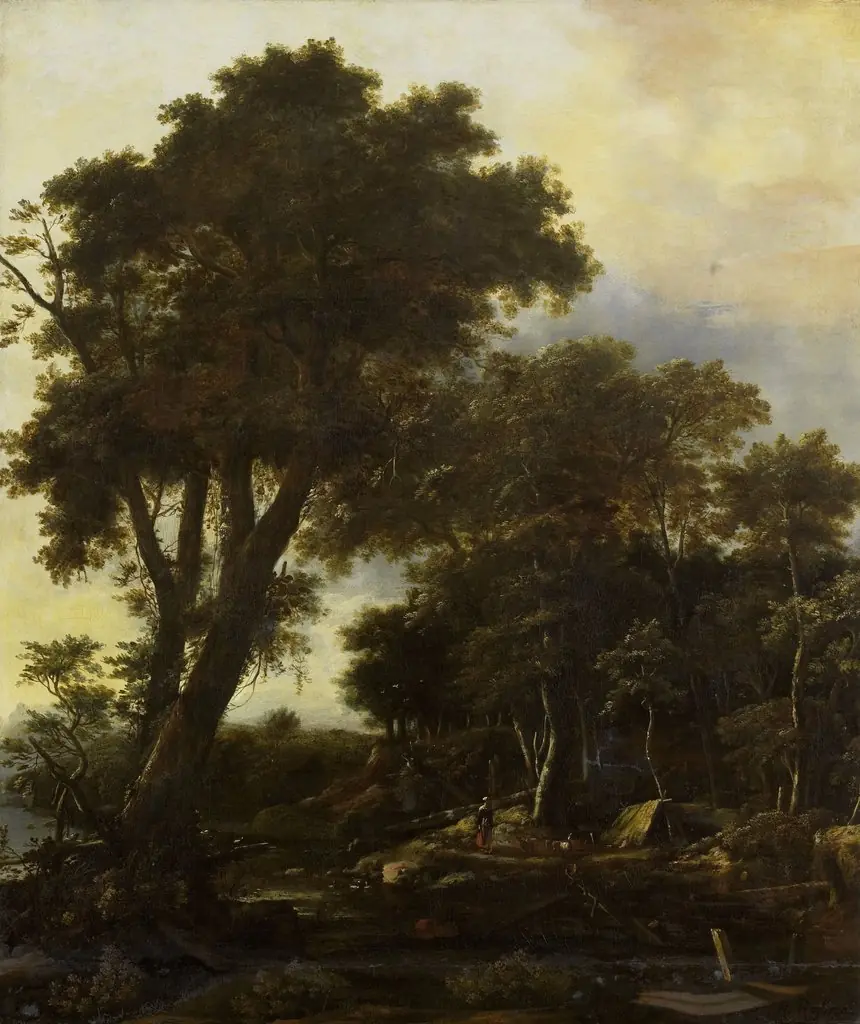
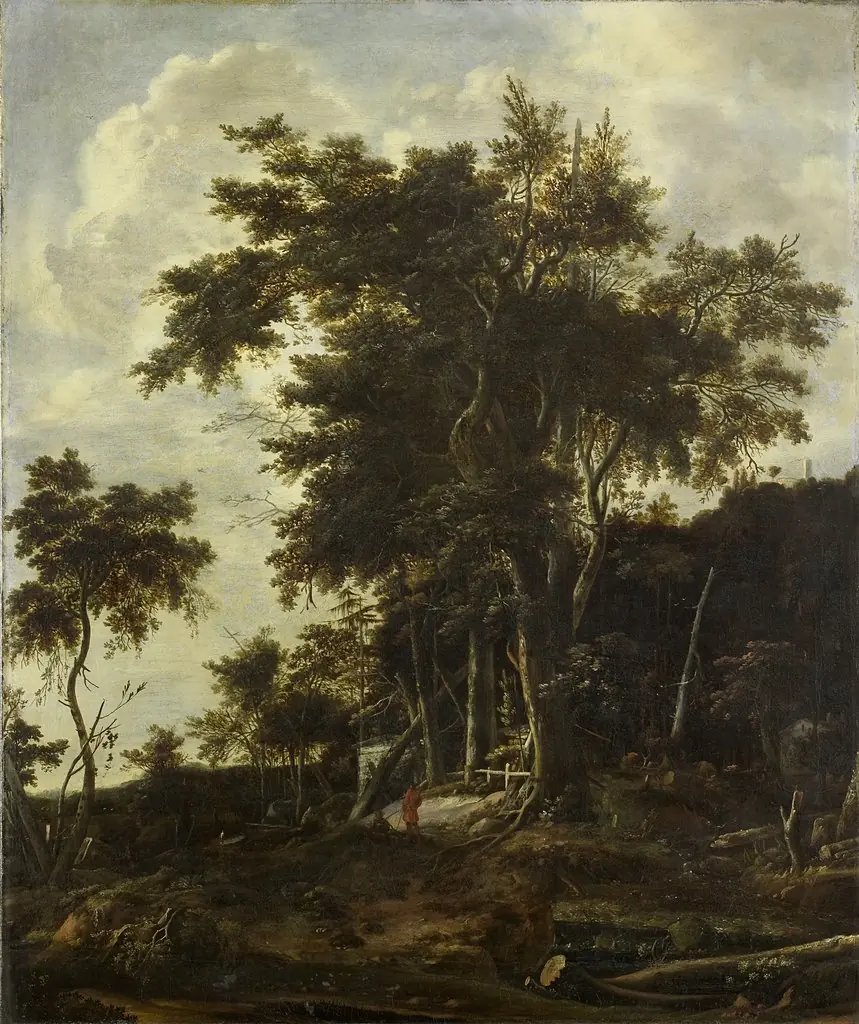
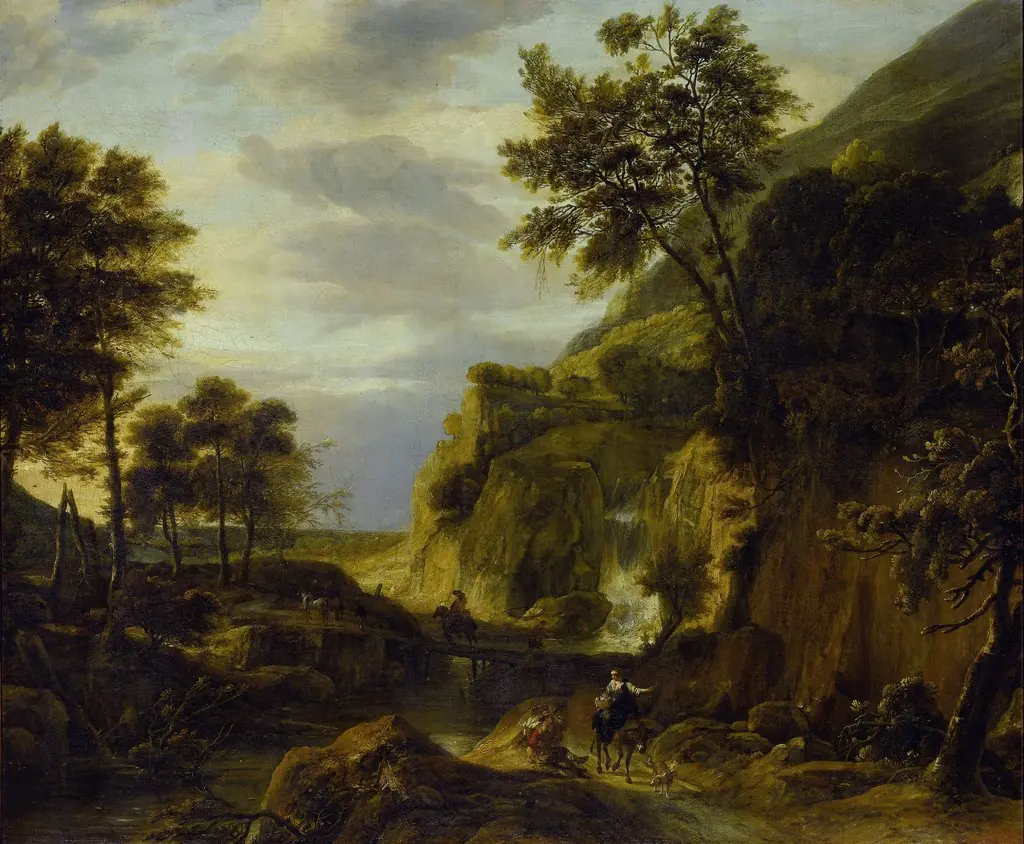
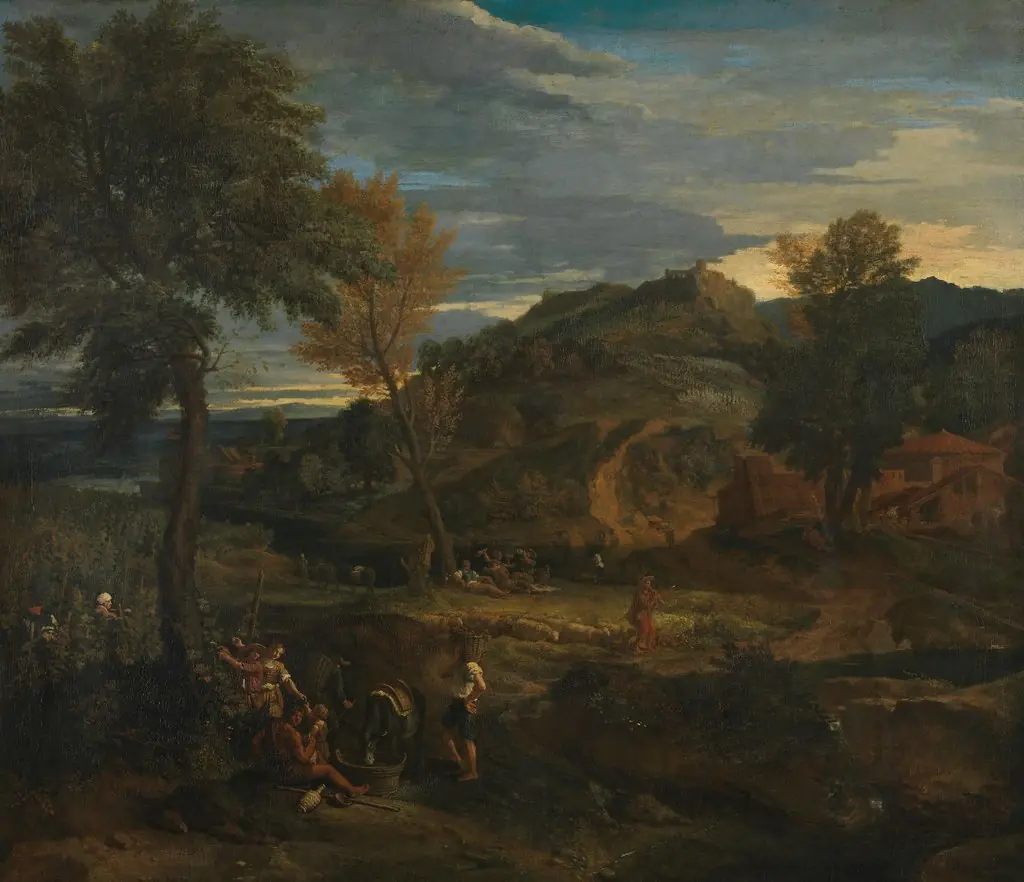
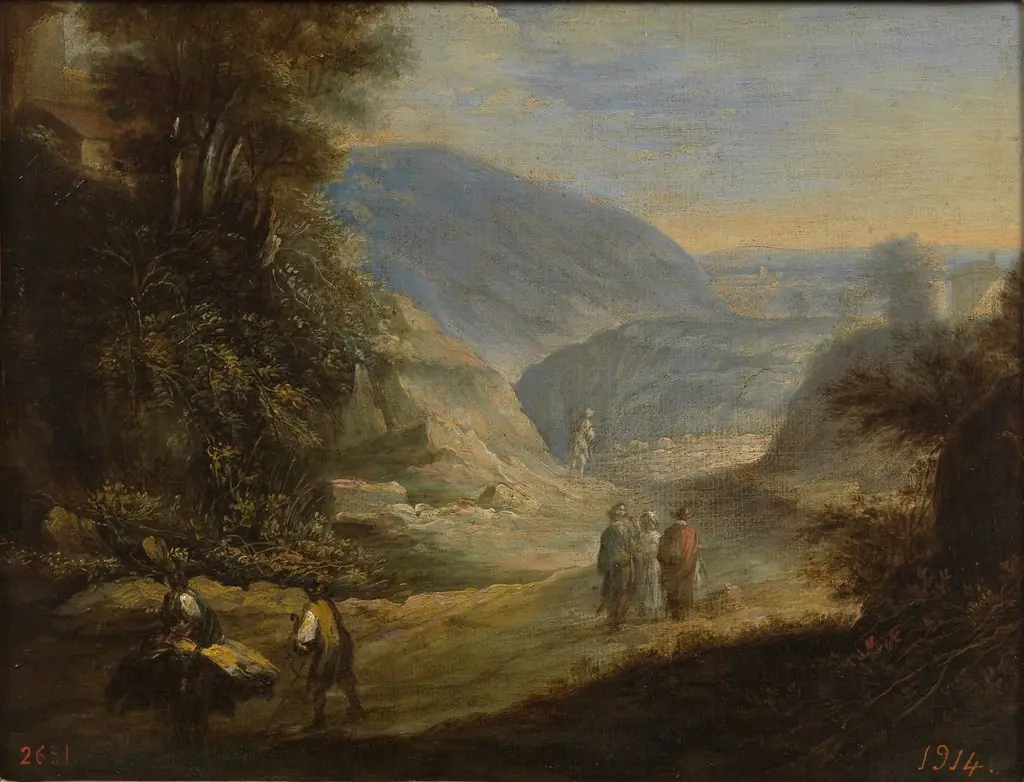
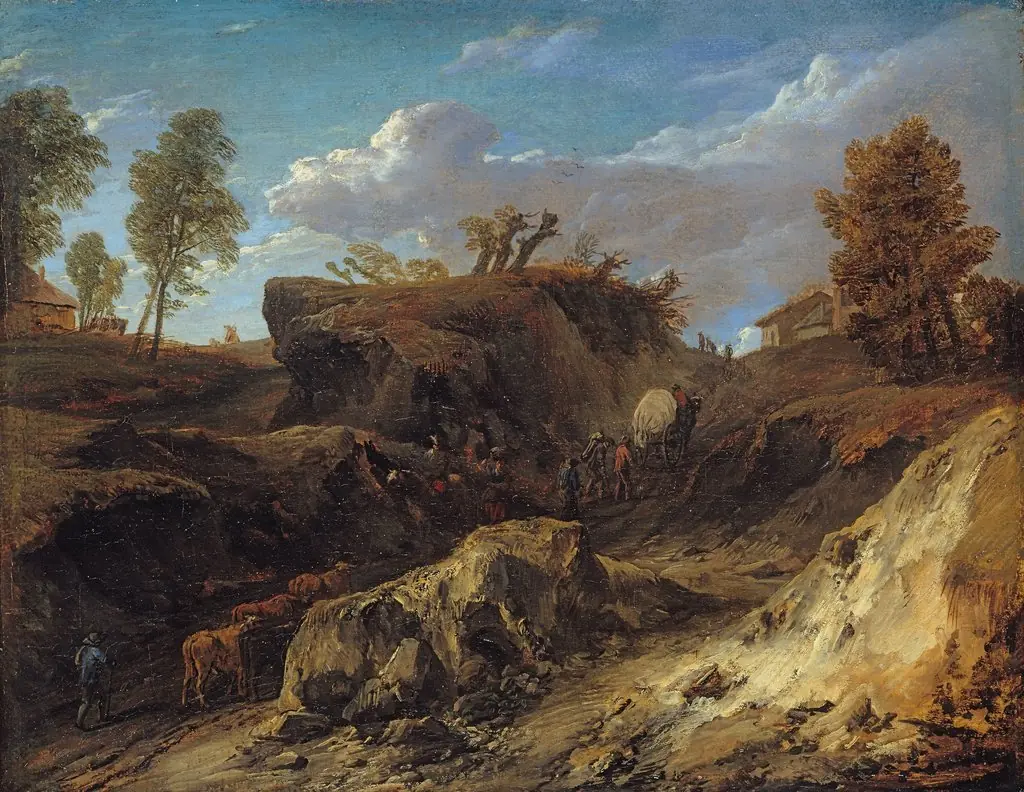
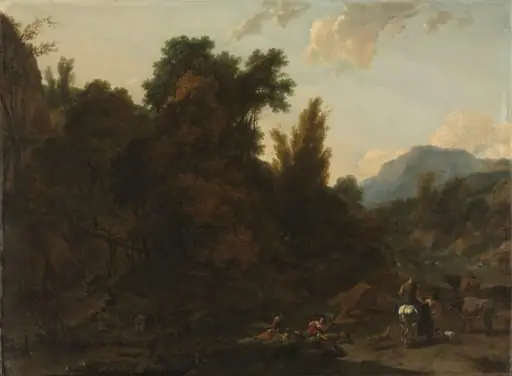
The painting presents a rugged alpine scene with winding paths, scattered trees, and distant peaks, devoid of human figures or narrative elements.
The painting presents a rugged alpine scene with winding paths, scattered trees, and distant peaks, devoid of human figures or narrative elements. Rather than idealizing nature, Roghman emphasizes quiet observation, aligning with the Dutch preference for unembellished naturalism. The scene suggests a contemplative engagement with the environment, typical of regional landscape conventions of the period.
Technique & Style
Roghman applied oil paint with fine, controlled brushwork to render subtle variations in rock texture and atmospheric depth. The composition is structured with receding planes, using muted earth tones and soft transitions between light and shadow. His approach avoids dramatic contrasts, favoring a restrained palette and measured pacing that invites prolonged viewing.
History & Provenance
The painting entered the Gemäldegalerie Berlin’s collection in the early 1900s, likely through acquisition from a private German collection. Its provenance before that is not fully documented, though Roghman’s works were widely circulated in the Netherlands and northern Germany during the late 17th century. It has remained in public ownership since its acquisition.
Context
Created during a period when Dutch artists increasingly turned to landscape as an independent genre, Roghman’s work reflects a broader trend toward topographical accuracy and regional specificity. While Italianate landscapes were popular, Roghman’s focus on northern mountain forms distinguishes his output, linking him to contemporaries who documented local terrain with scholarly precision.
Legacy
Roghman’s Gebirgslandschaft exemplifies a quiet, observational strand of Dutch landscape painting that prioritized fidelity over spectacle. Though less celebrated than his more dramatic peers, his works contributed to the development of landscape as a genre grounded in direct experience. This painting remains a representative example of his mature style and regional artistic priorities.
Own this work as a print
Artist & collection