Artwork
The paradise
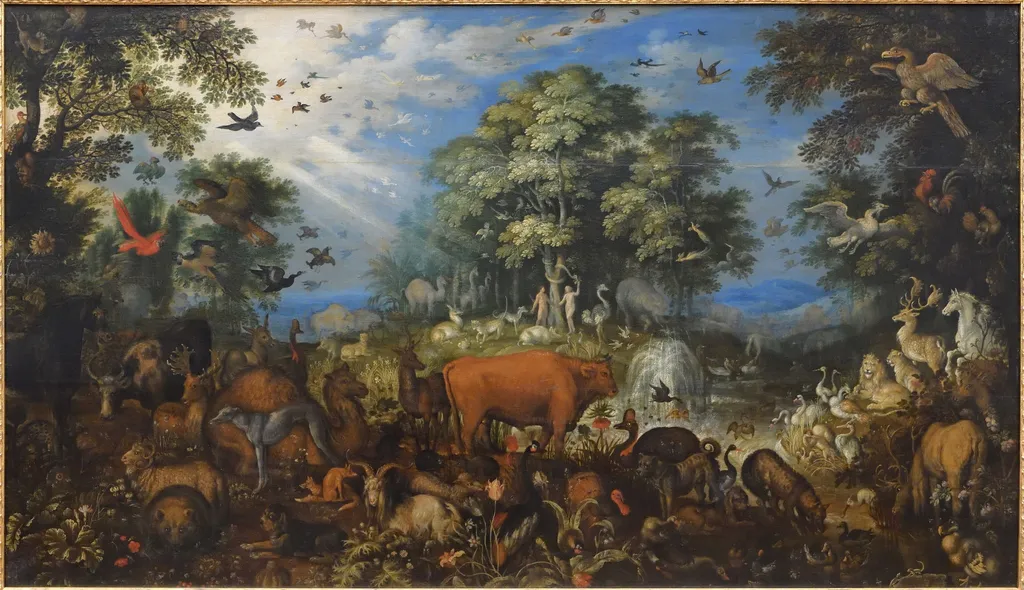
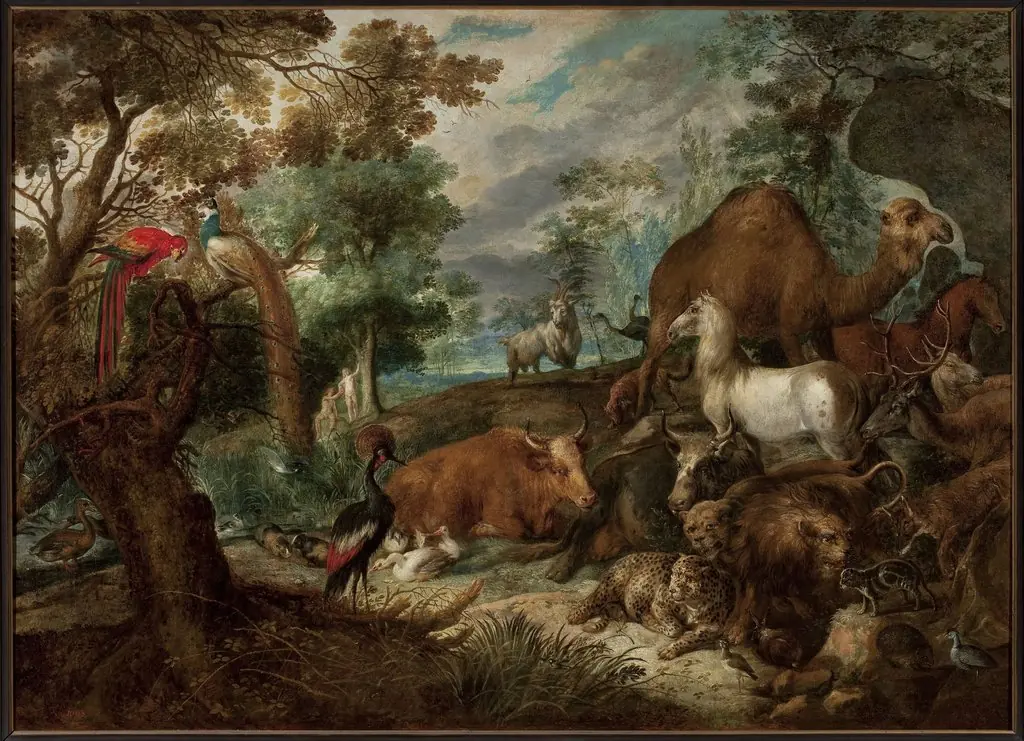
The paradise is a paint painting by the Dutch Golden Age artist Roelant Savery. It dates from 1626 and is held in the collection of the Bode Museum.
About this work
Overview
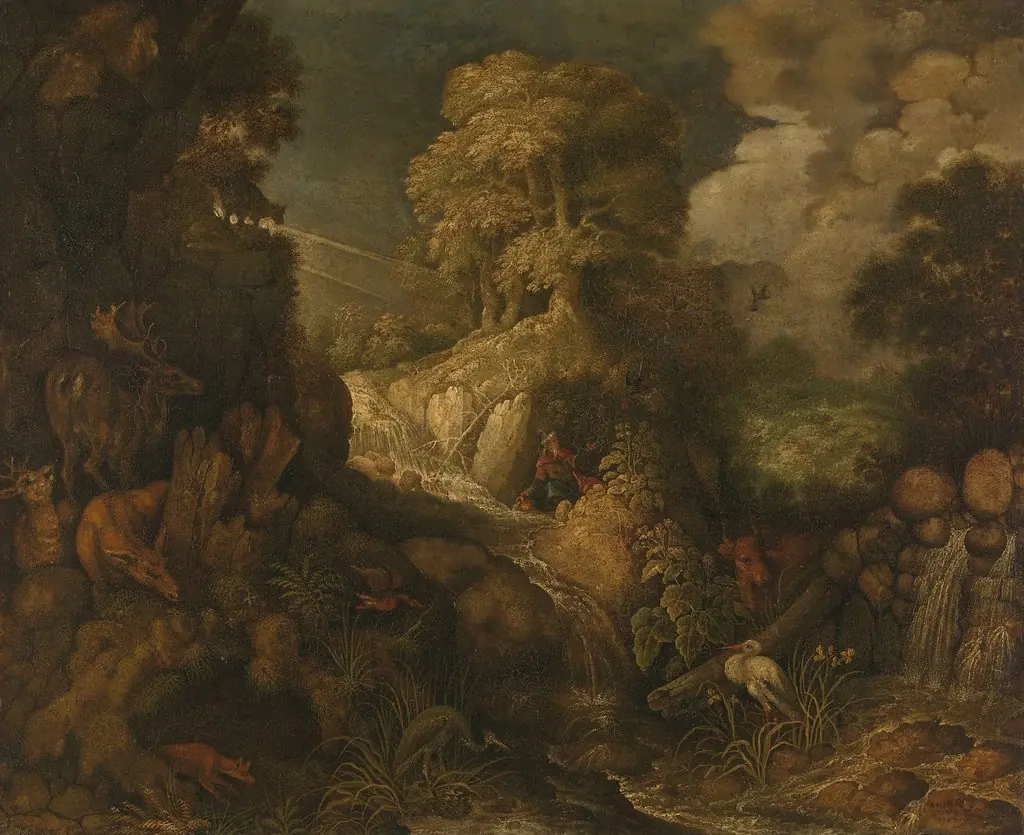
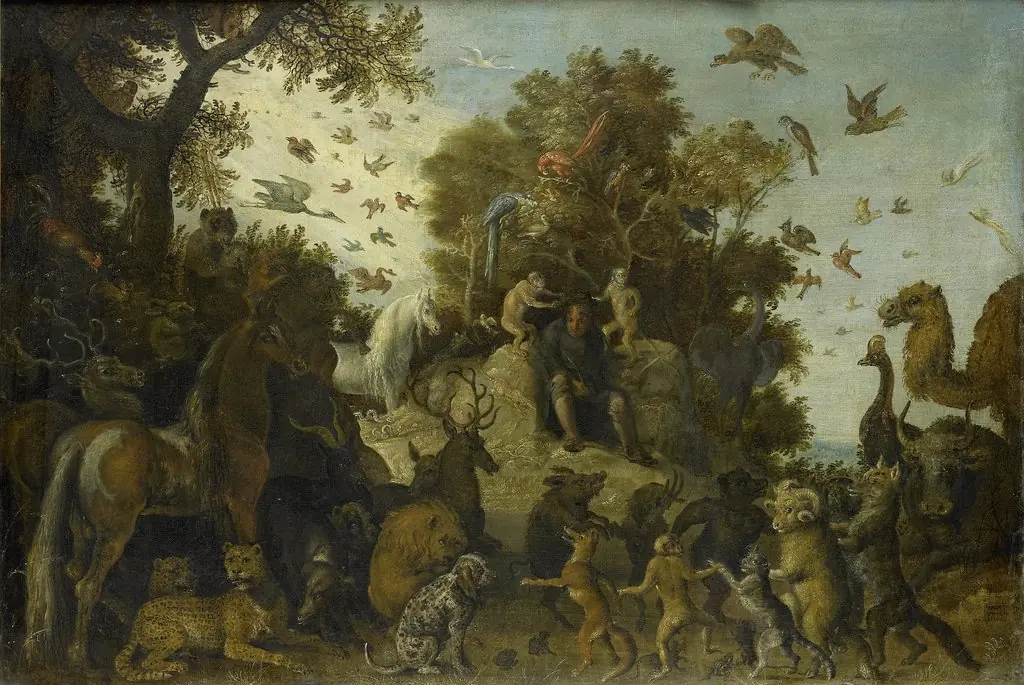
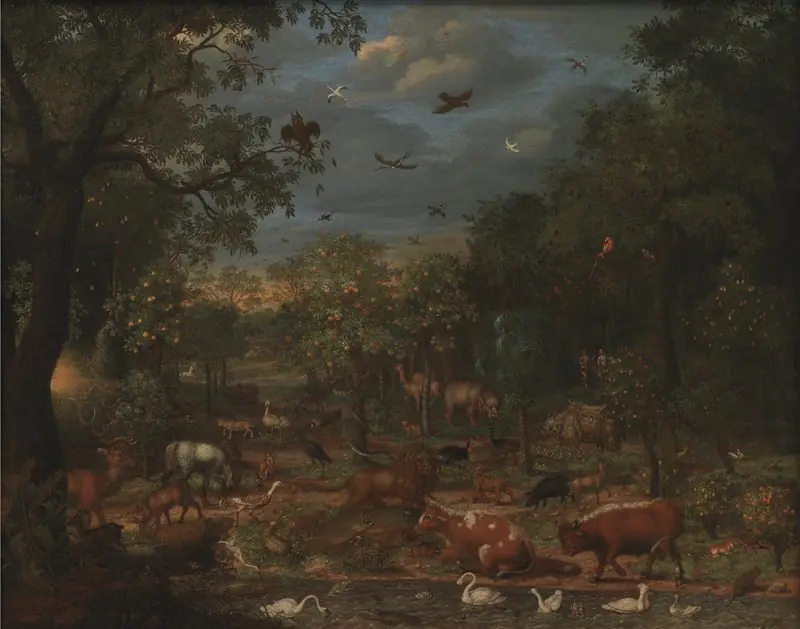
The Paradise, a religious painting by Roelant Savery, dates to 1626. Characteristic of the Dutch Golden Age, it showcases a vibrant, densely populated paradisiacal scene in paint.
Subject & Meaning
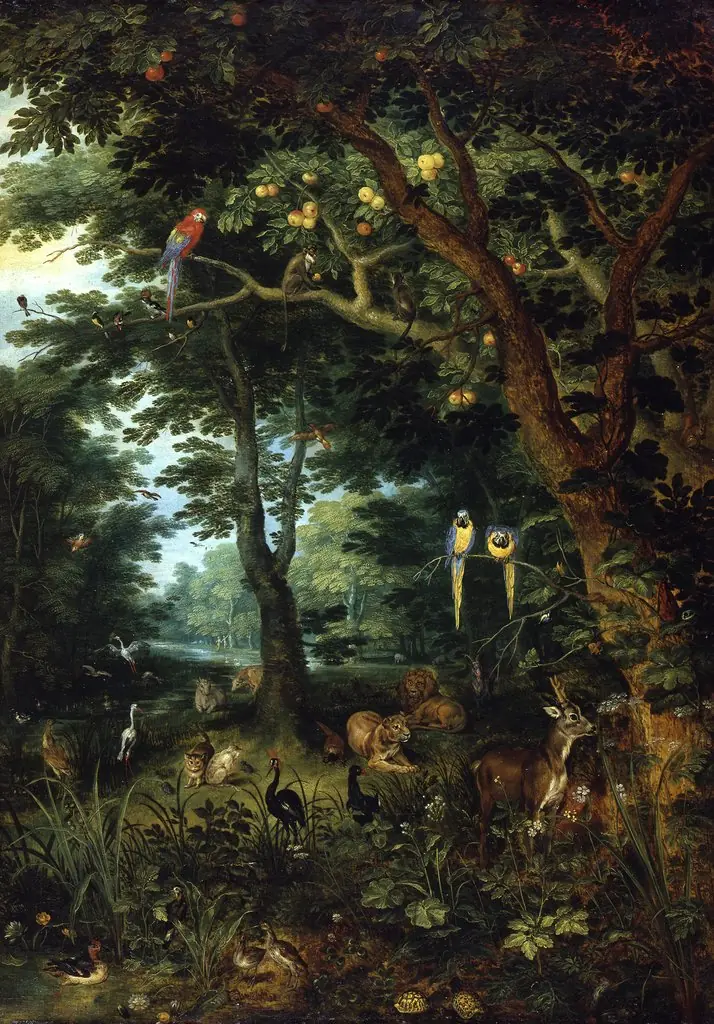
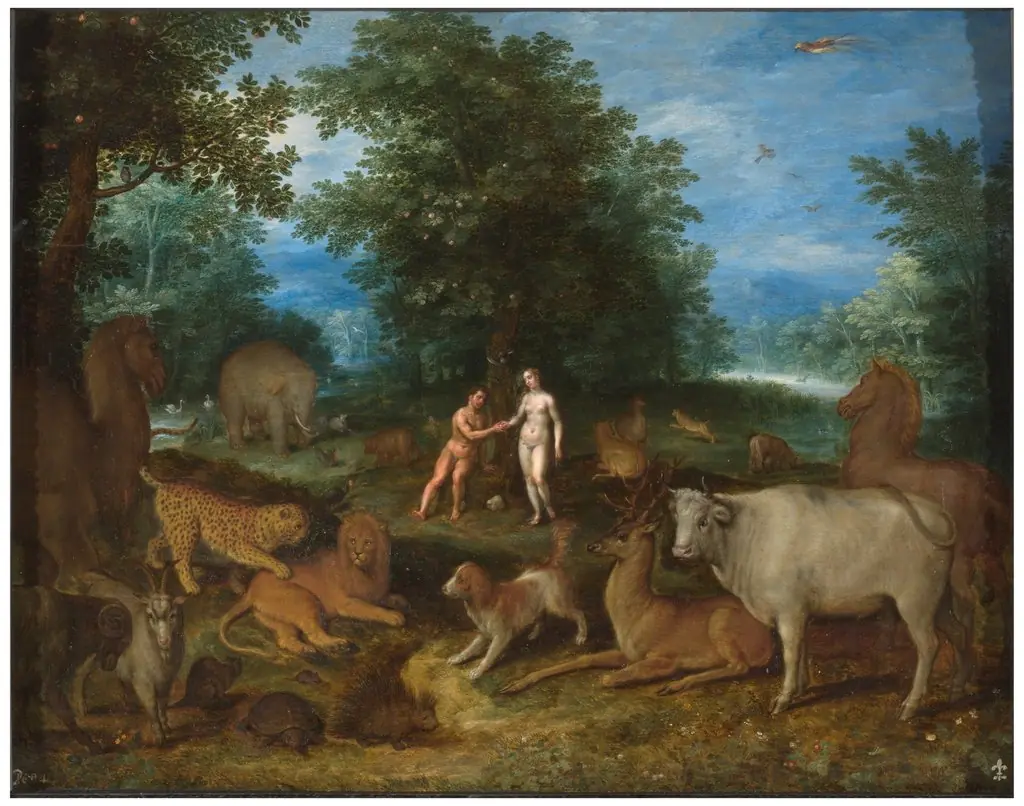
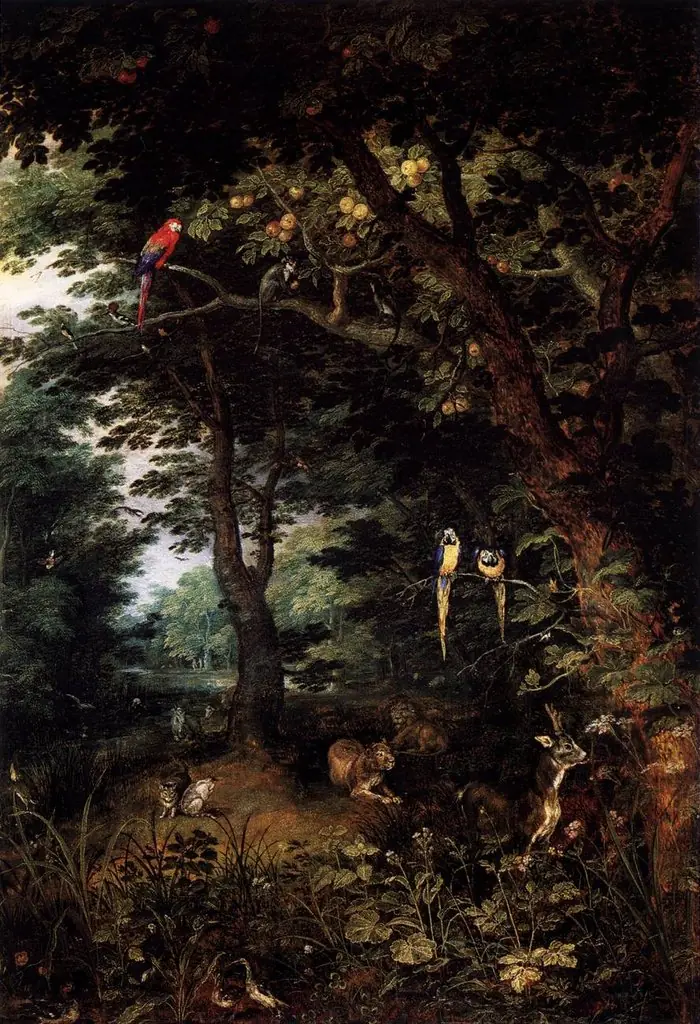
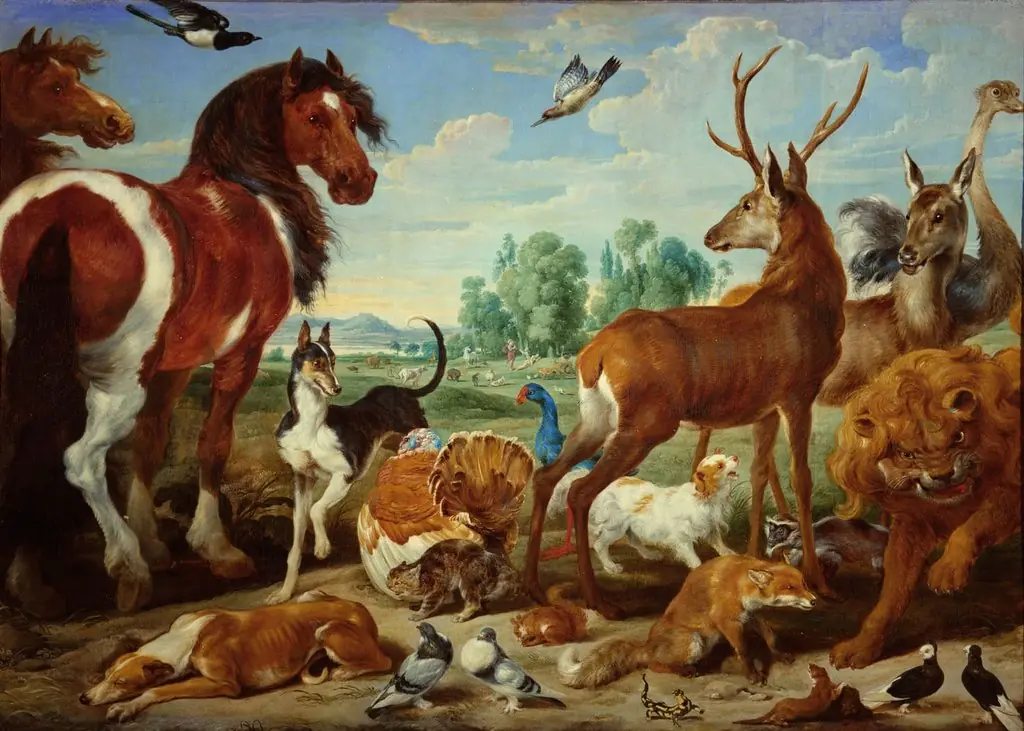
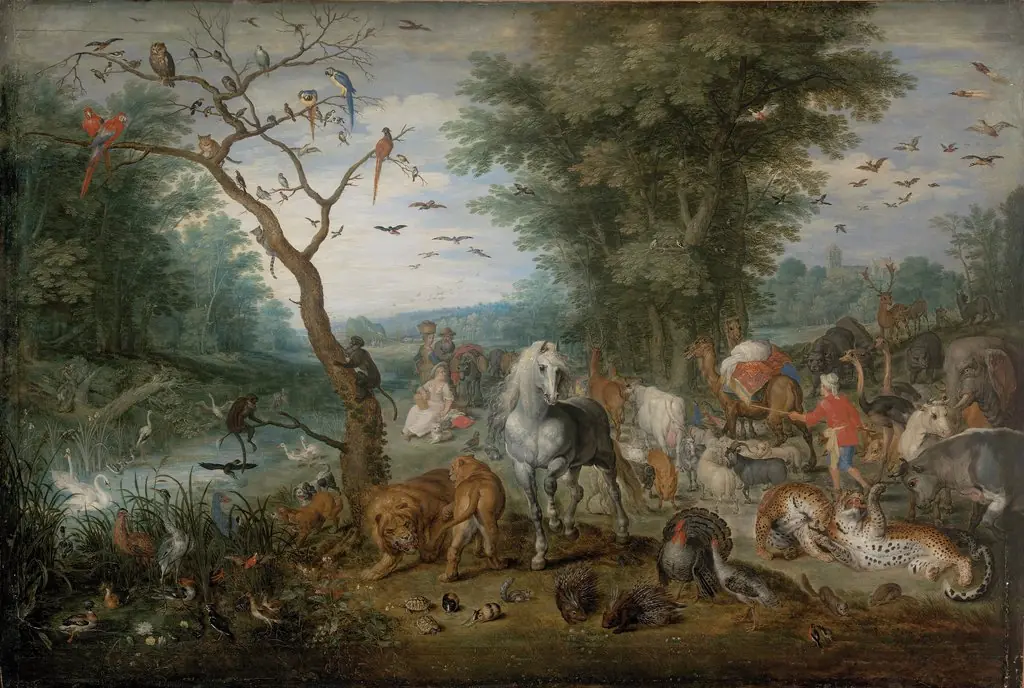
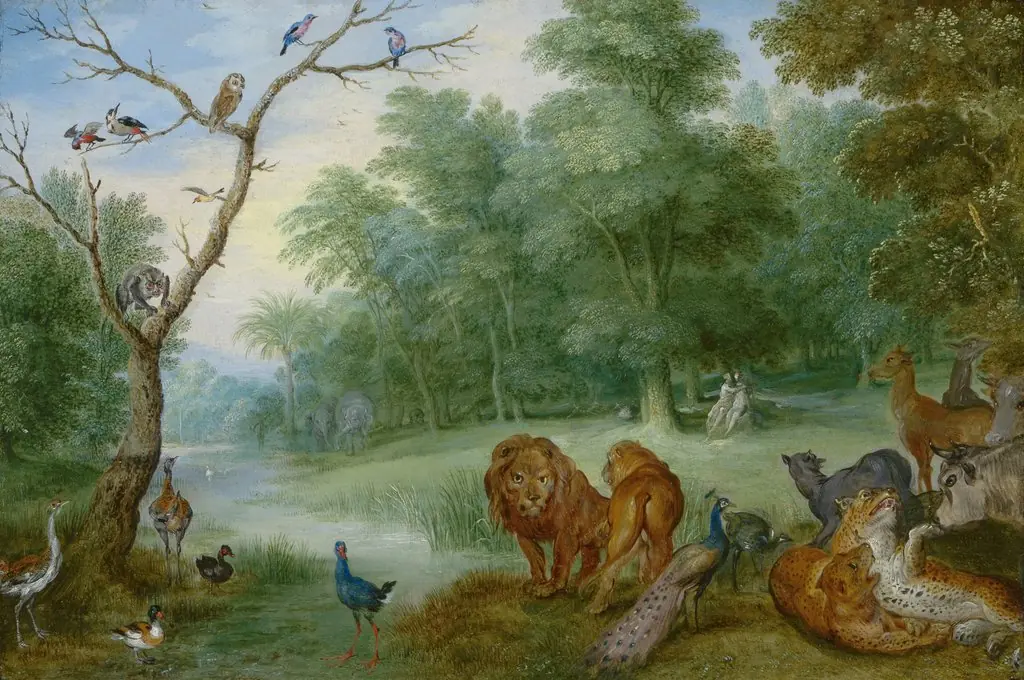
The painting depicts a harmonious coexistence of numerous animals, including lions, deer, and various birds, alongside two nude figures under a central tree, near a waterfall, set against a bright, animated sky. The inclusion of a dodo, an extinct bird, adds a layer of fascination.
Technique & Style
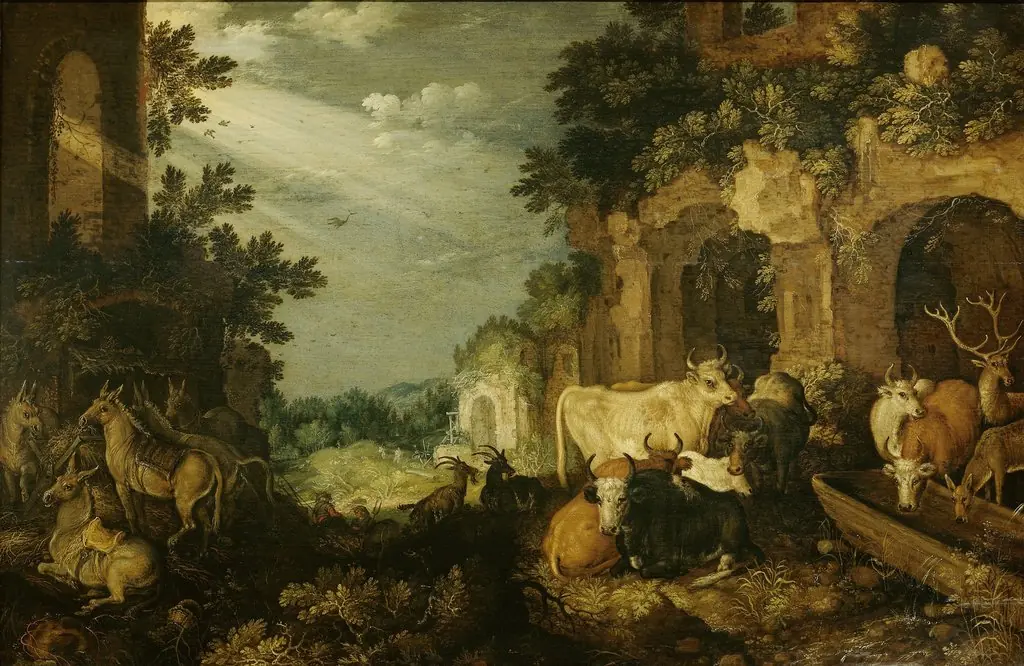
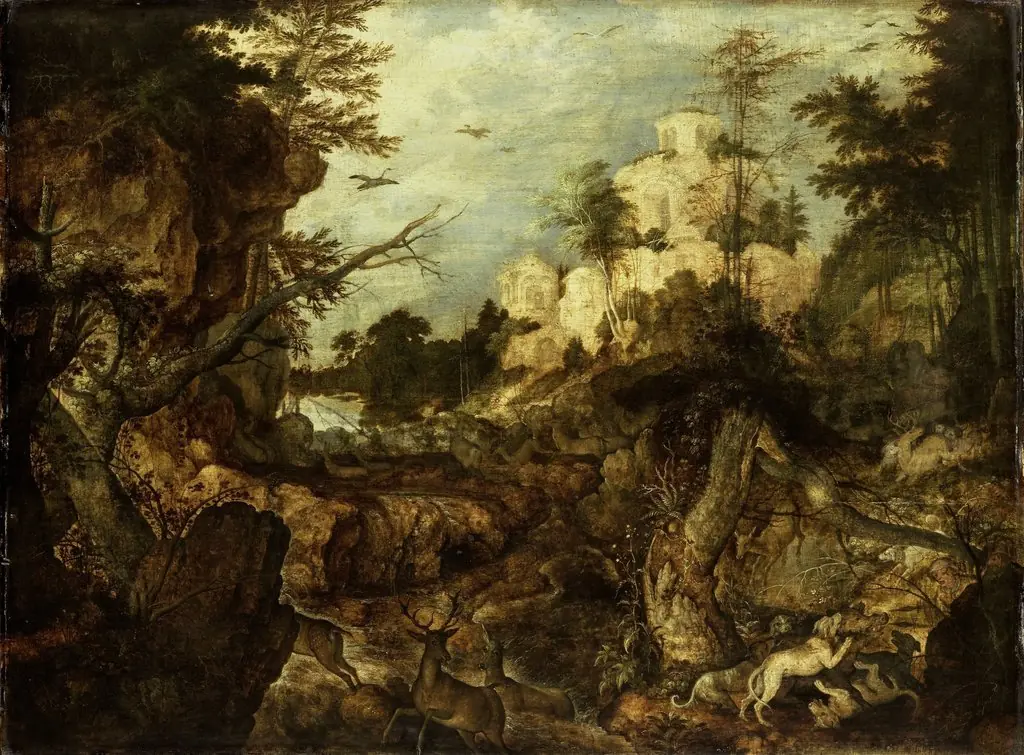
Savery's composition is marked by a detailed, realistic rendering of diverse species amidst lush flora, reflecting the artistic conventions of his time while showcasing his ability to balance complexity with visual harmony.
History & Provenance
Created in 1626 by Flemish-born Roelant Savery, The Paradise is now part of the Gemäldegalerie Berlin's collection.
Context
The painting blends real and imaginary creatures, highlighting the era's curiosity about natural history and the biblical concept of paradise. The dodo's presence, given its later extinction, lends the work a historical and ecological significance.
Legacy
The Paradise stands as a testament to Savery's contribution to the Dutch Golden Age, notable for its early depiction of the dodo and its enduring appeal as a rich, fantastical representation of a biblical paradise.
Artist & collection
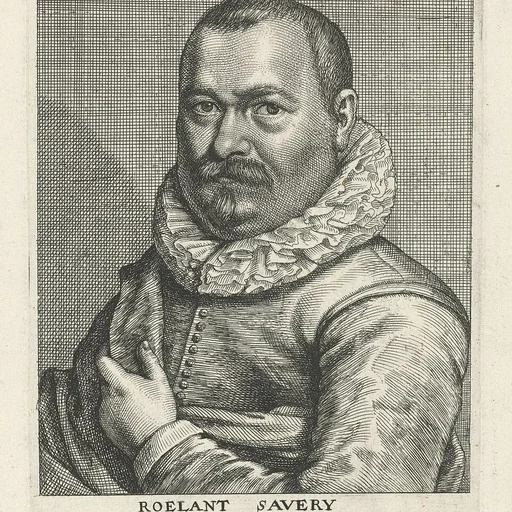
Artist
Roelant Savery (or Roeland(t) Maertensz Saverij, or de Savery, or many variants; 1576 – buried 25 February 1639) was a Flanders-born Dutch Golden Age painter.