Artwork
Untitled
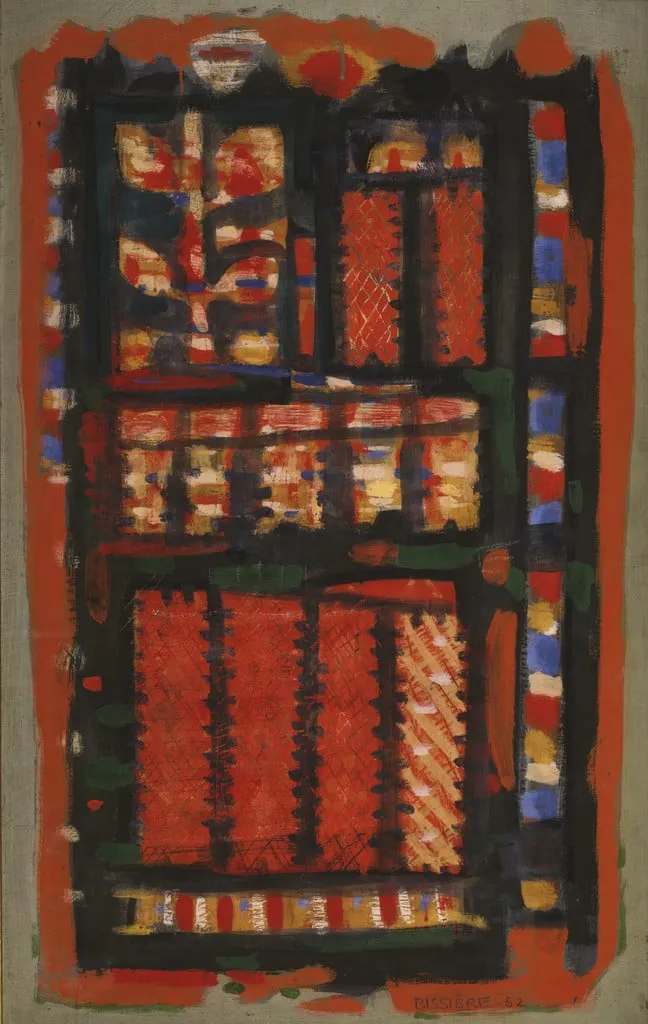
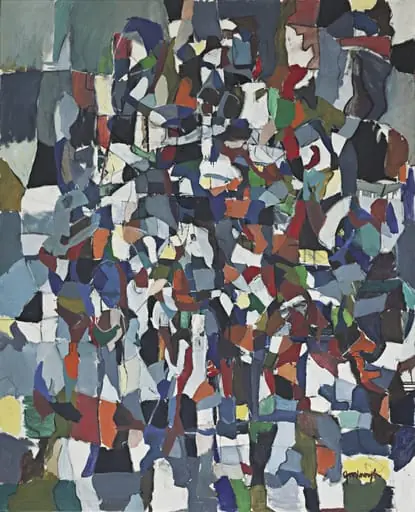
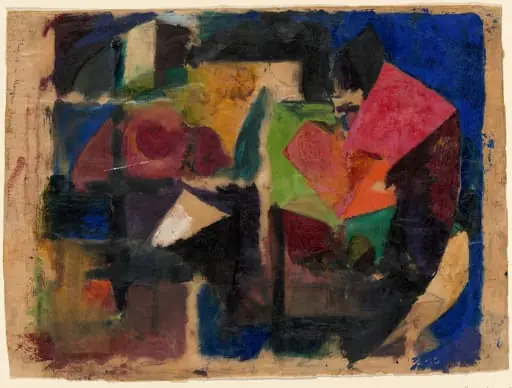
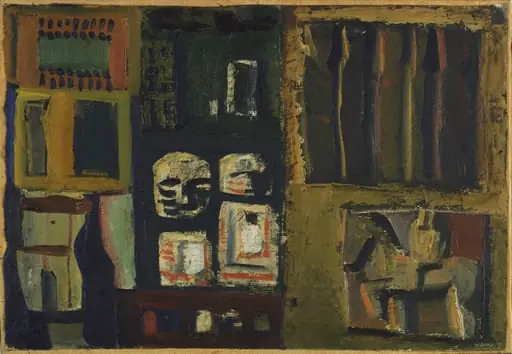
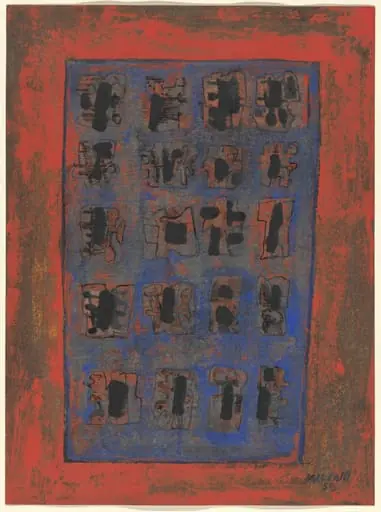
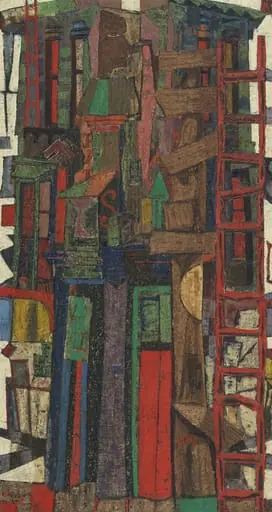
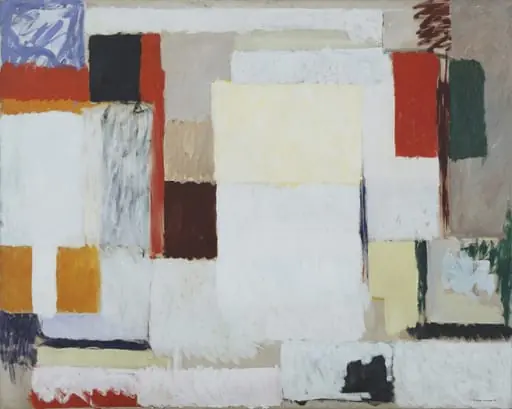
Untitled is an oil painting by Roger Bissière. It dates from 1952 and is held in the collection of the Museum of Modern Art.
About this work
Overview
Roger Bissière’s 1952 painting, executed in oil and egg tempera on canvas, belongs to the postwar European abstraction movement known as tachisme.
Roger Bissière’s 1952 painting, executed in oil and egg tempera on canvas, belongs to the postwar European abstraction movement known as tachisme. It reflects his shift toward non-representational forms during the early 1950s, prioritizing materiality and gesture over figuration. The work is part of The Museum of Modern Art’s collection, representing a key moment in French abstract painting following World War II.
Subject & Meaning
The painting holds no literal subject; its meaning emerges through the interplay of color and texture. Bissière avoids narrative, instead inviting contemplation of emotional resonance through layered hues and rhythmic marks. The balance of warm reds and oranges with cooler blues and greens suggests tension and harmony, while the woven-like patterns imply structure beneath apparent spontaneity.
Technique & Style
Bissière combined oil with egg tempera to achieve varied surface qualities—some areas are smooth and translucent, others thick and impastoed. His brushwork is deliberate yet fluid, creating a sense of movement through overlapping strokes. Subtle textures resemble fabric or mesh, adding tactile complexity. The gray underpainting grounds the brighter tones, enhancing their luminosity without dominating the composition.
History & Provenance
Created in 1952, the work emerged during a period when Bissière was refining his abstract language after decades of experimentation across media, including stained glass and textiles. It entered The Museum of Modern Art’s collection in the mid-20th century, reflecting institutional interest in European abstract practices beyond American action painting. Its provenance remains consistent within public collections since acquisition.
Context
This piece aligns with tachisme, a French counterpart to American Abstract Expressionism, emphasizing intuitive mark-making and material presence. Bissière’s approach differed from his contemporaries by integrating craft sensibilities from his textile and glass work. His paintings responded to the existential mood of postwar Europe, seeking order within chaos through restrained abstraction rather than explosive gesture.
Legacy
Bissière’s work, though less widely known than some peers, contributed to the legitimacy of European abstraction in major collections. His fusion of traditional techniques with modernist abstraction influenced later generations interested in material depth over pure expression. This painting remains a quiet but significant example of how French artists redefined abstraction in the decades after 1945.
Artist & collection
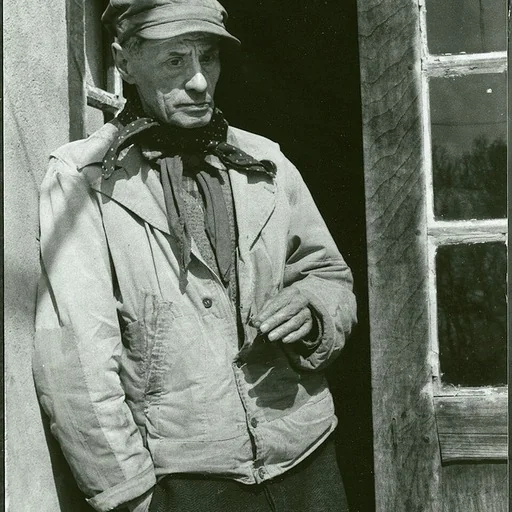
Artist
Roger Bissière (22 September 1886 – 2 December 1964) was a French visual artist and teacher. He designed stained glass windows for Metz cathedral and several other churches; as well as painted, and collaged textiles.