Artwork
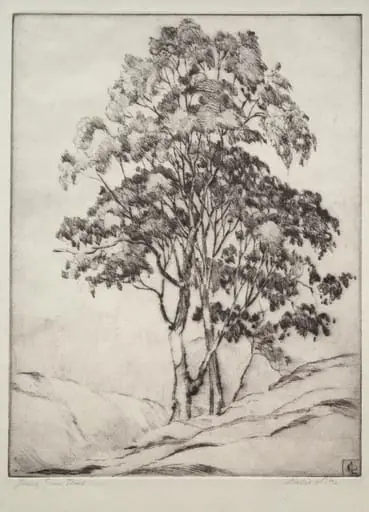
Study of Trees
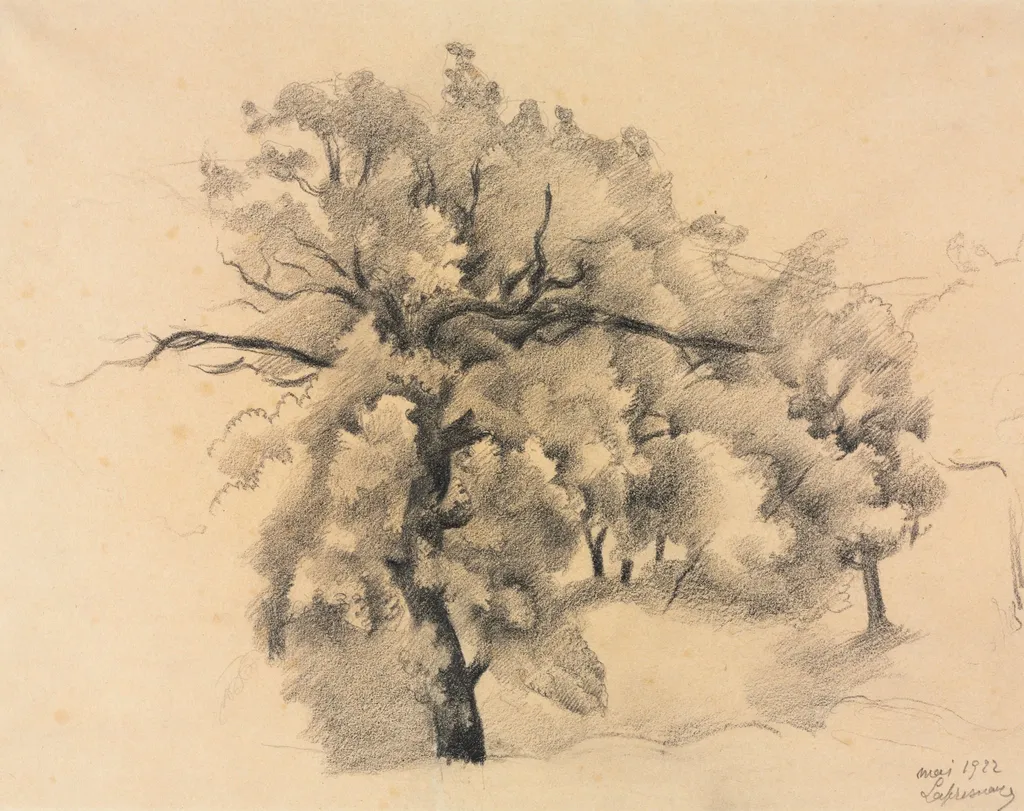
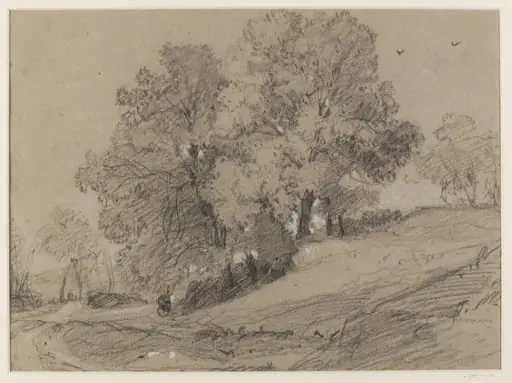
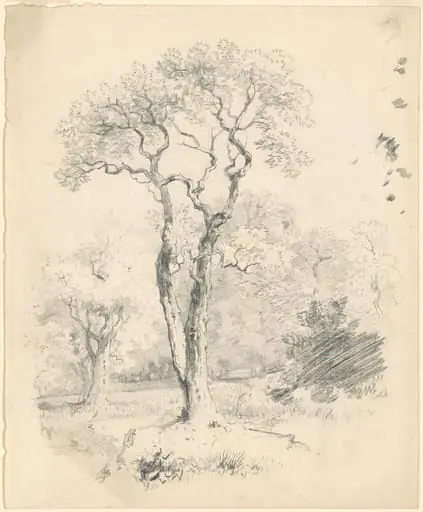
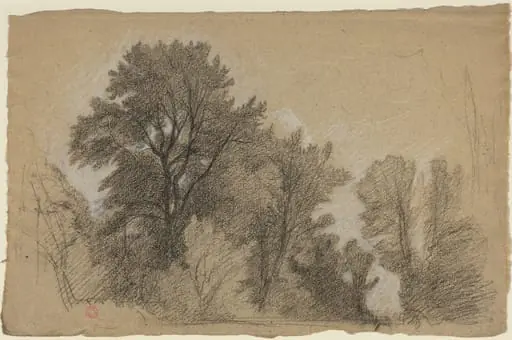
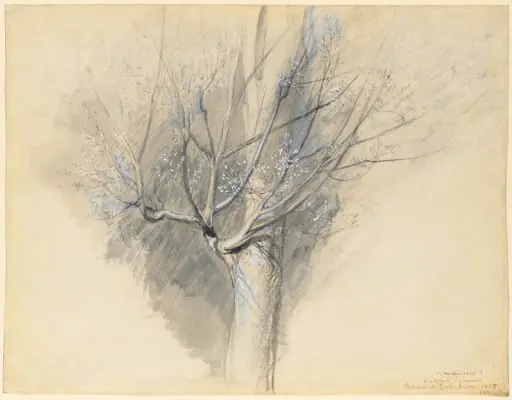
Study of Trees is a drawing by Roger de La Fresnaye. It dates from 1922 and is held in the collection of the Cleveland Museum of Art.
About this work
Overview
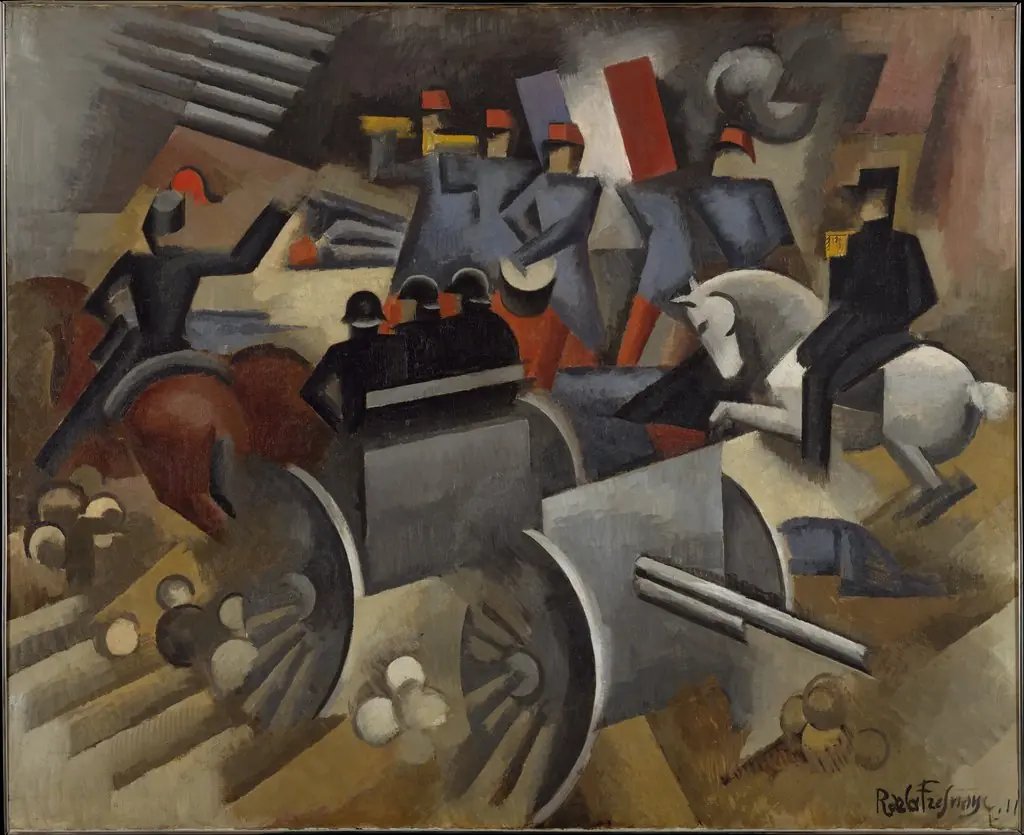
Its quiet composition reflects a deliberate move away from the artist’s earlier Cubist experiments toward a more contemplative, observational approach.
Created in 1922, Study of Trees is a graphite and ink drawing by French artist Roger de La Fresnaye. It resides in the collection of The Cleveland Museum of Art. The work focuses exclusively on a single tree, rendered with restrained lines and subtle tonal variations. Its quiet composition reflects a deliberate move away from the artist’s earlier Cubist experiments toward a more contemplative, observational approach.
Subject & Meaning
The drawing centers on a solitary tree, its limbs extending in multiple directions with no clear focal point. The absence of human figures or landscape context invites quiet reflection on natural form. The tree is not idealized nor symbolic; instead, it is presented as a quiet, enduring presence. The simplicity of the subject suggests an interest in the intrinsic structure and rhythm of nature, rather than narrative or emotion.
Technique & Style
La Fresnaye employs fine graphite lines and soft washes to define the tree’s trunk and branches, using darker tones for volume and lighter areas to suggest light filtering through leaves. The background remains largely unmodeled, enhancing the tree’s silhouette. The technique is precise yet unembellished, combining draftsmanship with a muted palette that emphasizes form over decoration, reflecting a shift toward lyrical realism in his late work.
History & Provenance
The drawing was completed in 1922, during a period when La Fresnaye was recovering from illness and reevaluating his artistic direction. It entered The Cleveland Museum of Art’s collection in 1954 through the bequest of the Hanna Fund. Its provenance is well-documented, with no known prior exhibitions before its acquisition. The work remains one of the few surviving drawings from this phase of his career.
Context
By 1922, La Fresnaye had moved beyond the fragmented forms of Cubism that defined his early career. Influenced by his physical limitations and a growing interest in classical harmony, he turned to intimate, nature-based subjects. Study of Trees aligns with broader post-war European trends favoring introspection and simplicity in art, contrasting with the dynamism of earlier modernist movements.
Legacy
Though less known than his Cubist paintings, Study of Trees exemplifies La Fresnaye’s later sensitivity to natural form and quiet composition. It has been referenced in scholarly discussions of his stylistic evolution and is occasionally included in exhibitions examining the intersection of modernism and natural observation. The drawing stands as a quiet testament to his artistic maturity beyond avant-garde experimentation.
Own this work as a print
Artist & collection

![Grove of Trees [verso], by Friedrich Salathé](https://artifactworldgallery.com/img/friedrich-salathe--grove-of-trees-verso--4013b539bd981a94-w320.webp)