Artwork
Olives
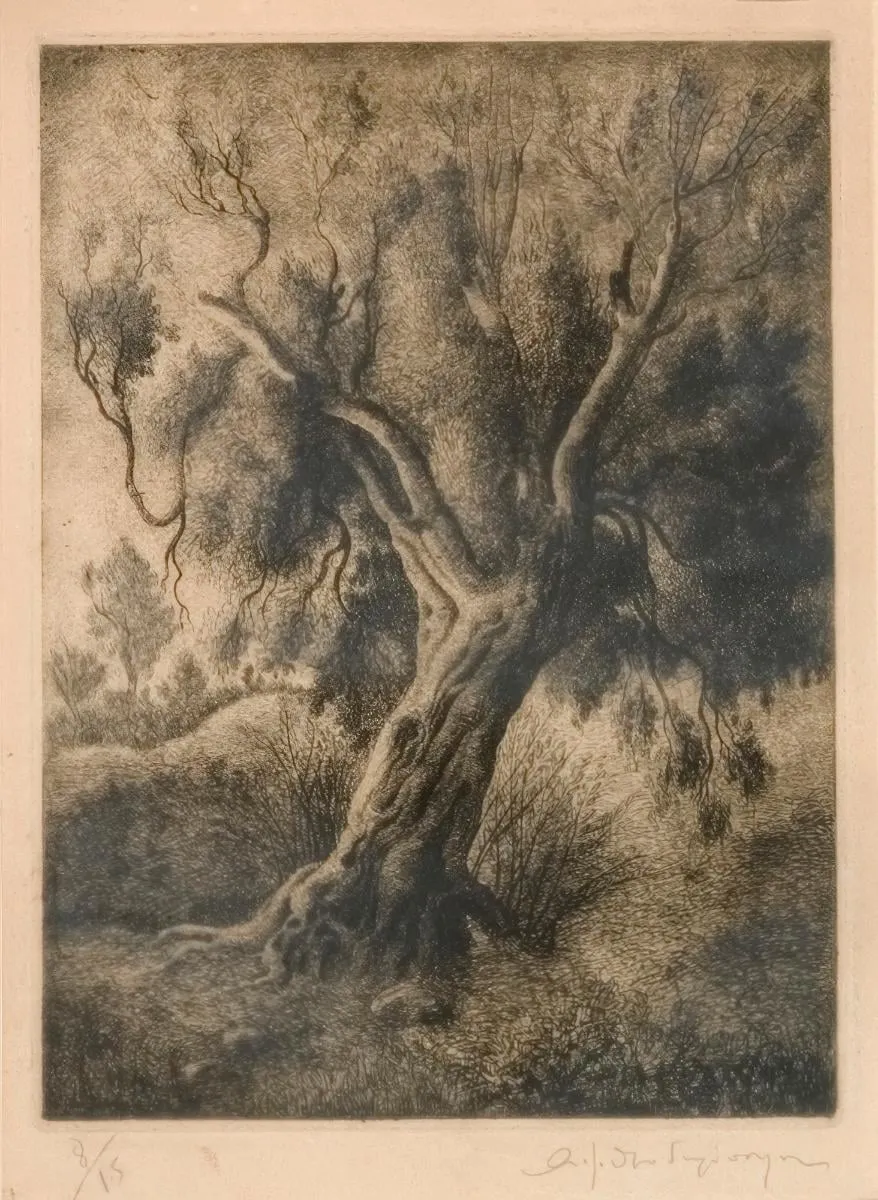
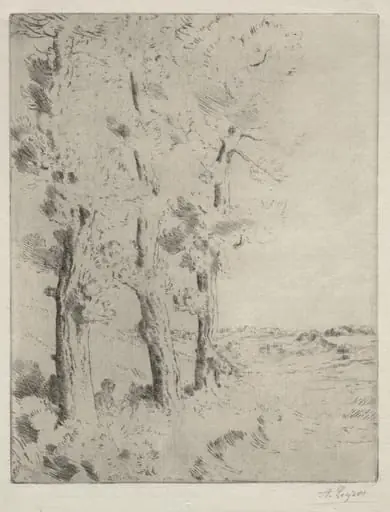
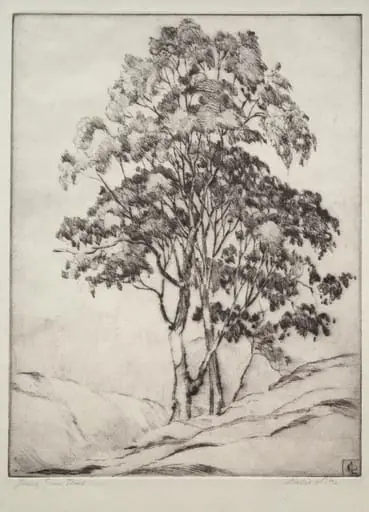
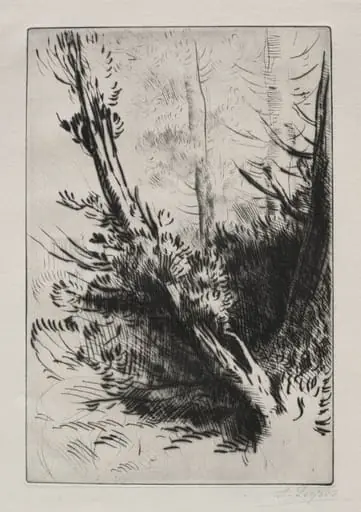
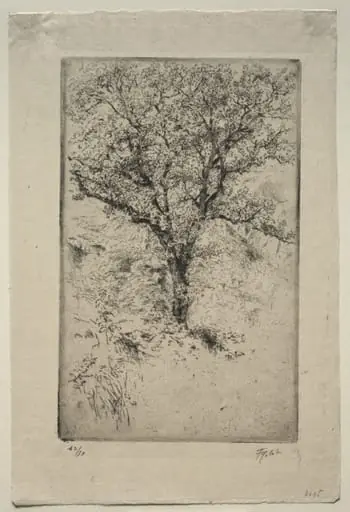
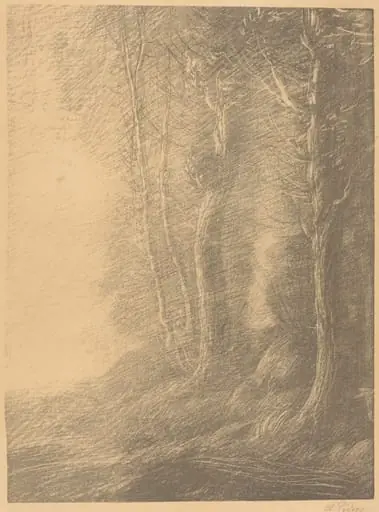
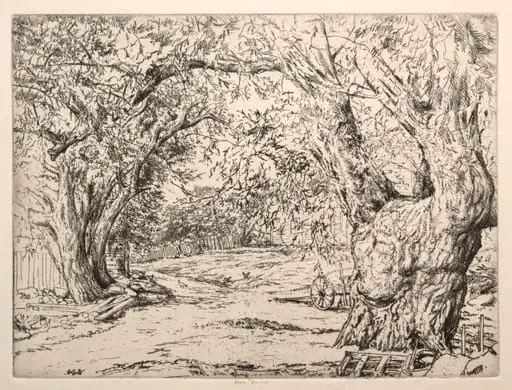
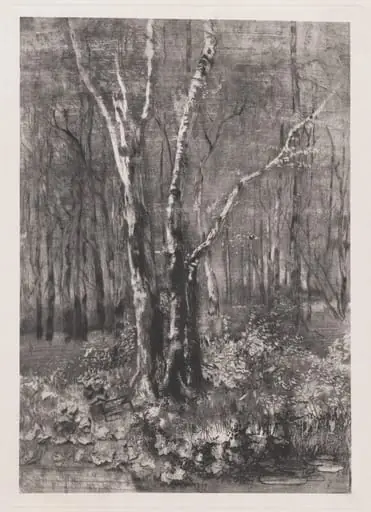
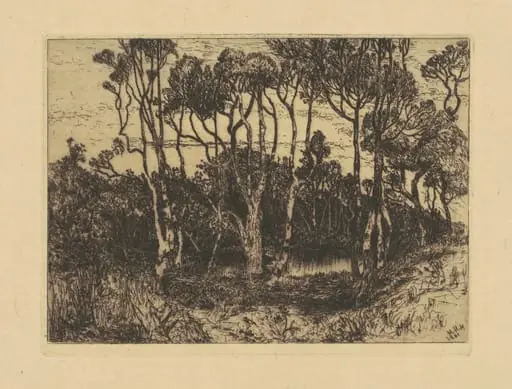
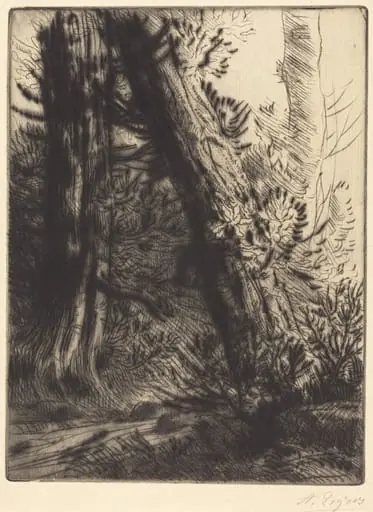
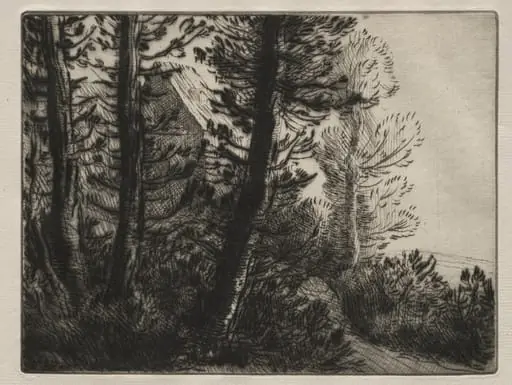
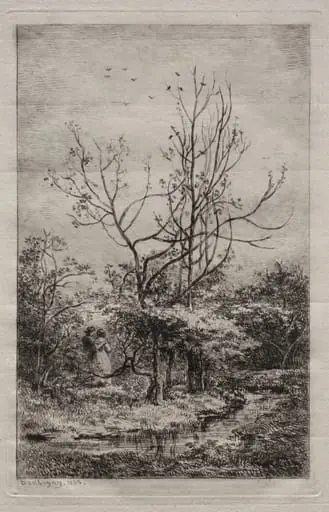
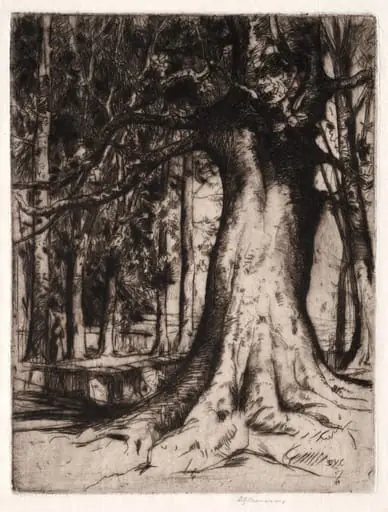
Olives is a print by Theodoropoulos Angelos. It is held in the collection of the Athens School of Fine Arts. This painting depicts a solitary, ancient olive tree dominating a quiet landscape.
About this work
Overview
The artist employs chiaroscuro to model form through light and shadow, enhancing the tactile presence of the bark and limbs without embellishment.
This painting depicts a solitary, ancient olive tree dominating a quiet landscape. Rendered in muted browns and grays, the work emphasizes the tree’s weathered form against a subdued background. The composition directs attention to the tree’s twisted branches and exposed roots, suggesting endurance and resilience. The artist employs chiaroscuro to model form through light and shadow, enhancing the tactile presence of the bark and limbs without embellishment.
Subject & Meaning
The olive tree, a symbol of longevity and rootedness in Mediterranean culture, is presented without narrative or human figures. Its gnarled structure and rugged texture invite contemplation of time and survival. The absence of vibrant color or activity underscores a quiet dignity, framing the tree not as ornament but as a silent witness to the land’s history. The focus remains on its physical presence rather than allegorical interpretation.
Technique & Style
The artist uses chiaroscuro to define the tree’s volume, contrasting deep shadows in crevices of the bark with faintly lit surfaces. Brushwork is deliberate, capturing the roughness of aged wood through layered tones rather than sharp lines. Background elements are softened, receding into muted grays to avoid distraction. The technique prioritizes structural clarity over decorative detail, aligning with a restrained, observational approach to natural forms.
History & Provenance
The painting is attributed to Theodoropoulos Angelos, a Greek artist active in the early 20th century. Little is documented about its creation or early ownership. It appears to stem from a period when Greek painters turned to rural and indigenous subjects, reflecting a broader cultural interest in national identity through landscape. The work’s survival suggests it was retained within private or regional collections, though its public exhibition history remains sparse.
Context
Created during a time when Greek art was redefining itself through local themes, this painting aligns with movements that valued rural life and native flora over imported styles. While European modernism explored abstraction, artists like Angelos returned to the land’s physical essence. The olive tree, deeply embedded in Greek agriculture and memory, became a quiet emblem of continuity amid political and social change.
Legacy
The painting contributes to a modest but persistent tradition in Greek art that honors the natural world with restraint and precision. Though not widely reproduced or studied, it reflects a generation of artists who sought meaning in the ordinary. Its enduring presence in collections signals an appreciation for quiet, unadorned depictions of nature—valued not for spectacle, but for their sincerity and attention to detail.
Artist & collection
Artist
Angelos Theodoropoulos kept a small olive press in his Athens apartment, the scent of crushed olives lingering on his clothes.