Artwork
The Pietà
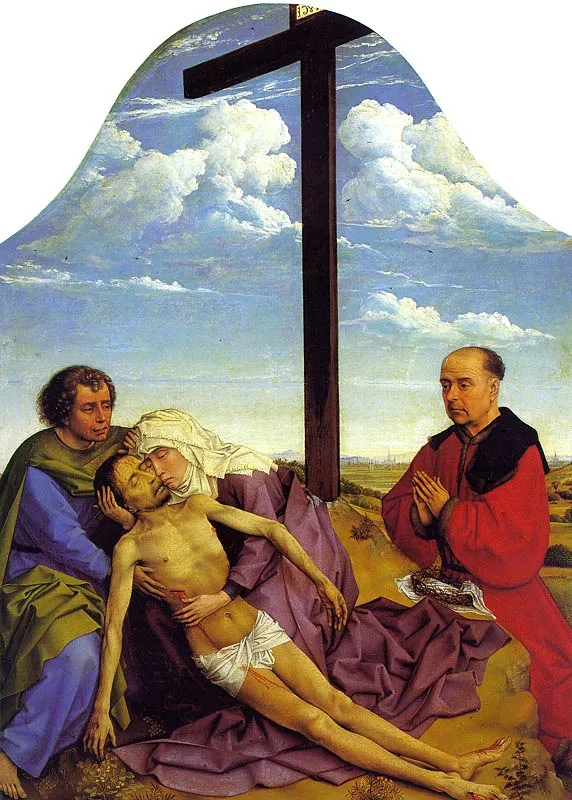
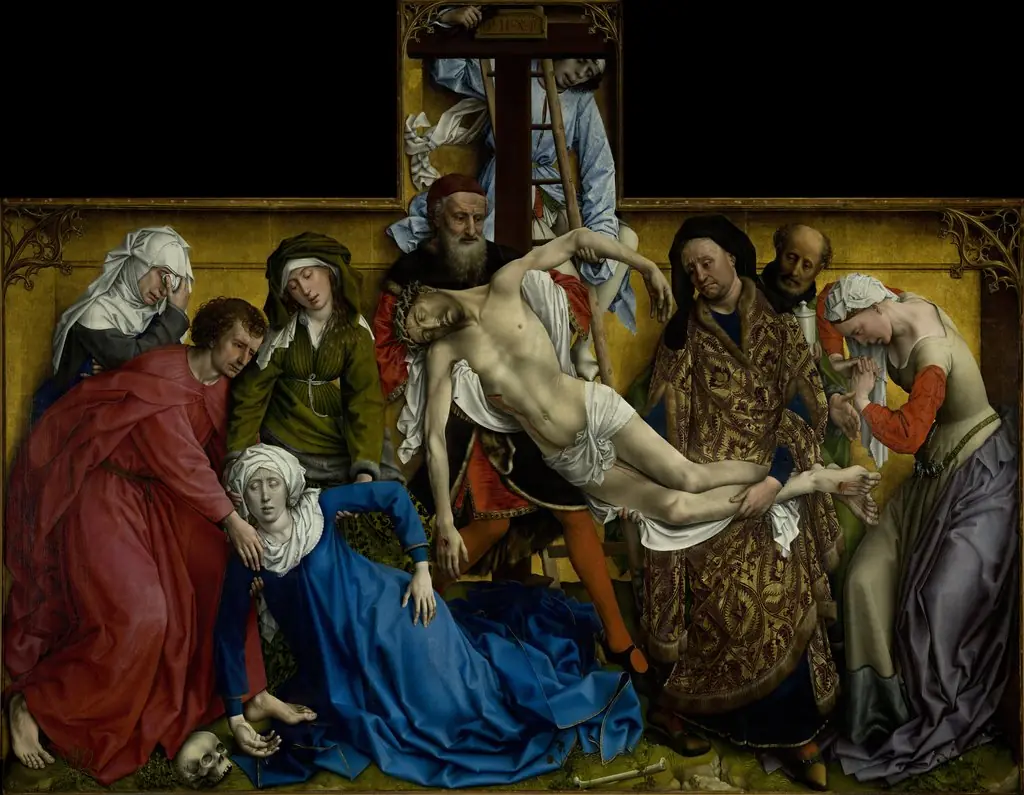
The Pietà is an oil painting by the Northern Renaissance artist Rogier van der Weyden. It dates from 1440 and is held in the collection of the Museo del Prado.
About this work
Overview
The Pietà, a 15th-century oil painting attributed to Rogier van der Weyden, dates to circa 1440 and exemplifies the Northern Renaissance style. It portrays a poignant biblical scene.
Subject & Meaning
The painting depicts the Virgin Mary holding the lifeless body of Jesus Christ after his crucifixion, conveying intense emotional depth characteristic of van der Weyden's religious works.
Technique & Style
Van der Weyden's mastery of oil paint achieves profound depth and texture. Subtle interplay of light and shadow enhances the emotional intensity of the scene, drawing the viewer into the somber moment.
History & Provenance
Originally created for a noble commission, the work was part of widespread European exports of Netherlandish art. It is now housed in the Museo del Prado, Madrid.
Context
As a leading early Netherlandish painter, van der Weyden's emotionally expressive style influenced the religious art of his time, catering to the devotional needs of noble patrons across Europe.
Legacy
The Pietà remains a significant example of Northern Renaissance art, illustrating van der Weyden's impact on the development of emotionally charged religious painting in the period.
Artist & collection
Artist
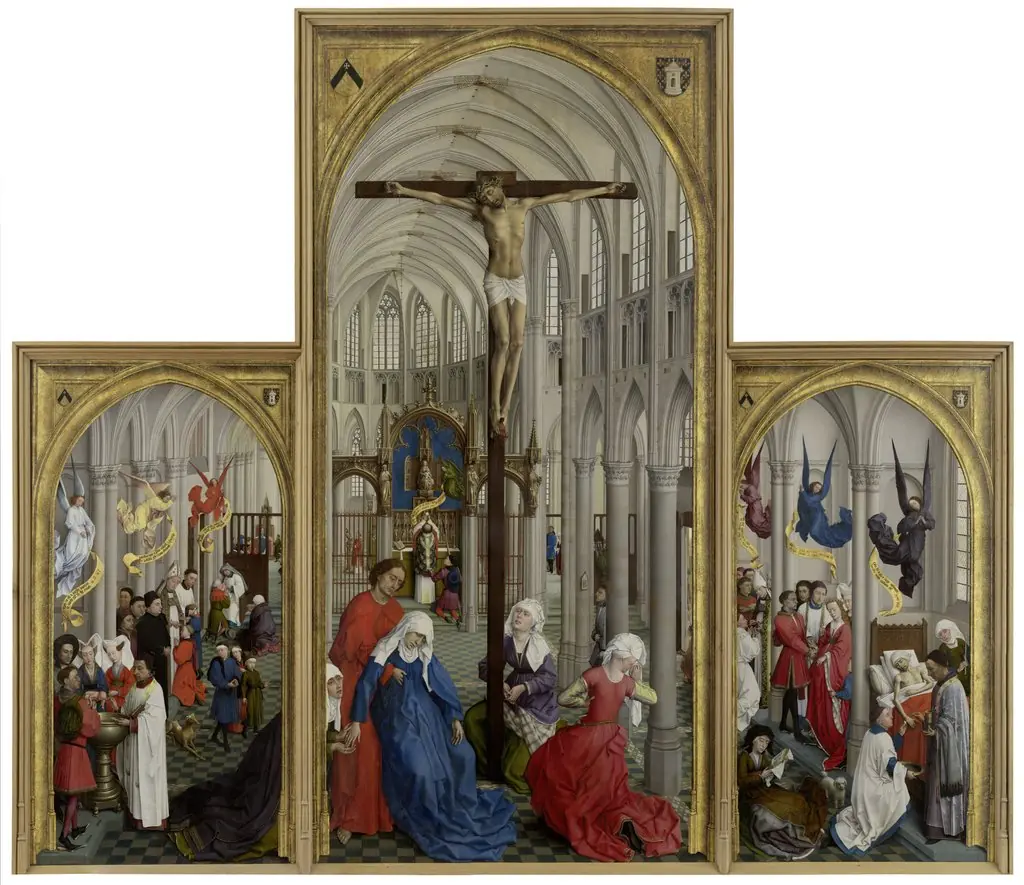
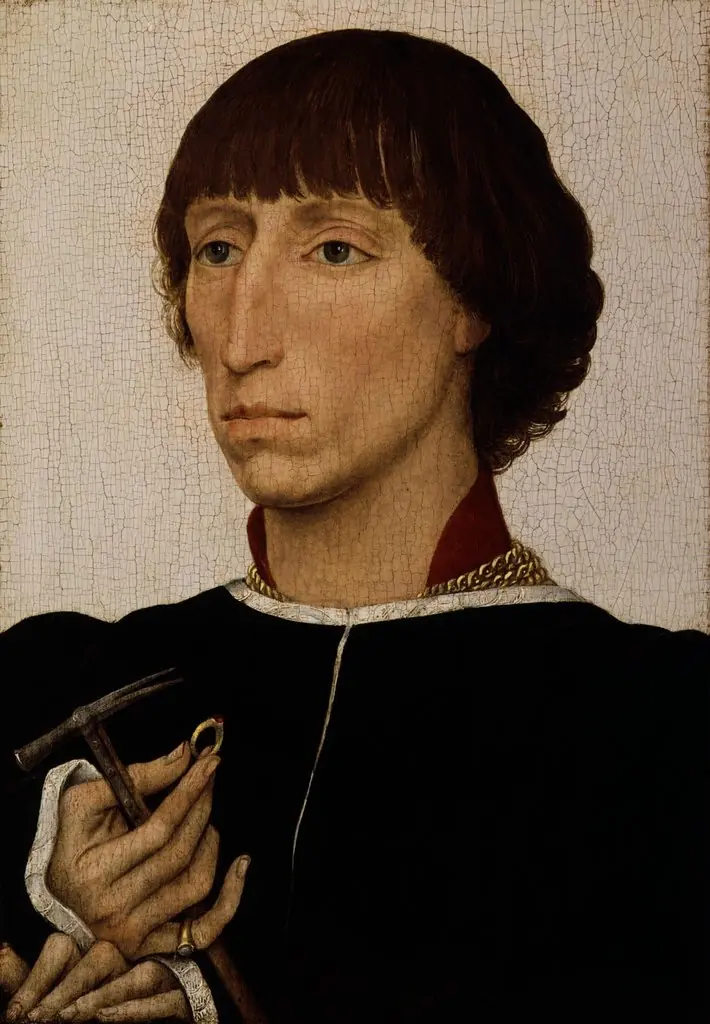
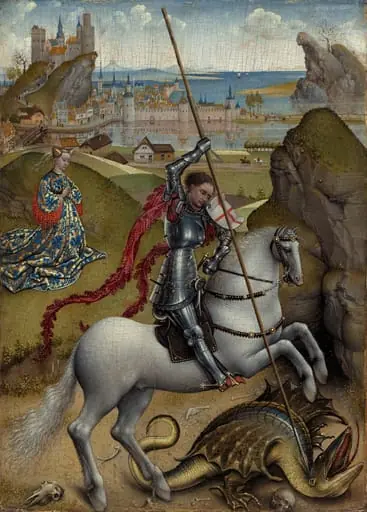
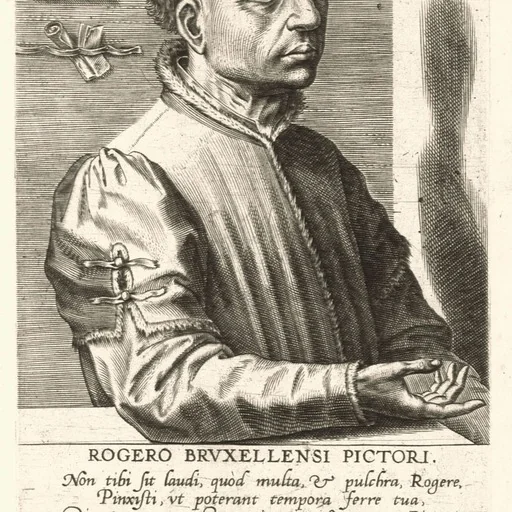
Rogier van der Weyden (Dutch: ; 1399 or 1400 – 18 June 1464), initially known as Roger de la Pasture (French: ), was an early Netherlandish painter whose surviving works consist mainly of religious triptychs,…