Artwork
Pan Reclining
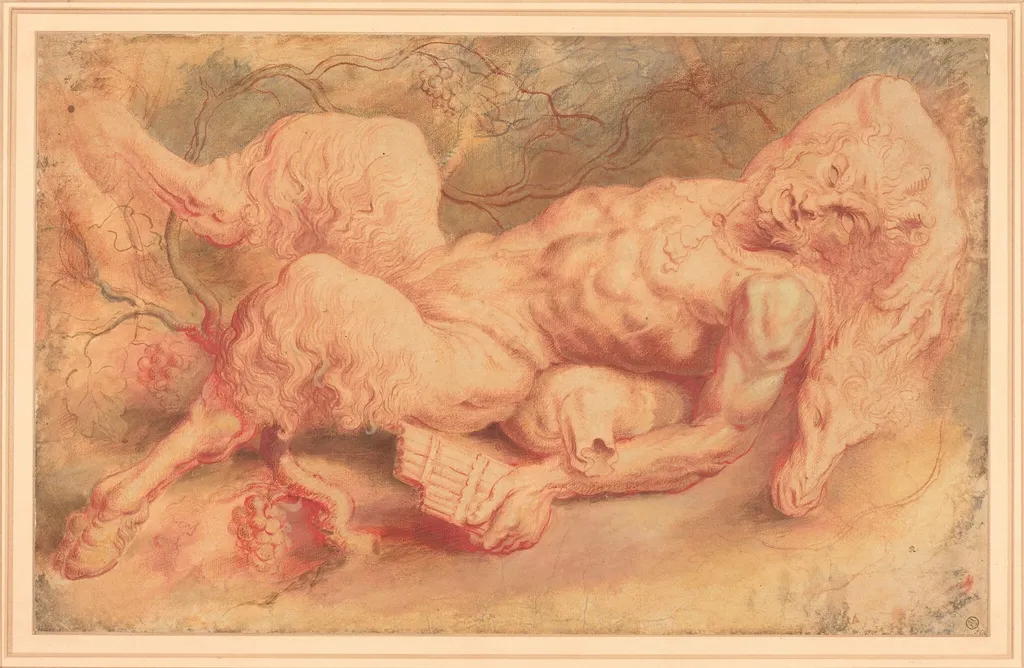
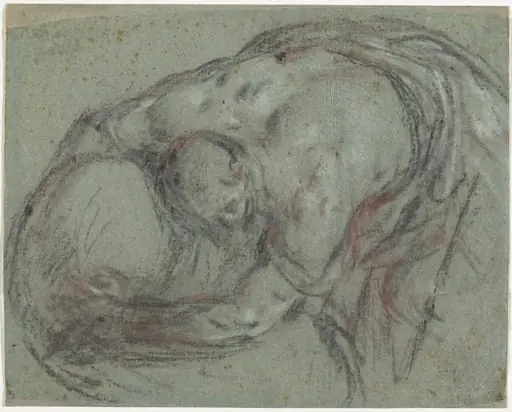
Pan Reclining is a chalk drawing by the Baroque artist Peter Paul, Sir Rubens. It dates from 1610 and is held in the collection of the National Gallery of Art. This 1610 drawing depicts a reclining infant, identified as Pan, in a state of gentle movement, set against a suggestive, rocky background.
About this work
Overview
This 1610 drawing depicts a reclining infant, identified as Pan, in a state of gentle movement, set against a suggestive, rocky background.
Subject & Meaning
The subject, Pan, is portrayed as a chubby, curly-haired baby in a naturalistic pose, conveying innocence and vulnerability. The gesture of reaching out with one hand implies curiosity or playful intent.
Technique & Style
Rubens employed a combination of red and black chalk with red wash and gouache on laid paper. The interplay of soft pinks, warm browns, and the glowing effect of red chalk and wash achieves a sense of luminosity and smooth, plump skin texture.
History & Provenance
Created circa 1610, specific details regarding the drawing's history and ownership prior to its current location are not provided in the available information.
Context
Within Rubens' oeuvre, this work reflects his exploration of mythological themes and his ability to imbue classical subjects with warmth and humanity.
Legacy
As a characteristic example of Rubens' drawing technique and thematic interests, Pan Reclining contributes to the broader understanding of Baroque artistic practices and the depiction of mythological subjects in early 17th-century European art.
Artist & collection


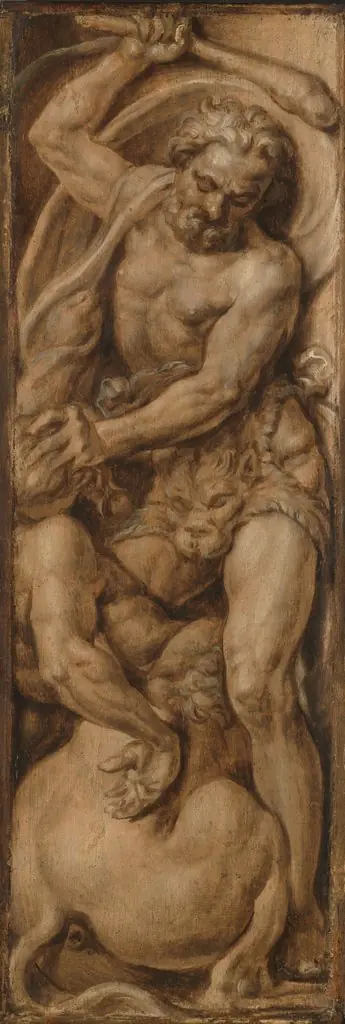 Hercules destroying the centaur Nessus
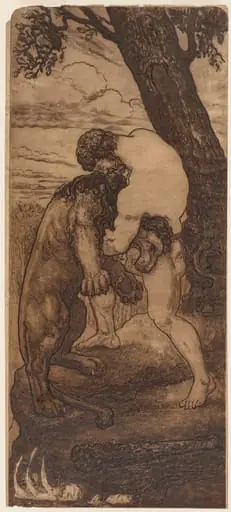 Hercules and the Nemean Lion
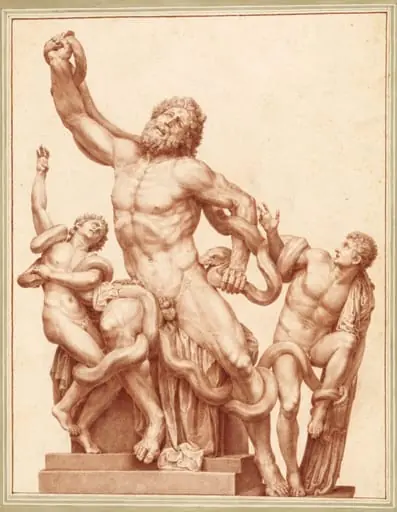 Study of the Laocoön
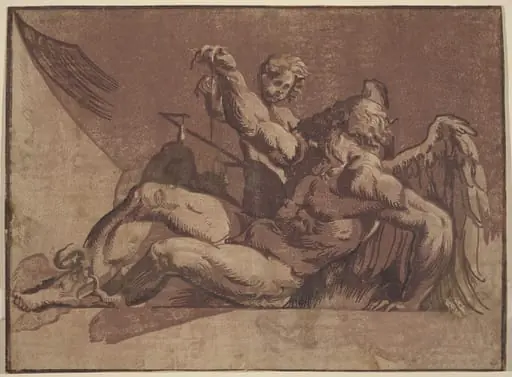 Saturn
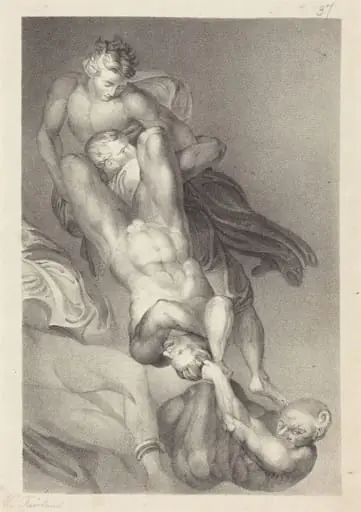 Part of the Last Judgment from Michael Angelo
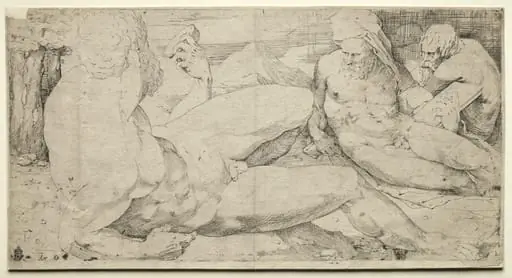 Three Male Nudes
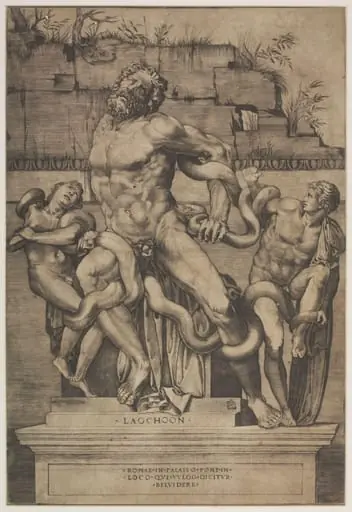 The Laocoon Before Restoration
 A Man Lifting a Bundle
 Door Knocker with Zeus Vanguishing Giants
 Hercules, in his death throes, hurling Lichas into the sea