Artwork
Three Male Nudes
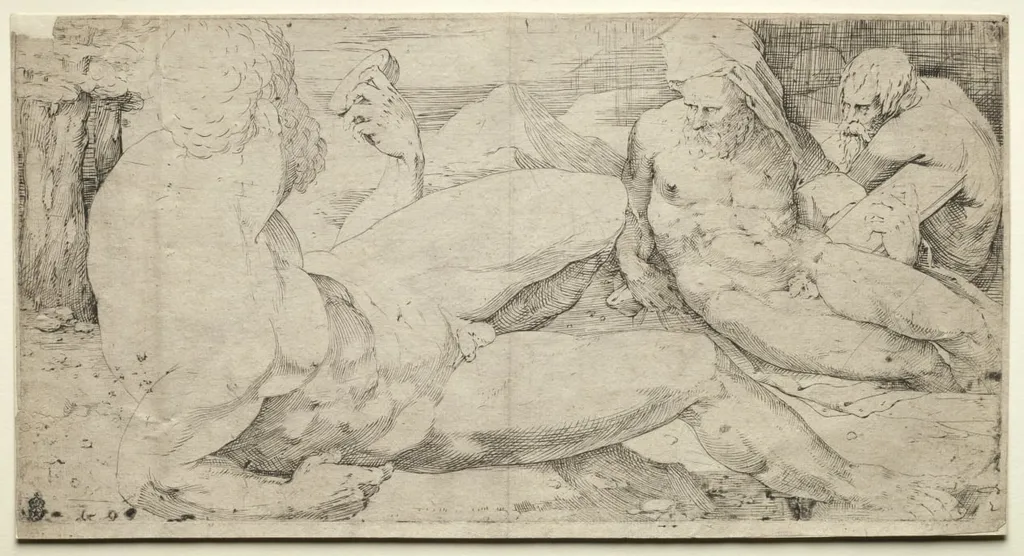
Three Male Nudes is a print by the Renaissance artist Domenico Beccafumi. It dates from 1538 and is held in the collection of the Cleveland Museum of Art.
About this work
Overview
Originally composed using both engraving and woodcut techniques on a single sheet, this version isolates the finer linear details of the engraving.
This print by Domenico Beccafumi is a rare impression pulled solely from the engraved plate of a mixed-media work. Originally composed using both engraving and woodcut techniques on a single sheet, this version isolates the finer linear details of the engraving. It reflects Beccafumi’s interest in pushing the boundaries of printmaking, experimenting with texture and tonal depth beyond conventional methods.
Subject & Meaning
Three nude male figures stand in close proximity, their bodies angled in varied, dynamic poses. One holds a bowl, another a staff, and the third raises a hand, suggesting ritual or labor. The grouping evokes classical themes of physical exertion or ceremonial action, though no specific narrative is confirmed. The emphasis on muscular form and interwoven gestures points to an interest in human anatomy and movement rather than religious or mythological storytelling.
Technique & Style
Beccafumi employed engraving to render fine lines and subtle gradations of shadow, creating a painterly effect on paper. The soft modeling of light across the skin mimics the chiaroscuro of Renaissance painting, unusual in prints of the time. By later printing the engraved plate alone, he stripped away the bolder woodcut tones, leaving a more delicate, atmospheric rendering that highlights his mastery of line and tone.
History & Provenance
The print originates from Siena in the early 16th century, during Beccafumi’s active period as a civic and religious artist. Few impressions of the engraved plate alone survive, making this a rare artifact of his printmaking experiments. Its preservation suggests it was valued by collectors or fellow artists interested in technical innovation, though its early ownership remains undocumented.
Context
In early 16th-century Siena, artists were moving away from High Renaissance harmony toward more expressive, complex compositions. Beccafumi’s work aligned with this shift, embracing tension and ambiguity. His use of mixed media in printmaking was uncommon, distinguishing him from contemporaries who favored single-technique methods. This print reflects a broader regional interest in experimentation with form and medium.
Legacy
Beccafumi’s approach to chiaroscuro printing influenced later printmakers seeking to emulate painterly effects in graphic art. While not widely copied, his isolated use of the engraved plate demonstrated the potential of print as a medium for nuanced tonal study. This work remains a key example of how Mannerist sensibilities translated into the technical possibilities of printmaking.
Artist & collection

Artist
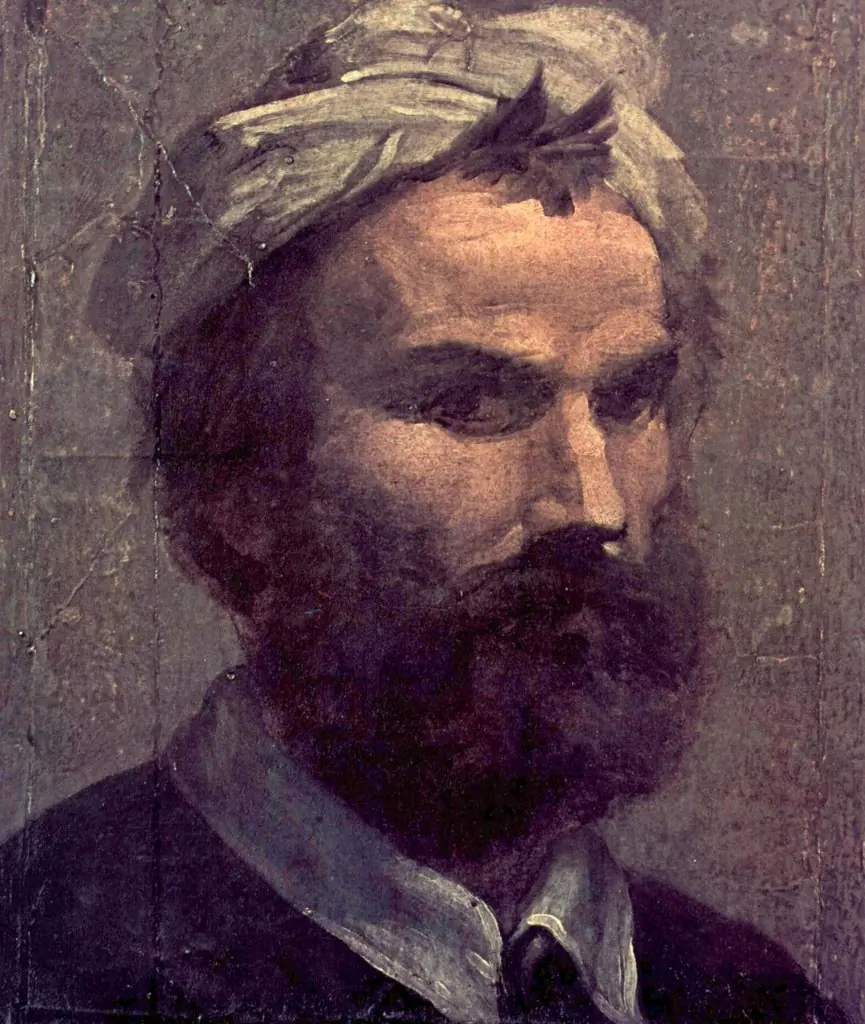
Domenico di Pace Beccafumi (1486 – May 18, 1551) was an Italian Renaissance-Mannerist painter active predominantly in Siena. He is considered one of the last undiluted representatives of the Sienese school of painting.

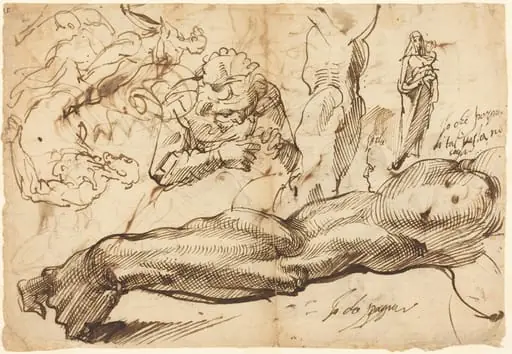 Studies of a Left Arm, a Young Woman, a Madonna and Child, a Face in Profile, and Nude Figures
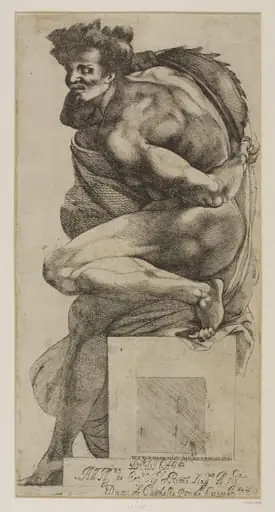 Untitled
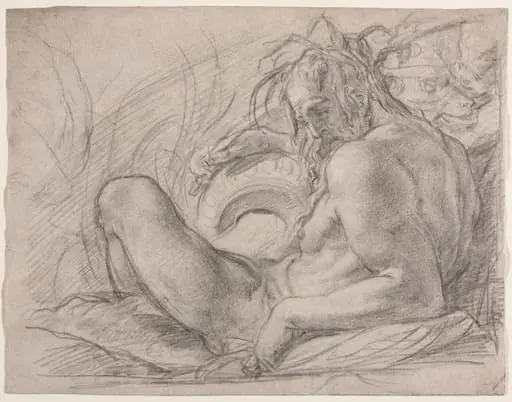 The River God Tiber (Study for a fresco, Miracle of the Snow, or the Foundation of Santa Maria Maggiore, Rome in the Canigiani chapel of S. Felicita, Florence)
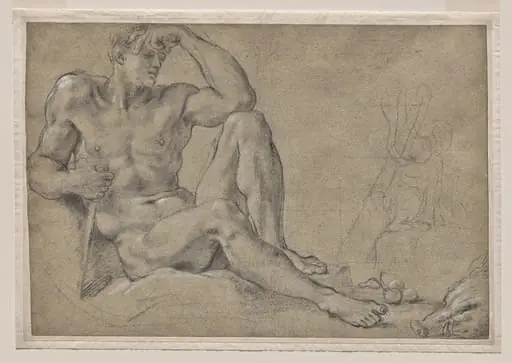 Hercules Resting (recto)
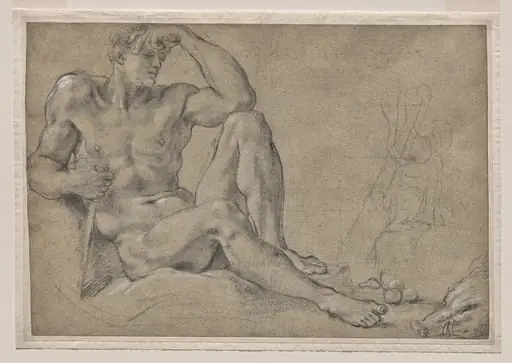 Hercules Resting (recto); Footed Vessel with Handle (verso)
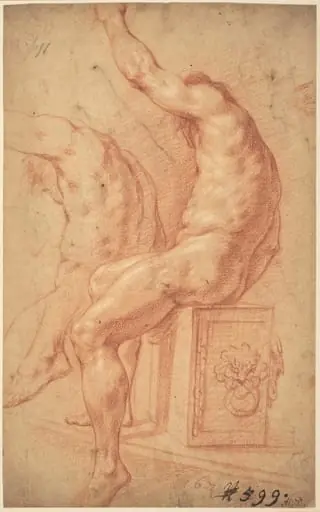 A Seated Nude
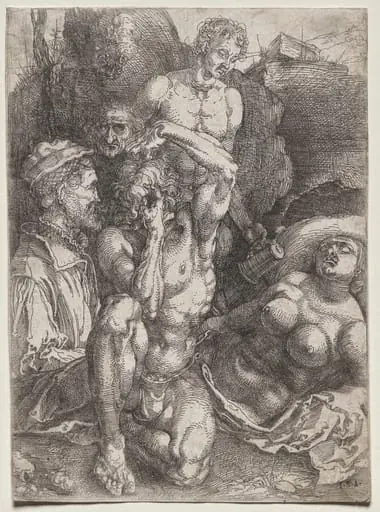 Group of Five Figures
 Untitled
 Hercules, in his death throes, hurling Lichas into the sea
 Ignudo (after Michelangelo)
 Crucified Man
 Seated Male Nude