Artwork
Untitled
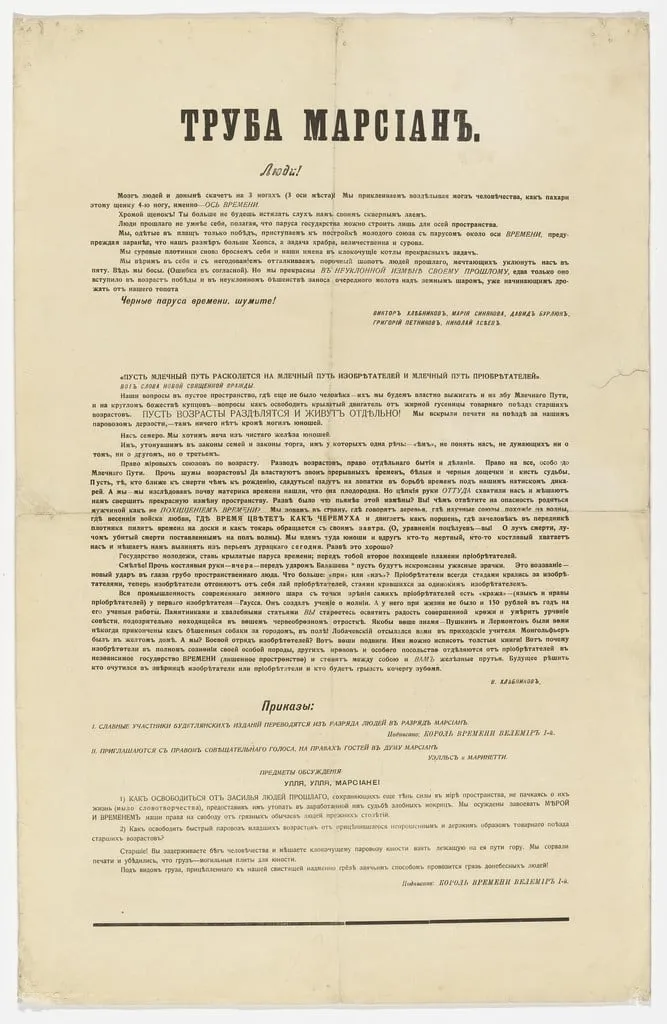
Untitled is an ink print by Russian Book Collection. It dates from 1916 and is held in the collection of the Museum of Modern Art.
About this work
Overview
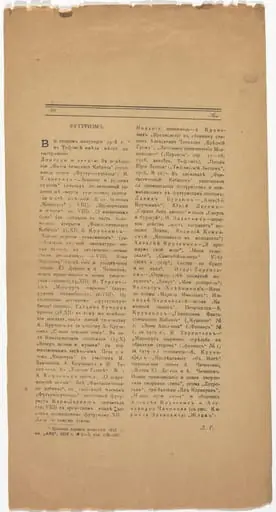
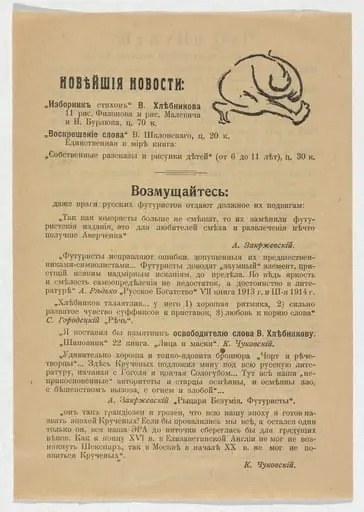
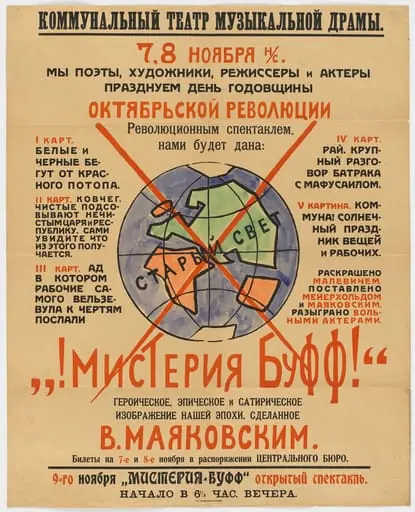
Untitled is a 1916 lithographic print held in the collection of the Museum of Modern Art. Though lacking a formal title, the work functions as a promotional poster for the poetry volume *The Martians’ Trumpet*, linking visual design directly to the book’s avant‑garde content.
Subject & Meaning
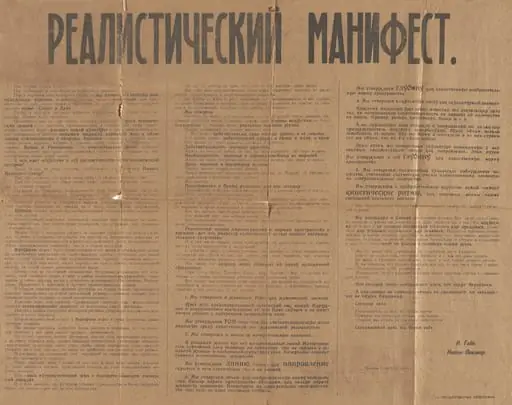
The image consists of a tall, narrow field densely populated with Cyrillic text and jagged graphic elements that resemble horns and lightning bolts. The chaotic arrangement mirrors the poets’ use of invented, nonsensical language, suggesting a visual echo of the work’s experimental, otherworldly tone.
Technique & Style
Executed in lithography, the print employs stark contrasts between black ink and white paper, allowing the irregular lettering and sharp shapes to dominate the composition. The method’s capacity for fine line work and spontaneous drawing supports the erratic, energetic aesthetic of the poster.
History & Provenance
Created during the tumultuous period of World War I, the lithograph was produced by the Russian Book Collection, a publishing entity active in early‑twentieth‑century Russia. It entered the Museum of Modern Art’s holdings as part of the institution’s effort to document early modernist print culture.
Context
*The Martians’ Trumpur* belonged to a wave of Russian Futurist and Zaum poetry that embraced neologisms and sound‑play. The poster’s visual language reflects the broader avant‑garde ambition to dissolve boundaries between text, image, and performance.
Legacy
While the work remains untitled, its inclusion in MoMA’s collection underscores the significance of experimental print media in early modernist movements, offering insight into how graphic design was employed to amplify radical literary experiments.
Artist & collection
Artist
This artist created small, precise prints and pages in the early 1900s, mostly book-related designs like the 1916 lithograph on your screen and a 1918 letterpress piece.