Artwork
Victorious Love
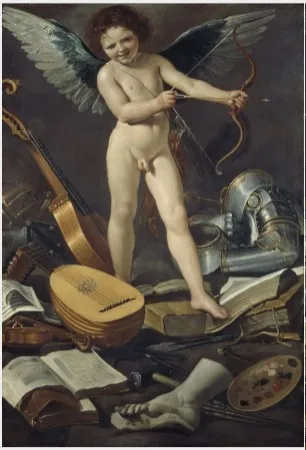
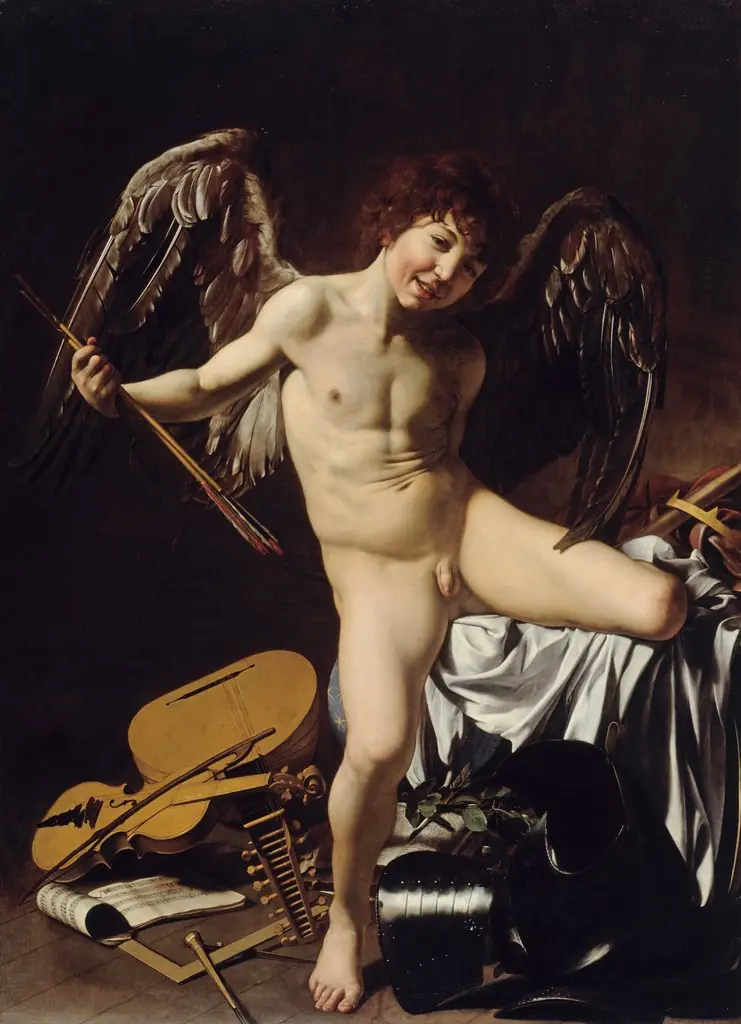
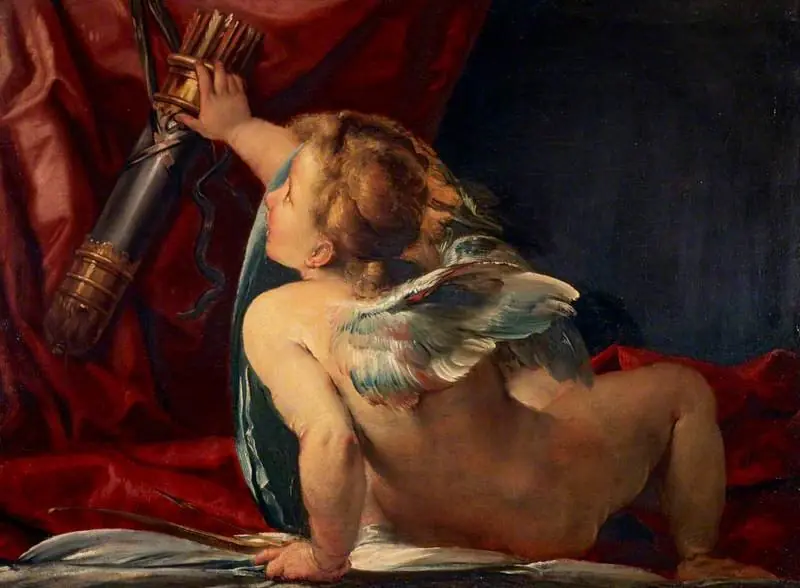
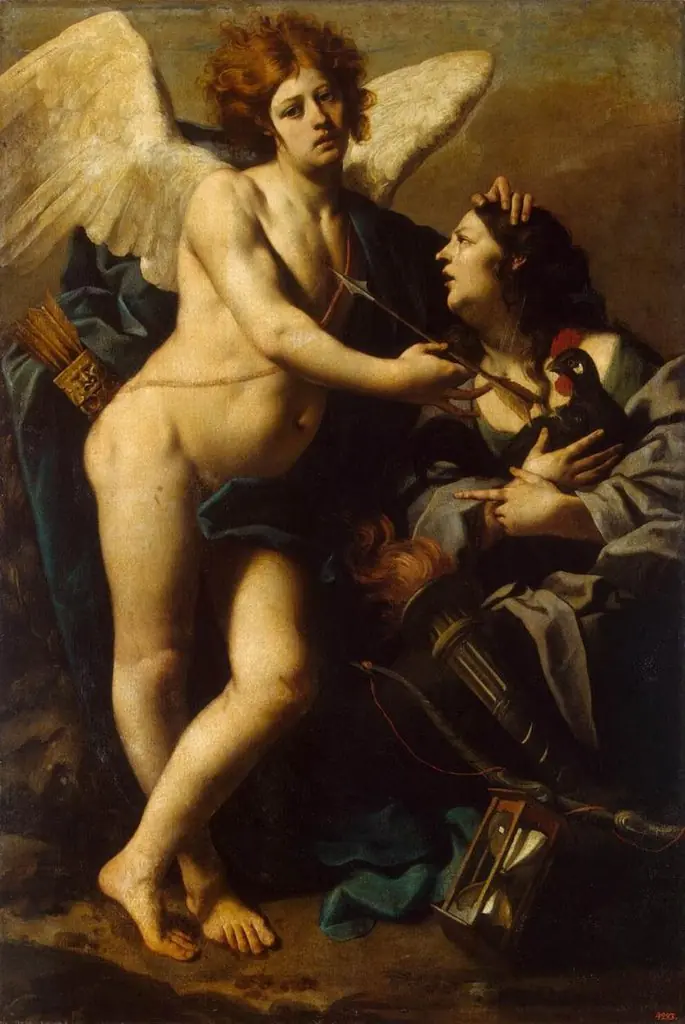
Victorious Love is an oil painting by the Early Baroque Italian artist Rutilio di Lorenzo Manetti. It dates from 1625 and is held in the collection of the National Gallery of Ireland.
About this work
Overview
Active in Siena, Manetti employed dramatic lighting and symbolic composition to convey allegorical themes.
Painted in 1625 by Rutilio di Lorenzo Manetti, *Victorious Love* is an oil-on-canvas work rooted in the transitional phase between late Mannerism and early Baroque. Active in Siena, Manetti employed dramatic lighting and symbolic composition to convey allegorical themes. The painting is now held in the National Gallery of Ireland, where it represents a lesser-known but distinctive example of Italian devotional and allegorical painting from the early 17th century.
Subject & Meaning
The central figure is Cupid, depicted as a youthful, winged boy holding a bow and arrow, symbolizing the irresistible power of love. Around him lie discarded objects—a lute, a book, and a helmet—representing music, scholarship, and warfare. Their haphazard arrangement suggests love’s dominion over human pursuits, implying that even the most valued endeavors yield to passion. The scene functions as a moralizing allegory, common in Baroque iconography, where emotion overrides reason.
Technique & Style
Manetti uses chiaroscuro to model Cupid’s form, creating strong contrasts between light and shadow that draw focus to the central figure. The dark, undefined background enhances the three-dimensionality of the objects and figure, while loose brushwork in the background contrasts with the more defined rendering of Cupid. The composition avoids symmetry, embracing a dynamic, almost chaotic arrangement that reflects the emotional turbulence of the theme.
History & Provenance
Created in Siena during Manetti’s mature period, the painting entered the National Gallery of Ireland’s collection in the 20th century. Its earlier ownership is undocumented, but its style aligns with other works by Manetti from the 1620s, suggesting it was likely commissioned by a local patron or religious institution. The painting remained in Italy until its acquisition by the Irish gallery, where it has been studied as an example of regional Baroque allegory.
Context
In early 17th-century Italy, allegorical paintings of love were popular among patrons seeking to express philosophical or spiritual ideas through visual metaphor. Manetti’s work reflects the influence of Caravaggio’s naturalism and the emotional intensity favored in post-Tridentine art. While Sienese painting retained Mannerist tendencies longer than in Rome, *Victorious Love* shows a shift toward Baroque dynamism, blending local tradition with broader Italian trends.
Legacy
Though not widely exhibited, *Victorious Love* remains a significant example of provincial Baroque allegory in Italy. It illustrates how regional artists adapted emerging styles to local tastes, using symbolic objects and chiaroscuro to convey complex ideas. The painting contributes to scholarly understanding of how Mannerist conventions evolved into Baroque expression outside major artistic centers like Florence or Rome.
Artist & collection
Artist
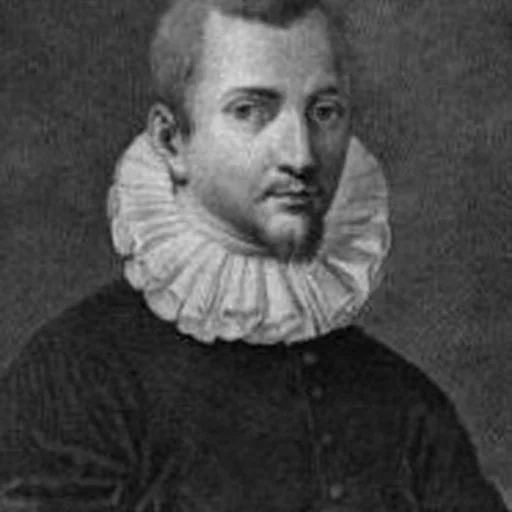
Rutilio di Lorenzo Manetti (c. 1571 – 22 July 1639) was an Italian painter of late-Mannerism or proto-Baroque, active mainly in Siena.