Artwork
Cupid
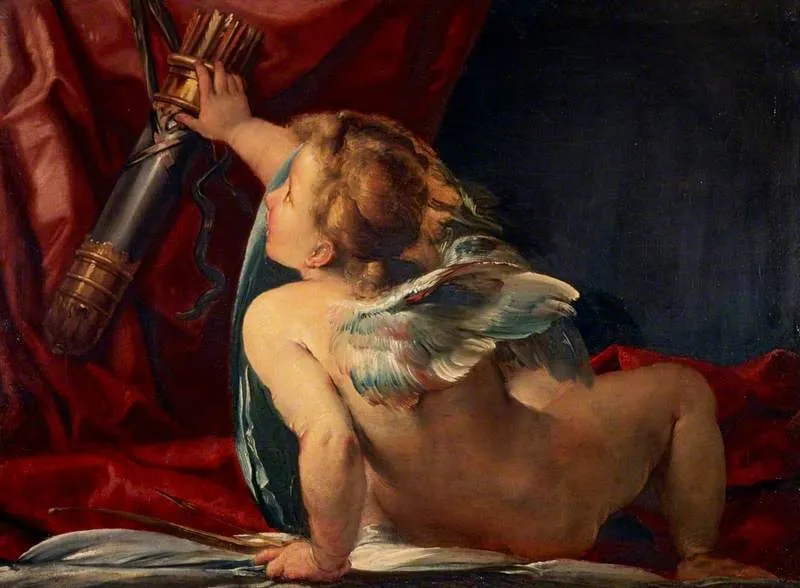
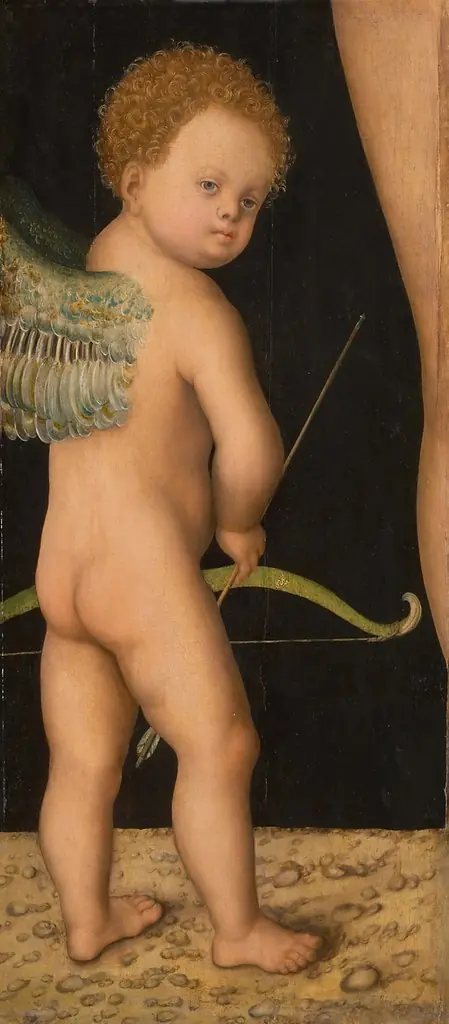
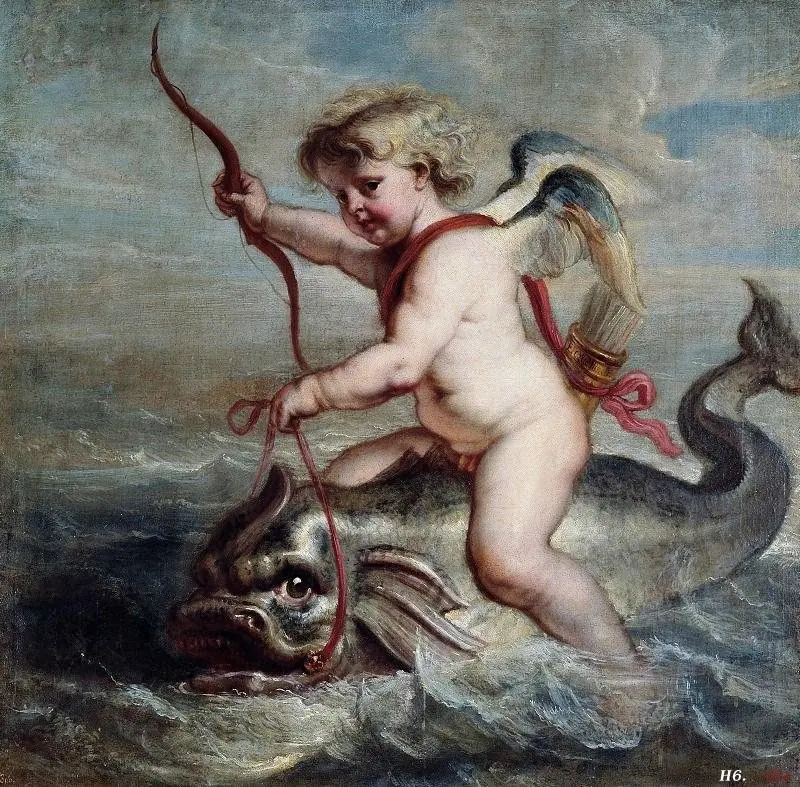
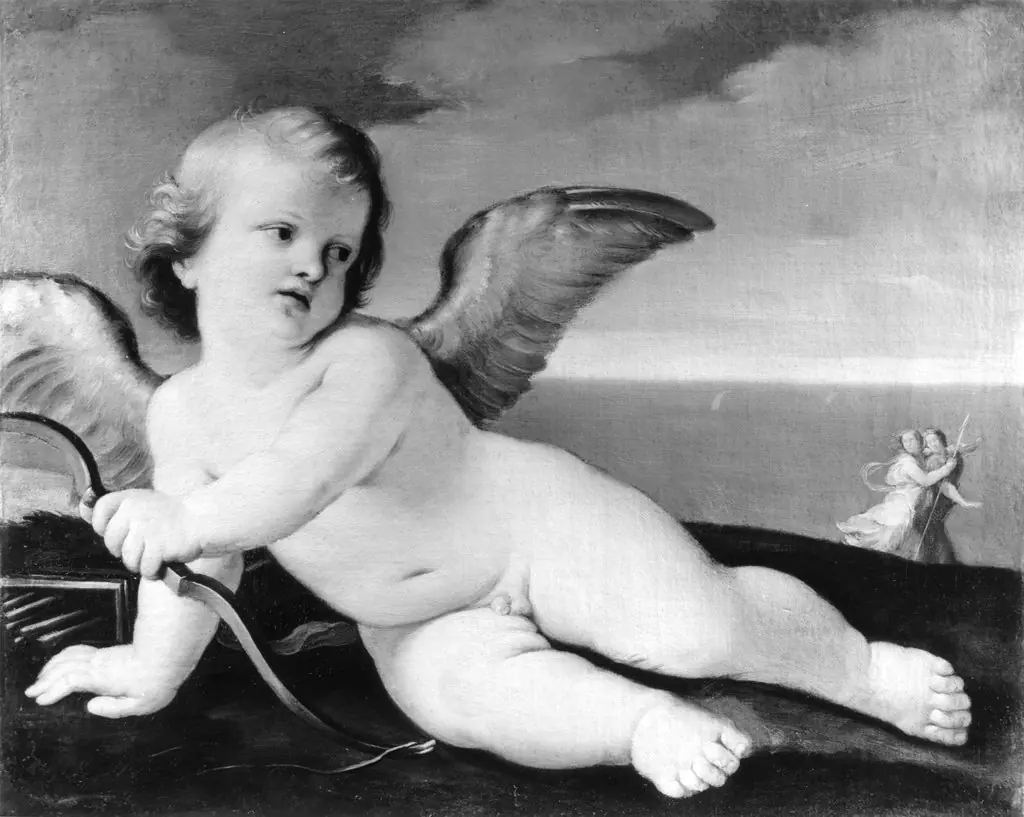
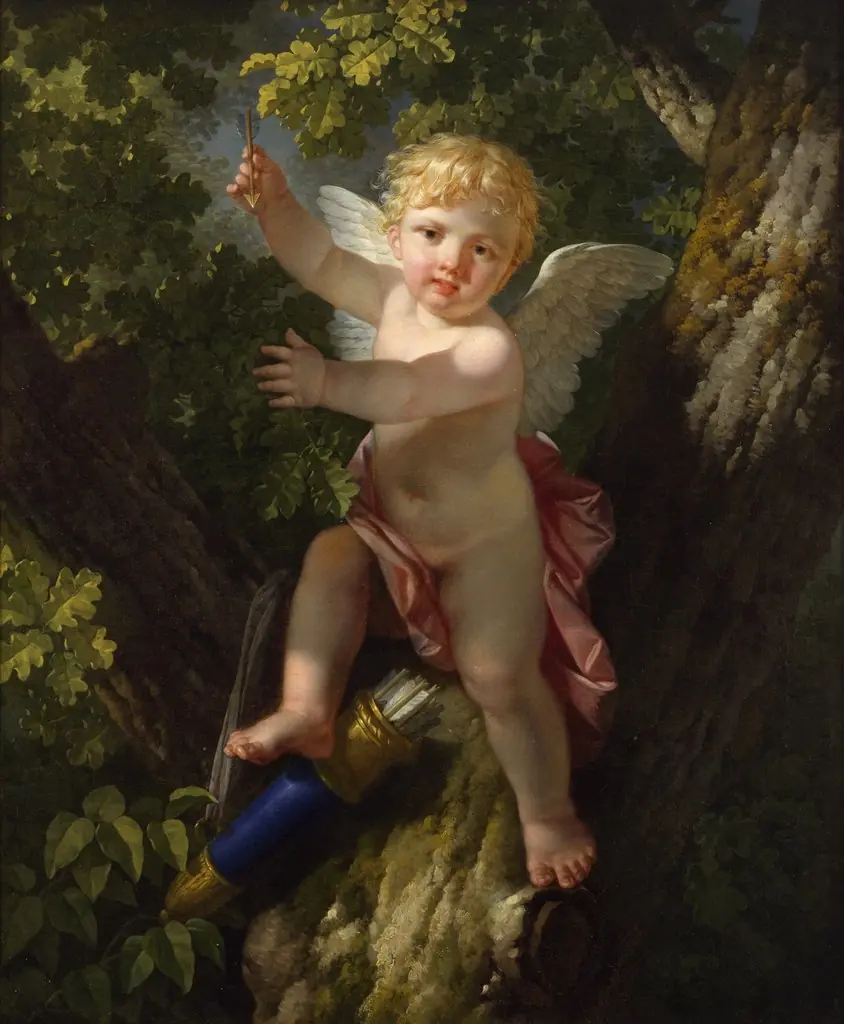
Cupid is an oil painting by the Early Baroque Italian artist Giulio Cesare Procaccini. It dates from 1617 and is held in the collection of the National Galleries Scotland.
About this work
Overview
It reflects the artistic environment shaped by Cardinal Federico Borromeo’s patronage and the collaborative circle including Crespi and Mazzucchelli.
Giulio Cesare Procaccini painted *Cupid* in 1617 using oil on panel, a work from his early Baroque period in Milan. It reflects the artistic environment shaped by Cardinal Federico Borromeo’s patronage and the collaborative circle including Crespi and Mazzucchelli. The painting is now part of the Scottish National Gallery’s collection, where it stands as a compact yet evocative example of Procaccini’s mythological subjects rendered with emotional subtlety.
Subject & Meaning
The figure depicted is Cupid, the Roman god of desire, shown here as a youthful, winged child rather than a fully formed deity. His posture—back turned, reaching upward—suggests longing or pursuit, possibly alluding to the elusive nature of love. The dark, trumpet-like object he reaches for may symbolize the call of passion or the voice of fate, leaving interpretation open without overt narrative clarity.
Technique & Style
Procaccini employs chiaroscuro to model the figure with striking volume, using sharp contrasts between light and shadow to define the child’s pale skin and delicate wings. The light falls from above, illuminating the back and wings while the surrounding dark blue and crimson backdrop recedes, enhancing spatial depth. Brushwork is refined but not overly detailed, favoring atmospheric effect over ornamental precision.
History & Provenance
Created during Procaccini’s active years in Milan under the influence of Borromeo’s cultural initiatives, the painting likely originated in a private or ecclesiastical collection before entering public hands. Its journey to the Scottish National Gallery remains undocumented in public records, but its preservation suggests it was valued for its technical skill and intimate scale.
Context
In early 17th-century Milan, religious and mythological themes coexisted in artistic production, often serving devotional or intellectual purposes. Procaccini’s treatment of Cupid aligns with a broader trend of humanizing classical figures through naturalistic detail and psychological nuance, reflecting the Counter-Reformation’s emphasis on emotional accessibility in art.
Legacy
Though not widely reproduced, *Cupid* exemplifies Procaccini’s ability to infuse myth with quiet intimacy, distinguishing his work from more theatrical Baroque styles. Its restrained composition and focus on light and form influenced later Lombard painters who favored psychological subtlety over grandeur, securing its place as a quiet but significant study in early Baroque sensibility.
Artist & collection
Artist
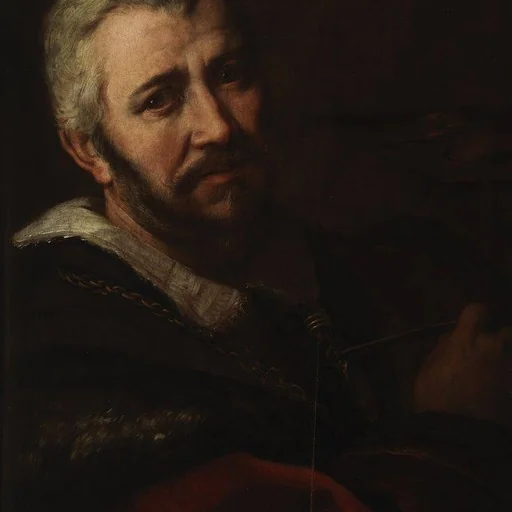
Giulio Cesare Procaccini (30 May 1574 – 14 November 1625) was an Italian painter and sculptor of the early Baroque era in Milan.