Artwork
A bandits' cave
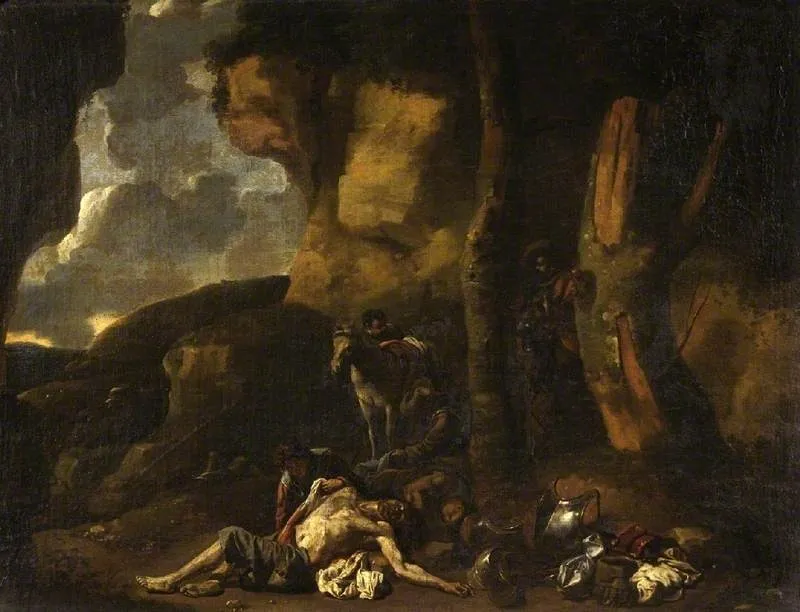
A bandits' cave is an oil painting by the French Classical Baroque artist Sébastien Bourdon. It dates from 1635 and is held in the collection of the Fitzwilliam Museum.
About this work
Overview
Painted in 1635 by French artist Sébastien Bourdon, this oil-on-canvas work depicts a dimly lit cavern inhabited by outlaws. Executed during the early Baroque era in France, the painting reflects Bourdon’s interest in dramatic, atmospheric scenes. It resides today in the Fitzwilliam Museum’s collection, part of a broader body of work that includes religious and genre subjects.
Subject & Meaning
The scene portrays a group of bandits gathered in a rocky grotto, their postures suggesting tension or rest after a raid. No clear narrative is given, but the setting evokes isolation and moral ambiguity. The figures are rendered with rough realism, avoiding idealization, which underscores the painting’s focus on the gritty margins of society rather than heroic or divine themes.
Technique & Style
Bourdon employed chiaroscuro to model forms within the cave’s shadowed interior, using deep browns and muted earth tones to enhance the sense of enclosure. Brushwork is controlled yet expressive, with attention to texture in clothing and stone. The composition directs the eye inward, emphasizing the figures’ psychological presence over external action.
History & Provenance
Created during Bourdon’s early career, the painting predates his later ecclesiastical commissions, such as *The Crucifixion of St. Peter* for Notre Dame. It likely circulated among private collectors in France before entering the Fitzwilliam Museum’s holdings. Its survival into the modern era reflects its appeal as a rare example of French genre painting from the 1630s.
Context
In mid-17th century France, depictions of bandits were uncommon in official art, which favored classical or religious themes. Bourdon’s choice to focus on outlaws aligns with emerging interest in everyday life and moral complexity, influenced by Dutch genre painting and Caravaggisti trends. The work stands apart from the grandeur typical of French court art at the time.
Legacy
Though less celebrated than Bourdon’s religious works, *A bandits’ cave* remains a significant record of his versatility and engagement with secular subjects. It contributes to understanding the breadth of French Baroque painting beyond state-sponsored commissions, offering insight into how artists explored marginal figures and shadowed environments during a period of artistic transition.
Artist & collection
Artist
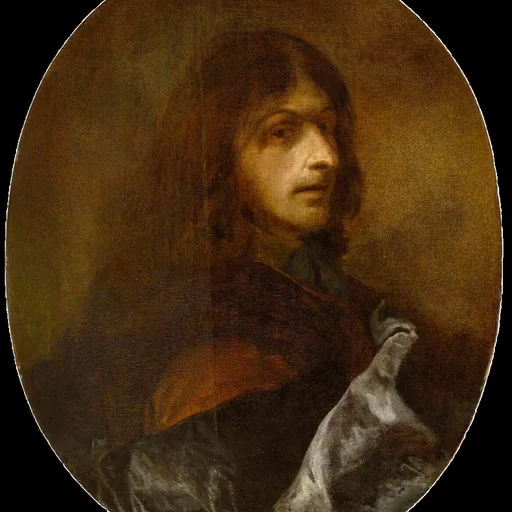
Sébastien Bourdon (French pronunciation: ; 2 February 1616 – 8 May 1671) was a French painter and engraver. His chef d'œuvre is The Crucifixion of St. Peter made for the cathedral of Notre Dame.

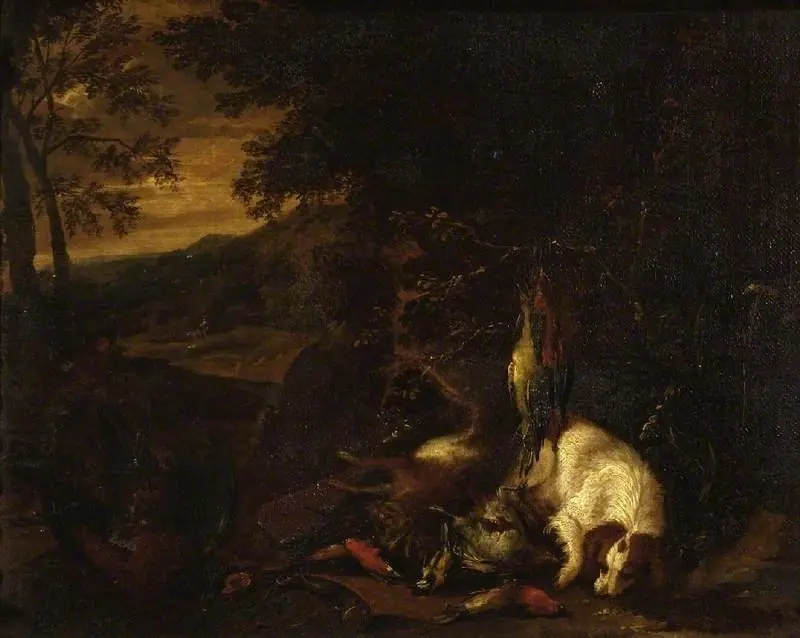 Spaniel and dead game in a landscape
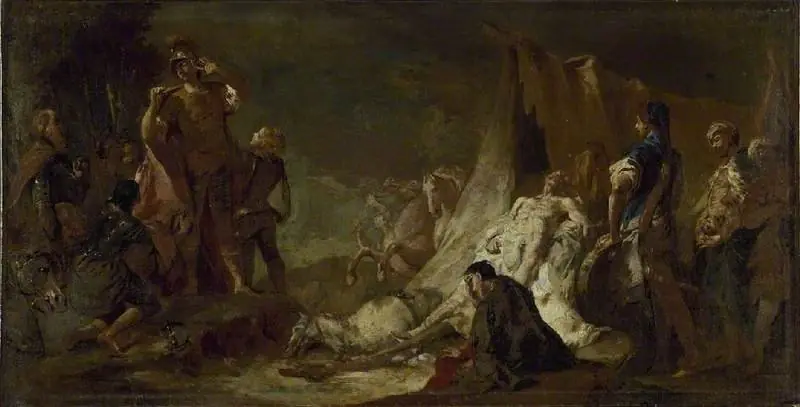 The death of Darius
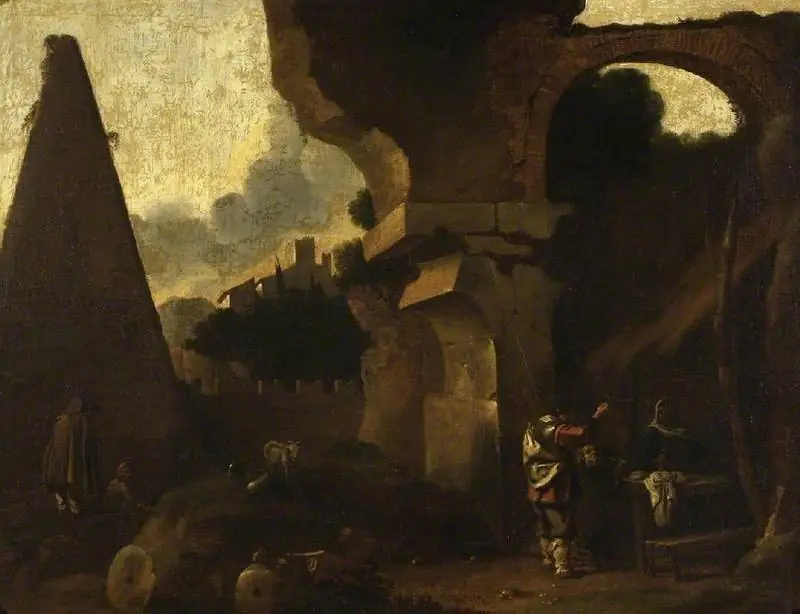 Classical ruins with figures
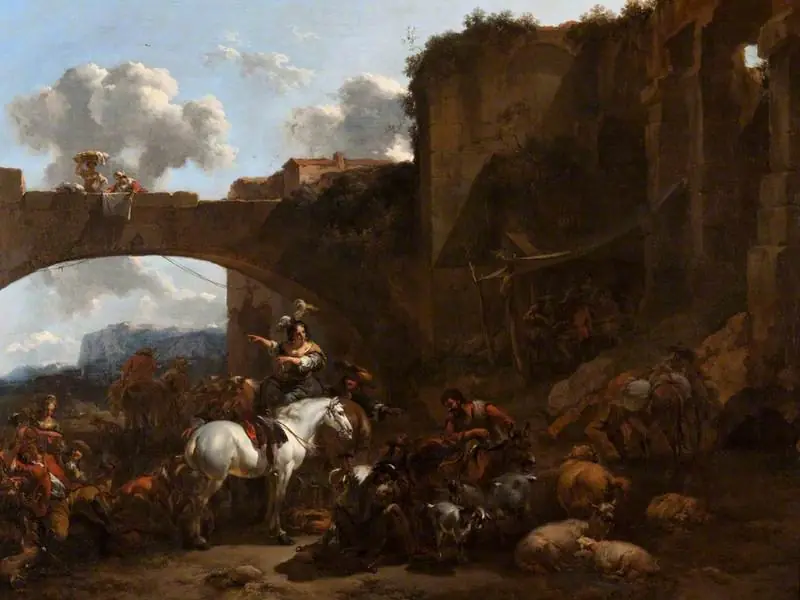 A Country Gathering by a Bridge
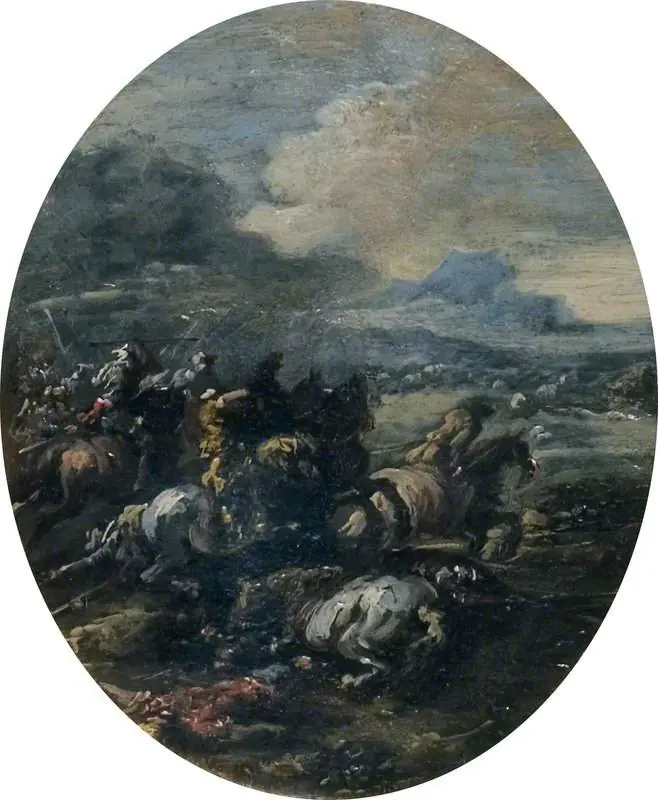 Cavalry Engagements
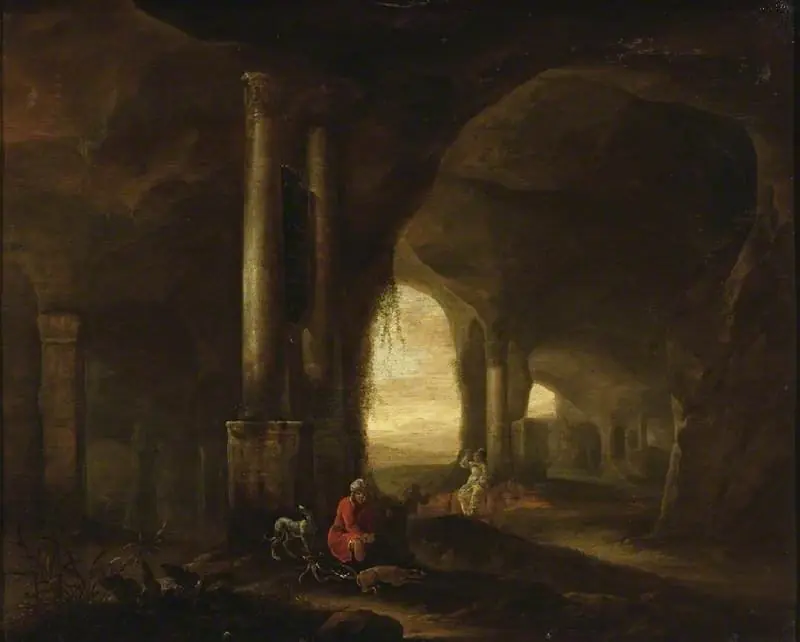 Grotto with figures
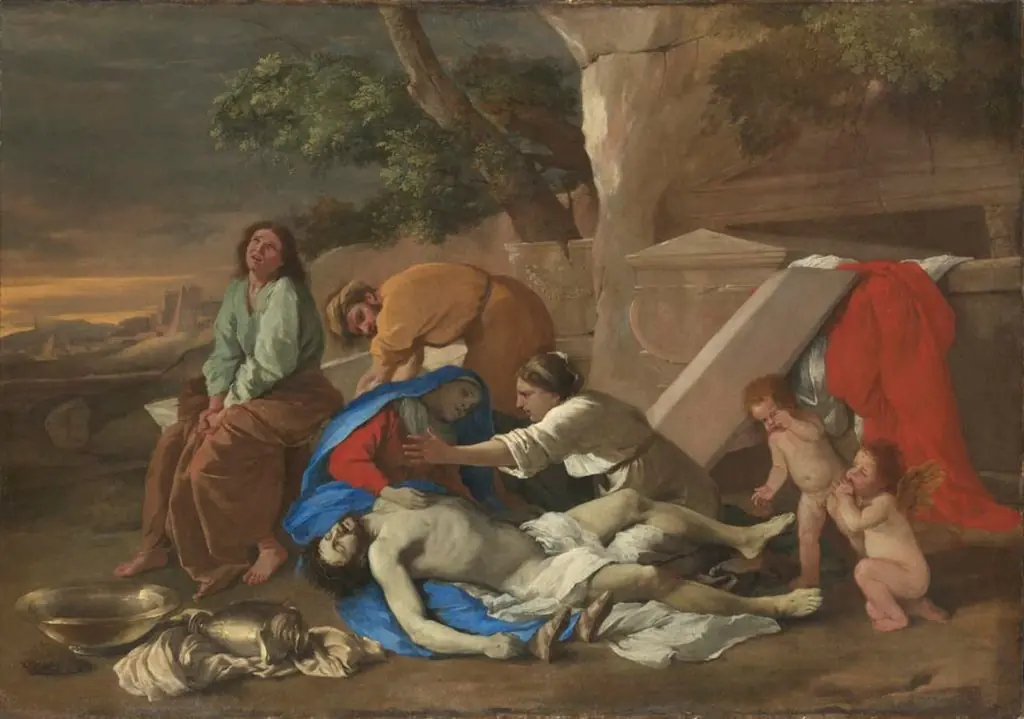 Lamentation over the Body of Christ
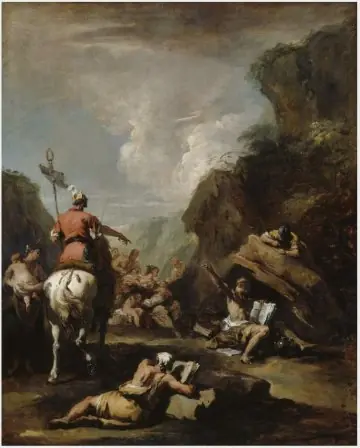 King Hieron II of Syracuse Calls on Archimedes to Fortify the City
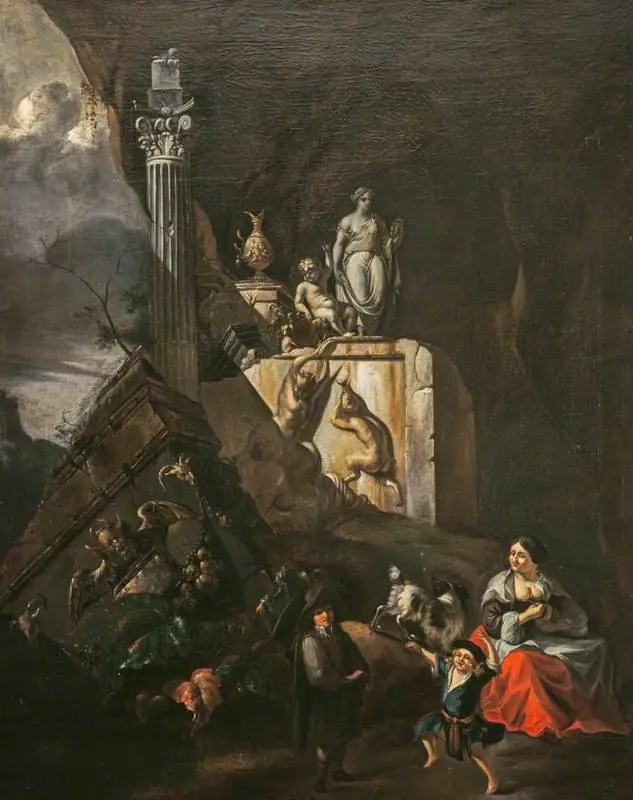 A Ruined Altar and Figures
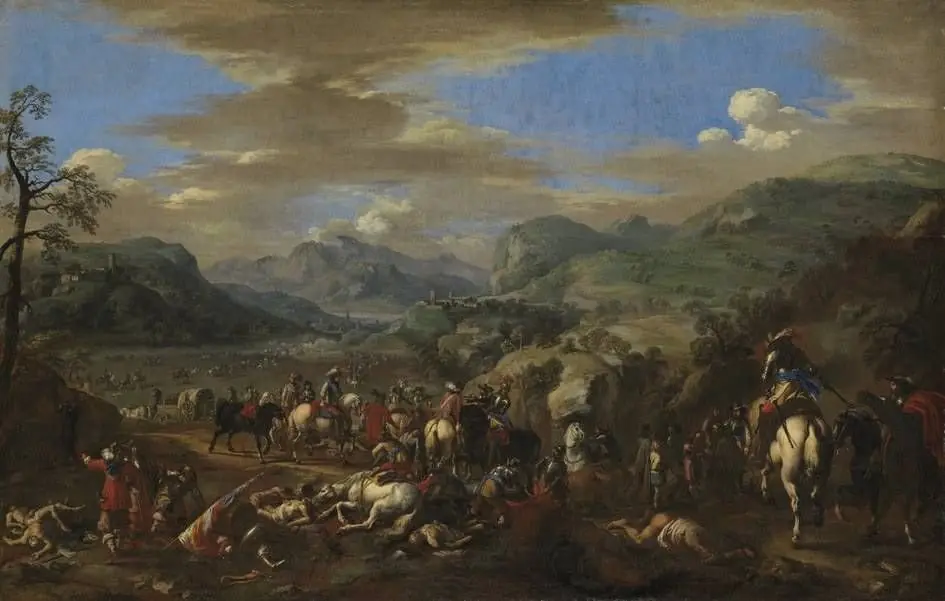 Abzug der Reiterei (angeblich)
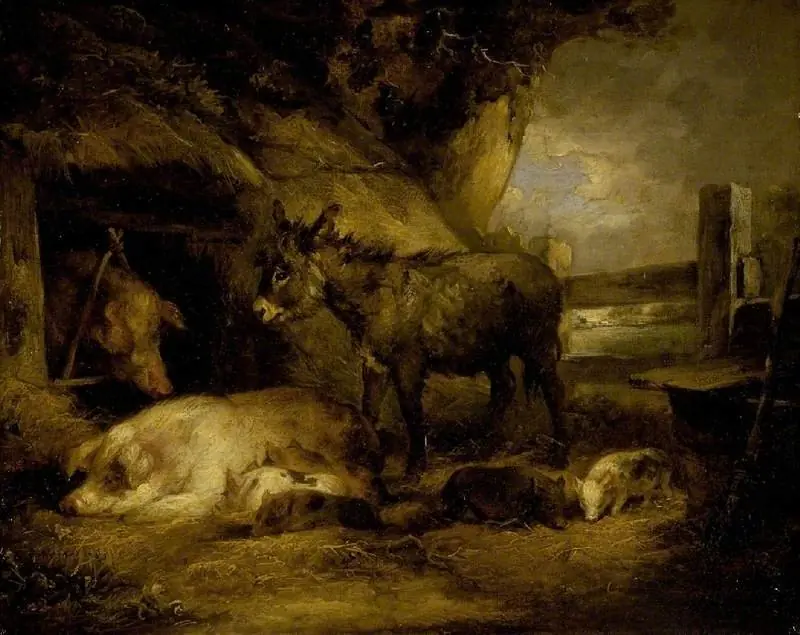 Donkey and pigs
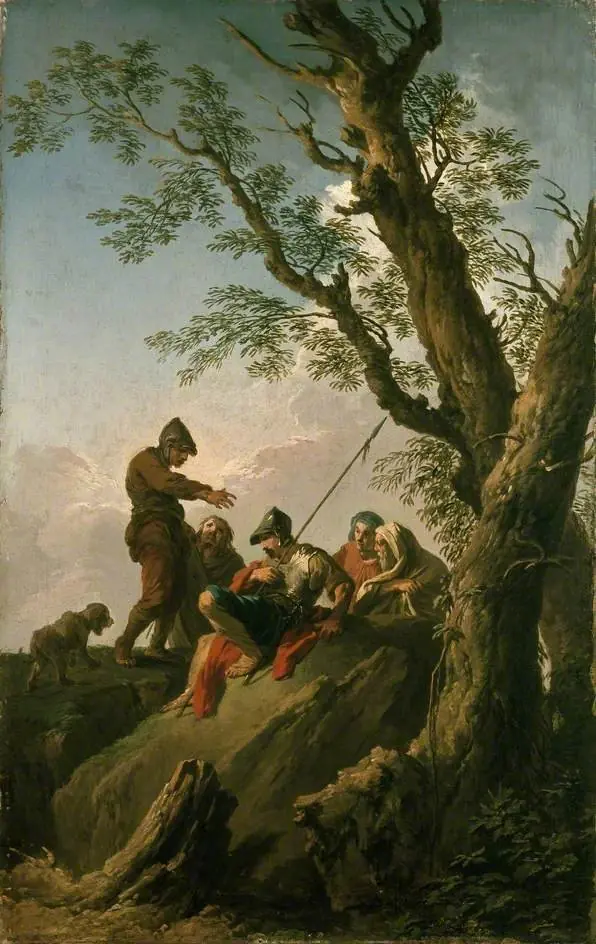 Landscape with Bandits and a Dog