Artwork
Bacchanalia
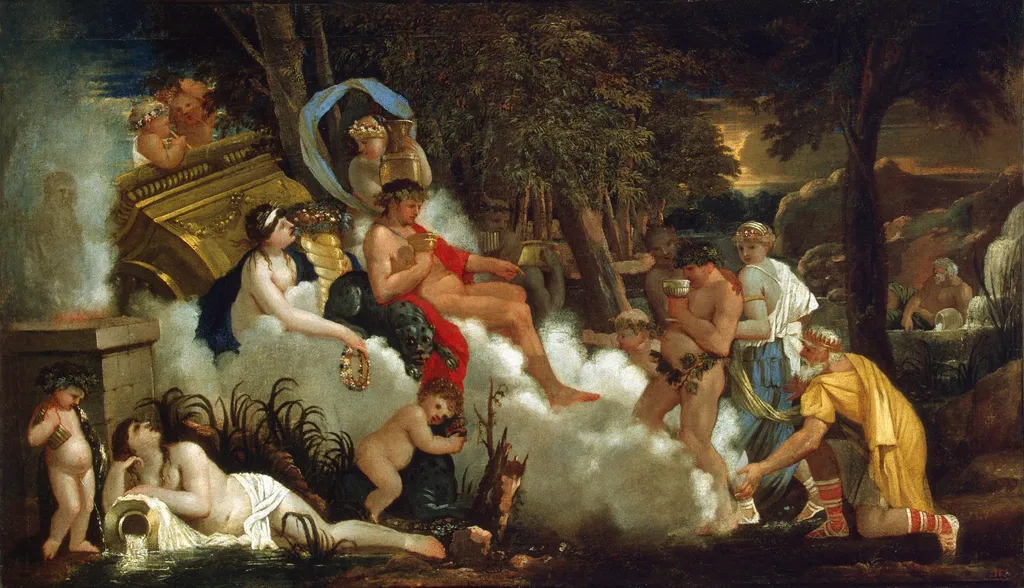
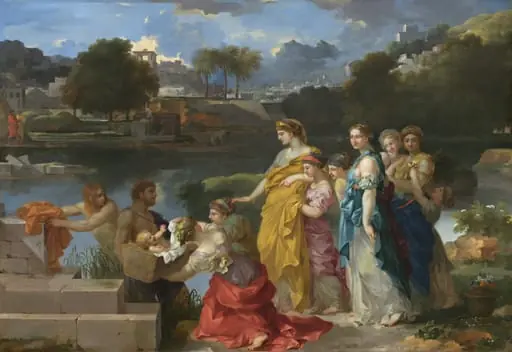
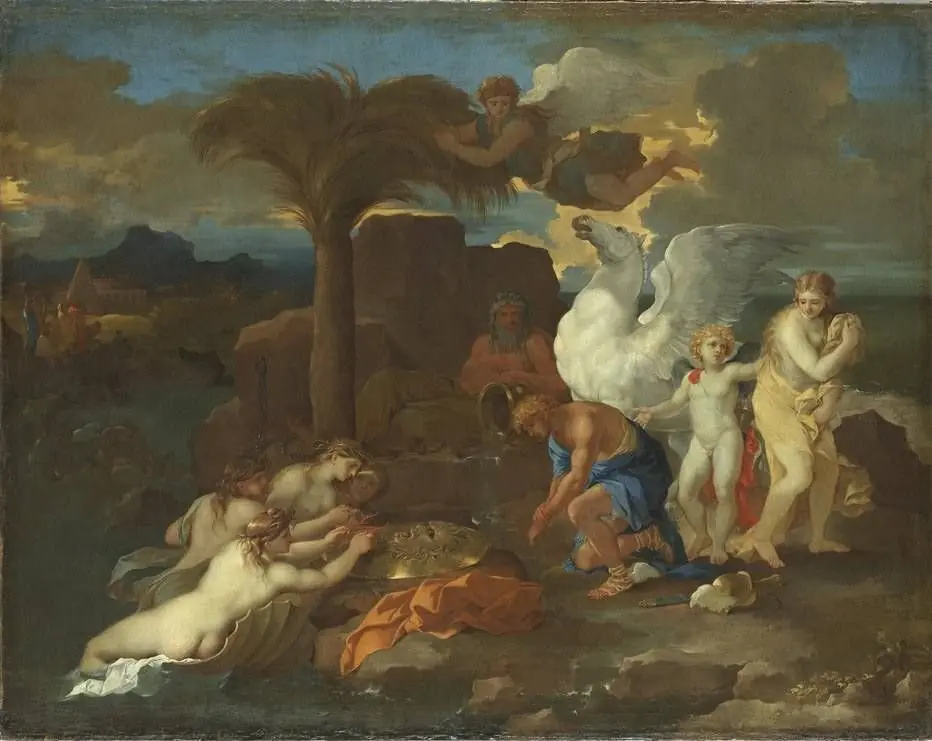
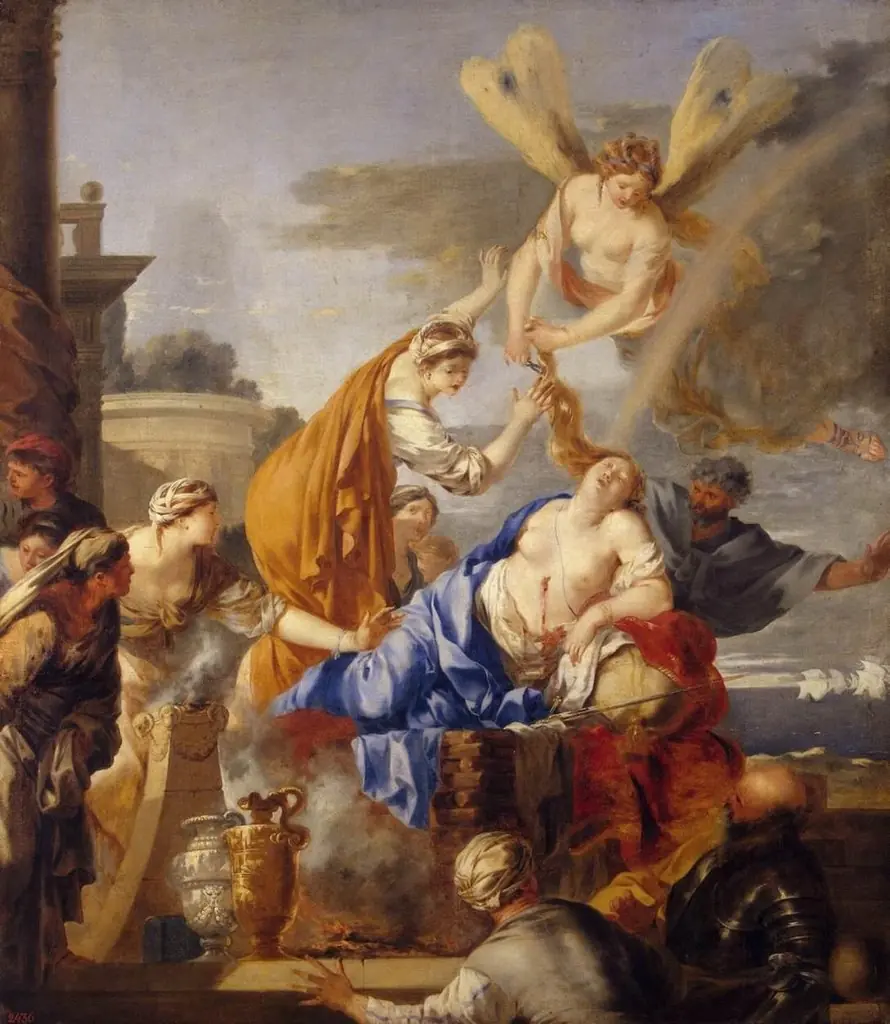
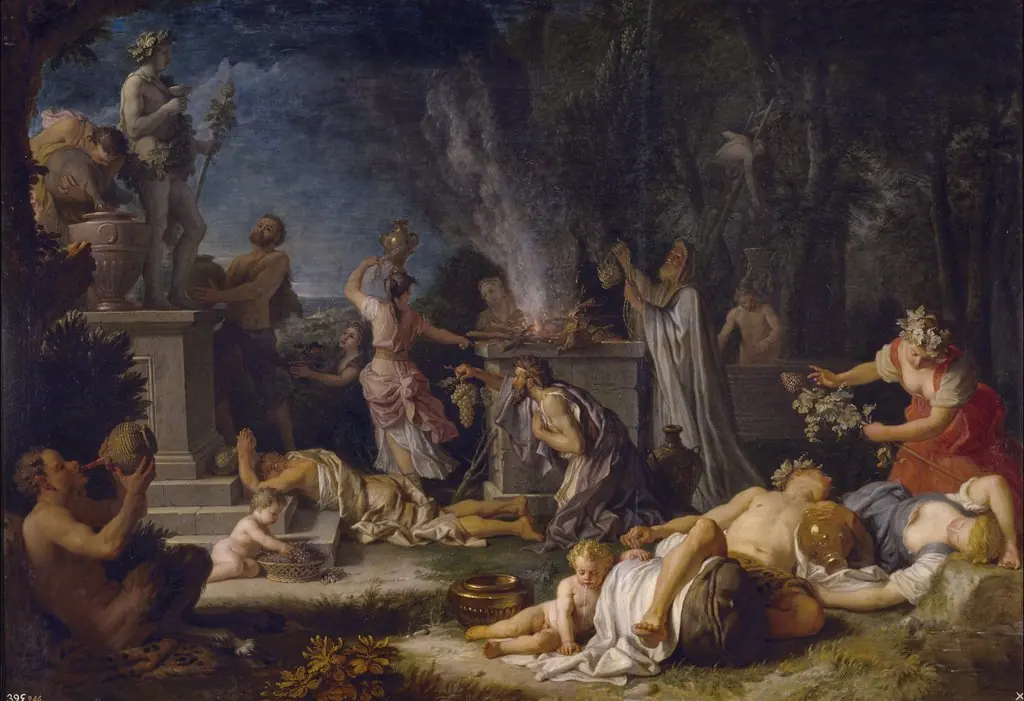
Bacchanalia is an oil painting by the French Classical Baroque artist Sébastien Bourdon. It dates from 1650 and is held in the collection of the Hermitage Museum.
About this work
Overview
Bacchanalia is a 17th-century oil painting created by French artist Sébastien Bourdon around 1650, associated with the French Classical Baroque movement. The work depicts a lively mythological scene of revelry and intoxication.
Subject & Meaning
The painting illustrates a Bacchanalia, a classical theme of festive abandon, characterized by a crowd of figures in various states of dress and undress, amidst symbols of indulgence, such as a central figure in a red robe holding a cup.
Technique & Style
Bourdon employs chiaroscuro, with pronounced contrasts between light and dark, to create depth and volume. The interplay of bright illumination on select figures and shadowy backgrounds (including trees and a monumental structure) enhances the scene's dynamism.
History & Provenance
Bacchanalia is part of the collection at the State Hermitage Museum. Sébastien Bourdon, known for religious works like *The Crucifixion of St. Peter* for Notre Dame, also explored classical themes in his oeuvre.
Context
As a product of the French Classical Baroque, *Bacchanalia* reflects the period's interest in interpreting classical mythology through dramatic and emotionally charged scenes, balancing classical restraint with Baroque expressiveness.
Legacy
While *Bacchanalia* showcases Bourdon's contribution to the French Classical Baroque, its impact is contextual within Bourdon's broader religious and mythological works, appealing to those interested in 17th-century French artistic interpretations of classical themes.
Artist & collection
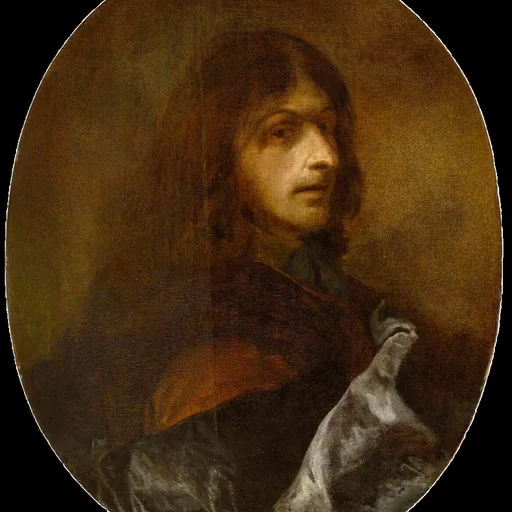
Artist
Sébastien Bourdon (French pronunciation: ; 2 February 1616 – 8 May 1671) was a French painter and engraver. His chef d'œuvre is The Crucifixion of St. Peter made for the cathedral of Notre Dame.