Artwork
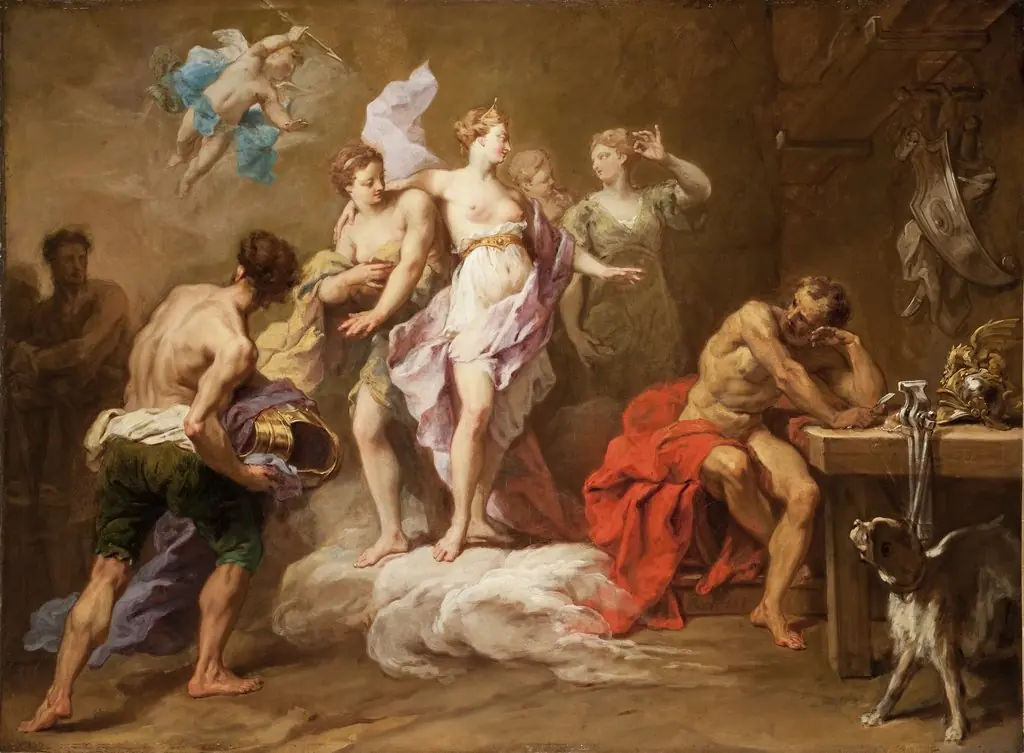
Venus and Aeneas
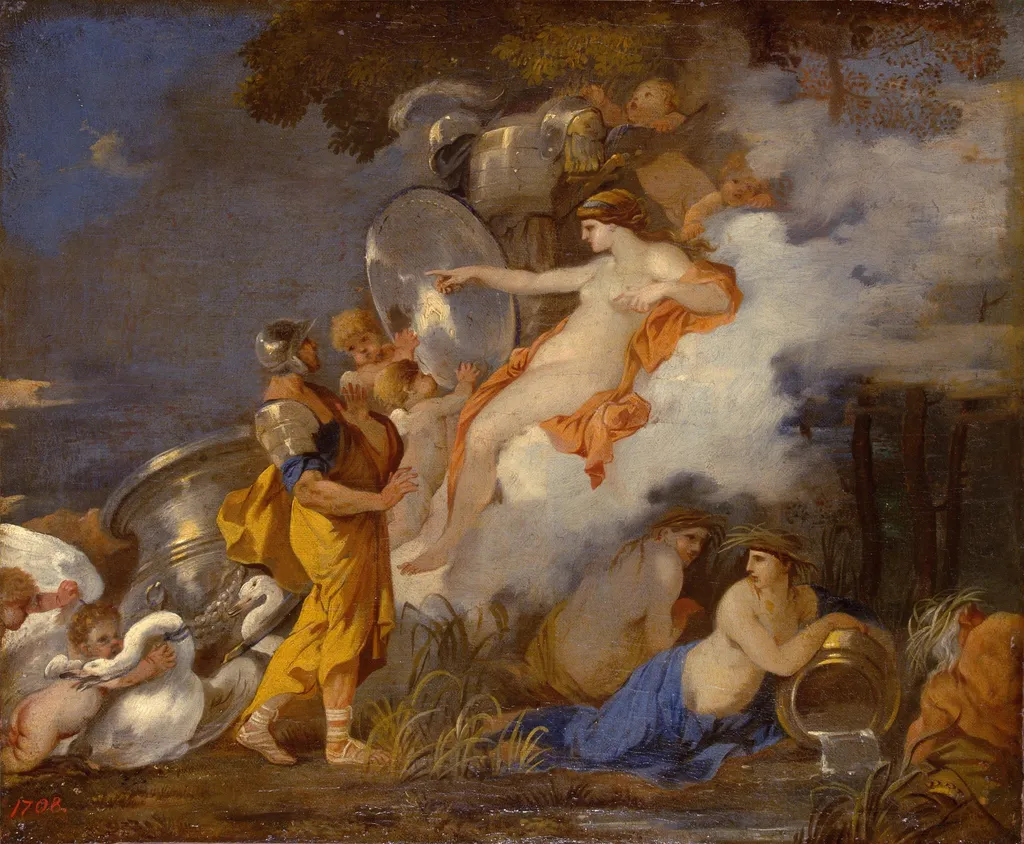
Venus and Aeneas is an oil painting by Sébastien Bourdon. It dates from 1660 and is held in the collection of the Hermitage Museum.
About this work
Overview
Sébastien Bourdon's 1660 oil painting, Venus and Aeneas, is a representation of a mythological scene, characteristic of the artist's diverse output, which includes historical and religious subjects.
Subject & Meaning
The painting depicts Venus, the Roman goddess of love, and Aeneas, a Trojan hero, in a classical narrative. Venus is shown pointing to the right, while Aeneas, dressed in armor, faces her. A reclining woman and cherubs with swans accompany the central figures, set against a landscape background.
Technique & Style
The work showcases Bourdon's skill in oil painting, with detailed renderings of figures and textures. Venus is depicted nude, with drapery, while Aeneas wears a yellow robe and silver armor, exemplifying the artist's ability to convey complex compositions and mythological themes in a classical style.
History & Provenance
Venus and Aeneas is part of the State Hermitage Museum's collection, reflecting its significance within Bourdon's oeuvre and the broader context of 17th-century French art.
Own this work as a print
Artist & collection
Artist
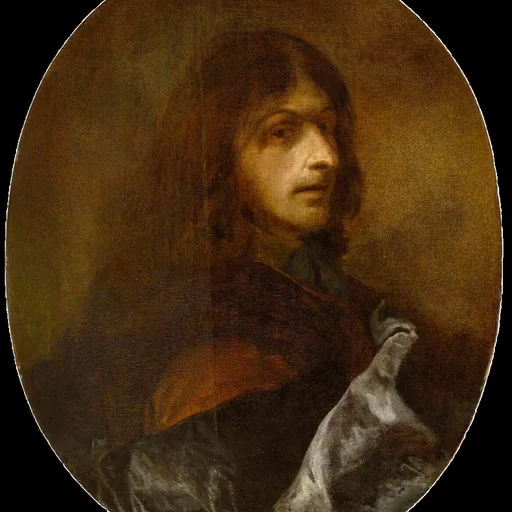
Sébastien Bourdon (French pronunciation: ; 2 February 1616 – 8 May 1671) was a French painter and engraver. His chef d'œuvre is The Crucifixion of St. Peter made for the cathedral of Notre Dame.

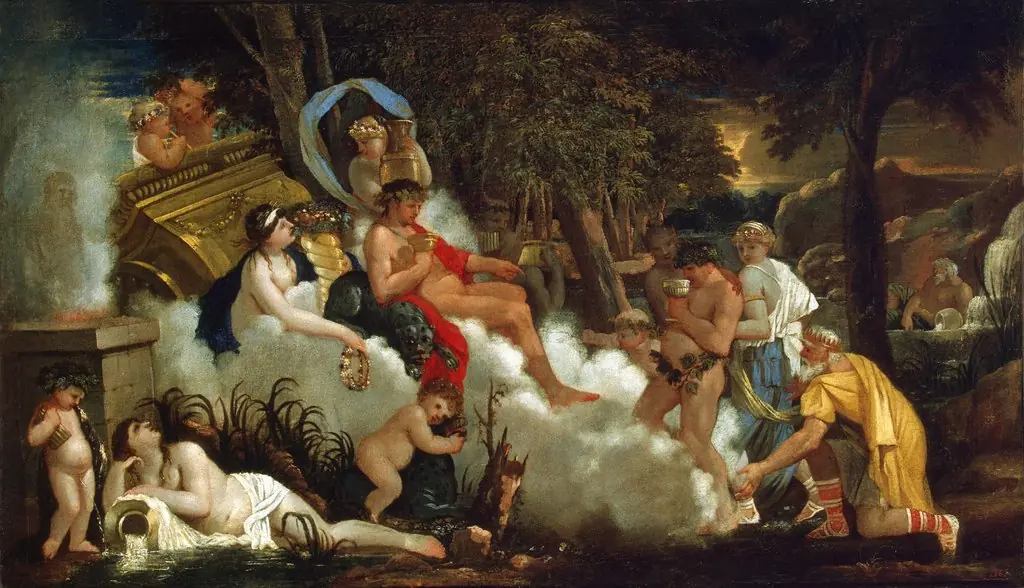 Bacchanalia
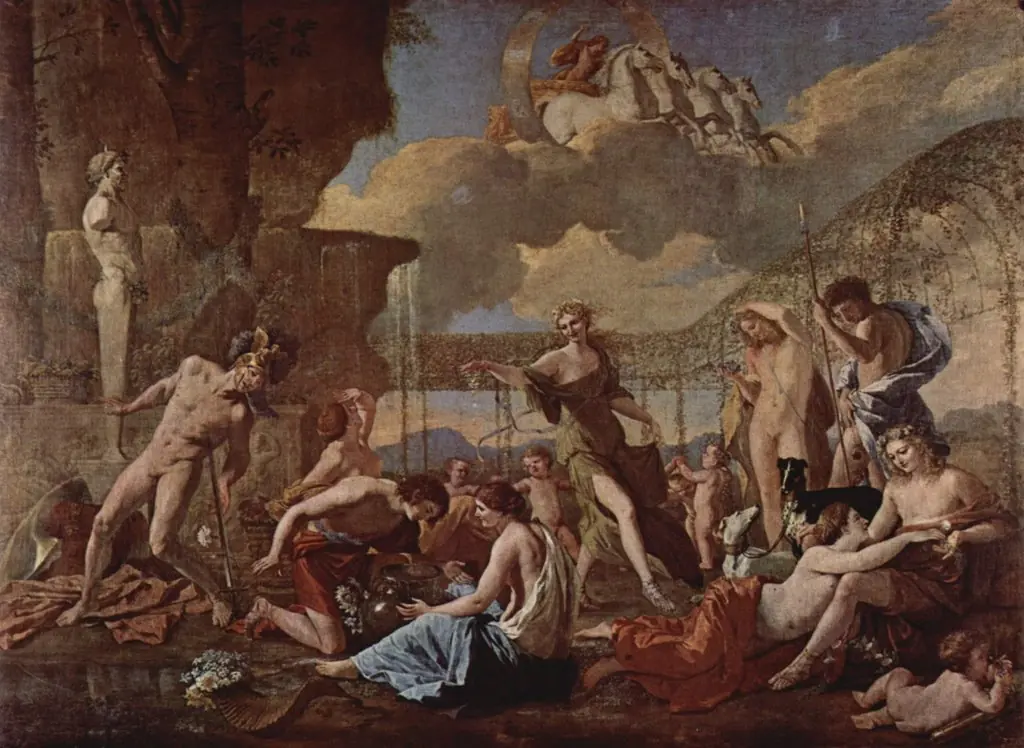 The Empire of Flora
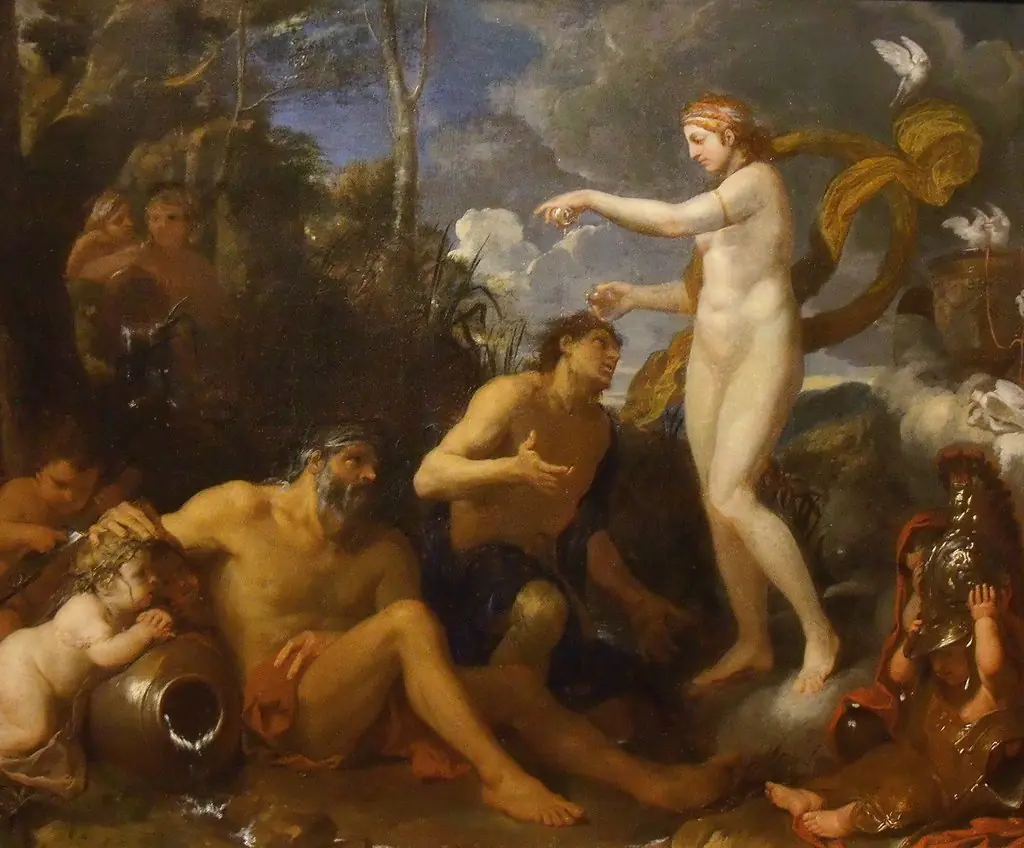 The deification of Aeneas
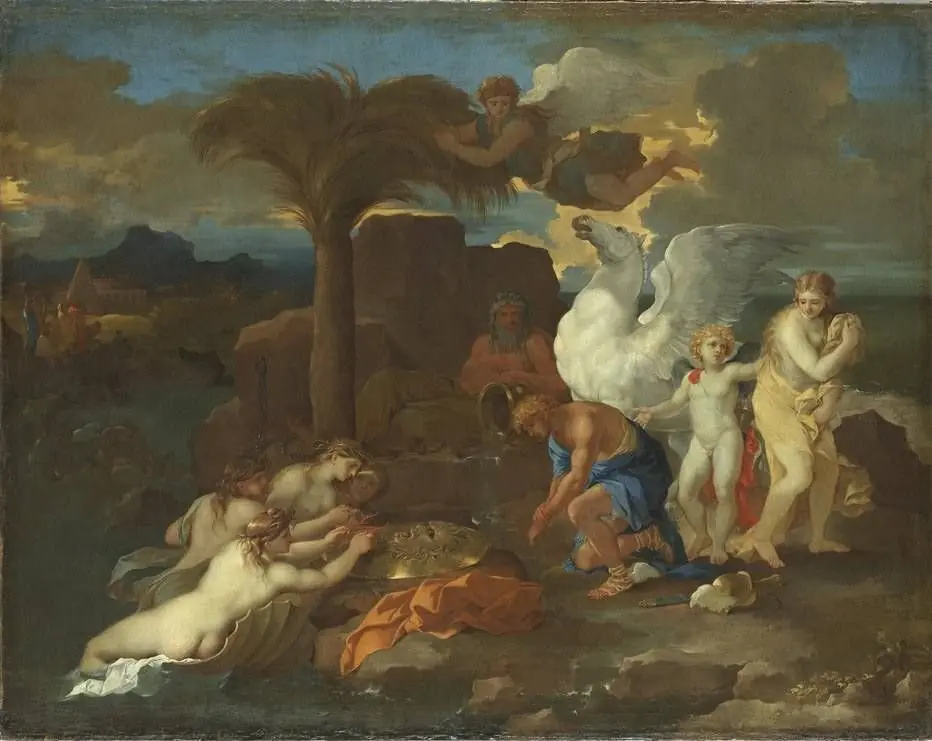
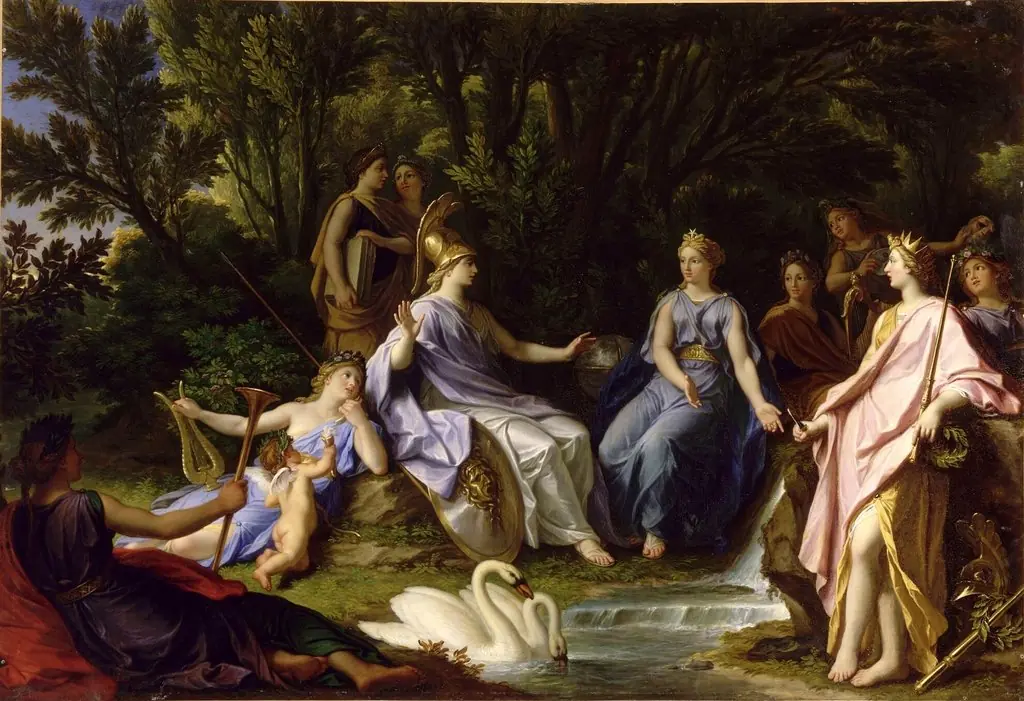 Story of Minerva - The Muses Showing Minerva Hippocrene Waters of the River that Brings Out Pegasus
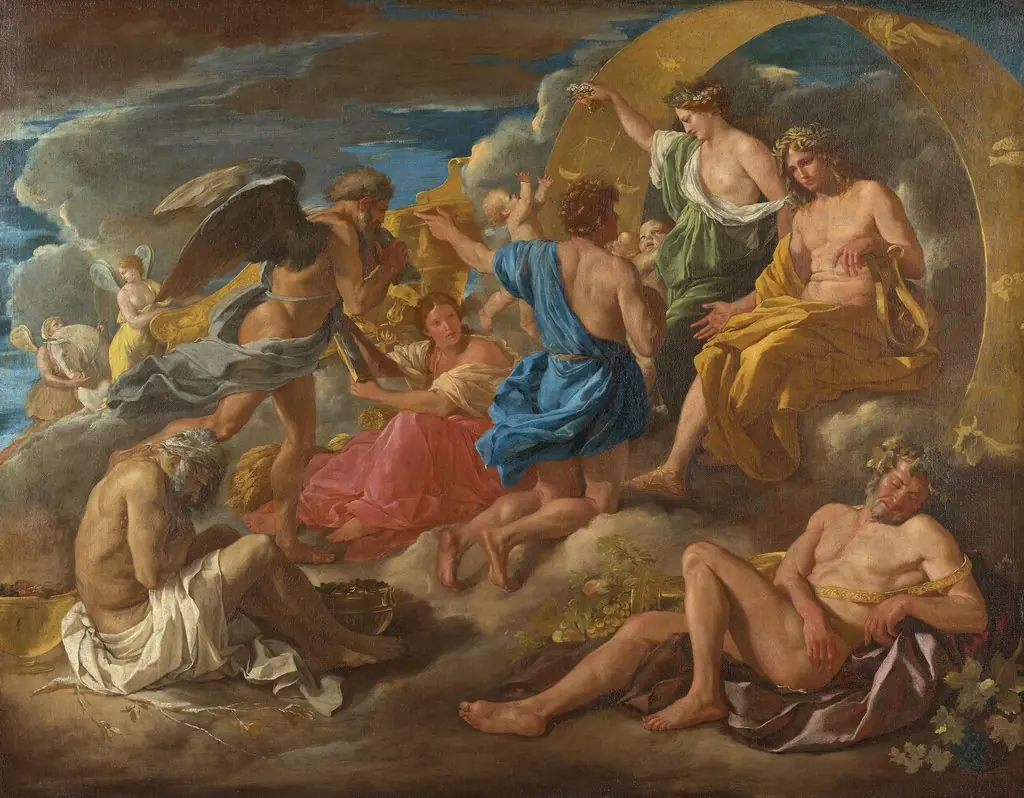 Helios and Phaeton with Saturn and the Four Seasons
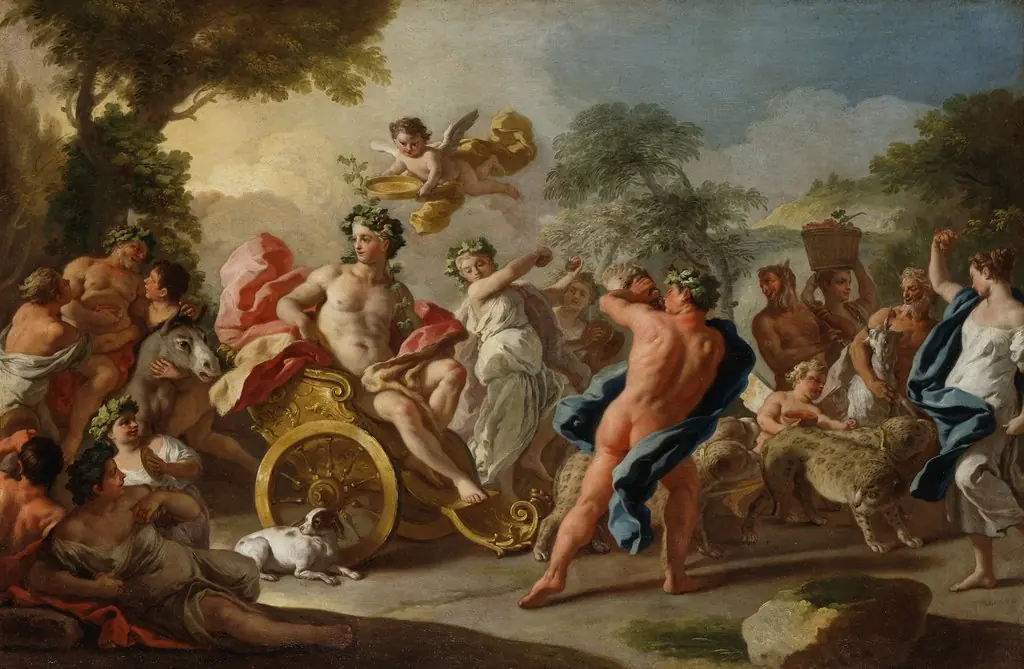 Der Zug des Bacchus
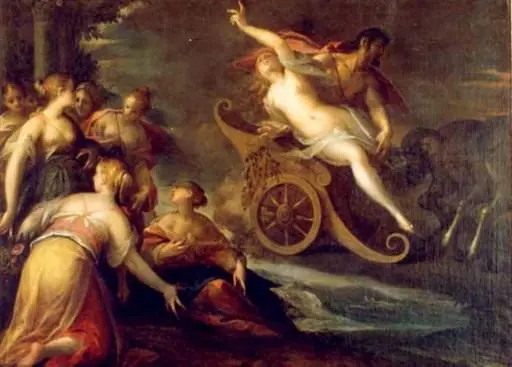 Răpirea Proserpinei
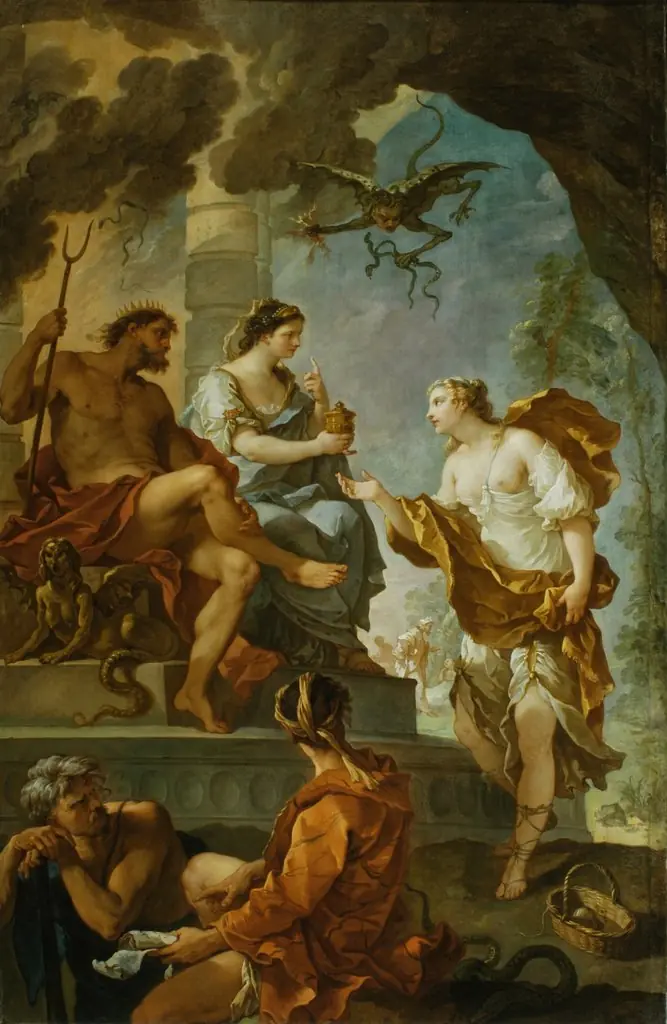 Psyche Obtaining the Elixir of Beauty from Proserpine
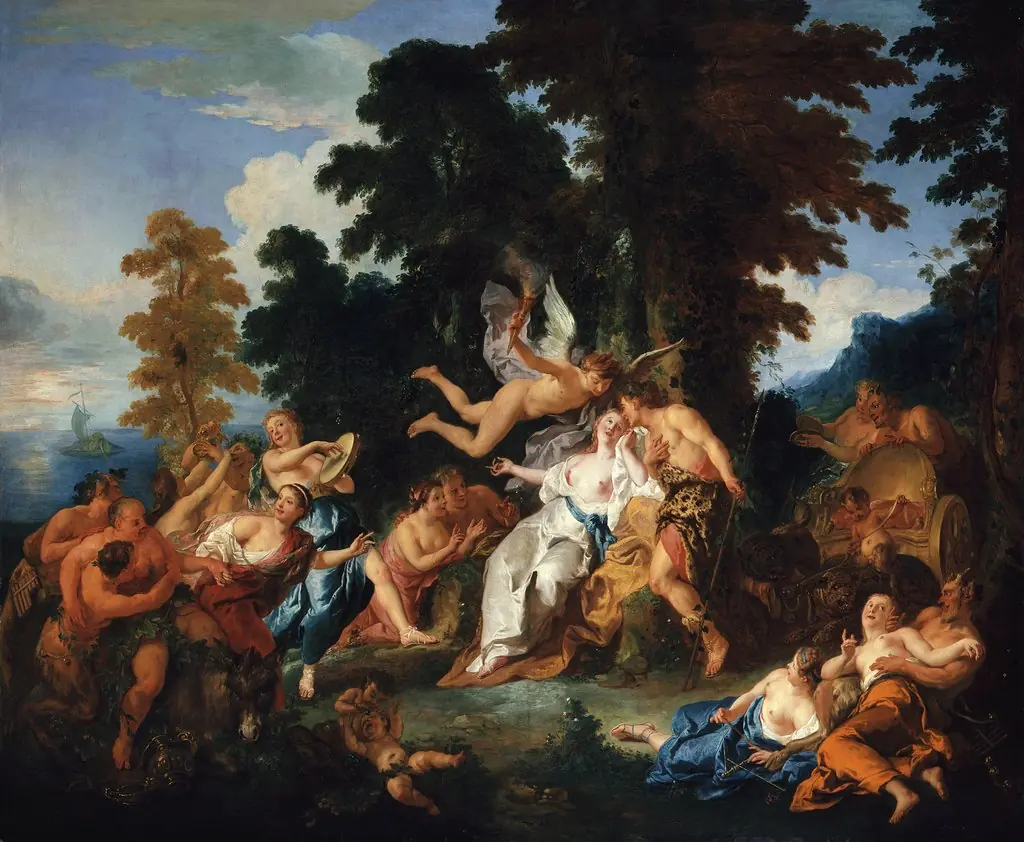 Bacchus and Ariadne
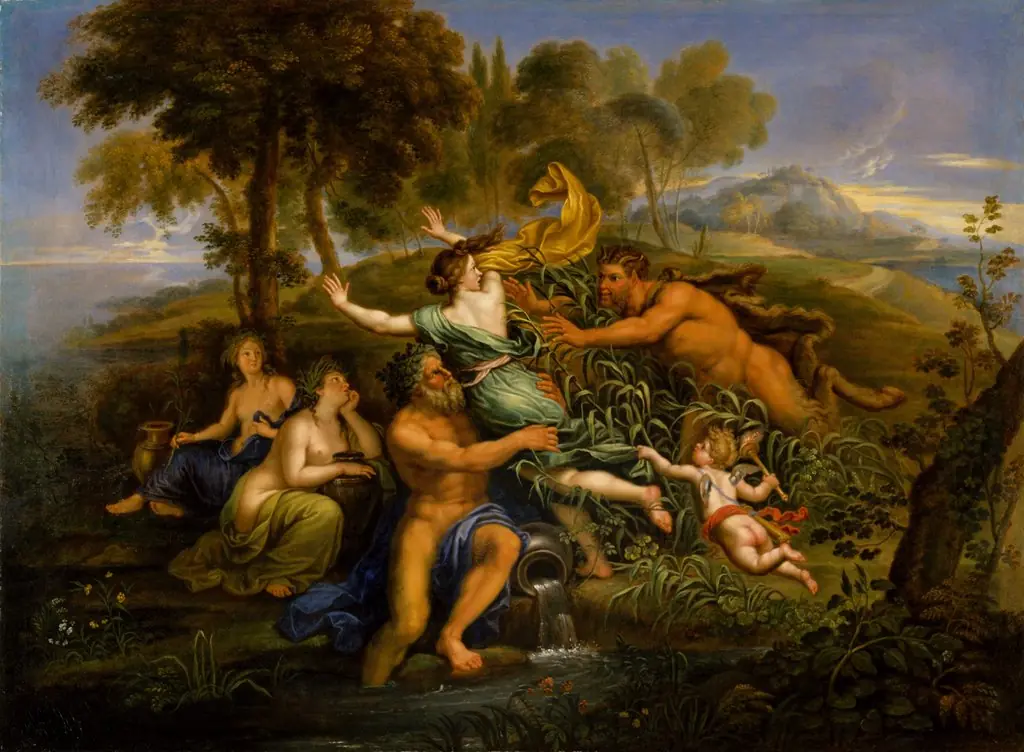 Pan and Syrinx
 Venus Ordering Arms from Vulcan for Aeneas