Artwork
Capitulation of Ascalon on 19 August 1153
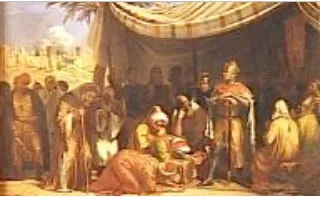
Capitulation of Ascalon on 19 August 1153 is an oil painting by Sébastien-Melchior Cornu. It dates from 1840 and is held in the collection of the Palace of Versailles. Created in 1840 by French painter Sébastien‑Melchior Cornu, this oil on canvas presents a historic scene from the Crusades.
About this work
Overview
Created in 1840 by French painter Sébastien‑Melchior Cornu, this oil on canvas presents a historic scene from the Crusades. The composition centers on a tent where a formal surrender is being negotiated, while the fortified city of Ascalon looms in the distance. The work belongs to the collection of the Palace of Versailles and exemplifies 19th‑century French interest in medieval episodes.
Subject & Meaning
The surrounding attendants, robed and veiled, emphasize the ceremonial nature of the surrender and the diplomatic resolution of conflict.
The painting records the capitulation of Ascalon on 19 August 1153, after a prolonged siege. Within the tent, a dignitary in a red robe presides over the proceedings, while a kneeling figure in white headgear offers tribute, symbolizing the transfer of authority. The surrounding attendants, robed and veiled, emphasize the ceremonial nature of the surrender and the diplomatic resolution of conflict.
Technique & Style
Cornu employs a smooth, academic brushwork typical of history painting, rendering fabrics and architectural details with clarity. The open side of the tent creates a shallow depth, allowing the city and distant palm trees to serve as a muted backdrop. Light falls on the central figures, highlighting their gestures and attire, while the surrounding crowd is modeled in softer tones to maintain focus on the negotiation.
History & Provenance
Executed during the Romantic revival of medieval subjects, the canvas entered the royal collection shortly after its completion and has remained at the Palace of Versailles. Its placement within the palace’s galleries reflects the 19th‑century French desire to link contemporary national identity with historic episodes of chivalry and diplomacy.
Context
The surrender of Ascalon marked a pivotal moment in the Crusader states, ending a long siege that had strained both Muslim and Frankish forces. By the mid‑1800s, European artists frequently revisited such events to explore themes of honor, sacrifice, and the complexities of cross‑cultural encounters, aligning with broader Romantic fascination with the medieval past.
Artist & collection
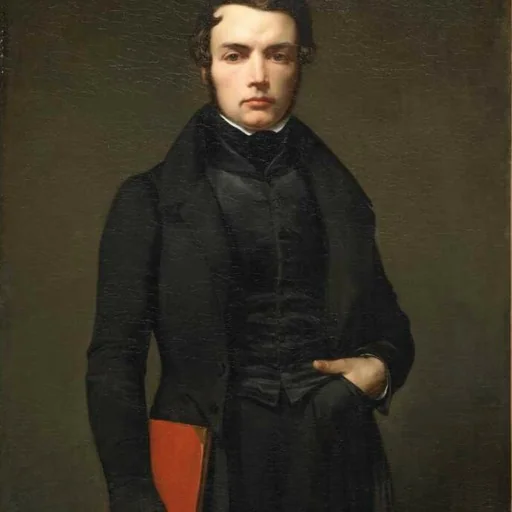
Artist
Sébastien-Melchior Cornu (6 January 1804 – 23 October 1870) was a French painter, specializing in religious works and portraits.

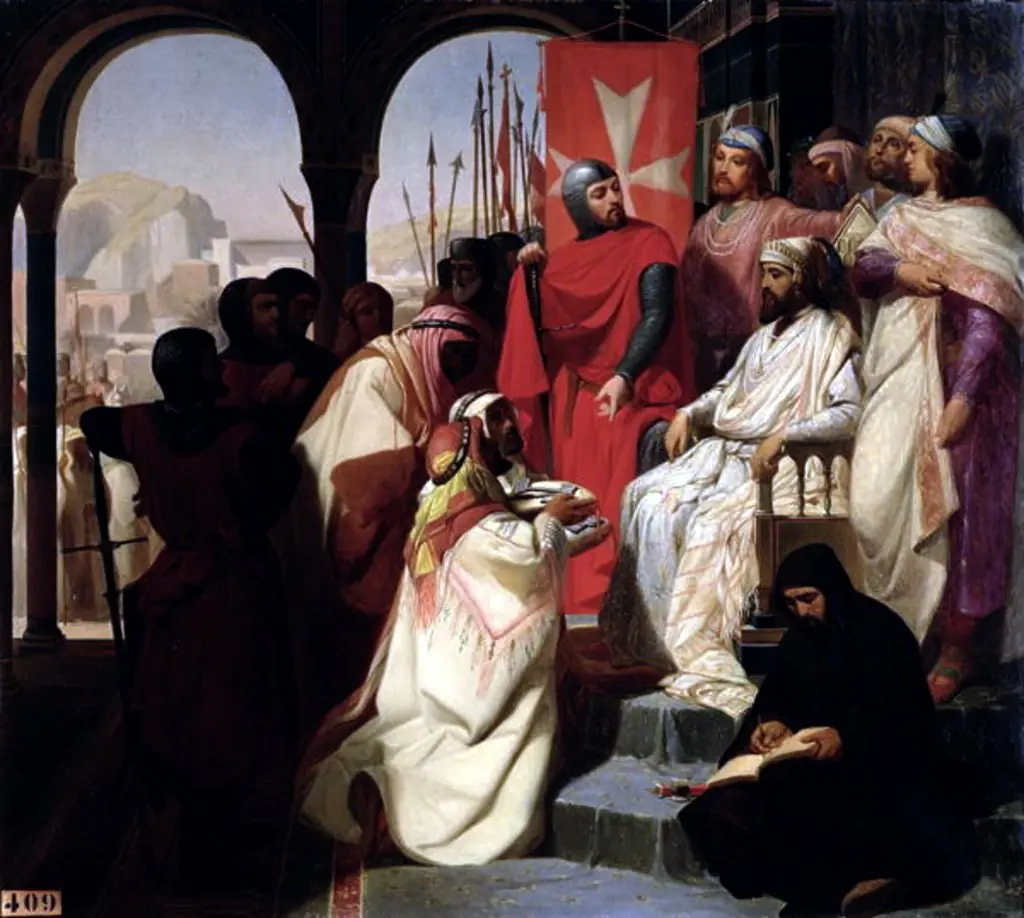 Knights of the Order of St. John of Jerusalem Restoring Religion in Armenia in 1347
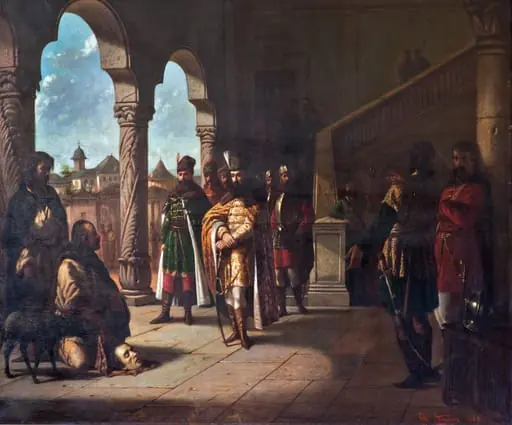 Mihai Viteazul contemplând capul lui Andrei Bathory
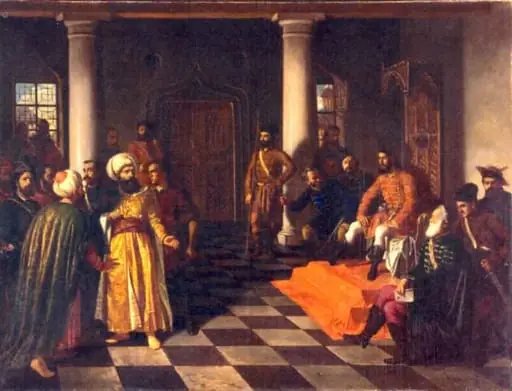 Vlad Țepeș și solii turci
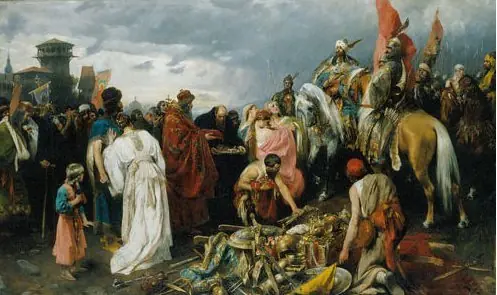 Hungarians at Kiev
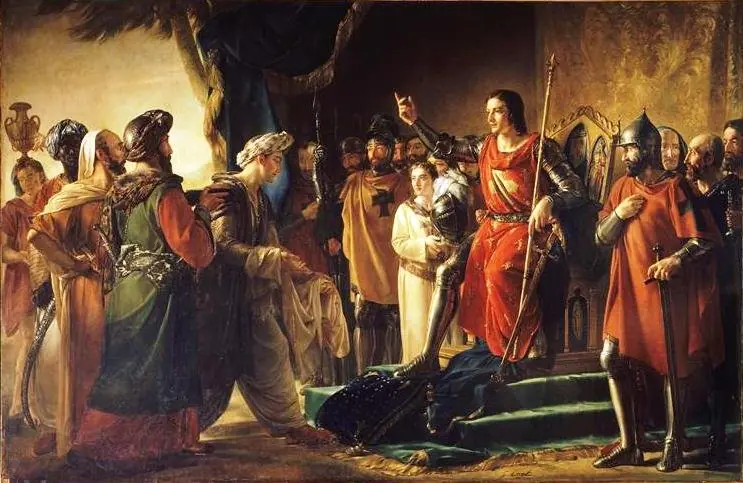 Saint Louis recoit à Ptolemais les envoyes du Vieux de la Montagne, 1251
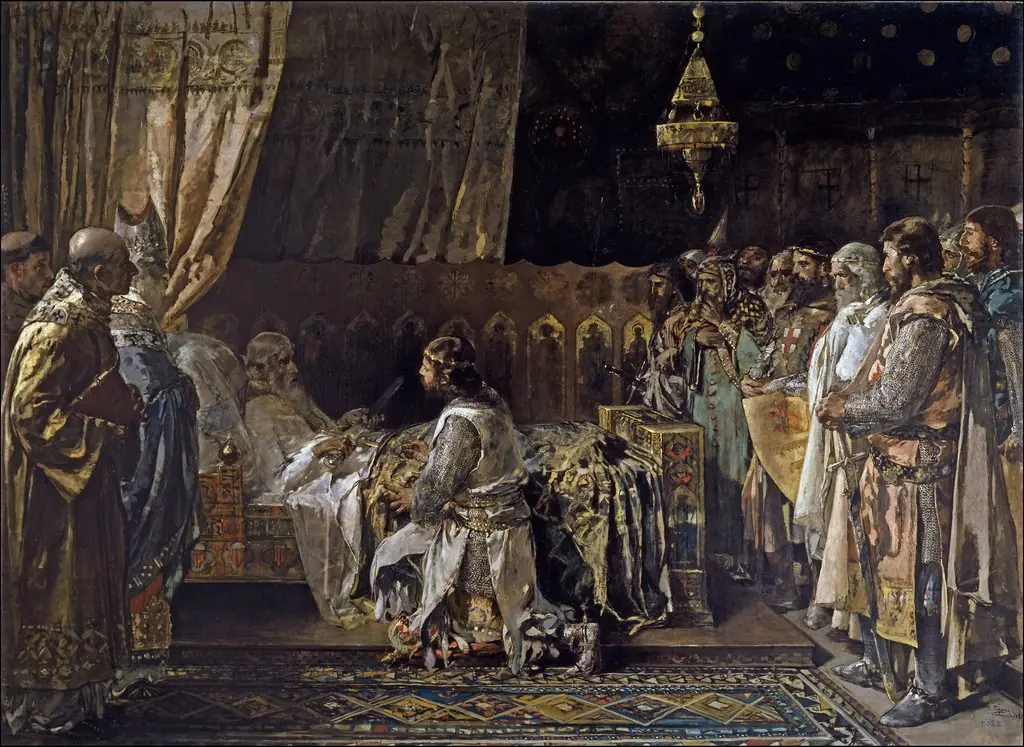 In his final moments, King Jaime el Conquistador gives his sword to his son, Pedro
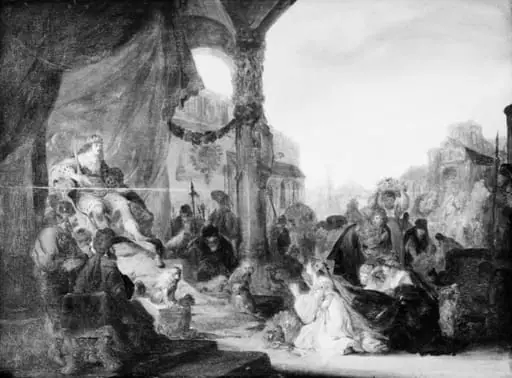 The Queen of Sheba's Visit to Solomon
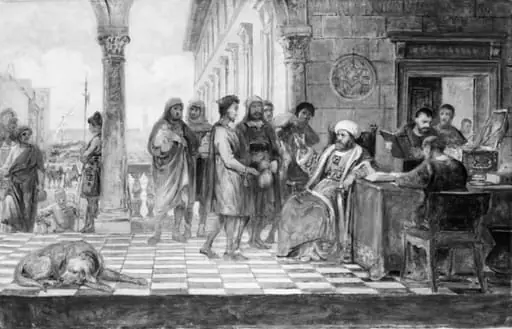 Lignelsen om de betroede pund
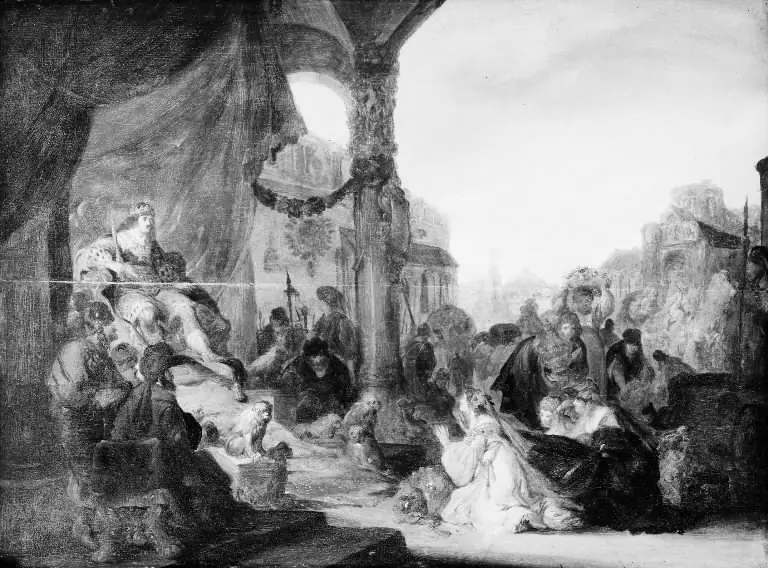 The Queen of Sheba's Visit to Solomon
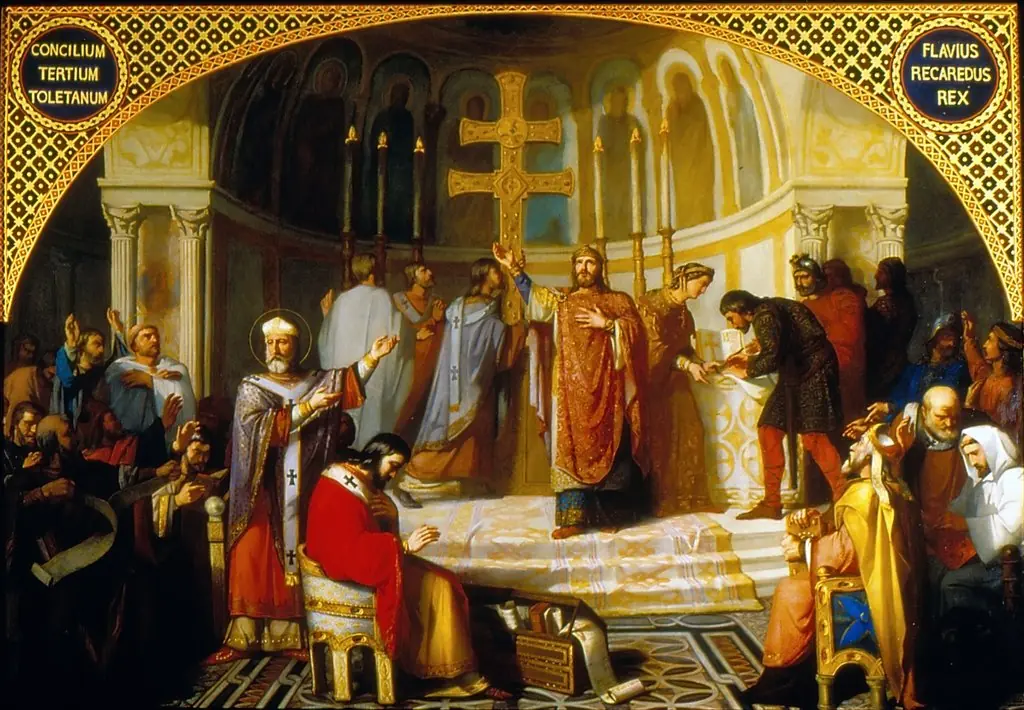 Concilio III de Toledo