Artwork
Concilio III de Toledo
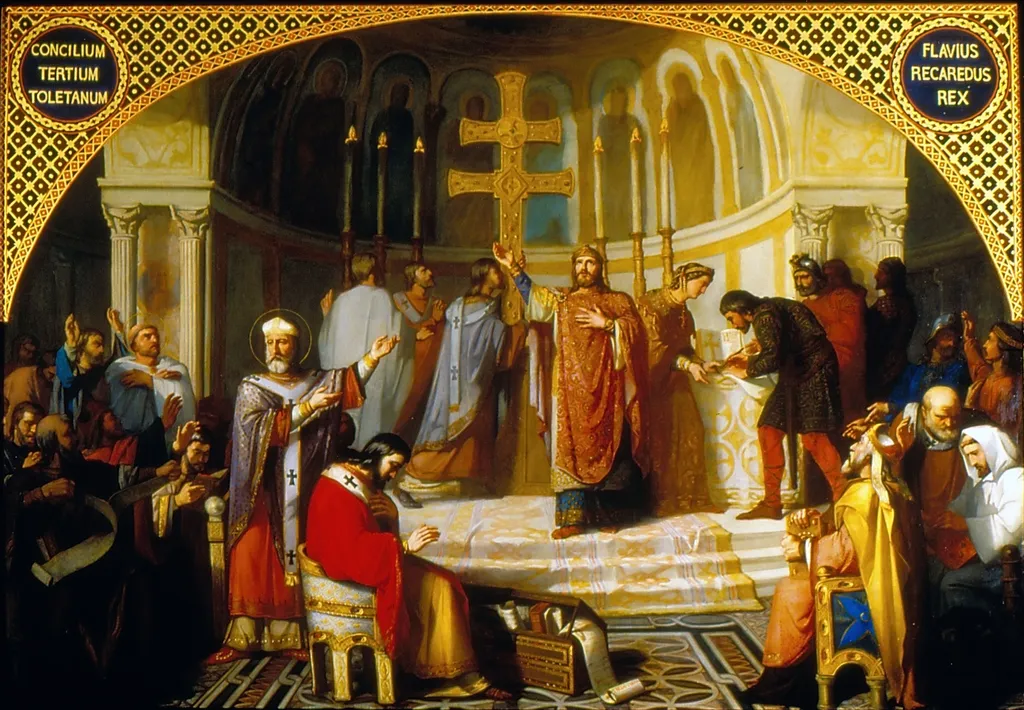
Concilio III de Toledo is an oil painting by the Realist artist José Martí y Monsó. It dates from 1862 and is held in the collection of the Museo del Prado.
About this work
Overview
José Martí y Monsó painted *Concilio III de Toledo* in 1862 using oil on canvas.
José Martí y Monsó painted *Concilio III de Toledo* in 1862 using oil on canvas. A Spanish artist and scholar with deep interest in regional religious traditions, he produced this work during a period of renewed historical interest in Spain’s ecclesiastical past. The painting is part of the Museo del Prado’s collection and reflects his commitment to documenting Spain’s medieval religious ceremonies with scholarly precision.
Subject & Meaning
The scene portrays a moment from the Third Council of Toledo in 589, where King Reccared I and his bishops formally converted from Arianism to Catholicism. A central figure in red, likely a bishop or royal representative, holds a large cross aloft as others respond in reverence. The composition emphasizes the ritual’s gravity, symbolizing the unification of religious and political authority under Catholic doctrine in early medieval Iberia.
Technique & Style
Martí y Monsó employed chiaroscuro to model the figures with subtle gradations of light and shadow, enhancing their three-dimensionality. The robes and architectural details are rendered with careful attention to texture and pattern, reflecting his background in historical research. The palette is restrained, dominated by earth tones and deep reds, reinforcing the solemnity of the occasion without theatrical embellishment.
History & Provenance
Commissioned as part of a broader effort to visually document Spain’s ecclesiastical history, the painting entered the Museo del Prado’s collection shortly after its completion. Martí y Monsó, then a curator and professor, likely intended it as both an artistic and educational work. Its preservation in a national museum underscores its role in shaping public understanding of Spain’s religious heritage during the 19th century.
Context
Created during a time when Spain was reevaluating its medieval past amid political instability, the painting aligns with a national trend of reviving historical narratives to foster cultural identity. Martí y Monsó’s focus on the Council of Toledo—often cited as a turning point in Spanish Christianity—reflected scholarly interest in the origins of the country’s Catholic tradition, distinct from later imperial narratives.
Legacy
Though not widely exhibited today, the painting remains a key example of 19th-century Spanish historical painting grounded in archival research. Martí y Monsó’s approach influenced later artists and curators seeking to depict religious history with accuracy rather than romanticism. It stands as a quiet testament to the role of art in preserving institutional memory.
Artist & collection
Artist
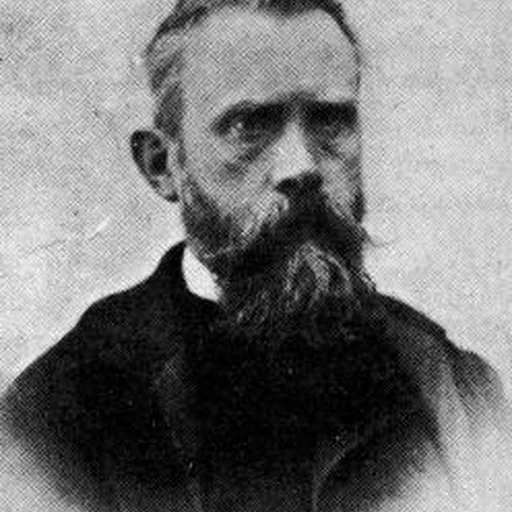
José Martí y Monsó (4 January 1840, Valencia - 14 December 1912, Valladolid) was a Spanish painter, art professor, researcher and museum official. He was considered an expert on Castilian art and the history of Holy Week in Valladolid.

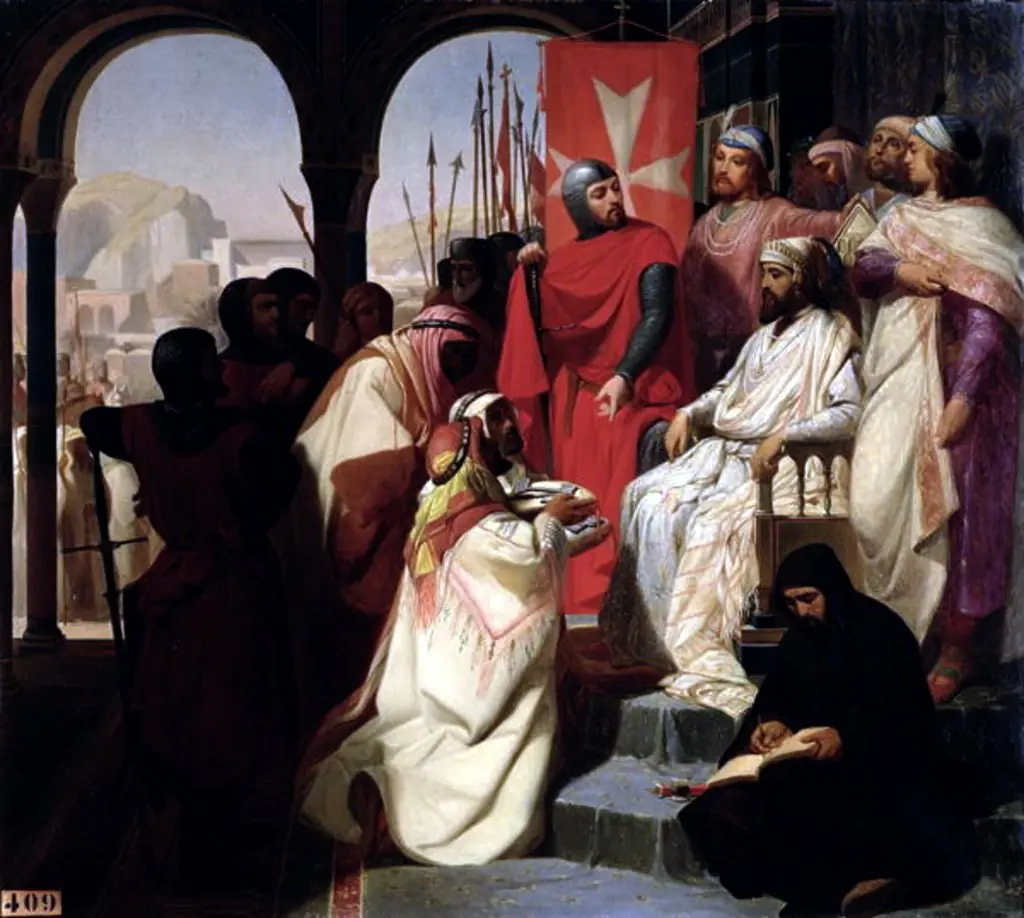 Knights of the Order of St. John of Jerusalem Restoring Religion in Armenia in 1347
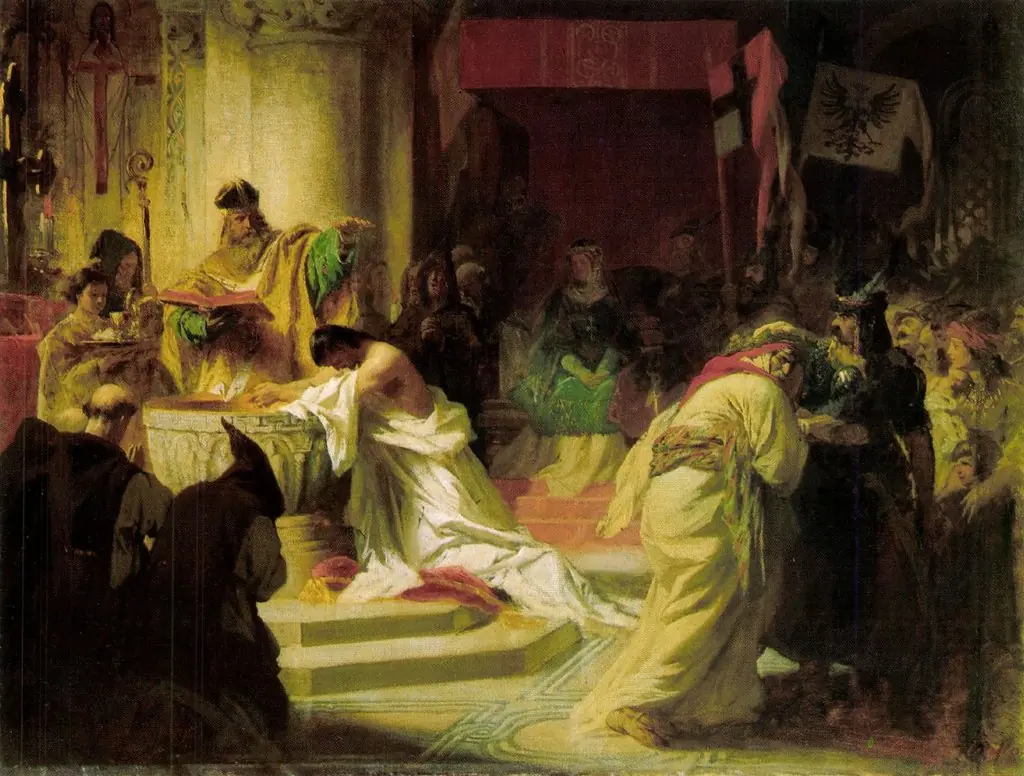 The Baptism of Vajk
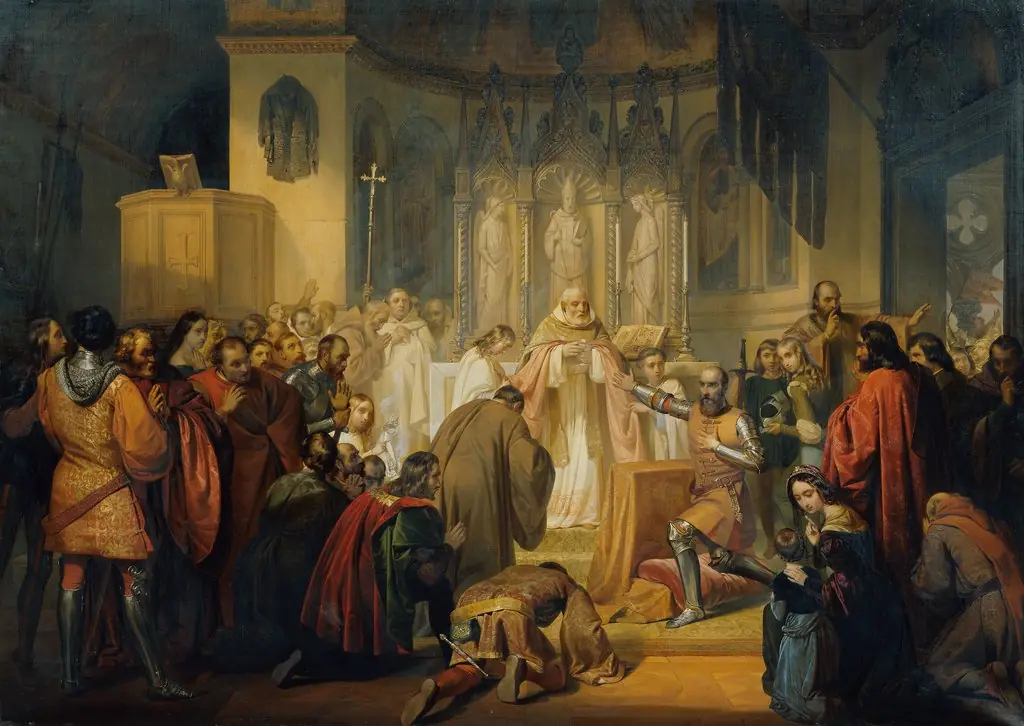 Vittore Pisani receives Holy Communion before taking command of an expedition against the Genoese
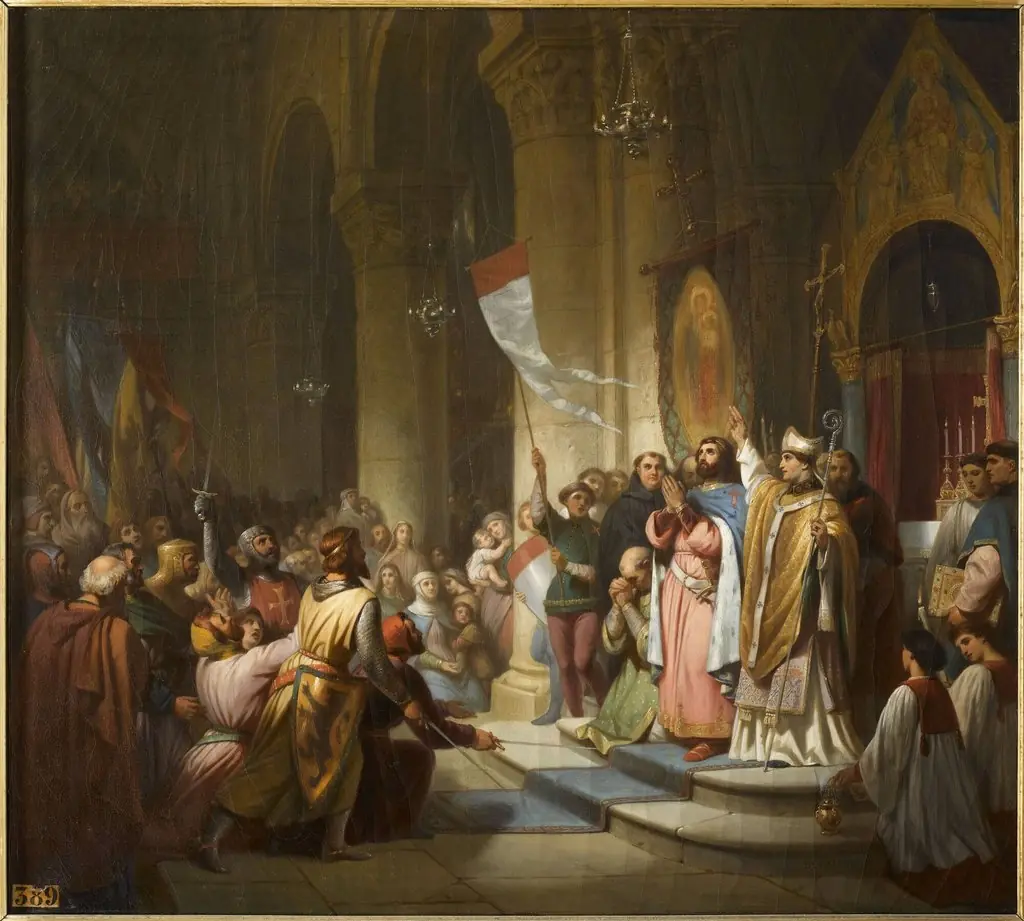 Election of Boniface of Montferrat as leader of the Fourth Crusade.
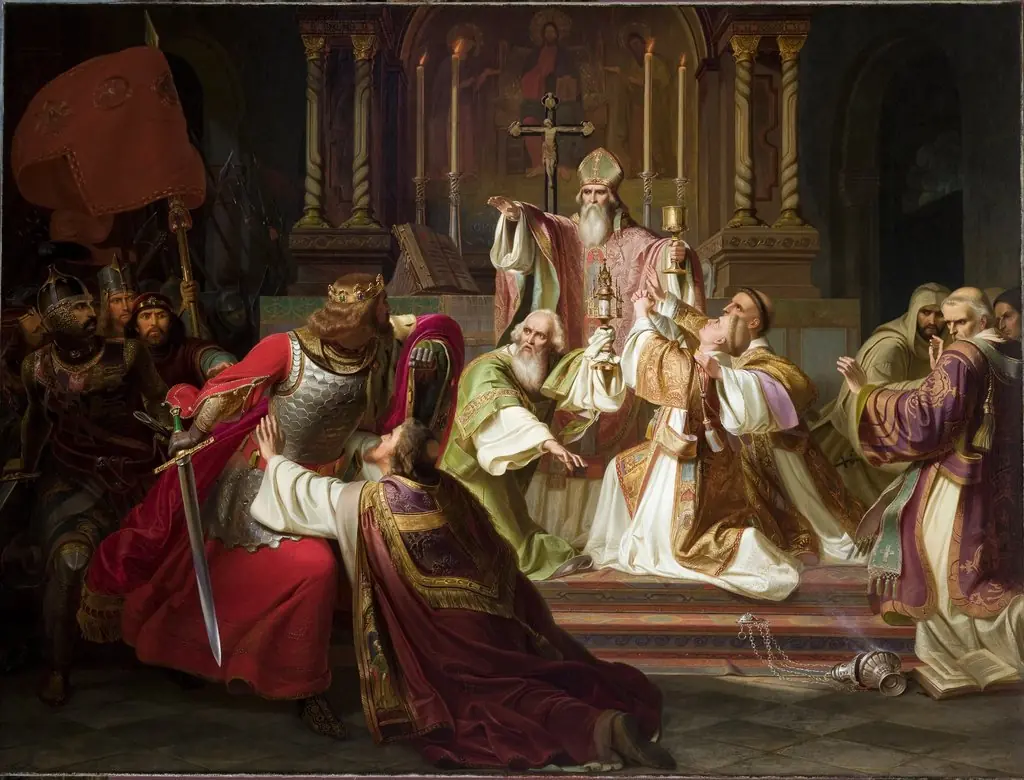 Bishop Stanisław Szczepanowski Putting a Curse on King Bolesław Śmiały
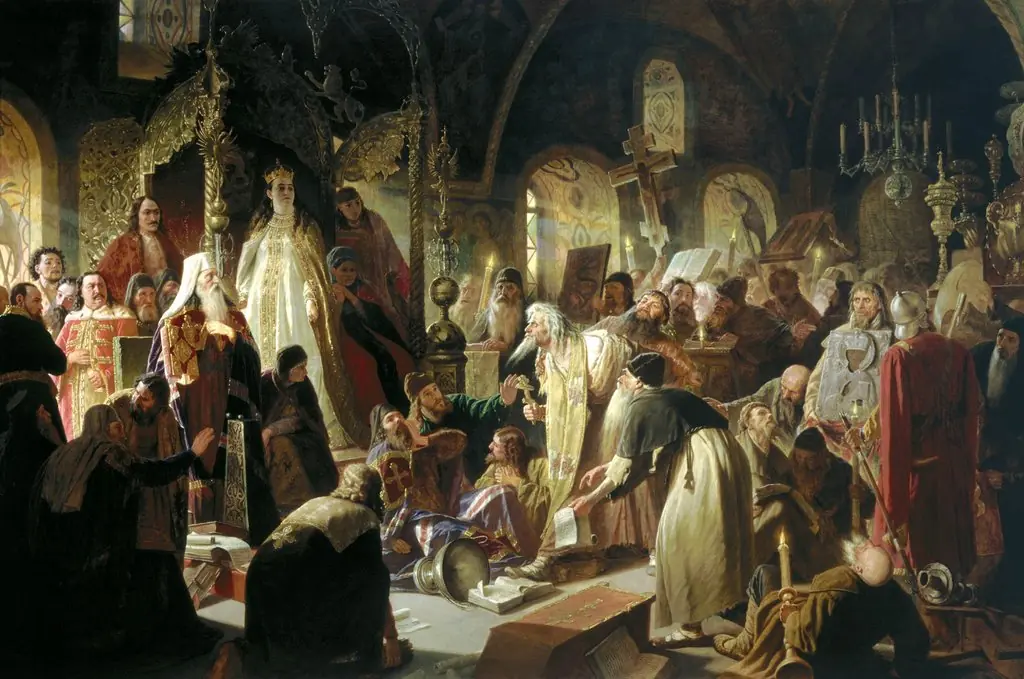 Nikita Pustosvyat. Debate about faith
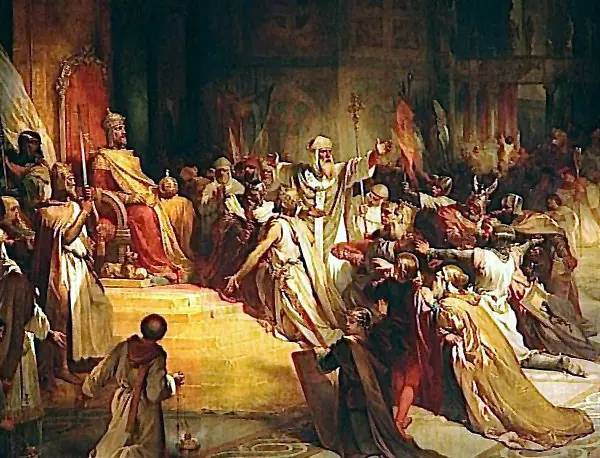 Baudouin couronné empereur de Constantinople, 16 mai 1204
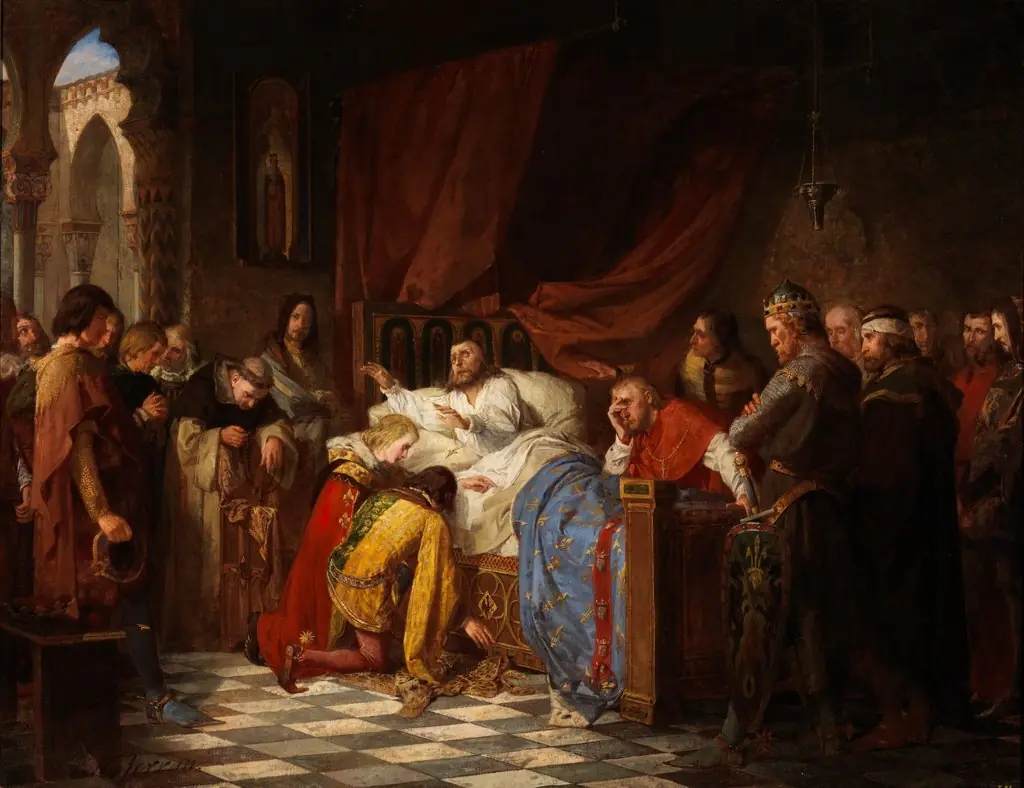 Felipe III de Francia moribundo bendiciendo a sus hijos
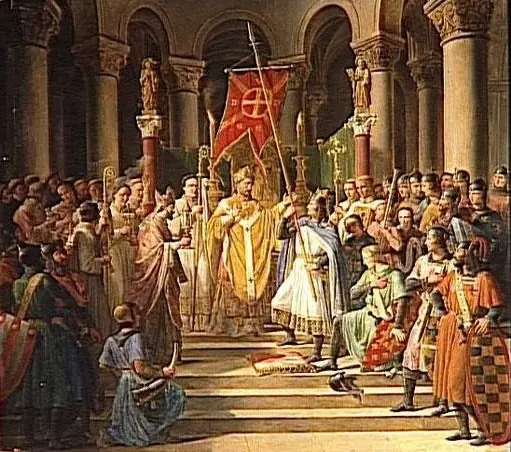 Philippe Auguste prend l'oriflamme à Saint-Denis, 24 juin 1190
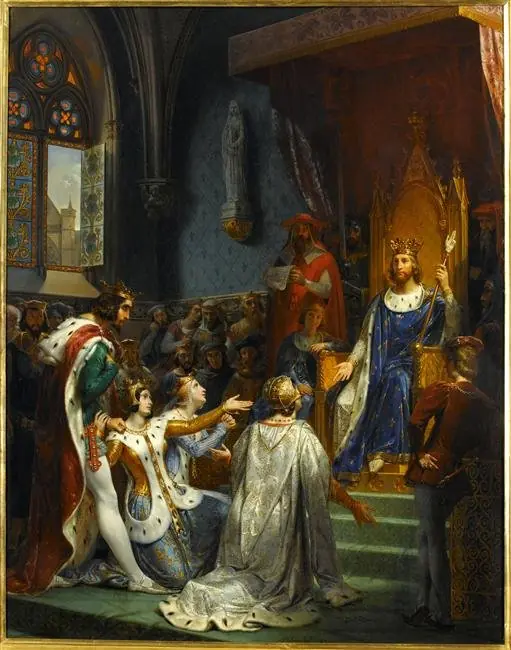 John II receives the submission of Charles II of Navarre