Artwork
Spațiu carpatic
Spațiu carpatic is a print by Ion Sălișteanu. It is held in the collection of the Moldova National Museum Complex.
About this work
Overview
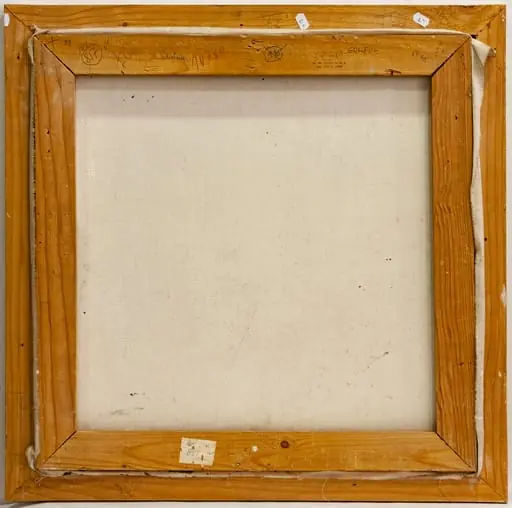
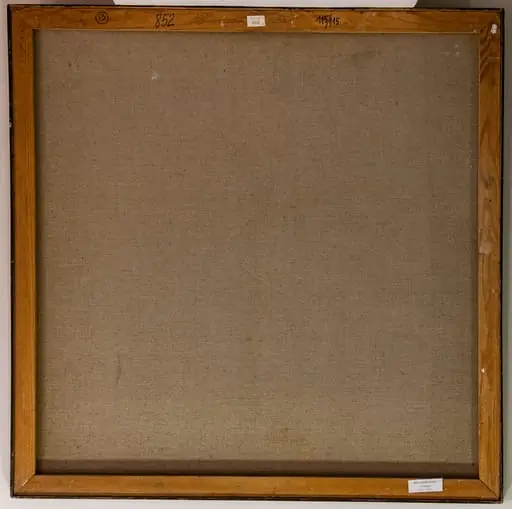
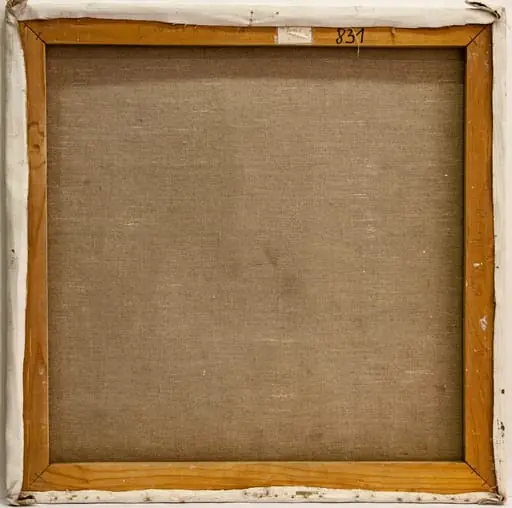
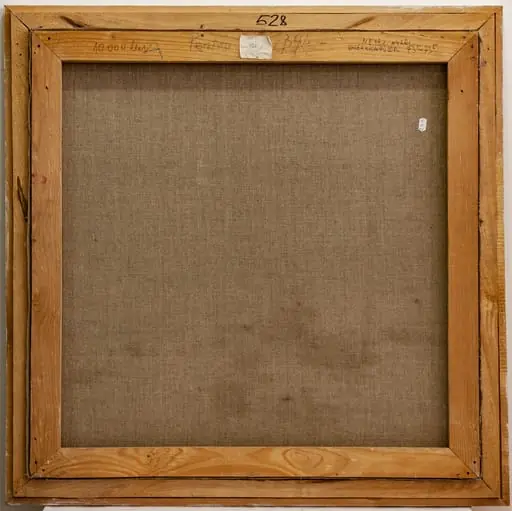
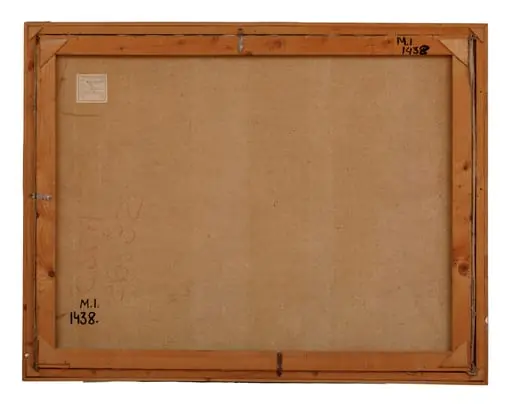
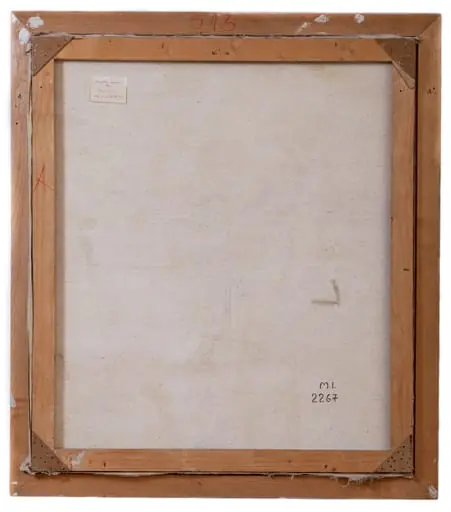
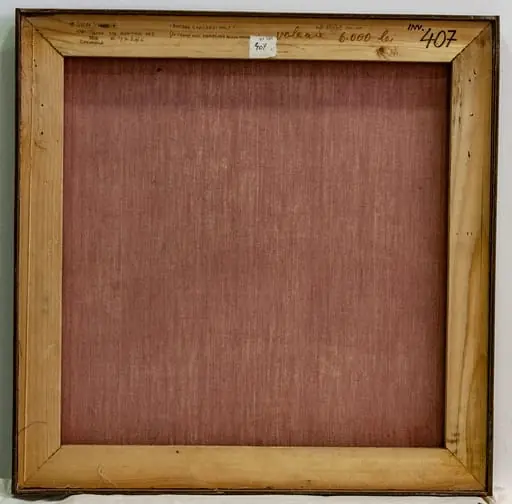
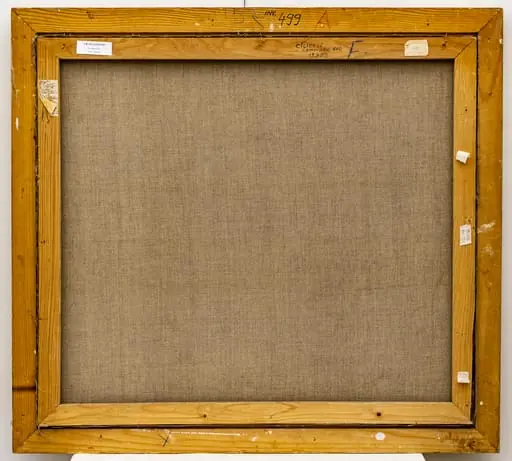
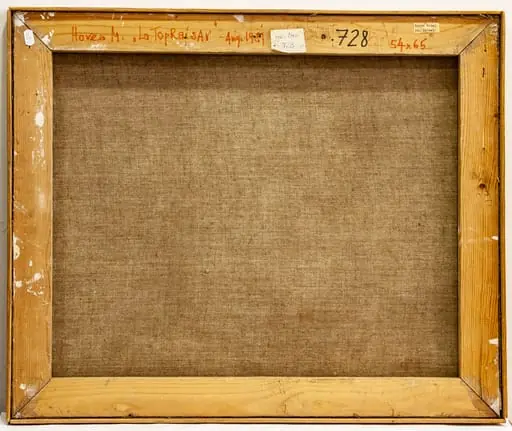
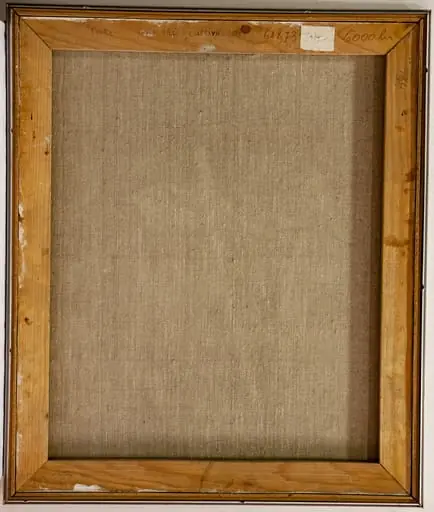
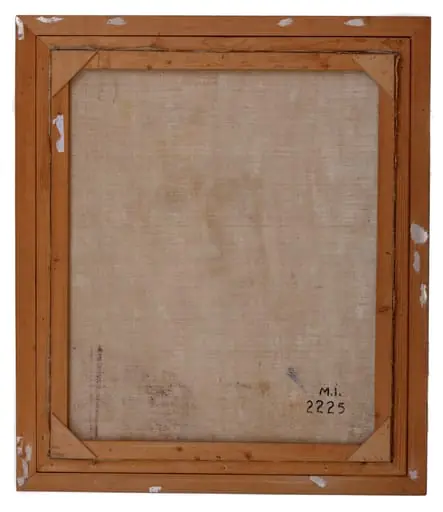
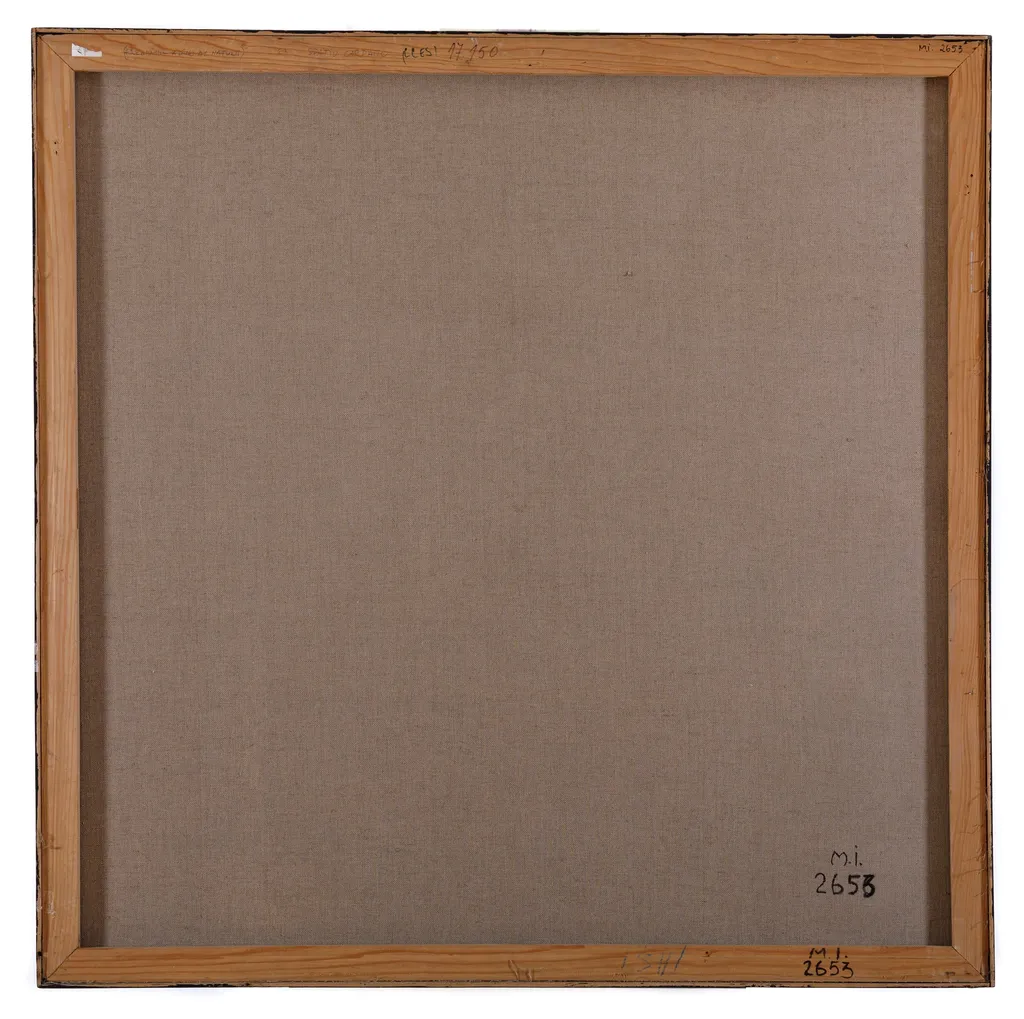
The artwork titled *Spațiu carpatic* consists of an unmarked beige canvas stretched within a simple light brown wooden frame.
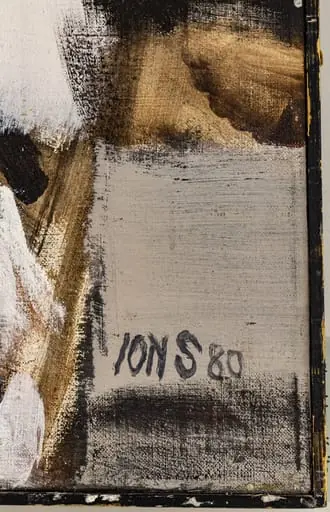
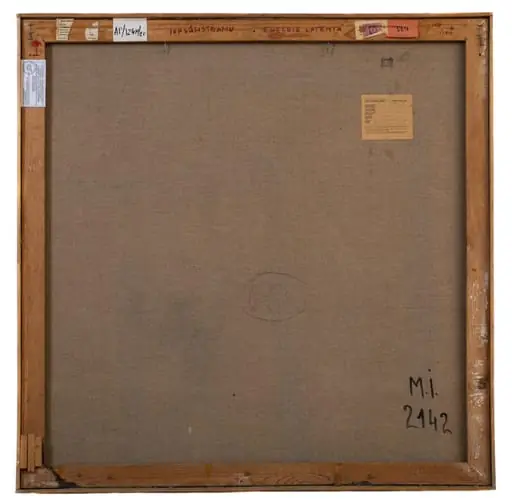
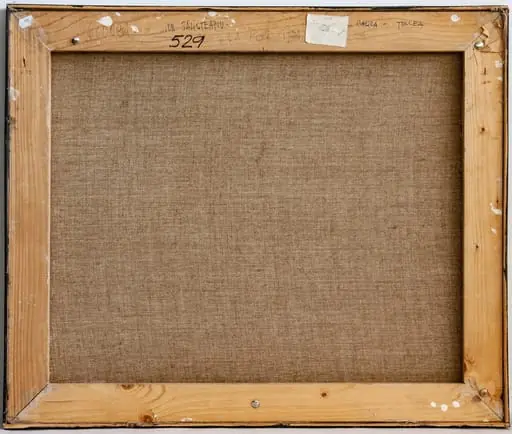
The artwork titled *Spațiu carpatic* consists of an unmarked beige canvas stretched within a simple light brown wooden frame. No pigment, brushwork, or design is visible on the surface. The frame bears handwritten labels and numerical markings along its edges, suggesting archival or institutional handling. The absence of imagery raises questions about intent, condition, or historical context, positioning the piece as an object of absence rather than representation.
Subject & Meaning
The title references the Carpathian region, yet the canvas holds no visual depiction of landscape, culture, or symbol associated with it. The work may function as a conceptual gesture—inviting reflection on erasure, memory, or the limits of representation. Its emptiness could signal a deliberate void, perhaps commenting on lost traditions, incomplete documentation, or the silence of unrecorded histories within the region.
Technique & Style
No painting technique is evident; the surface lacks any trace of application, layering, or texture. The canvas appears untouched, its uniform beige tone consistent with raw, primed linen. The frame, though unadorned, shows signs of use—labels and numbers imply cataloging or storage practices. The work’s style, if any, lies in its minimalism and the absence of artistic intervention.
History & Provenance
The labels on the frame suggest the piece was once part of a curated collection, likely institutional. Its origin and acquisition history remain undocumented in available records. The absence of damage or fading implies the canvas was never painted, or the image was removed or lost under unknown circumstances. Further research at the Museum of Ethnography may clarify its provenance and intended purpose.
Context
Created in a period when conceptual and experimental art was emerging in Eastern Europe, the work may reflect broader artistic inquiries into materiality and meaning. In a region with rich folk traditions, an empty canvas titled after the Carpathians could respond to political suppression of cultural expression, or serve as a quiet act of resistance through silence.
Legacy
As an object of unresolved intent, *Spațiu carpatic* endures as a prompt for interpretation rather than a finished statement. It contributes to discussions on non-object art in post-war Eastern Europe and the role of absence in cultural memory. Its preservation suggests institutional recognition of its conceptual value, even without visual content.
Artist & collection
Artist
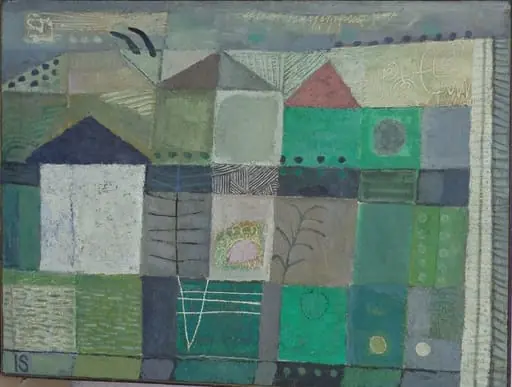
Ion Sălișteanu made prints and paintings that capture Romania’s landscapes in bold, orderly shapes.