Artwork
Adam Naming the Animals
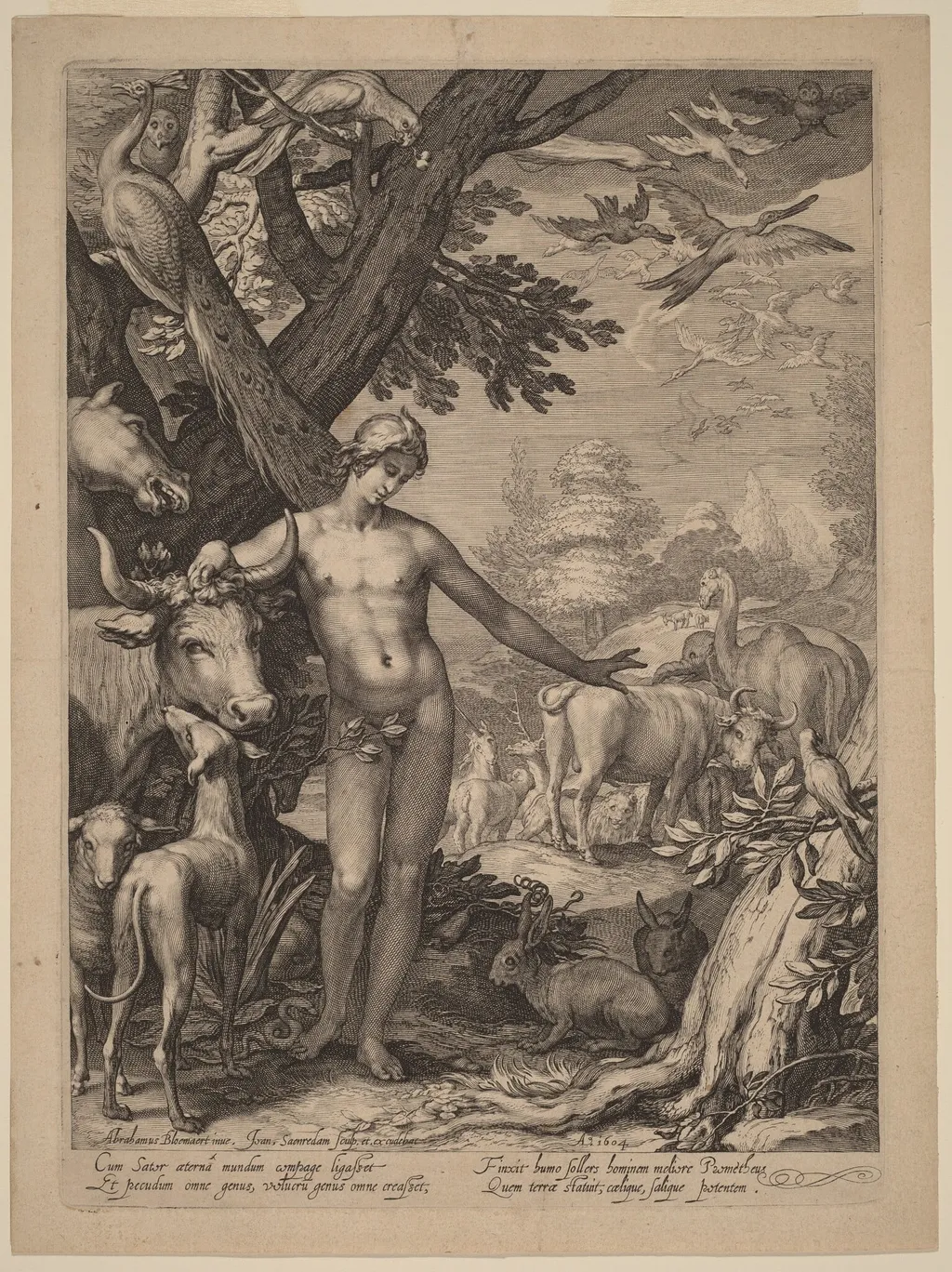
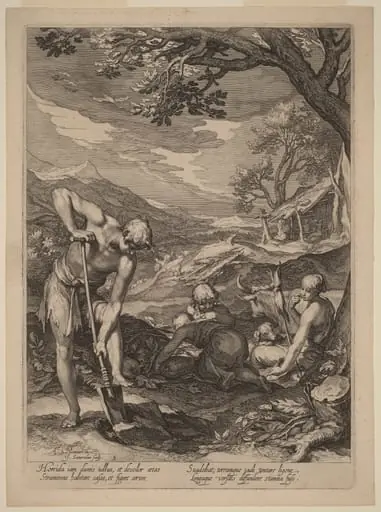
Adam Naming the Animals is an ink print by the Baroque artist Jan Pietersz Saenredam. It dates from 1604 and is held in the collection of the National Gallery of Art. Created in 1604, this engraving by Jan Pietersz.
About this work
Overview
Executed on laid paper using the engraving technique, the work reflects Saenredam’s skill as a printmaker and his engagement with biblical narratives.
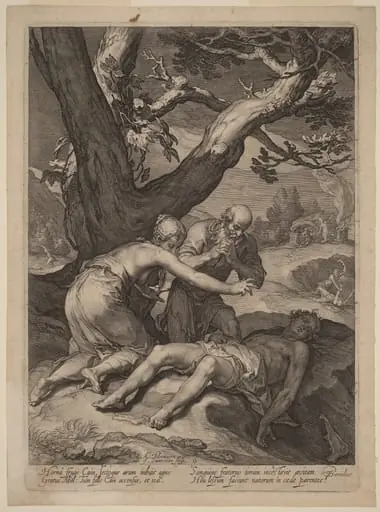
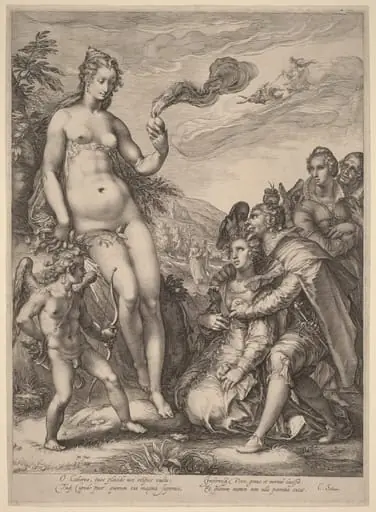
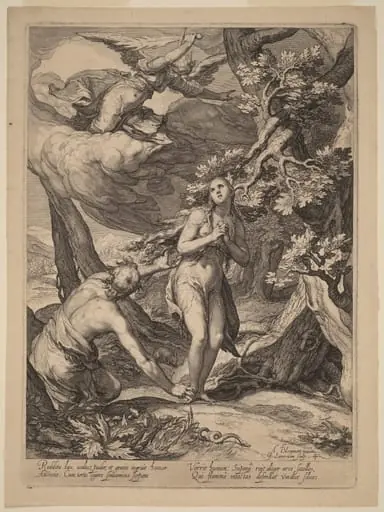
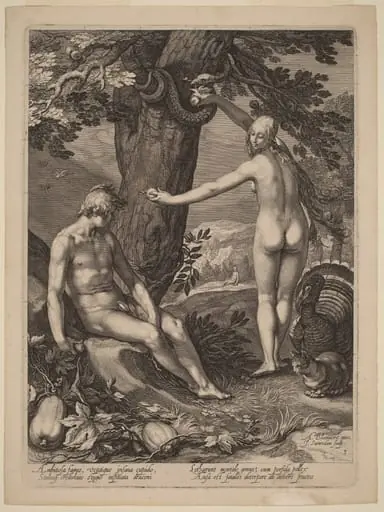
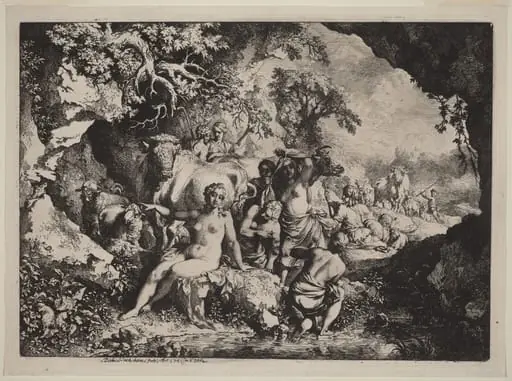
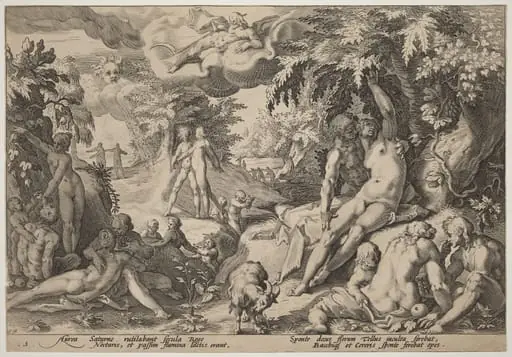
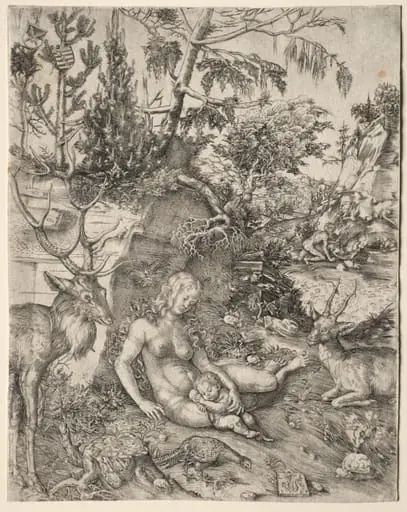
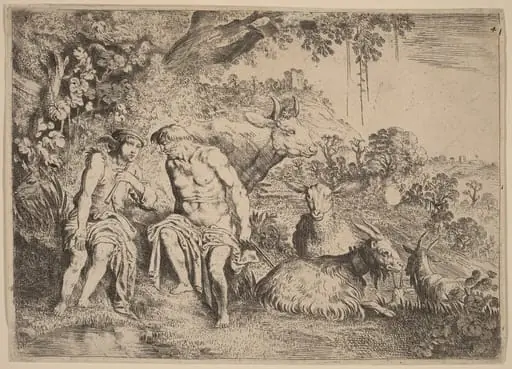
Created in 1604, this engraving by Jan Pietersz. Saenredam illustrates a moment from the Book of Genesis in which Adam assigns names to the animals. Executed on laid paper using the engraving technique, the work reflects Saenredam’s skill as a printmaker and his engagement with biblical narratives. His approach combines meticulous line work with dense compositional detail, characteristic of Northern Mannerist aesthetics of the early 17th century.
Subject & Meaning
The scene captures Adam, bare-chested and composed, in the act of naming creatures as they gather around him. The presence of a bull with antlers, deer, birds, and other animals suggests a symbolic ordering of nature. Rather than depicting chaos, the image conveys a quiet authority — Adam’s calm demeanor implies divine mandate, transforming the forest into a stage for human stewardship over creation.
Technique & Style
Saenredam employed fine, controlled engraving lines to render texture and depth across the dense foliage and animal forms. Shading is achieved through cross-hatching and delicate tonal gradations, giving volume to fur, feathers, and bark. The composition is tightly packed, with no empty space — a hallmark of Mannerist interest in complexity and intellectual density over naturalistic simplicity.
History & Provenance
The print was made during Saenredam’s active years as a printmaker in the Netherlands, before his son Pieter Jansz. Saenredam gained fame for architectural drawings. While the specific early ownership history of this impression is undocumented, it circulated among collectors of biblical prints in the Low Countries. Its survival in multiple institutional collections suggests consistent interest in Saenredam’s graphic work.
Context
In early 17th-century Northern Europe, biblical subjects were frequently rendered in prints for private devotion and scholarly exchange. Saenredam’s work aligns with a tradition of engravers who translated sacred narratives into intricate visual forms. His background in cartography may have influenced his precise spatial organization, blending naturalistic detail with symbolic structure.
Legacy
Though less known than his son, Jan Pietersz. Saenredam contributed to the development of Dutch print culture through his detailed biblical and mythological engravings. This work exemplifies the transition from late Mannerist complexity toward the emerging clarity of Dutch Golden Age imagery. His technique influenced later printmakers who sought to balance narrative clarity with technical refinement.
Own this work as a print
Artist & collection
Artist
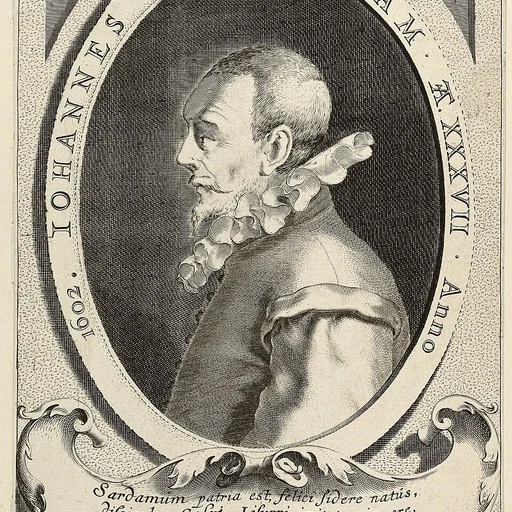
Jan Pieterszoon (abbr. Pietersz.) Saenredam (c. 1565 – 6 April 1607) was a Dutch Northern Mannerist painter, printmaker in engraving, and cartographer, and father of the painter of church interiors, Pieter Jansz…