Artwork
Alexander Baron
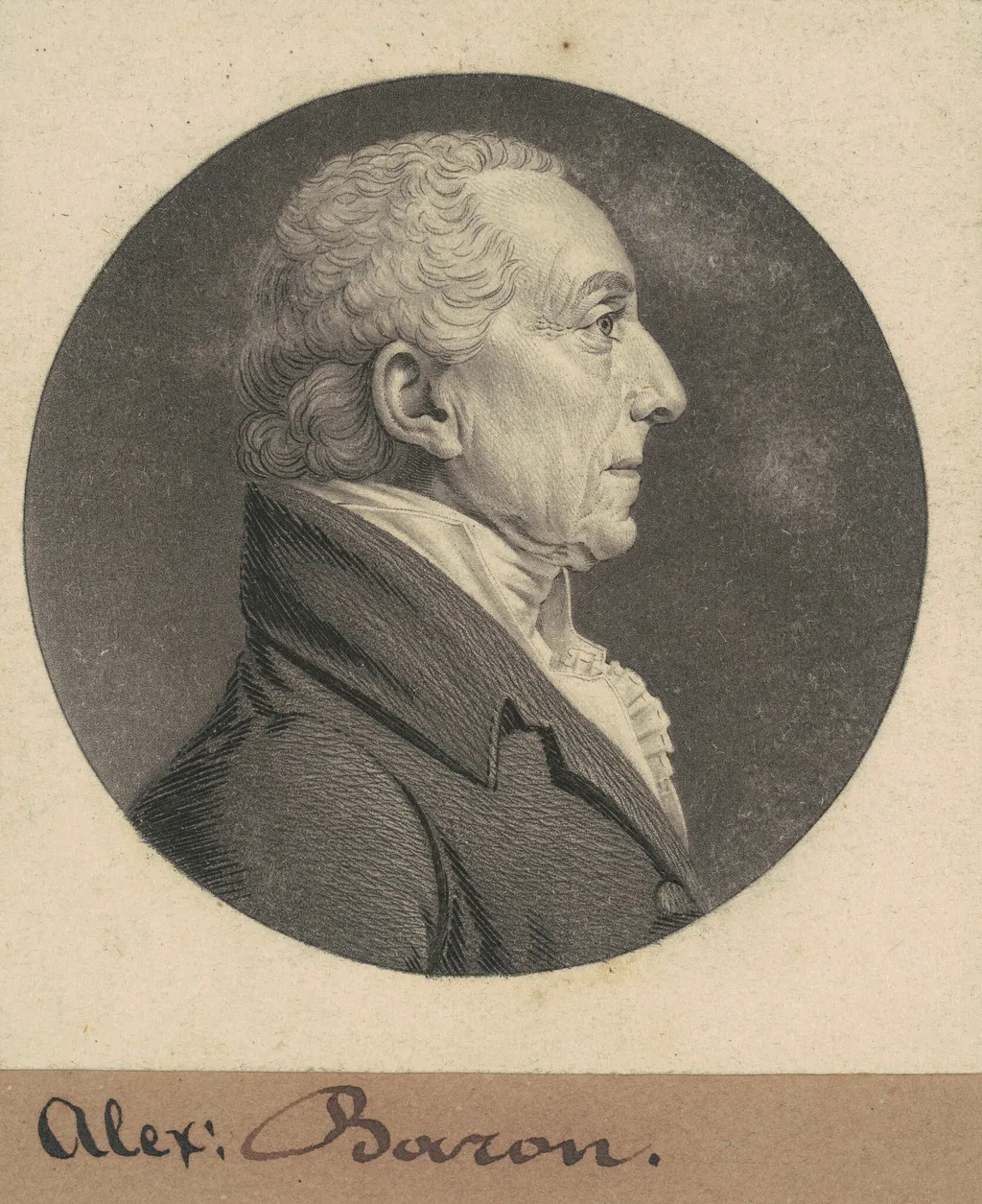
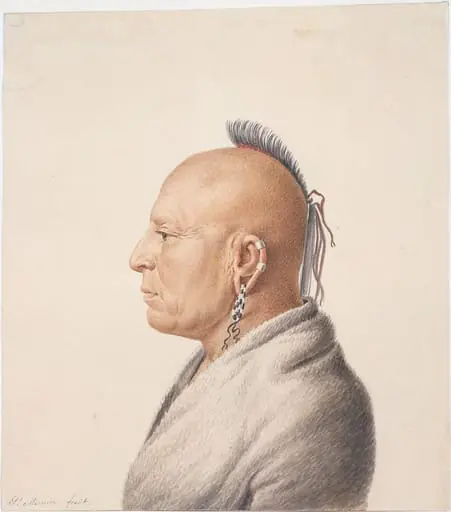
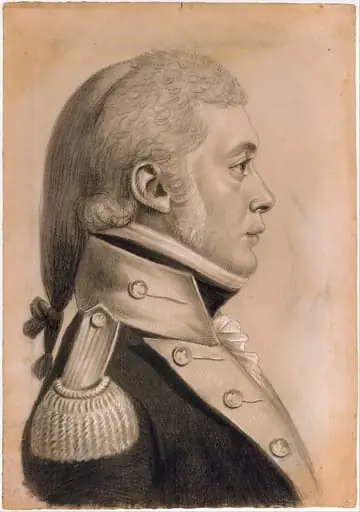
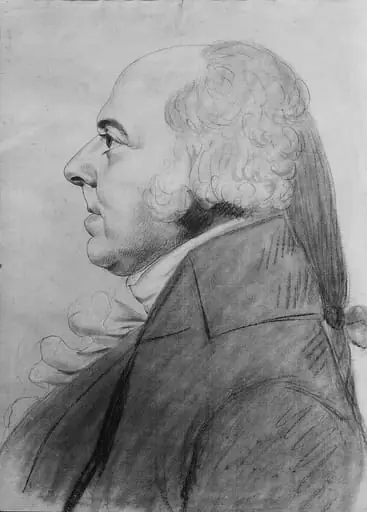
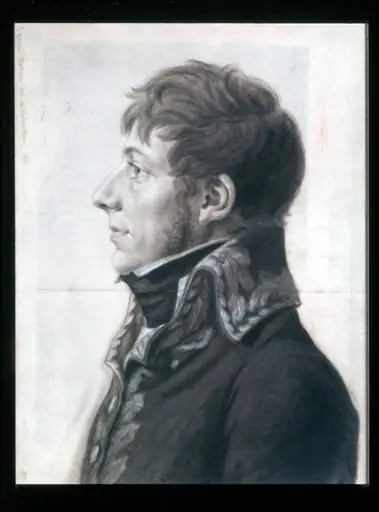
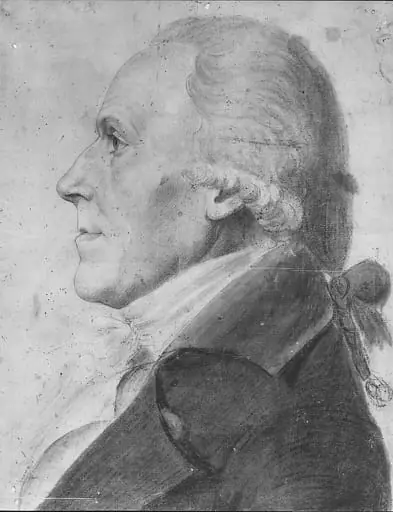
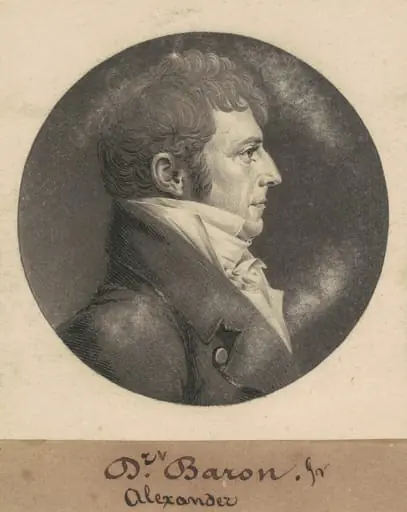
Alexander Baron is an ink print by the Romanticist artist Charles Balthazar Julien Févret de Saint-Mémin. It dates from 1808 and is held in the collection of the National Gallery of Art.
About this work
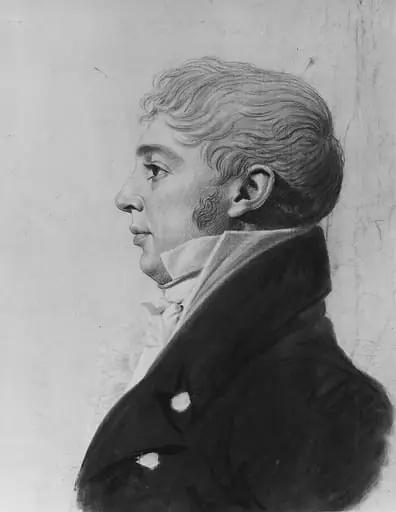
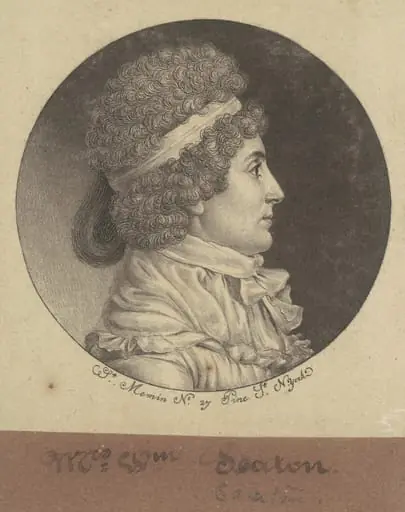
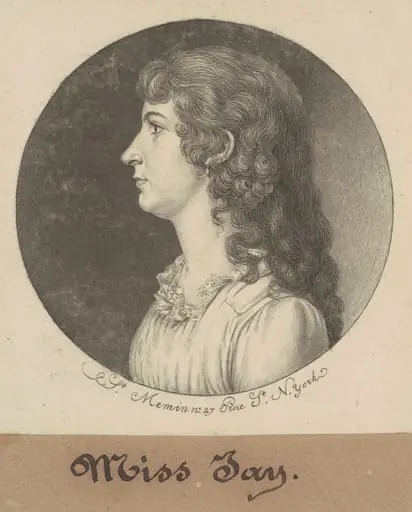
The level of detail in the portrait is impressive, with subtle shading and texture.
This painting shows Alexander Baron.
He's the main figure in the work.
The artist used mezzotint and engraving to create this portrait, which is a notable aspect of the piece, as it was done in 1808, a time when these techniques were still being developed and refined, allowing for detailed and nuanced images.
The level of detail in the portrait is impressive, with subtle shading and texture.
This suggests the artist had a good understanding of the techniques used.
To learn more about this style, look up the technique: engraving.
Overview
The work titled “Alexander Baron” is a black‑and‑white print created in 1808 by the French artist Charles Balthazar Julien Févret de Saint‑Mémin. Executed in mezzotint and engraving, the image is printed on wove paper that has been mounted onto a brown wove backing, presenting a single, centrally placed portrait of the eponymous sitter.
Subject & Meaning
The composition focuses exclusively on Alexander Baron, depicted in a half‑length pose that emphasizes his facial features and attire. The portrait conveys a sense of dignity and presence, typical of early‑19th‑century representations of notable individuals, though no explicit narrative beyond the sitter’s identity is provided.
Technique & Style
Saint‑Mémin combined mezzotint’s tonal richness with the linear precision of engraving, allowing for subtle gradations of shade and fine textural details. The exclusive use of black ink on wove paper highlights the contrast between light and shadow, demonstrating the artist’s mastery of these printmaking methods during a period of technical refinement.
History & Provenance
Created in 1808, the print reflects the transatlantic exchange of artistic practices, as Saint‑Mémin, a French émigré, worked in the United States during the early Republic. The paper mounting suggests a later conservation effort, but specific ownership records beyond the artist’s signature are not documented.
Context
Mezzotint and engraving were prominent reproductive techniques in the early 1800s, employed to disseminate portraits of prominent figures. Saint‑Mémin’s work aligns with this tradition, offering a high‑quality, affordable alternative to painted portraits for a growing American elite.
Legacy
While not widely reproduced, the print exemplifies the technical capabilities of early American printmaking and contributes to the visual record of contemporary personalities, illustrating the cross‑cultural artistic links between France and the United States in the post‑revolutionary era.
Artist & collection

Artist
Charles Balthazar Julien Févret de Saint-Mémin
Charles Balthazar Julien Févret de Saint-Mémin (French pronunciation: ; 1770–1852) was a French portrait painter and museum director.