Artwork
Alexander Baron, Jr.
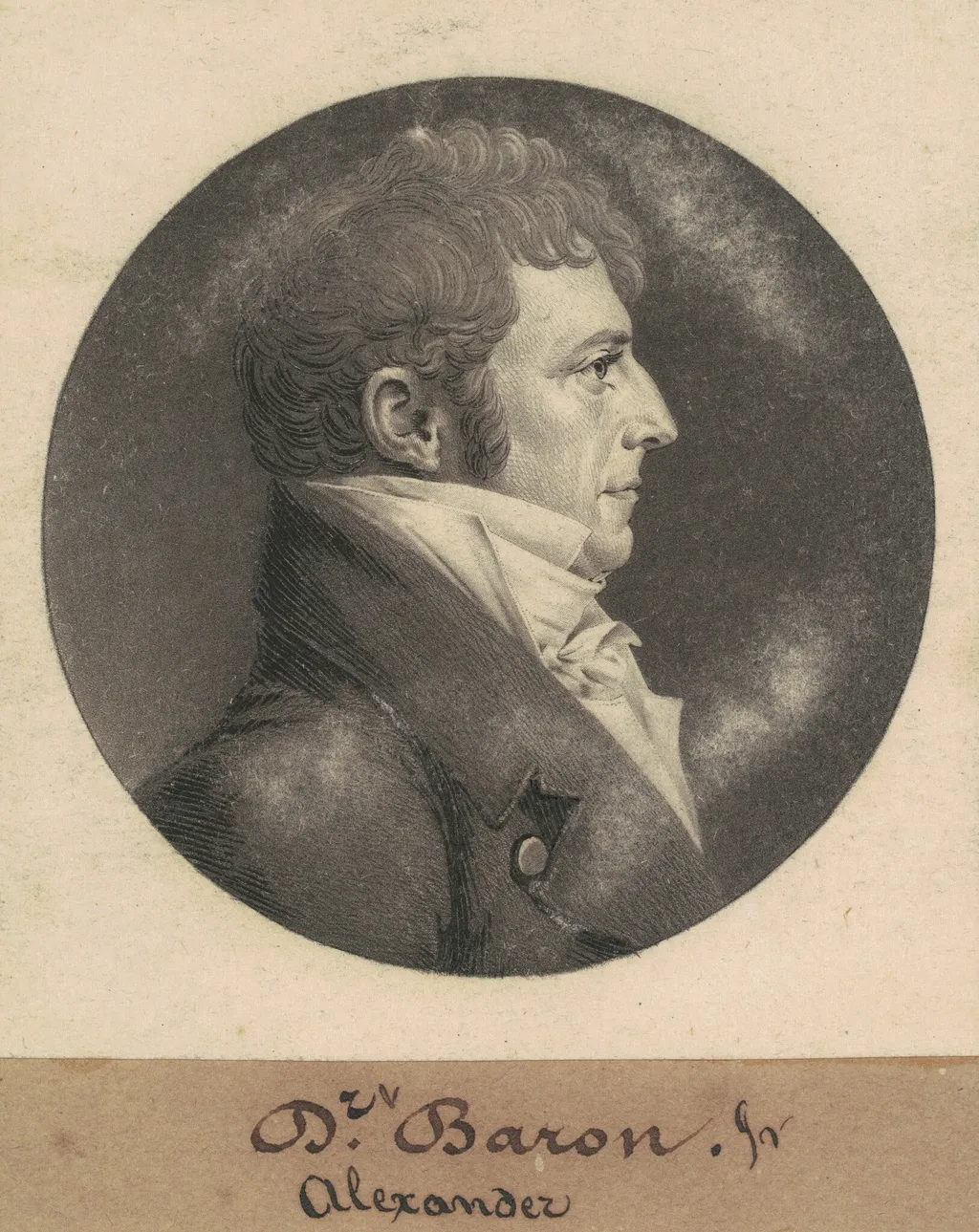
Alexander Baron, Jr. is an ink print by the Romanticist artist Charles Balthazar Julien Févret de Saint-Mémin. It dates from 1809 and is held in the collection of the National Gallery of Art.
About this work
Overview
Measuring just over five and a half centimeters square, the work is a small-scale portrait executed entirely in black ink.
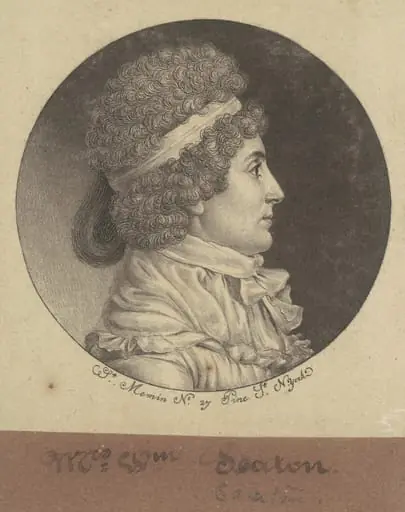
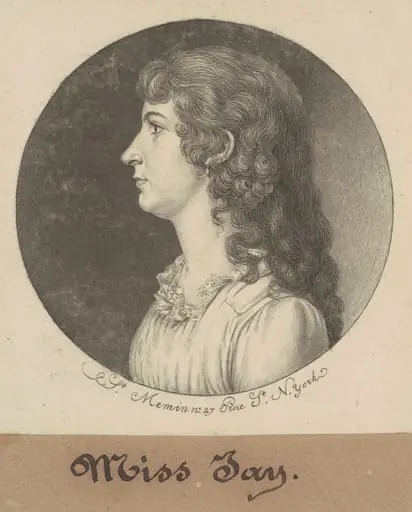
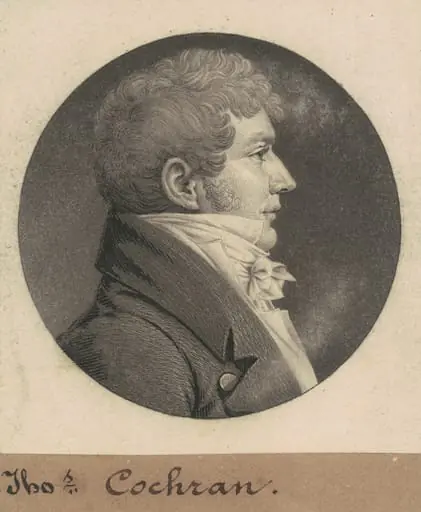
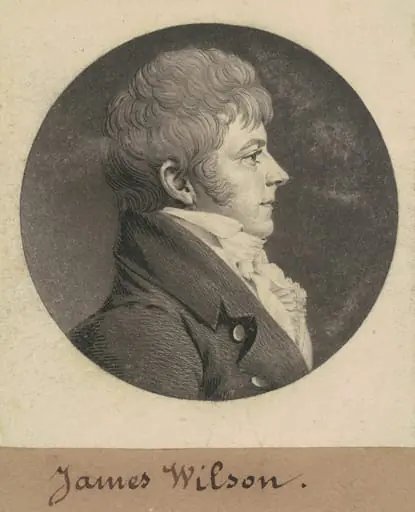
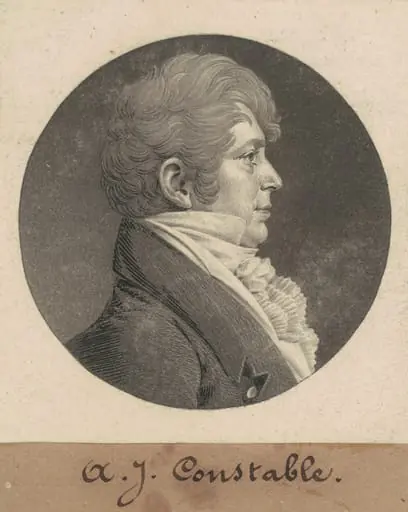
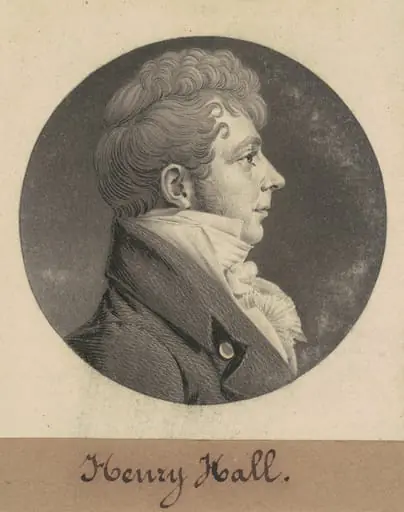
This 1809 print depicts Alexander Baron, Jr., rendered in mezzotint and engraving on wove paper, mounted to a brown wove support. Measuring just over five and a half centimeters square, the work is a small-scale portrait executed entirely in black ink. The composition isolates the subject against a plain field, emphasizing precision over ornamentation. The technique allows for subtle tonal gradations, characteristic of the medium’s capacity for fine detail.
Subject & Meaning
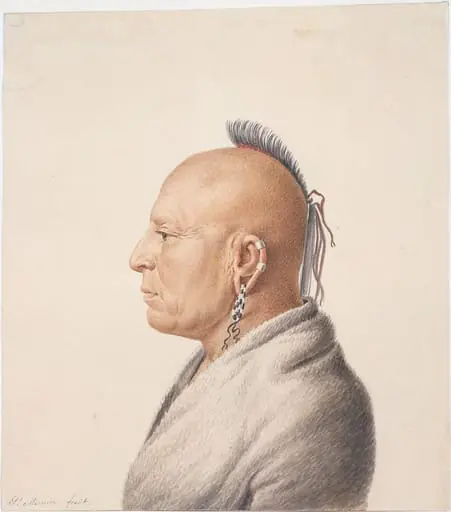
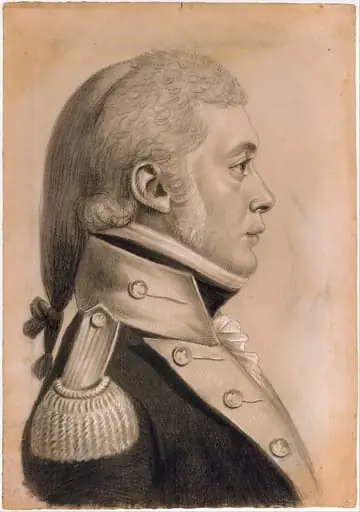
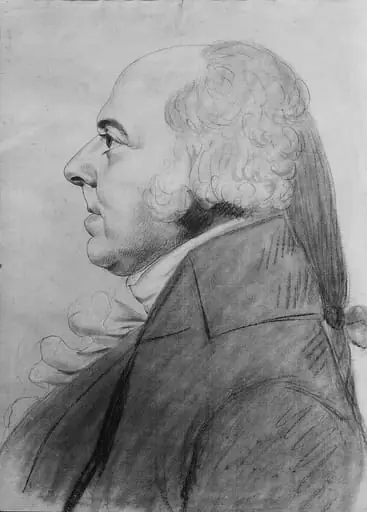
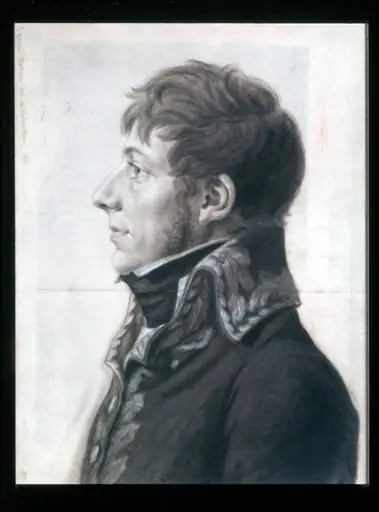
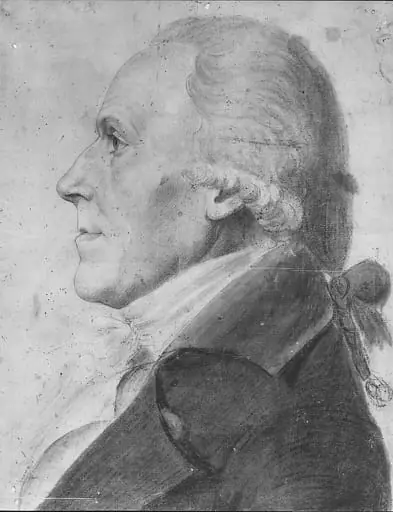
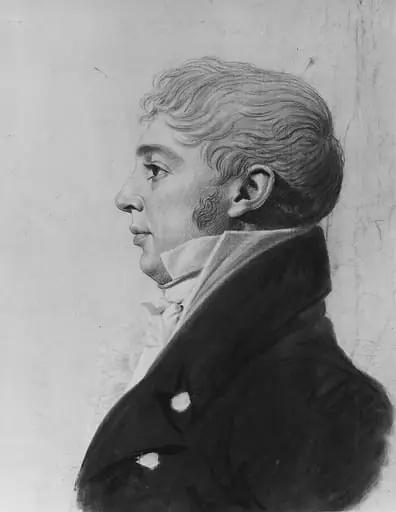
Alexander Baron, Jr., is portrayed in strict profile, facing left with his gaze directed forward. His eyes are not visible, reinforcing a sense of formal restraint. The absence of contextual elements—clothing details, background, or symbolism—focuses attention solely on his facial structure. This approach reflects a tradition of portraiture prioritizing likeness and dignity over narrative, common in early 19th-century American artistic practice.
Technique & Style
The portrait employs mezzotint, a method that begins with a roughened plate to create rich blacks, then smooths areas to produce lighter tones. Engraving adds sharp linear definition to features like the nose and jawline. The combination yields a nuanced range of grays and deep shadows, enhancing three-dimensionality. The small size and meticulous execution suggest the work was intended for private collection or as a study in technical mastery.
History & Provenance
Created by Charles B. J. Févret de Saint-Mémin in 1809, the print belongs to a series of profile portraits he produced during his time in the United States. Saint-Mémin, a French émigré, became known for his precise engraved likenesses of prominent Americans. This portrait of Baron, likely a member of the New York mercantile class, was made during a period when such small-scale portraits served as personal mementos or social identifiers.
Context
In the early 1800s, profile portraits were widely popular in America, influenced by classical ideals and the rise of physiognomic studies. Mezzotint, though labor-intensive, offered a way to reproduce detailed likenesses without requiring sittings for each copy. Saint-Mémin’s practice aligned with this trend, producing hundreds of such portraits that circulated among the educated elite as both art and documentation.
Legacy
Saint-Mémin’s profile portraits, including this one, remain significant for their technical discipline and historical record. They document a generation of American figures whose identities might otherwise have been lost. While not widely exhibited today, these works are preserved in major collections as exemplars of early American printmaking and as artifacts of a culture that valued quiet, unadorned representation.
Artist & collection

Artist
Charles Balthazar Julien Févret de Saint-Mémin
Charles Balthazar Julien Févret de Saint-Mémin (French pronunciation: ; 1770–1852) was a French portrait painter and museum director.