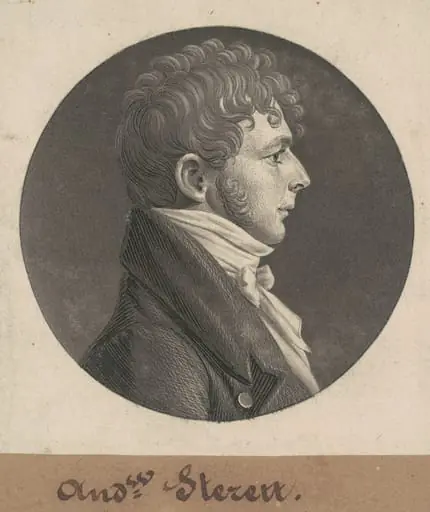
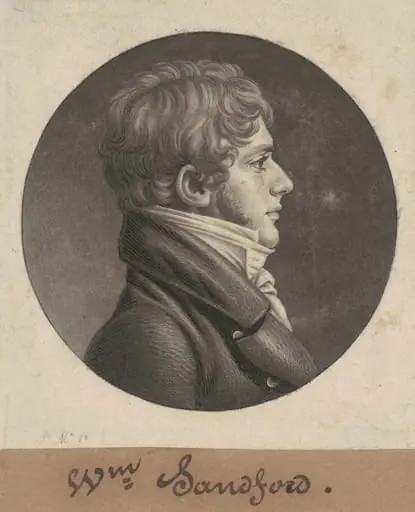
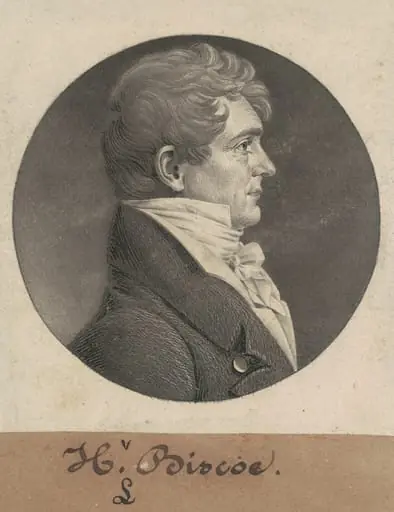
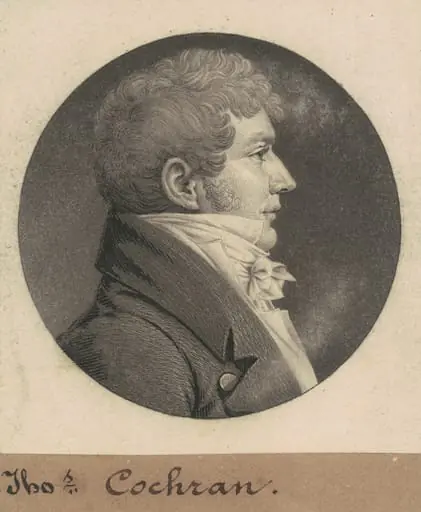
Artwork
Carter Burwell
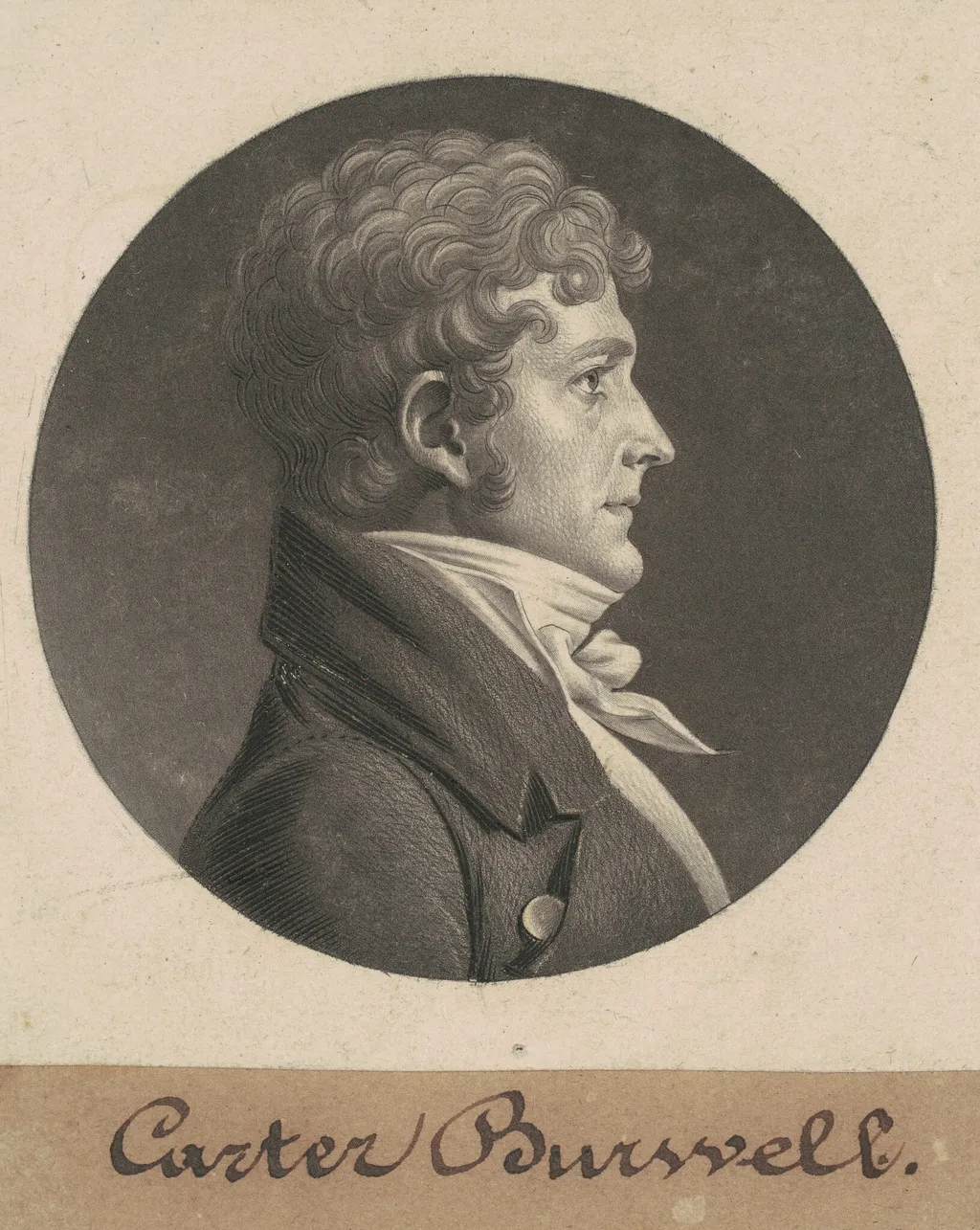
Carter Burwell is an ink print by the Romanticist artist Charles Balthazar Julien Févret de Saint-Mémin. It dates from 1805 and is held in the collection of the National Gallery of Art. Created in 1805 by Charles B.
About this work
Overview
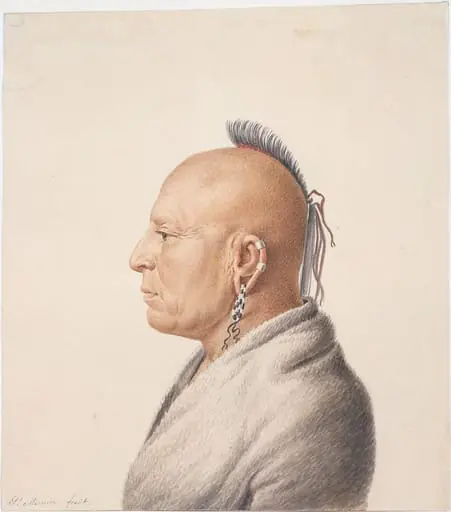
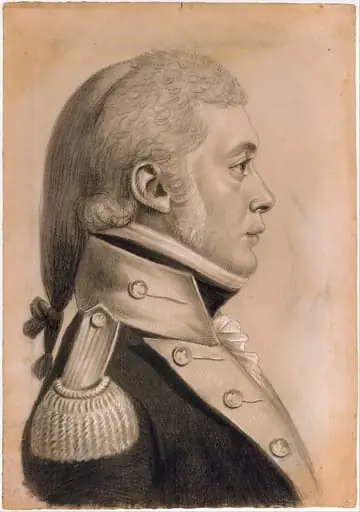
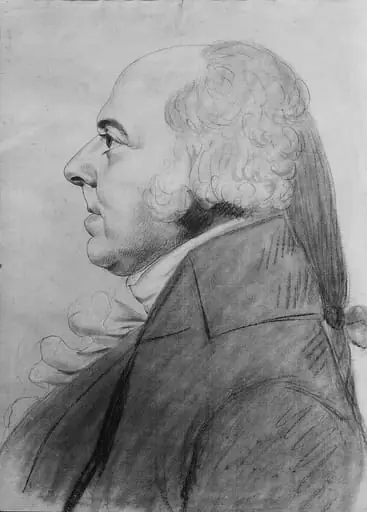
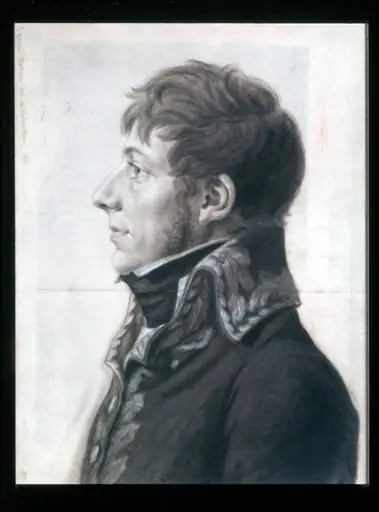
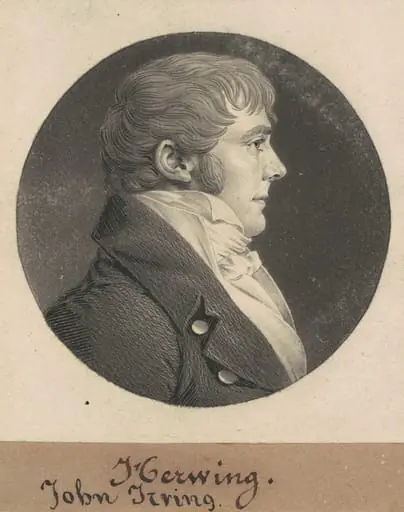
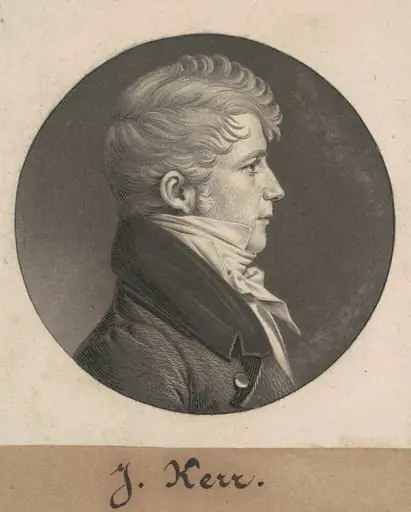
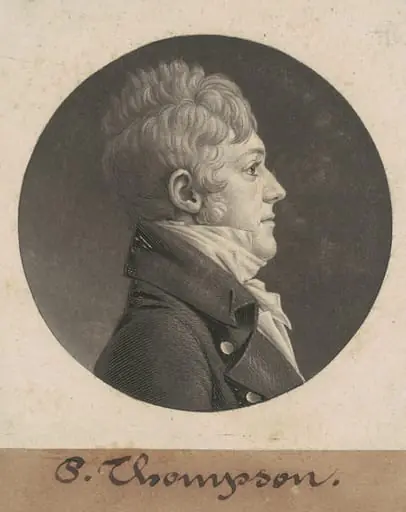
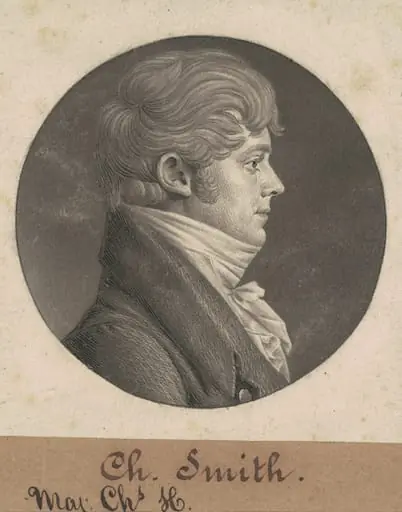
Created in 1805 by Charles B. J. Févret de Saint-Mémin, this portrait of Carter Burwell is a mezzotint and engraving on wove paper, mounted to a brown wove support. The work belongs to the Corcoran Collection and exemplifies the precision of early 19th-century American portraiture. It captures Burwell in a straightforward, unadorned manner, emphasizing likeness over ornamentation.
Subject & Meaning
Carter Burwell, a Virginia planter and public figure, is depicted facing right with quiet composure. His simple attire and unidealized features suggest a preference for dignity over status display. The portrait functions as a record of individual identity rather than a symbol of power, reflecting the values of the post-Revolutionary elite who favored restraint in self-representation.
Technique & Style
Saint-Mémin employed mezzotint to achieve subtle gradations of tone, enhanced by fine engraving lines that define texture in fabric and skin. The method allowed for rich blacks and delicate mid-tones, lending realism to Burwell’s aged face and plain clothing. The focus on tactile detail—wrinkles, thread, and shadow—demonstrates a commitment to verisimilitude over theatricality.
History & Provenance
The print was produced during Saint-Mémin’s time in the United States, where he made numerous portraits of prominent figures. It entered the Corcoran Collection in the 19th century and remains part of its legacy holdings. The work’s survival reflects its role as a documentary artifact rather than a decorative object, valued for its historical accuracy.
Context
In early 1800s America, portraiture often served to affirm social standing through refined presentation. Saint-Mémin’s approach, however, aligned with a growing preference for naturalism. This portrait stands apart from the grandeur of European models, instead embracing a modest, almost intimate realism that mirrored the emerging American identity.
Legacy
The portrait contributes to a body of work by Saint-Mémin that helped define early American print portraiture. Its restrained aesthetic influenced later artists seeking authenticity over embellishment. As a preserved example of mezzotint technique, it remains a reference for understanding the intersection of craftsmanship and civic identity in the young republic.
Artist & collection

Artist
Charles Balthazar Julien Févret de Saint-Mémin
Charles Balthazar Julien Févret de Saint-Mémin (French pronunciation: ; 1770–1852) was a French portrait painter and museum director.