Artwork
Charles Taylor
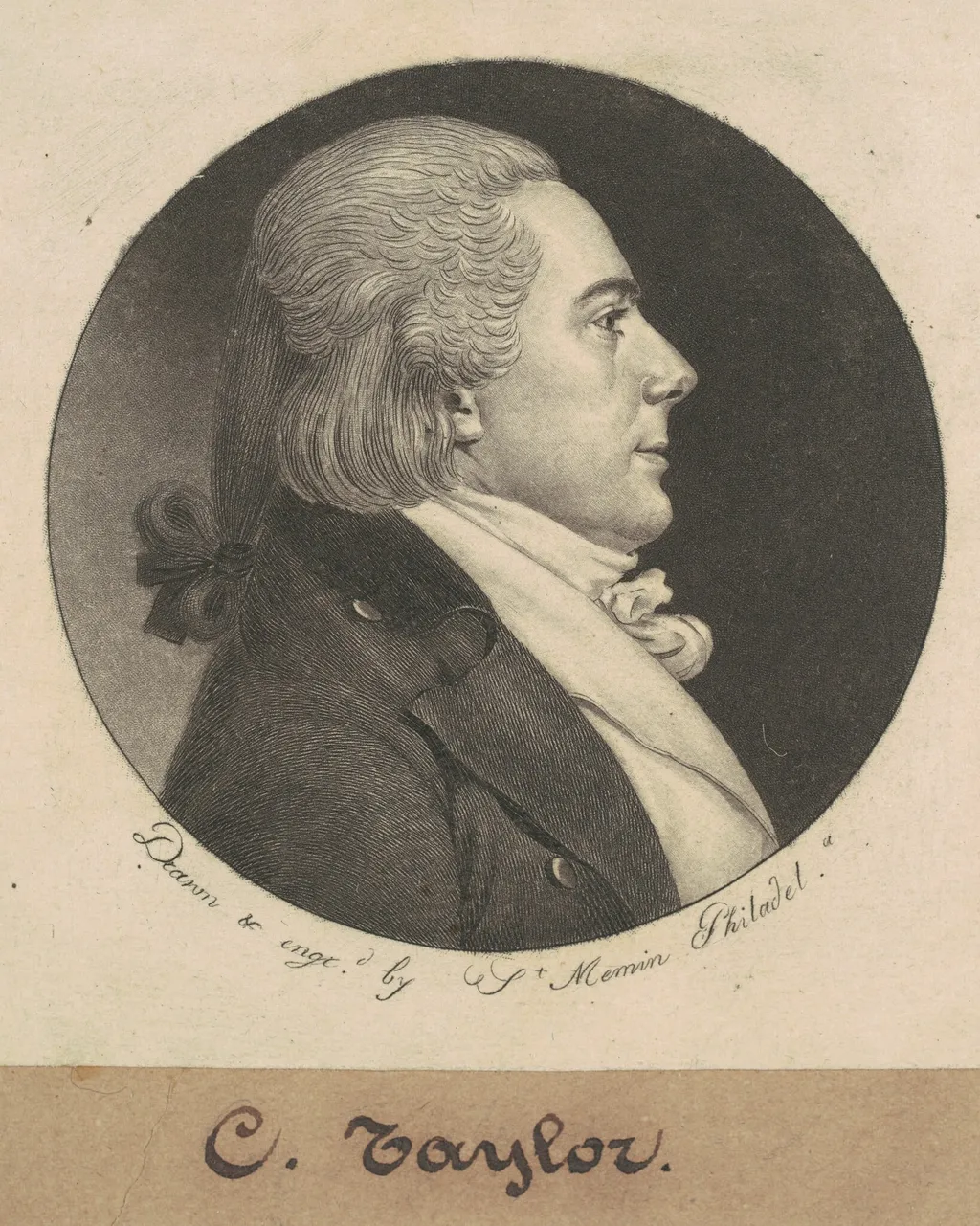
Charles Taylor is an ink print by the Romanticist artist Charles Balthazar Julien Févret de Saint-Mémin. It dates from 1799 and is held in the collection of the National Gallery of Art. Created in 1799, this modestly sized print measures just over five and a half centimeters square.
About this work
Mezzotint makes rich, velvety blacks by roughening a metal plate with tiny dots.
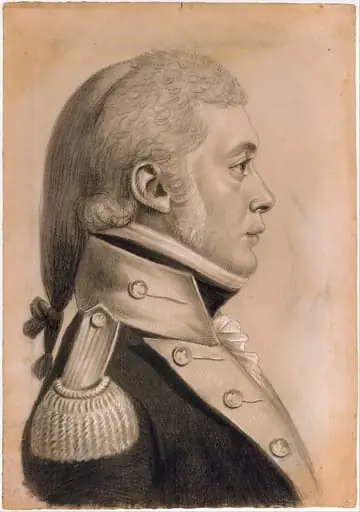
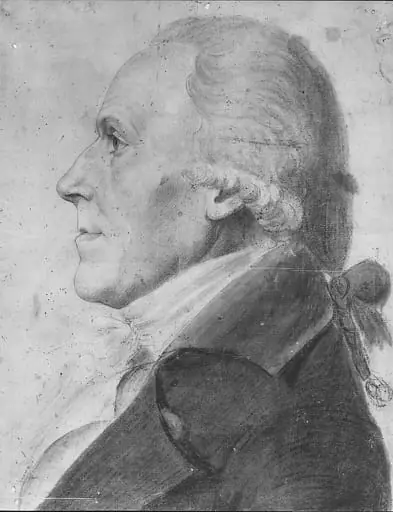
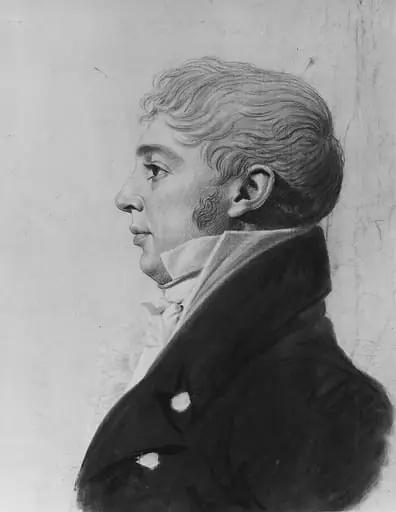
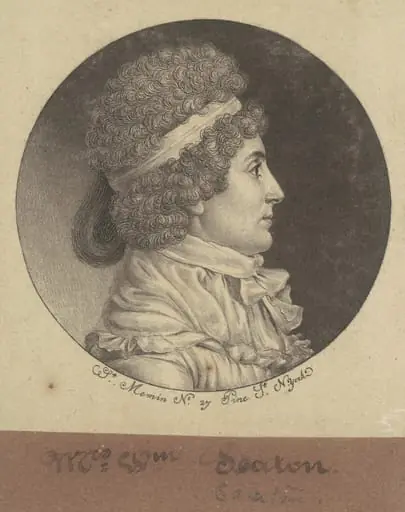
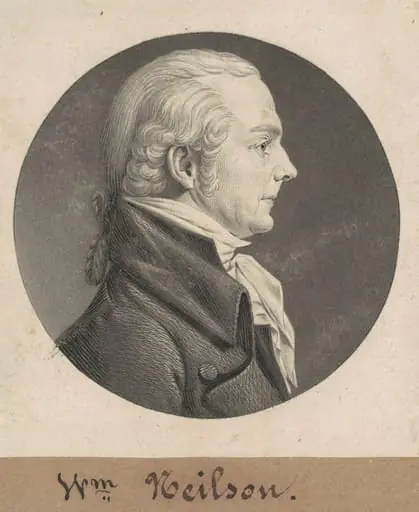
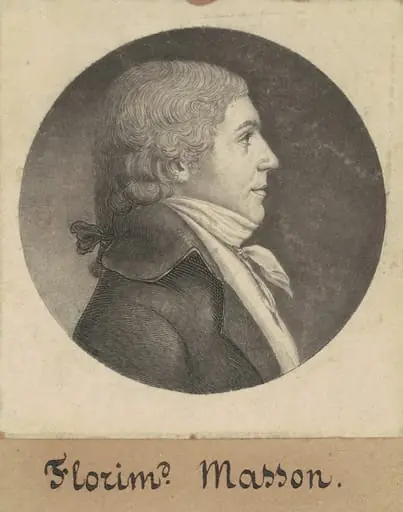
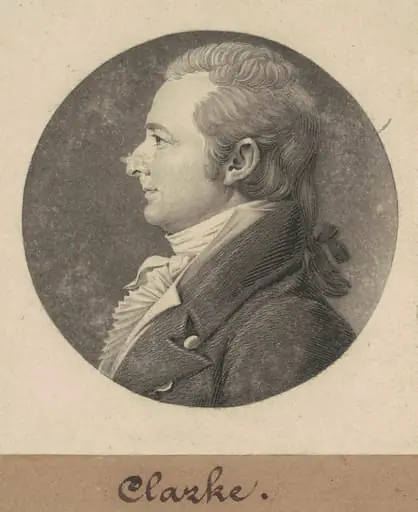
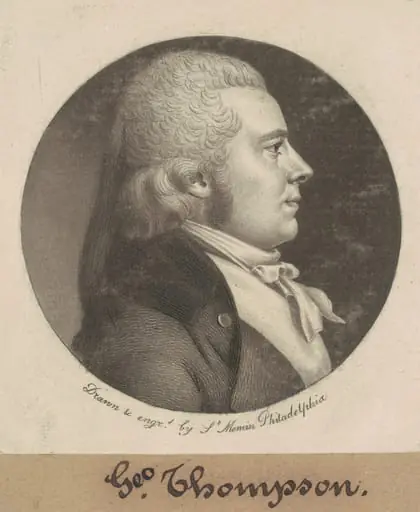
This is a small engraving from 1799. It shows a man’s face in profile, turned slightly to the left. His coat has fine buttons and a high collar. The paper looks old but is in good shape.
The artist used a special printmaking trick called mezzotint. Mezzotint makes rich, velvety blacks by roughening a metal plate with tiny dots. This print feels smooth but the shadows look deep.
Try looking up Saint-Mémin, Charles B. J. Févret de next.
Overview
Created in 1799, this modestly sized print measures just over five and a half centimeters square. Executed in black on wove paper that has been mounted to a brown wove backing, the work presents a finely rendered profile portrait. The image belongs to the Corcoran Collection and is currently held by the National Gallery of Art.
Subject & Meaning
The composition depicts a gentleman turned slightly toward the left, his profile defined by a high‑collared coat adorned with delicate button detailing. The restrained pose and muted tonal range suggest a focus on the sitter’s dignified bearing rather than narrative content, typical of portraiture intended for private circulation in the late eighteenth century.
Technique & Style
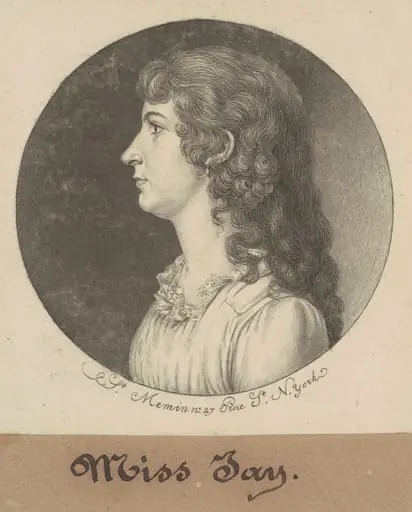
The image combines mezzotint and engraving processes. Mezzotint, achieved by roughening a copper plate with countless tiny pits, yields deep, velvety shadows, while the engraved lines provide crisp definition of facial features and attire. The result is a smooth‑finished surface where gradations of black convey a subtle three‑dimensionality within the limited scale.
History & Provenance
Attributed to Charles B. J. Févret de Saint‑Mémin, a French artist active in the United States after the Revolution, the print entered the Corcoran Collection before being transferred to the National Gallery of Art. Its provenance traces a path from private ownership in the early nineteenth century to institutional care, ensuring its preservation.
Context
Produced at the close of the eighteenth century, the work reflects the transatlantic exchange of artistic techniques, particularly the popularity of mezzotint among portrait printmakers. Saint‑Mémin, known for his portraits of American elites, employed this medium to achieve a level of tonal richness that complemented the genteel aesthetic of the period’s portraiture.
Artist & collection

Artist
Charles Balthazar Julien Févret de Saint-Mémin
Charles Balthazar Julien Févret de Saint-Mémin (French pronunciation: ; 1770–1852) was a French portrait painter and museum director.