Artwork
Captain Codrington
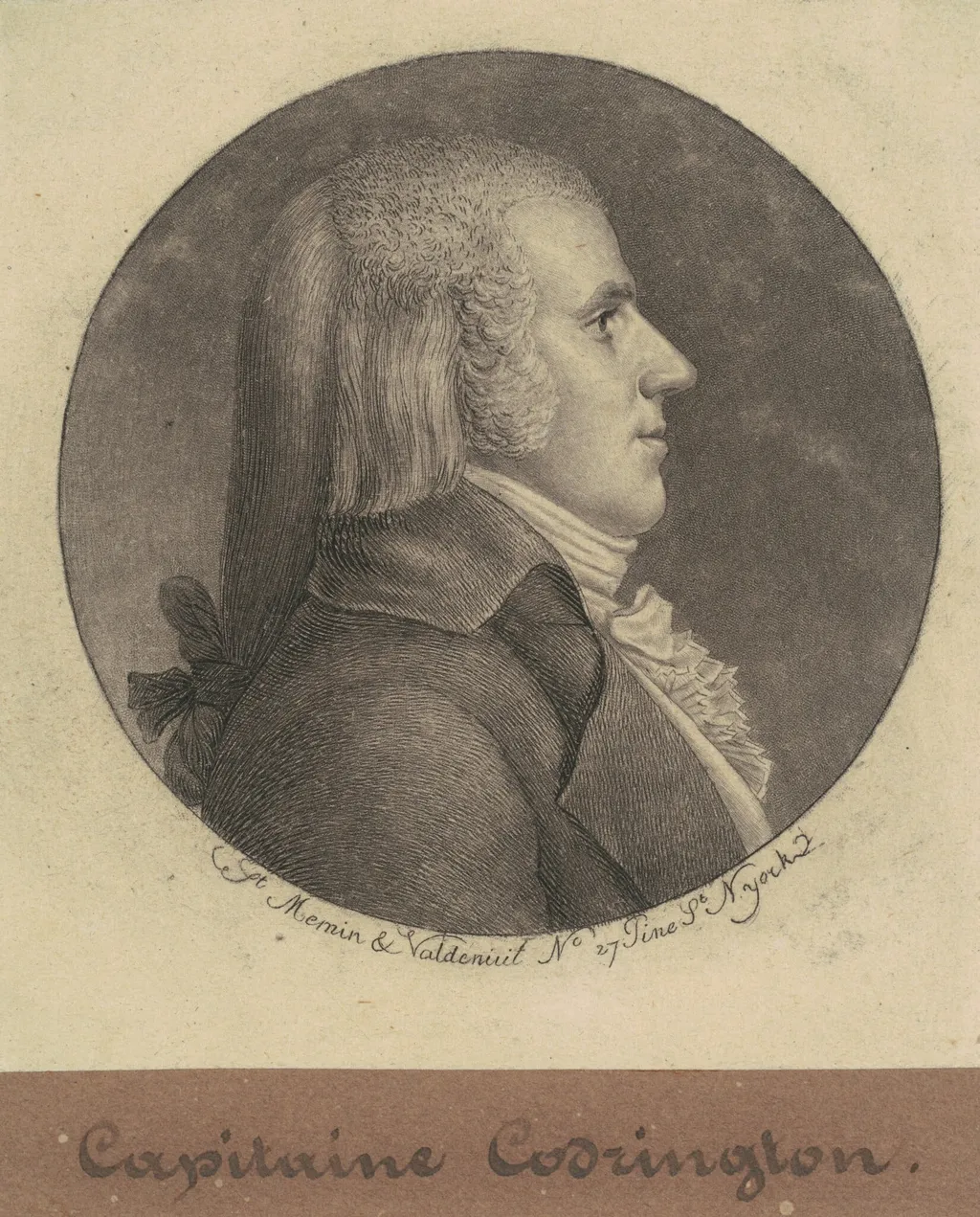
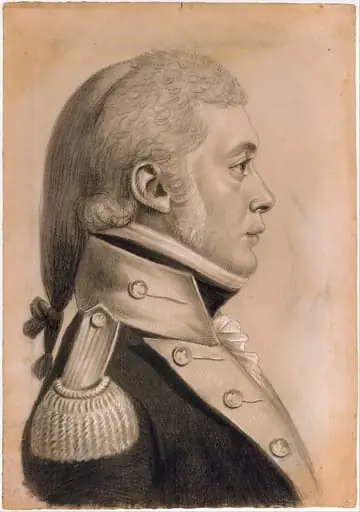
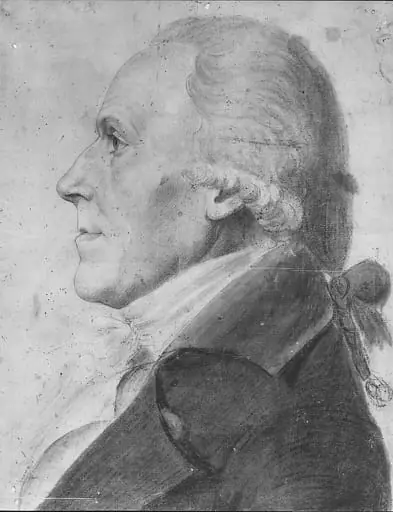
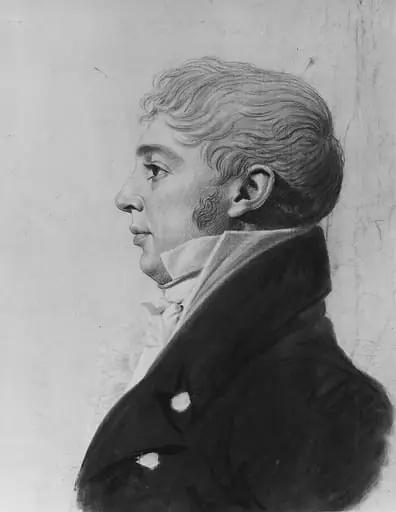
Captain Codrington is an ink print by the Romanticist artist Charles Balthazar Julien Févret de Saint-Mémin. It dates from 1796 and is held in the collection of the National Gallery of Art. Charles B.
About this work
Overview
It resides in the Corcoran Collection of the National Gallery of Art, where it is displayed as an example of the artist’s meticulous approach to portraiture.
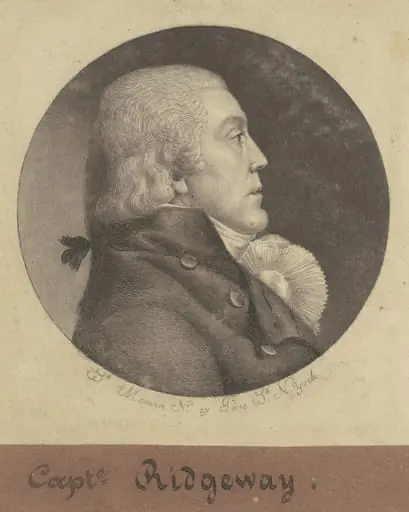
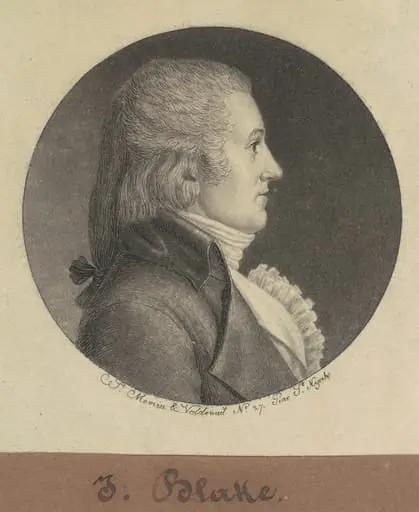
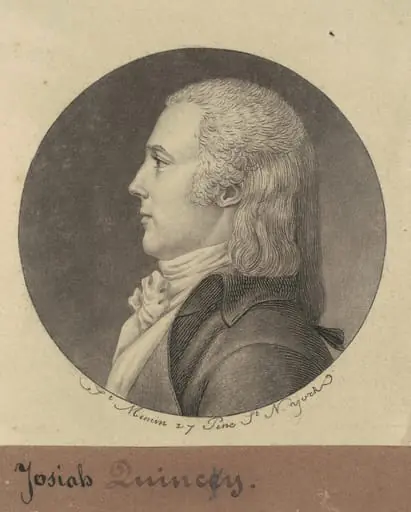
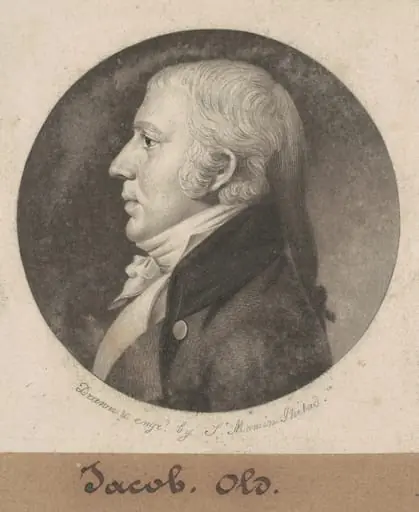
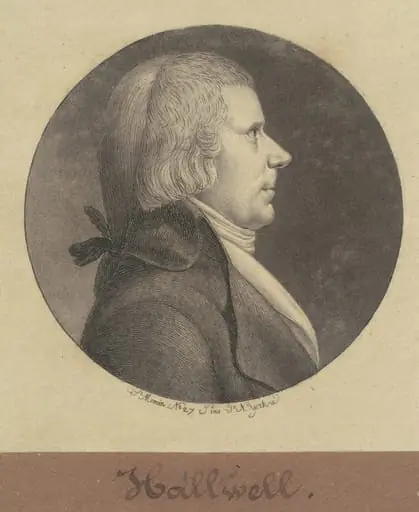
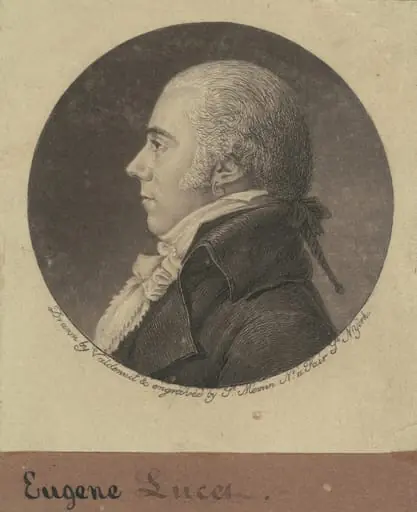
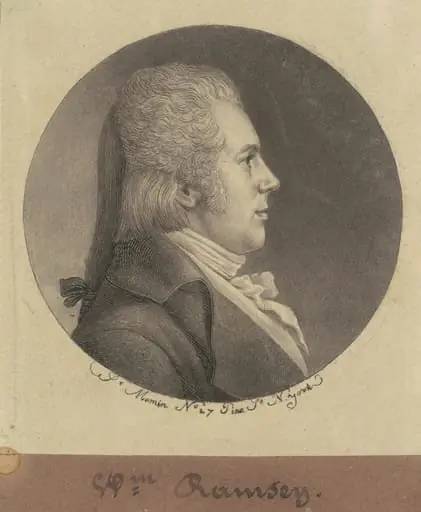
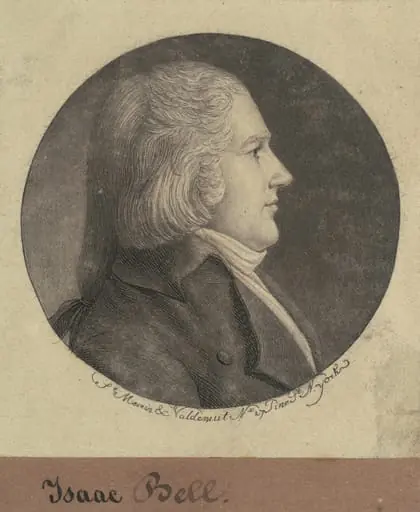
Charles B. J. Févret de Saint‑Mémin’s portrait of Captain Codrington is a black‑and‑white print that combines mezzotint and engraving. Executed on wove paper that has been adhered to a brown‑toned backing, the work measures a modest size typical of early nineteenth‑century portrait prints. It resides in the Corcoran Collection of the National Gallery of Art, where it is displayed as an example of the artist’s meticulous approach to portraiture.
Subject & Meaning
The image presents Captain Codrington in full dress uniform, his posture formal and his expression composed. The meticulous rendering of his attire—epaulettes, buttons, and fabric folds—suggests a concern for rank and decorum, while the absence of background detail focuses attention on the individual’s identity and status as a naval officer.
Technique & Style
Saint‑Mémin employed a hybrid process, beginning with mezzotint to achieve rich tonal gradations and then adding fine engraved lines to define texture and surface detail. The dense network of cross‑hatching creates depth in the fabric and facial features, a labor‑intensive method that showcases the artist’s command of both tonal and linear effects in printmaking.
History & Provenance
Created in the early 1800s, the print entered the Corcoran Collection before being transferred to the National Gallery of Art. Its provenance traces a typical path for portrait prints of the period, moving from private ownership to institutional acquisition, where it now serves as a reference for the work of Saint‑Mémin and his contemporaries.
Artist & collection

Artist
Charles Balthazar Julien Févret de Saint-Mémin
Charles Balthazar Julien Févret de Saint-Mémin (French pronunciation: ; 1770–1852) was a French portrait painter and museum director.